

Could one slip in hygiene be deadly? Each year, contaminated food makes thousands sick or even causes deaths. Food safety is more than a set of rules; it is a lifeline that protects diners and businesses. When restaurants follow safety checks from start to finish, they build trust and cut the risk of food poisoning. Simple steps like washing hands and keeping raw food away from cooked food lower illness rates and keep everyone safe.
Core Importance of Food Safety in the Food Industry
Food safety matters because it keeps everyone healthy. Each year, 1 in 6 Americans get sick from food, and around 3,000 people die due to contaminated meals. High safety standards help prevent these outbreaks, protect lives, and build trust in the food we eat.
Strict rules and clear checks make sure food stays safe from start to finish. Businesses follow set procedures, like washing hands and keeping raw and cooked foods separate, to cut the risk of poisoning and keep product quality steady.
| Safety Benefit | Impact |
|---|---|
| Public health protection | Fewer illnesses and deaths |
| Legal compliance | Avoids fines and shutdowns |
| Brand reputation | Maintains consumer trust |
| Cost reduction | Prevents recalls and cuts waste |
When a food business makes safety a top priority, it not only protects consumers but also runs more smoothly. Every careful step in the process reduces risk, keeps quality in check, and helps avoid expensive recalls and bad press. This focus on safety ultimately benefits everyone, from the makers to the people eating the food.
Public Health Impact of Food Safety in the Food Industry

Every year, harmful germs like Salmonella, E. coli, and Listeria make millions of people sick. These bacteria move fast in places where cleaning and safe food handling are overlooked, sparking serious outbreaks in communities. Even a small taste of spoiled food can endanger public health, which is why strict safety checks are essential in every kitchen.
Simple steps go a long way in fighting these risks. Food spots rely on easy habits like regular handwashing, keeping raw and cooked foods apart, cooking food well, and quickly cooling leftovers. These everyday actions stop dangerous germs from multiplying and keep food safer for everyone.
When food safety rules work well, fewer people get sick and fewer hospital visits happen. This not only eases pressure on local health services but also builds trust with diners and suppliers. In short, a strong food safety plan helps keep communities healthy and supports a thriving food industry.
Regulatory Compliance and Food Safety Standards for the Food Industry
Food businesses must follow strict rules to make sure every product meets the law. In the U.S., the Food Safety Modernization Act (FSMA) and in the U.K., the Food Safety Act 1990 require companies to set up preventive controls and safety measures ahead of time. These rules keep production areas clean and help companies stick to safety guidelines.
Firms need to use systems that spot risks and check that safe practices are followed. Clear ingredient labels also matter because they keep things transparent and make it easy to trace products. This openness protects consumers and builds trust. Methods like HACCP (Hazard Analysis and Critical Control Points) and similar programs offer a clear path to manage contamination risks during production.
• HACCP (Hazard Analysis and Critical Control Points)
• SQF (Safe Quality Food)
• GFSI (Global Food Safety Initiative)
• GMP/cGMP (Good Manufacturing Practices)
• BRC/FSSC (British Retail Consortium/Food Safety System Certification)
Not following these standards can lead to big problems. Regulators can hand out high fines, shut down facilities, or even take legal action when safety rules are broken. Keeping up with these requirements not only protects a company’s license to operate but also its reputation with customers and partners. By earning key certifications and using clear labels, food producers protect public health and keep the entire supply chain strong.
Protecting Brand Reputation with Food Safety Measures in the Food Industry
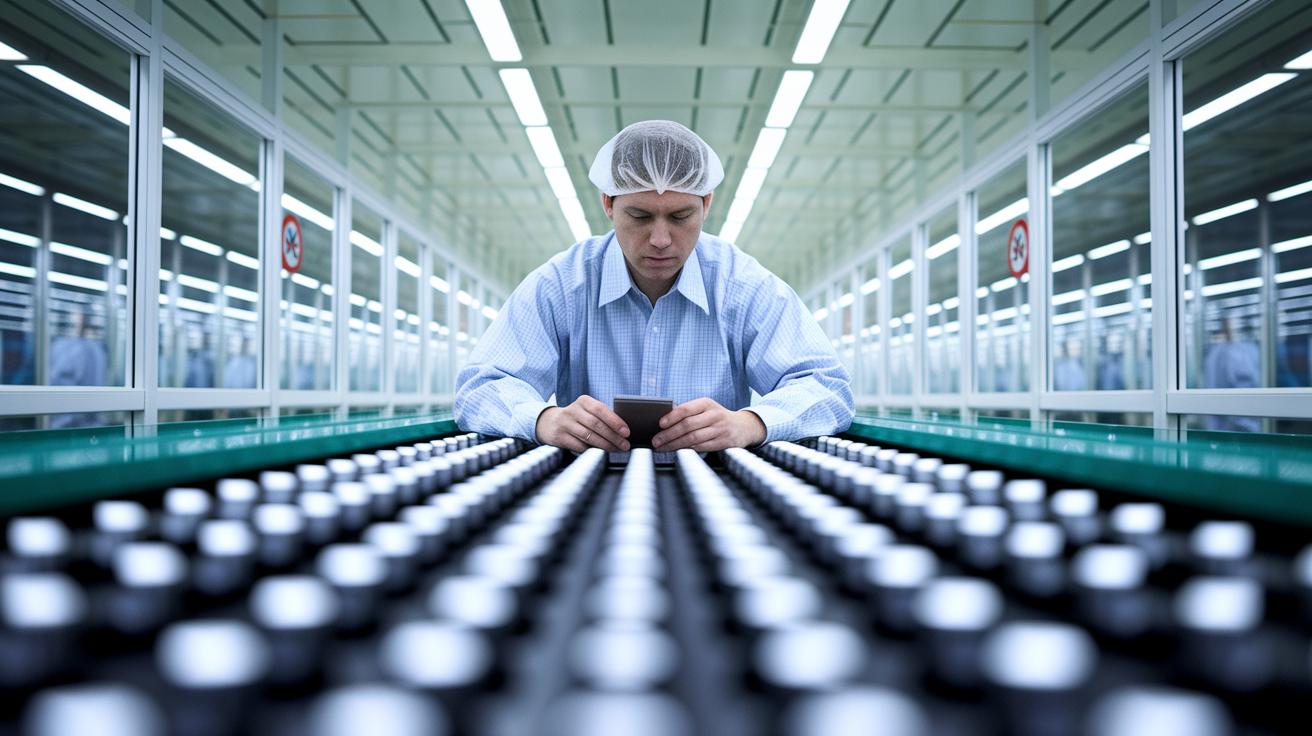
Food recalls often cost companies millions. In fact, a recall can run nearly $10 million when you add up recall expenses, legal fees, lost sales, and negative publicity cleanup. And it doesn't stop with the money.
Bad news about safety issues spreads quickly. When consumers hear about contamination or recalls, they lose trust fast. This loss of confidence leads to fewer repeat purchases, and new customers stay away. Poor quality checks hurt a brand’s promise and long-term loyalty.
Continuous quality monitoring helps turn things around. By doing regular, real-time inspections, companies can catch problems early and avoid big recalls. Investing in automated systems and consistent checks not only keeps costs down but also protects the brand’s reputation and builds lasting trust with customers.
Hazard Prevention and Quality Assurance in the Food Industry
Food makers use clear, step-by-step methods to keep food safe and ensure every bite is top quality. Modern HACCP (Hazard Analysis of Critical Control Points) plans now take less than one hour to set up. Teams rely on digital dashboards and temperature sensors to cut down supervision by about 20%. Daily task guides, shared as photos or videos with checklists, help workers stay on track from getting ingredients to final packaging. These systems work alongside standards like ISO 22000 and FSMA (Food Safety Modernization Act) to quickly spot any potential risks. For instance, a digital probe that tracks cooking temperature can warn staff if a dish isn’t heated enough, reducing the risk of harmful germs.
Integrated management systems also boost food safety and quality by combining automation and tech. They keep a close eye on critical steps so that inspections become faster and more accurate. These tools log important data and provide real-time updates, letting managers fix issues quickly. This technology not only improves overall efficiency but also protects consumers and a brand’s reputation. Many restaurants now use these systems as part of their digital transformation, helping them run smoother at every location.
| Control Point | Monitoring Method |
|---|---|
| Ingredient Sourcing | Supplier audits & certificates |
| Cooking Temperature | Digital probes & logs |
| Chilling & Storage | Automated temperature sensors |
| Equipment Sanitation | Cleaning checklists & inspections |
Cultivating a Food Safety Culture and Training in the Food Industry

Building a strong safety culture means every team member knows and follows key safety steps. Good training turns rules into everyday habits that help keep food safe. Even tiny mistakes can cause major problems, so clear instructions, like a reminder to wash your hands before each task, play a big part in preventing contamination.
Interactive tools, such as mobile alerts, posters you can download, and easy-to-follow video guides, break down complex steps into simple actions. These tools help workers avoid cross-contamination and stick to proper cleaning methods. Regular on-screen prompts and visual checklists keep the best practices fresh in everyone's mind, making training practical and easy to follow.
Managers track progress with quick quizzes, feedback surveys, and direct observations in the workplace. Fewer safety incidents and better adherence to protocols show that a well-trained team not only reduces errors but also boosts food safety at every stage.
Managing Recall Risks and Crisis Response in the Food Industry
Food production always comes with risks from contamination. Companies use predictive tools to spot issues before they become serious. Real-time dashboards and inspection logs help catch any drop in quality or safety early. This quick action stops small problems from turning into full-scale recalls and keeps public trust intact.
Clear procedures and consistent record-keeping are key to an effective recall plan. Companies outline detailed steps for shutting down operations, isolating affected products, and notifying customers. Regular practice drills ensure teams are ready to act fast when contamination is found, reducing both financial losses and safety risks.
Traceability systems follow every step of production, from sourcing to distribution. By linking data all along the process, these systems pinpoint exactly where contamination begins. Digital logbooks paired with smart sensors allow managers to track products quickly, making recall efforts more precise and accountable.
After a recall, teams review everything to see what worked and what didn’t. They analyze performance data and logs to improve their plans. This process of learning and updating builds a stronger response system for any future incidents.
Global Market Access via Food Safety Compliance in the Food Industry
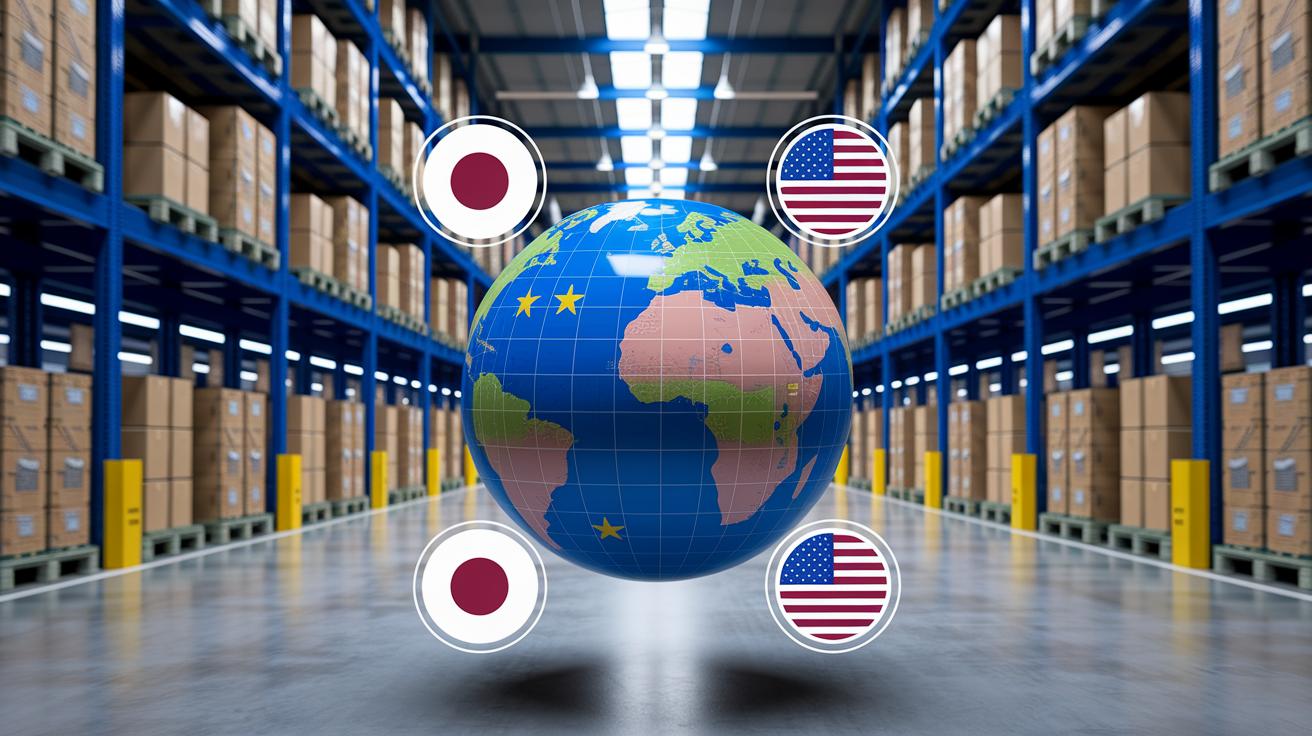
Countries in the EU, Japan, and the US require food businesses to meet strict safety standards to enter their markets. Local rules demand proper handling, correct ingredient labels, and full traceability. Before products can be sold internationally, companies must prove they meet these tough food safety standards.
Certifications from respected global bodies clearly show a company’s commitment to food safety. By achieving certifications like ISO 22000 and other credentials recognized by the Global Food Safety Initiative (GFSI), businesses strengthen their reputation. These marks mean that strong quality checks and preventive controls are in place, which can attract international buyers and boost customer confidence.
Clear and accurate paperwork is key to meeting export rules. Detailed traceability records and complete monitoring logs help prove compliance during inspections. Using modern digital tools to record every step – from ingredient sourcing to final packaging – makes the process transparent and efficient. This careful documentation speeds up export clearance and builds trust among regulators and customers, paving the way for steady global growth.
Final Words
In the action, the discussion highlighted how food safety boosts public health protection, legal compliance, brand reputation, and cost reduction. It covered key steps from strict regulatory measures to robust training programs and crisis response protocols. The real-life impacts show that a well-crafted safety plan keeps both staff and customers secure while maintaining a restaurant’s reputation.
Meeting rigorous guidelines answers the crucial question: why is food safety important to the food industry? Solid practices set the stage for success and help build lasting trust.
FAQ
Why is food safety important in the food industry?
The importance of food safety in the food industry lies in protecting public health, meeting legal requirements, boosting consumer trust, and cutting costs from recalls and waste through consistent, quality practices.
What is the importance of food safety and sanitation?
Food safety and sanitation are essential as they prevent foodborne illnesses, maintain product quality, help meet regulatory standards, and safeguard brand reputation through improved hygiene and operational practices.
What is the main purpose of food safety practices?
The main purpose of food safety practices is to prevent foodborne illness by implementing effective procedures that protect consumers, ensure compliance with laws, and minimize financial losses for businesses.
What are the three important aspects of food safety?
The three critical aspects of food safety include protecting public health by reducing illness, ensuring legal compliance to avoid penalties, and maintaining brand reputation through rigorous quality control.
What are some examples of the benefits of food safety?
Examples of food safety benefits include fewer illnesses and deaths, compliance with regulations, preserved brand reputation, and lower costs from minimized recalls and waste, all of which support both consumers and businesses.