

Can washing your hands cut foodborne illnesses in half? Many kitchens rely on good handwashing to fight germs that make you sick. Research shows that cleaning your hands before cooking can lower the risk of bacteria and viruses. Chef Lee proves that a simple hand rinse is a small step that can bring big results. This quick habit helps both restaurant workers and home cooks keep harmful germs away and stay healthy.
Hand Hygiene: The Most Effective Practice to Prevent Biological Hazards
Regular and proper handwashing is key to keeping our food safe. Germs like bacteria, viruses, fungi, and parasites can sneak onto food through bad handling. Studies show that washing hands well can cut infections and diarrhea-related deaths by up to 50%. Clean hands are especially important before preparing food, after touching raw foods, and after using the bathroom. Food safety plans mark hand hygiene as a critical step to stop harmful microbes.
Follow these simple steps for safe handwashing:
- Run water over your hands.
- Lather up with soap for at least 20 seconds.
- Scrub all parts of your hands, including between your fingers and under your nails.
- Rinse thoroughly and dry with a clean towel.
- Use hand sanitizer when soap and water aren’t available.
Before starting a busy shift, Chef Lee always took extra time to wash his hands. That small step played a big role in lowering the risk of contamination. Training on proper hand hygiene and personal sanitation is crucial. When food workers stick to these practices, they protect customers and build a solid food safety system.
Temperature Control Practices to Curb Microbial Contamination
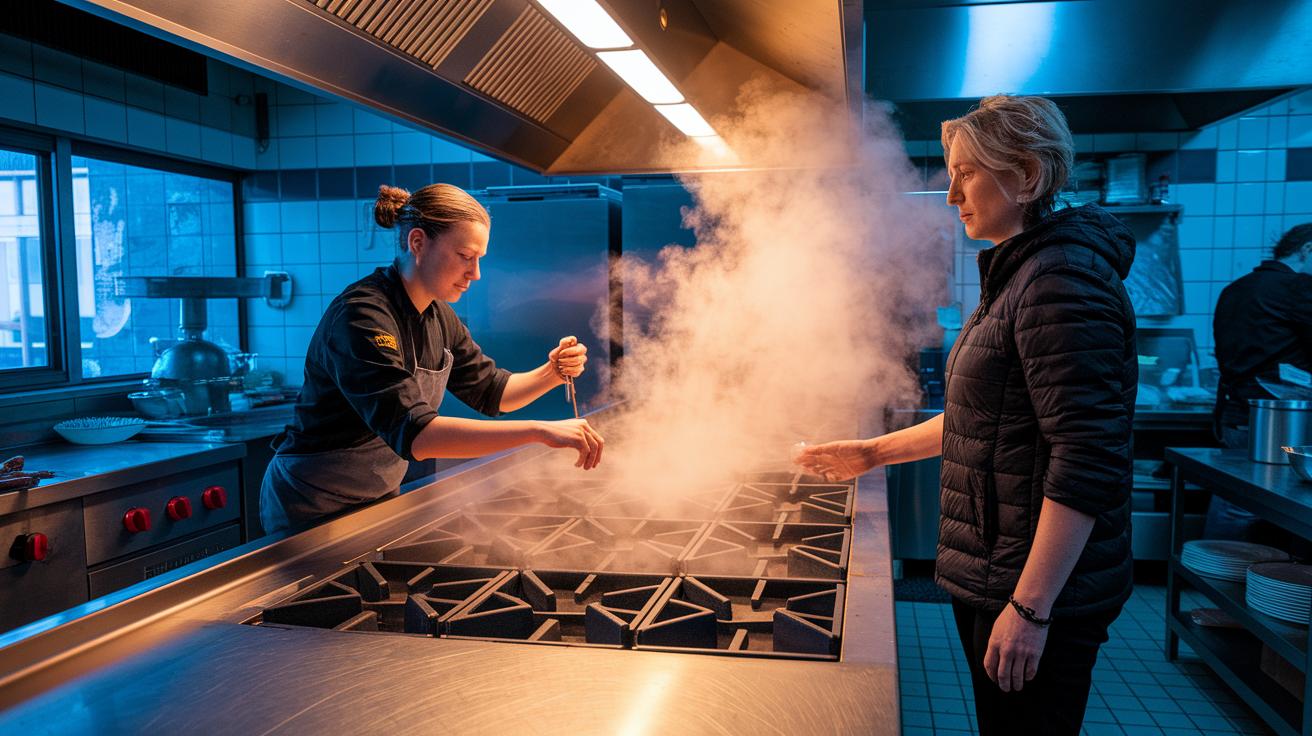
Keeping food safe means keeping it at the right temperature. In busy kitchens, the warm, moist air can help bacteria, viruses, fungi, and parasites grow fast. Food that cools quickly, from 135°F to 41°F in 2 hours, stops harmful germs from multiplying. Following exact temperature checks from cooking to storage keeps food safe. Cooking food to the right temperature not only boosts flavor but also kills dangerous pathogens.
It is also important to keep food cold during storage and transport. This is called cold chain integrity. It means keeping food in a safe temperature range so that germs have little chance to grow. Many kitchens now use sensor technology and precise dosing pumps to perform hot-water sanitation at 148°F (64°C). This high-temperature wash boosts cleaning power and lowers risk.
For instance, a restaurant using these methods saw less spoilage and fewer cases of foodborne illness. By managing temperatures at every step, cooking, cooling, and storage, food operators reduce risks and meet safety regulations. These practices protect food and help stop dangerous outbreaks.
Regular checks and quick fixes for any temperature problems make sure every dish meets today’s high safety standards.
Sanitation Protocols for Surfaces and Equipment to Eliminate Biological Hazards
Keeping kitchens safe starts with simple but thorough cleaning. First, remove any visible food or debris from counters, utensils, and appliances using a clean, disposable cloth. Next, pre-clean the area to loosen dirt and grease before you spray on the sanitizer.
Stick to a clear, step-by-step routine. Spray the approved sanitizer evenly over food-contact surfaces like cutting boards, mixers, and grills. Let the sanitizer sit for 1 to 5 minutes to kill germs. Then, wipe the area with a fresh cloth to clear away any leftover chemicals and dirt. Regular cleaning and concentration checks lower germs and help prevent hazards.
Using precise tools boosts cleanliness. For example, Dosatron D14TMZ series pumps mix chemicals with hot water up to 148°F for even coverage. This method makes sure your sanitation solution is both powerful and safe. Following these cleaning steps cuts the risk of foodborne illness for both customers and staff. Recording your routines also helps keep everyone accountable and ensures safe kitchen practices.
Digital Monitoring and HACCP Systems for Biological Hazard Prevention
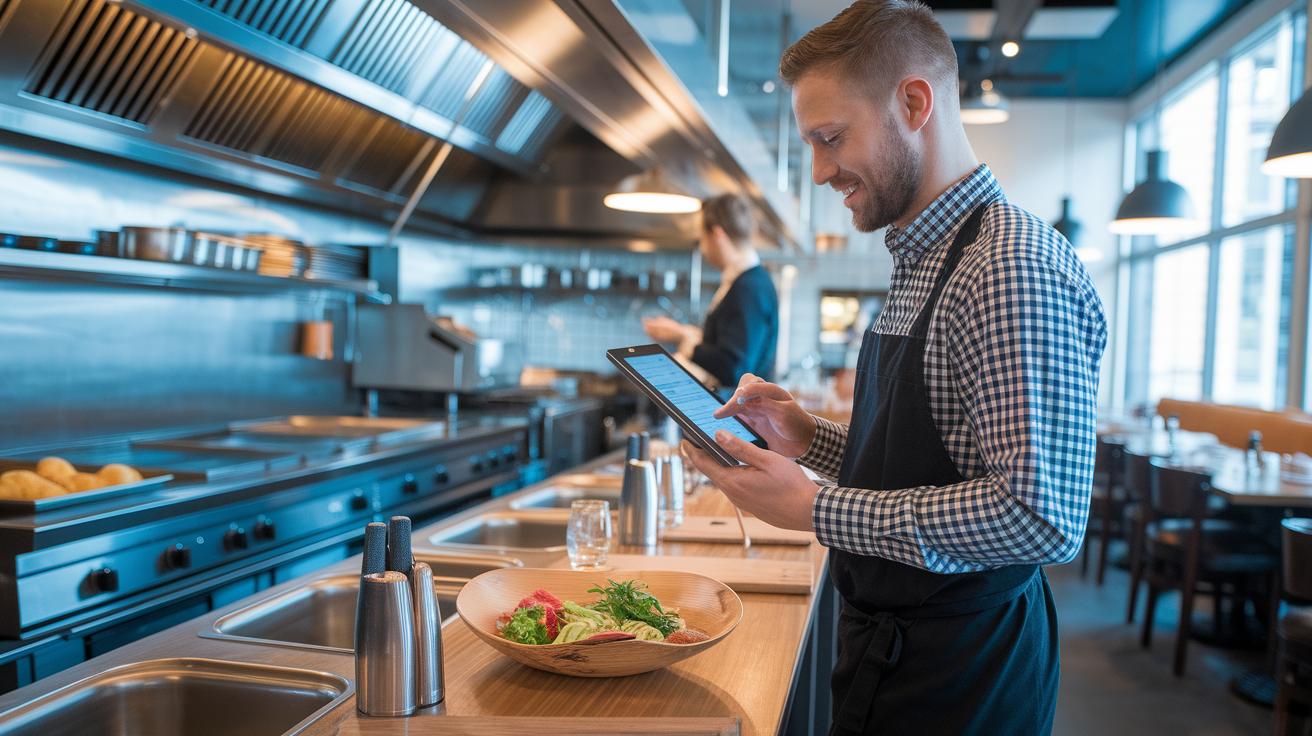
SGS Digicomply, updated on 30 September 2024, is a digital tool that boosts food safety with clear, real-time monitoring. It uses a digital logbook, sends smart alerts to your phone, and hooks up with temperature sensors (devices that track environmental changes) to keep a close eye on food safety data. You can set it up in just 15 minutes and start fixing issues quickly. One restaurant owner said, "I set up Digicomply in the morning, and by lunch service, I was alerted to a minor temperature spike before it became a hazard."
You can also build a full HACCP plan in under an hour using ready-made templates. This plan helps you mark the key points where food needs close supervision, like checking for bacteria, viruses, or fungi. The system spots sudden risks and supports regular checks against contamination. This quick detection ensures that safety rules are followed and stops potential outbreaks before they start.
Daily digital reports and continuous data logging help managers track performance and have proof ready for inspections. Smart alerts notify food operators as soon as conditions change, keeping contamination risks in check. With SGS Digicomply, food businesses have a solid system to monitor every key safety point in real time.
Staff Training and Auditing to Sustain Biological Hazard Mitigation
Regular staff training is key to keeping food safe. Teaching team members about germs, how they spread, and safe handling practices helps lower the risk of bacteria, viruses, and other hazards. Many top food places use over 200 free tools, like checklists, logs, and posters, to keep training consistent and to remind everyone of essential cleaning steps.
Intensive cleaning schedules paired with routine audits make sure all safety rules are followed. A manager might review a sanitation checklist after every shift to catch any slip-ups before they lead to contamination.
Ongoing microbial tests and well-kept cleaning records build accountability and drive continuous improvement. Regular training and audits not only maintain high standards but also create a strong culture of safety and responsibility. In short, a knowledgeable team and a solid inspection routine are your best defense against food hazards.
Final Words
In the action, hand hygiene, temperature controls, surface sanitation, digital monitoring, and staff training all form a clear framework that food safety practice will help prevent biological hazards.
These methods cut down on risks during food prep and service. They also provide a roadmap for keeping kitchens safe and efficient.
Following these steps leads to smoother day-to-day operations and helps build confidence with diners. The focus remains on practical approaches that keep kitchens operating safely and successfully.
FAQ
Which food safety practice will help prevent biological hazards quizlet, brain, and qui?
The food safety practice that helps prevent biological hazards relies on proper hand hygiene, temperature control, thorough cleaning of surfaces, and digital HACCP monitoring to reduce pathogen growth and protect consumers.
What are biological hazards in food?
Biological hazards in food refer to harmful pathogens, including bacteria, viruses, fungi, and parasites, that can contaminate food and cause illness if not properly managed.
How can biological food hazards be prevented?
Biological food hazards can be prevented by practicing effective handwashing, maintaining safe temperatures during storage and cooking, disinfecting surfaces, and using digital HACCP systems alongside regular staff training.
Which food has been refrigerated correctly?
Food that has been refrigerated correctly is kept below 41°F promptly after preparation to slow bacterial growth and preserve its safety and quality.
What is a major food allergen according to the FDA?
A major food allergen is one of the eight key ingredients identified by the FDA, including milk, eggs, fish, shellfish, tree nuts, peanuts, wheat, and soy, which commonly trigger allergic reactions.
What is the correct order of steps for handwashing?
The correct handwashing steps begin with wetting hands, applying soap, scrubbing thoroughly for at least 20 seconds, rinsing off the soap, and finally drying with a clean towel.