

Ever wonder why food left out spoils so quickly? When food sits in the danger zone between 40°F and 140°F, bacteria grow fast. In just four hours, one germ can become over a million. These tiny bugs can also make toxins that heat cannot destroy, which may lead to food poisoning. This post explains why keeping food out of that temperature range is important for your safety.
Defining the Temperature Danger Zone in Food Safety
Food becomes risky when it stays between 40°F and 140°F. In this range, bacteria grow fast and can double every 20 minutes. For example, at 70°F a single bacterium can multiply into roughly 1.28 million in just four hours. This rapid growth increases the chance of foodborne illness, so keeping food out of this temperature range is a must.
Bacteria in this zone can also create toxins that stay strong even after reheating. That means simply warming food again might not make it safe. Using fast cooling and proper heating methods is key. Understanding this danger zone helps everyone from home cooks to restaurant staff handle food safely from storage through to the final dish.
Science Behind the Temperature Danger Zone in Food Safety
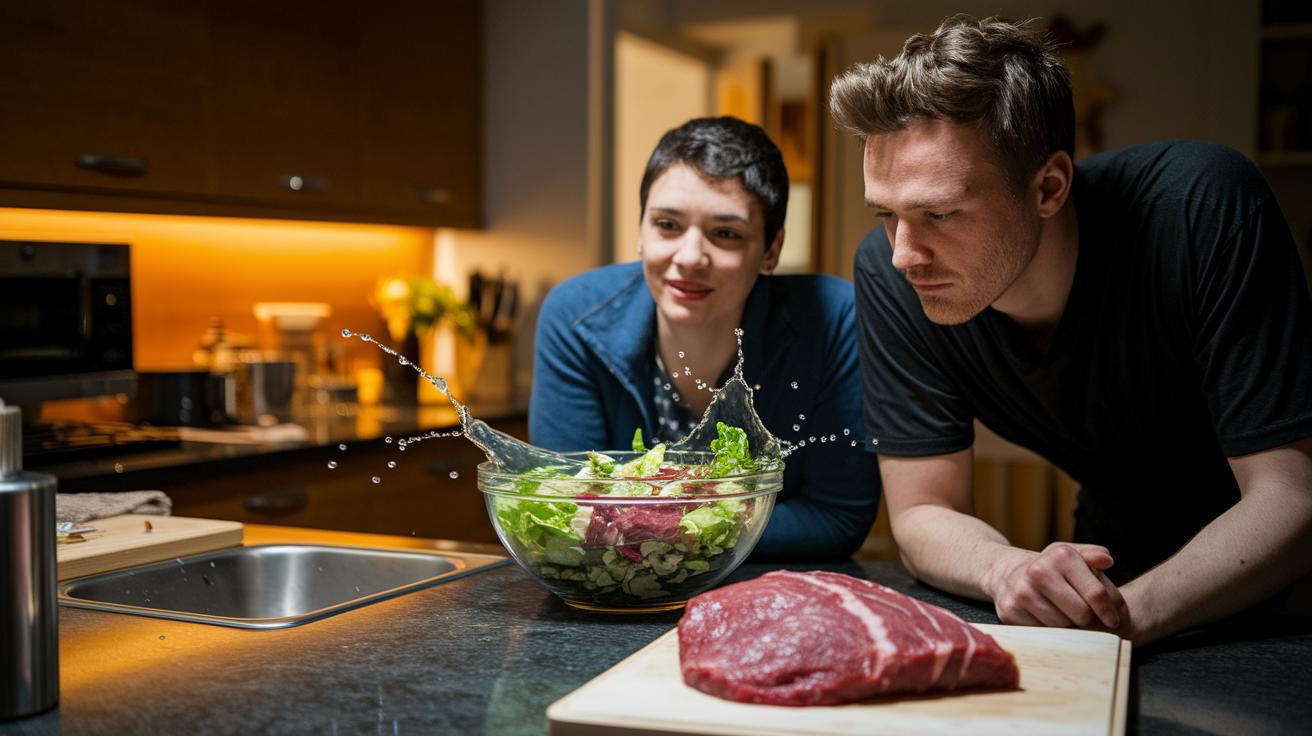
Bacteria like Staphylococcus aureus break down nutrients with enzymes to create toxins when food hangs out in the danger zone. These protein-based toxins hold their shape even if the food is heated later, so reheating won't always fix the risk.
Cross-contamination happens when juices from raw meat spread bacteria to other foods, tools, or surfaces. Even one tiny droplet can carry germs, meaning that a splash on a salad bowl can start a chain reaction if conditions allow the bacteria to multiply.
Understanding these small processes helps explain why safe food handling is so important. The way enzymes make heat-resistant toxins and raw meat juices spread germs shows why you must keep raw and cooked foods separate and maintain good hygiene.
Cooking Practices to Stay Out of the Temperature Danger Zone
Cooking food safely means reaching the right internal temperature to stop harmful bacteria. The USDA says that keeping food out of the danger zone is key to meal safety. Set your oven to at least 325°F for effective germ control. A reliable, oven-safe digital probe thermometer helps you hit the mark and lets you adjust cooking times based on your microwave's wattage.
| Food Type | Safe Internal Temperature (°F) | Celsius Equivalent (°C) |
|---|---|---|
| Poultry | 165°F | 74°C |
| Ground Meat | 160°F | 71°C |
| Steak/Roast | 145°F | 63°C |
| Fish | 145°F | 63°C |
Using an oven-safe digital probe thermometer gives you peace of mind and precision with these safety temperatures. If you're using a microwave, check its wattage because that can change how long your food cooks. Stick to these practices for safer meals and avoid the temperature danger zone. For more details on food safety guidelines, visit the official source (https://matpple.com?p=611).
Cooling and Storage Strategies to Avoid the Temperature Danger Zone
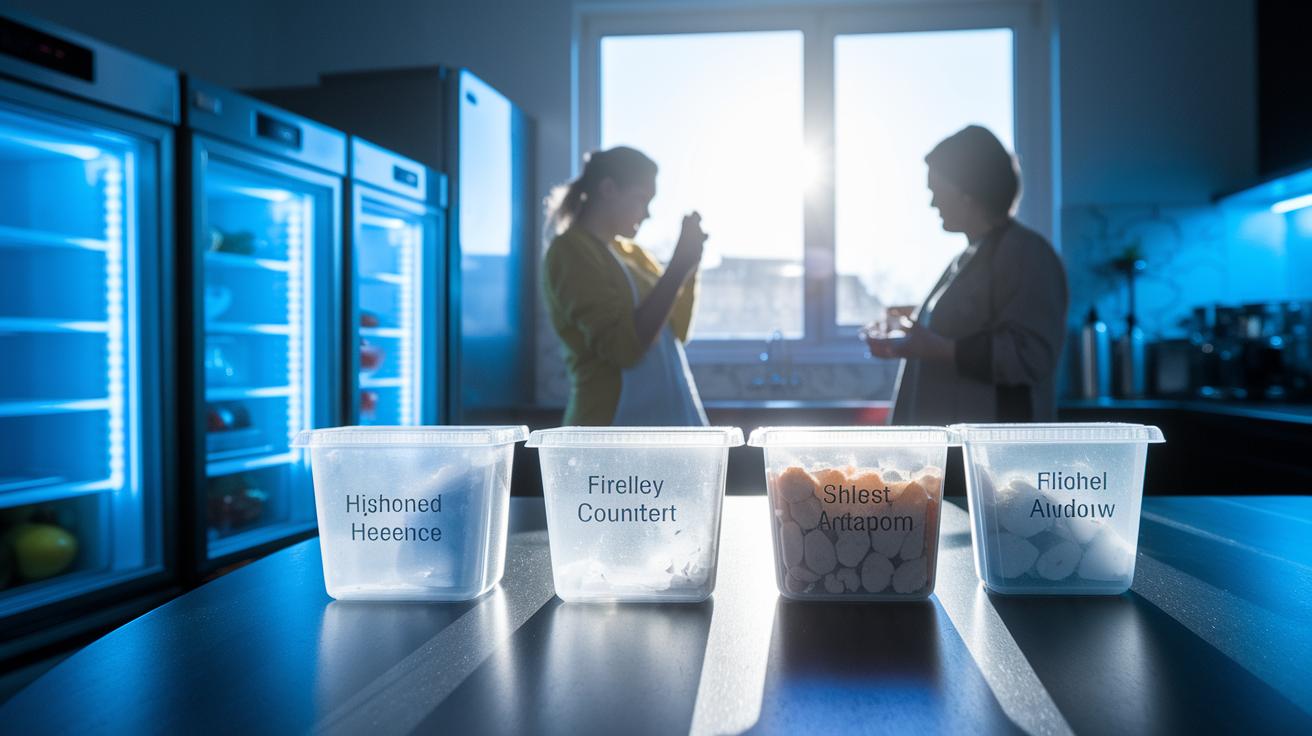
Fast cooling and smart storage keep food safe by stopping bacteria from growing quickly. Cooked meals should drop to 40°F or less within two hours. Keeping your fridge at 40°F or below and hot foods at 140°F or above cuts down on the risk of foodborne illness. Check temperatures every 2 to 4 hours in both cold and hot areas to catch any problems early.
- Use shallow, uncovered containers
- Refrigerate within 2 hours
- Keep the fridge at or below 40°F
- Keep hot foods at or above 140°F
- Label with the date and time
Using shallow containers helps heat escape fast, cooling the food quickly so bacteria have less time to multiply. Cooling food right away and checking the temperatures regularly act as a warning system against unsafe conditions. Adding the date and time on each container helps manage how long food stays in storage. For more detailed storage guidelines, visit the food safety storage page (https://matpple.com?p=675). Following these simple steps keeps food out of the temperature danger zone and reduces the risk of harmful bacteria.
Reheating and hot holding within food safety danger zone guidelines
When reheating leftovers, warm them until they reach at least 165°F. This step helps kill any harmful bacteria. Keep hot food at 140°F or above to stop harmful germs from growing. For example, if you heat a stew until it hits 165°F, you can prevent bacteria from reaching dangerous levels.
Monitor food in your hot or cold holding units at least every four hours. For extra safety, check every two hours when conditions might change unexpectedly. Constant temperature checks help spot any drop that could let bacteria multiply.
If food falls below these safe temperatures, act fast. Reheat it or adjust your equipment settings to return to the correct temperature. When using a microwave, consider its wattage and use a probe thermometer to double-check the reading. Quick fixes like these help keep food safe and reduce the risk of foodborne illness.
Monitoring and Controlling the Food Safety Temperature Danger Zone
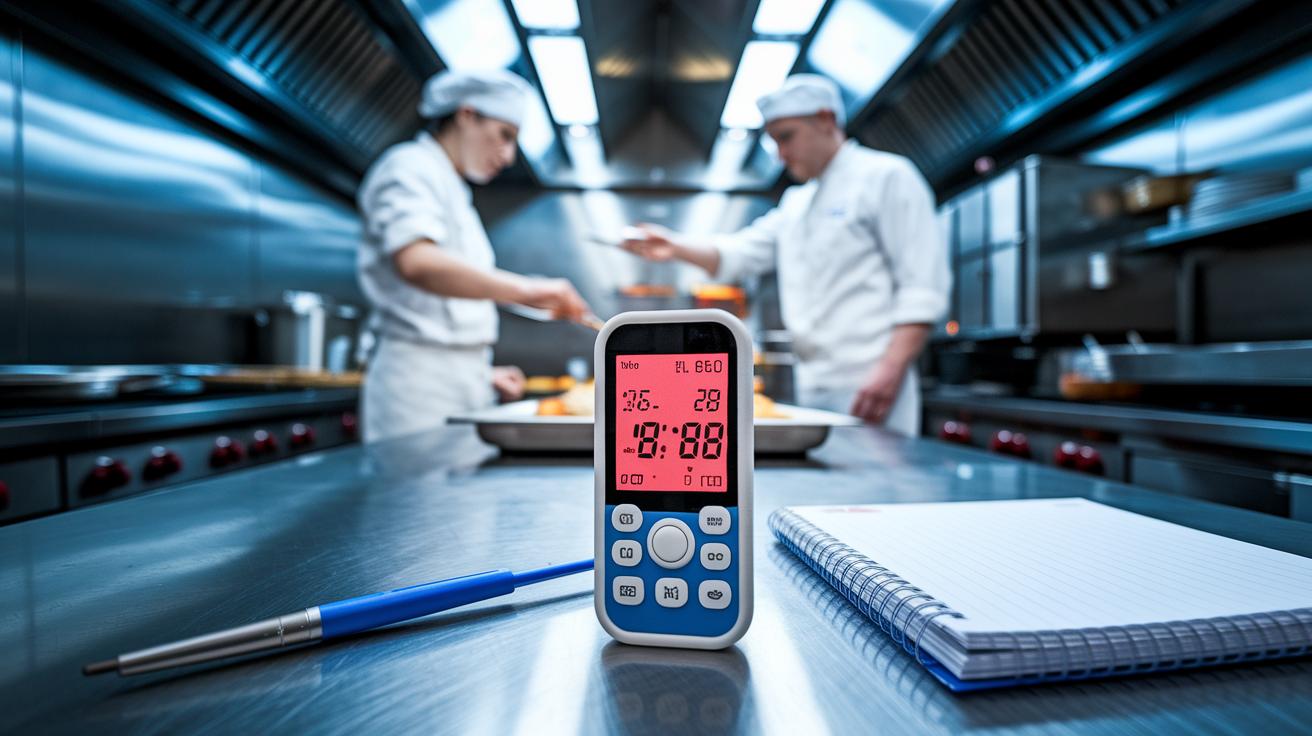
Digital thermometers, whether probe or infrared, are key to keeping food safe. Regularly checking them against a trusted standard makes sure their readings are correct. For example, a weekly check might show a refrigerator rising above 40°F, which means it needs immediate adjustment. Routine checks keep the tools working right and catch any issues fast.
Food safety rules require recording hot and cold temperatures every 2 to 4 hours. Keeping a log of these readings makes it easy to see any slow changes. If a temperature enters the danger zone, you should recalibrate the thermometer or rearrange the food right away. This simple system helps control risks and protect the food.
Final Words
In the action, we broke down key food safety steps. We defined that safe range and highlighted risks when food falls between 40°F and 140°F.
We tackled bacteria growth, toxin formation, and safe cooking, cooling, and reheating practices. We also stressed the importance of using well-calibrated thermometers and proper monitoring to keep food out of danger. Remember, what is the temperature danger zone for food safety? Keep these checkpoints in mind to boost safety and confidence in every dish served.
FAQ
What is the food safety danger zone, and what are its temperature limits in Celsius?
The food safety danger zone refers to the range between 4°C (40°F) and 60°C (140°F) where bacteria grow rapidly if food is held too long.
What do guidelines from the CDC, ServSafe, and the FDA say about the danger zone?
These guidelines define the danger zone as 4°C (40°F) to 60°C (140°F) and advise keeping perishable foods out of this range to prevent rapid bacterial growth.
Which foods are most at risk from staying in the temperature danger zone?
Perishable items such as meats, dairy, and prepared dishes are at high risk because bacteria can multiply quickly when these foods are kept between 4°C and 60°C.
How long can food remain safely in the danger zone?
Food should not be left in the danger zone for more than 2 hours. In some controlled settings, the limit can extend to 4 hours, but minimizing this time is ideal for safety.
What is the 2-2-4 rule for food safety?
The 2-2-4 rule states that food should be left in the danger zone for no more than 2 hours, cooled within 2 hours if needed, and then consumed or reheated within a total of 4 hours to reduce risk.