

Have you ever wondered why some food trucks thrive while others fall short? Shoppers now steer everything, from menu changes to quicker service and spot-on social posts. People are after bold, global tastes paired with the ease of fast ordering and daily updates.
When food truck owners adjust their menus and service to these trends, they see more sales and build a loyal local following. This article breaks down the top trends that help a food truck do more than just serve meals, they create lasting buzz.
Key Consumer Trends Driving Food Truck Success
Food truck owners need to keep an eye on what customers want. These trends affect bottom lines and guide menu changes. When trucks adjust their offerings to match new tastes, they keep customers coming back. Knowing what drives dining choices also helps set smart prices and choose tech that speeds up orders.
Top mobile kitchens blend menu updates with smart marketing. They serve new flavors while posting daily specials and location updates online. They use simple ordering systems and customize meals for different diets. The aim is to stay competitive in a fast-moving market. Key trends include:
- Flavor diversity with global cuisines
- Rapid service and convenience
- Active social media engagement
- Sustainability and local sourcing
- Innovative marketing collaborations
- Value-driven options
Every trend plays a key role in building a successful food truck. Offering a variety of flavors brings in customers who crave both classic tastes and new experiences. Fast service appeals to busy people, while a strong online presence turns first-time visitors into regulars. Local sourcing and creative marketing can reduce costs and give a unique brand edge. Together, these approaches help food trucks keep menus fresh and create memorable dining experiences that boost long-term loyalty.
Flavor Diversity and Fusion Trends in Food Truck Menus
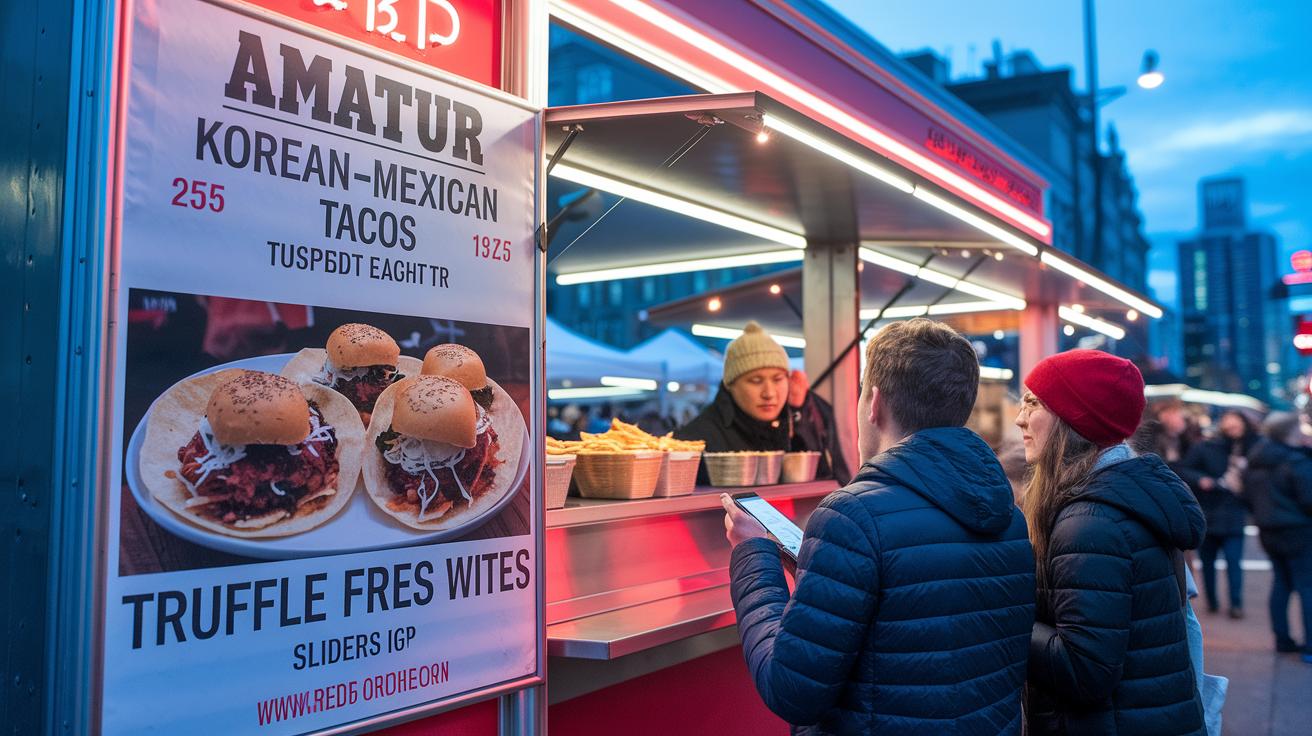
Food truck customers now crave bold flavors from around the world. They want dishes that mix tastes from different cultures, so food truck owners are adding creative twists to their menus. These mix-and-match dishes appeal to those who like familiar flavors with a surprising kick, helping a food truck stand out.
Many trucks are winning fans with unique fusion meals. Imagine Korean-Mexican tacos that combine spicy kimchi with traditional taco fixings or fancy versions like truffle fries paired with gourmet sliders. Some vendors are even crafting plant-based options for health-minded eaters while others are reimagining classic street foods with unexpected ingredients. These innovations keep customers excited and build a loyal crowd.
Using seasonal ingredients and locally sourced produce is another key part of the plan. Food trucks keep their menus fresh by offering dishes made with produce at its peak. This not only adds variety but also highlights local flavors, creating a strong connection with the community. The regular update of seasonal recipes invites customers back for more tasty surprises.
Speed, Convenience, and On-the-Go Dining Trends in Food Trucks
Food truck customers crave quick service. Many want their meals in less than 10 minutes during a busy workday or event. To meet this demand, vendors set up efficient kitchens, use ready-to-go ingredients, and apply smart cooking methods. This keeps wait times low and helps trucks serve more people during busy periods.
Digital tools also speed up service. Many food trucks now accept contactless payments and allow pre-orders through modern systems. This means customers can order ahead and skip the line, making the entire process smoother and faster.
Location is another key factor. Food trucks often park in busy spots like office areas, event spaces, or crowded streets. These spots catch customers who need a fast, convenient meal on the go. This strategy not only boosts sales but also ensures customers leave happy and fed quickly.
Social Media and Digital Promotion Trends for Food Truck Growth
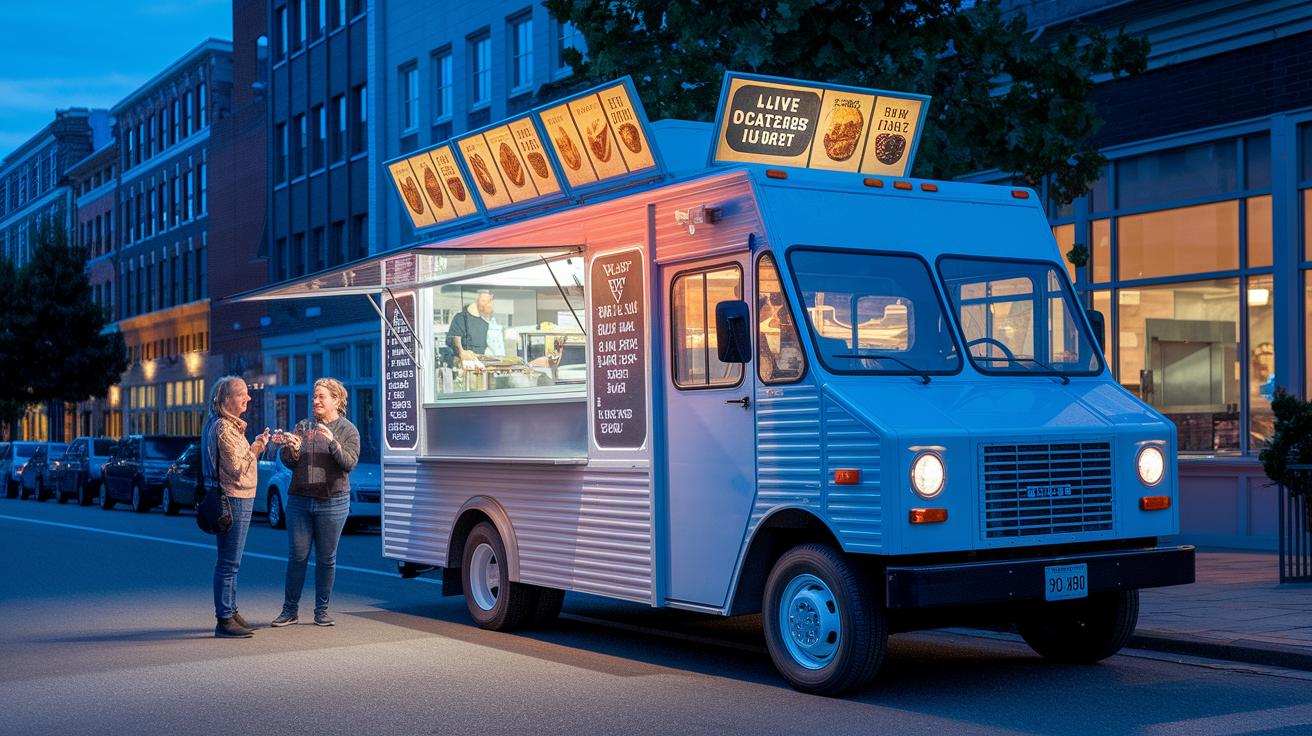
Food trucks must stay active online to build customer awareness and loyalty. Many vendors keep their followers engaged by sharing daily updates, simple yet vivid food photos, and live location pins that tell fans exactly where to find them. This digital boost turns one-time visits into a community of regulars.
Instagram and Real-Time Updates
Food trucks frequently post between 3 and 5 times a day on Instagram and Twitter. They use Stories to share quick location alerts and run smart hashtag campaigns that keep the buzz going. They also team up with local influencers and use geo-filters to reach new customers. For example, a vendor might share a mouth-watering snapshot tagged with "streetbites" to invite food lovers to try out a new menu twist.
Interactive Digital Menus and QR Codes
Many food trucks now offer QR-code menus that let customers view orders and see special offers right away. These digital menus work with contactless ordering systems to shorten wait times and boost real-time tracking. Vendors can check which specials perform best and which items make people come back. Likes, shares, and click-through rates guide them in fine-tuning their online strategy so that every post helps drive more foot traffic.
Sustainability and Local Sourcing Trends in Food Truck Operations
Food truck owners are building partnerships with local farms to offer fresh, nearby ingredients. Many trucks clearly mark these ingredients on their menus by noting local sourcing and seasonal produce. For example, a menu might highlight a garden salad made with vegetables straight from local farms. This clear approach earns trust from eco-friendly diners and helps them choose wisely.
A growing number of trucks are turning to eco-friendly packaging like biodegradable containers and compostable utensils to cut down on waste. Recycling programs and waste-reduction plans are now common. This clean, green method supports sustainability and sends a strong brand message to customers who value efficiency and low-impact practices.
Sales of healthy menu options, like salads and grain bowls, have climbed 25% in the past two years. This trend shows that diners are shifting toward health-focused meals made with fresh, local ingredients. By combining farm-to-truck practices with smart packaging and waste management, food trucks can win over and keep a loyal, eco-aware customer base.
Pricing, Value, and Affordability Trends for Food Trucks
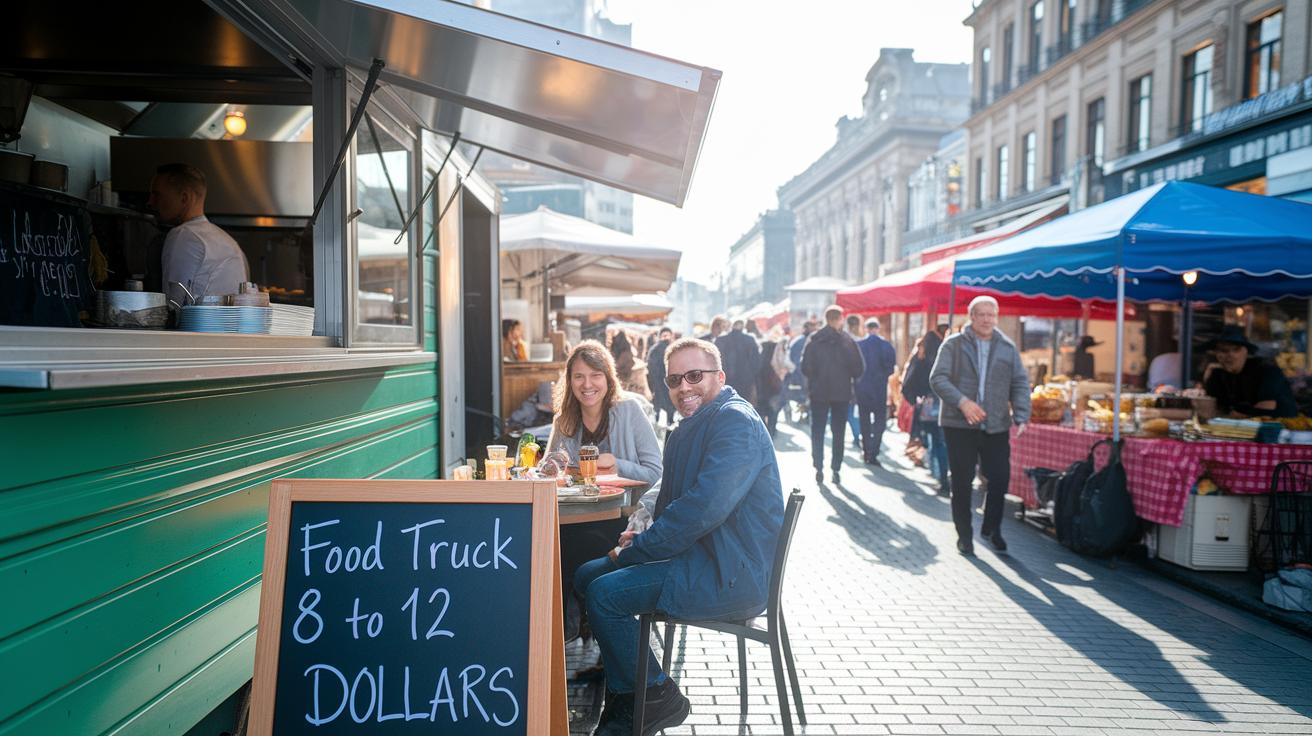
Food truck owners are adjusting their prices to match what people expect. Diners notice that food trucks charge about $8–$12 per meal, which is lower than the $15–$25 at regular restaurants. This range means you can enjoy a quick, tasty bite without spending too much while still getting quality ingredients and creative dishes. Affordable combos and special deals draw in customers who want a delicious meal on the go.
| Price Tier | Price Range | Perceived Value |
|---|---|---|
| Budget | $5–$8 | Entry-level grab-and-go |
| Standard | $9–$12 | Balance of quality and cost |
| Premium | $13–$18 | Upscale street-food experience |
Many food trucks also use flexible pricing to match busy times. In crowded areas or at busy events, they may raise prices to keep up with demand. Quick deals and time-limited offers create a sense of urgency, urging customers to take advantage of a discount. This approach helps balance the number of sales with good profits. By keeping an eye on spending habits and offering tailored specials, food truck owners stay competitive while providing great value. This flexible pricing lets them quickly update menus and promotions to meet the expectations of today’s fast-moving, budget-conscious diners.
Personalization and Customer Engagement Trends in Food Trucks
Food truck customers appreciate when their orders feel personal. By letting diners choose their spice levels, toppings, and more, every meal is built just for them. This approach not only makes each visit special but also builds trust and keeps customers coming back.
Customizable Orders
Many food trucks now offer build-your-own bowls and various protein or spice choices. This gives customers the freedom to design meals that suit their tastes and dietary needs. At the same time, vendors get clear feedback on what flavors work and what new ideas to try.
Loyalty Programs and Feedback
Simple rewards like punch cards, mobile deals, and SMS surveys are making a big impact. Research shows these tools can boost customer loyalty by about 20% when buyers earn free extras with repeat visits. Real-time ratings and feedback let staff tweak recipes and presentation quickly.
Overall, blending personalized orders with easy loyalty rewards helps food trucks fine-tune their menus and service. This smart mix builds strong customer ties and fuels steady growth, turning casual visitors into regular fans.
Final Words
In the action, we explored flavor diversity, rapid service, social engagement, local sourcing, smart pricing, and personalized service. These trends create the playbook for what consumer trends make a food truck successful. Each signal shapes menu choices, operational tweaks, and marketing approaches that keep food trucks competitive and customer-focused.
Every element we covered gives a clearer picture of daily decisions that contribute to success. Rely on these insights to keep your mobile kitchen agile and growing. Stay positive and let trends drive your next move!
FAQ
How did food trucks get their start?
Food trucks got their start by evolving from simple street vendors into mobile kitchens offering diverse, accessible meals in urban settings. Their early models paved the way for today’s popular food concepts.
What consumer trends make a food truck successful in 2022?
Food truck success in 2022 centers on quick service, flavor diversity, eco-friendly sourcing, and strong social media engagement. These elements match modern tastes and value-focused dining expectations.
What has changed for food trucks in the last 5 years?
In the past five years, food trucks have embraced technology, updated menus with global influences, adopted contactless payments, and shifted toward sustainable practices to better serve shifting customer preferences.
Name 3 unique food ideas or concepts offered at food trucks.
Unique concepts include fusion dishes like Korean-Mexican tacos, gourmet twists with upscale sliders and truffle fries, and seasonal plant-based innovations that keep menus fresh and exciting.
How does going mobile exemplify a lean business model?
Going mobile showcases a lean business model by lowering overhead costs and operating with minimal staff. This flexibility allows food trucks to use cost-effective ingredients and adapt quickly to market needs.
What are the trends in sales for food trucks?
Sales trends show consistent growth driven by affordable, value-based menu options, dynamic pricing at events, and convenience-focused service, which together boost overall revenue and customer satisfaction.
What makes a food truck successful?
A food truck thrives by combining innovative menus, fast service, active digital promotion, and eco-friendly practices to meet customer expectations, ultimately building a loyal base of repeat visitors.
How to attract customers to your food truck?
Attracting customers relies on active social media updates, real-time location alerts, creative and customizable menu offerings, and engaging loyalty programs that encourage repeat visits.