

Get ready for a food shift. New tech is changing how we grow and enjoy food. Over 5,000 startups are introducing smart tools like AI (artificial intelligence) and robotics. These ideas are shaking up old kitchen rules. With rising food demand and tougher safety rules, innovations like these are moving fast. That change means tastier meals, less waste, and healthier options for you. The future of food is here, mixing great taste with smart tech.
Trends in Food Technology: Tasty Innovations Ahead
Food technology is changing how we grow, handle, and enjoy food around the world. A review of over 5,065 startups shows fresh ideas emerging at every step, from production to digital management, to meet changing tastes and higher safety standards. With food demand set to spike 60% by 2050, the sector must use smarter, more sustainable practices. Today’s consumers expect clear information and speedy service, pushing food makers to upgrade old methods with new technology.
New solutions are cutting food waste, clarifying the supply chain, and tailoring nutrition to individual needs. Environmental worries and shifting preferences drive companies to adopt tools that boost safety and efficiency while offering healthier options. Many are now using smart tech like AI (artificial intelligence that learns and makes decisions) and robotics to speed up production and trim costs while keeping quality high. Digital food management systems convert raw data into practical advice that helps both kitchen operators and diners.
Options to watch:
- Alternative proteins: Companies are exploring lab-grown meat, plant-based options, edible insects, and mycoprotein to offer sustainable protein.
- 3D food printing: Precise printing methods create custom meals with unique textures and flavors.
- Robotics in production and service: Automated systems and robotic assistants improve speed and consistency in food processing.
- AI-driven digital management: Smart software uses data and artificial intelligence to fine-tune kitchen operations and handle inventory.
- Sustainable farming and packaging: Eco-friendly farming techniques and innovative packaging work together to cut waste.
Automation and AI-driven Advancements in Food Technology

Automation and AI are changing how we keep food safe. Irish startup Food Guard uses an automated HACCP system to spot hazards fast, while ThisFish offers seafood traceability software. Both tools cut down on mistakes and help labs meet safety rules. This smart tech means food processors can tackle quality issues before they slow down their supply chains.
Robots are also taking on routine tasks in food production and service. Bear Robotics has self-driving service robots, and ROBOEATZ runs kitchens with AI. They handle jobs like delivering orders, tidying up quickly, and even tweaking cooking steps on the fly. This shift lets chefs focus on creating new dishes while machines handle the repetitive work.
Data-driven management is making kitchens run smoother. Digital food-management systems are set to grow from USD 4.04 billion in 2024 to USD 14.63 billion by 2032, with a steady annual increase of 17.45%. Restaurants are now using AI to track stock and predict what they need next. This update not only streamlines the workflow but also supports the digital transformation in restaurant operations (read more at this link).
Rise of Alternative Proteins and Plant-based Trends in Food Technology
Food tech is changing fast. Startups are racing to bring new kinds of protein that are healthier and kinder to our planet. They are moving away from old methods by experimenting with lab-grown meat, plant-based foods, edible insects, and mycoprotein. These fresh ideas promise safer proteins and a smaller environmental impact.
Cultured meat and mycoprotein
Lab-grown meat and mycoprotein are on the rise. For example, The Protein Brewery has created FERMOTEIN, a protein-packed product that mimics meat but contains just 10% fat. This breakthrough could shrink the carbon footprint of traditional meat farming. It offers a quick and clean way to produce protein that modern consumers can trust.
Edible insect proteins
Using edible insects as a protein source is catching on. Startups like JORS are turning food waste into high-protein insect formulas that help fight food shortages. This method not only cuts down waste but also strengthens circular food systems by reusing byproducts in smart ways.
Precision fermentation innovations
Controlled fermentation is playing a big role in next-generation proteins. Entrepreneurs are using precise fermentation processes to create ingredients that boost both taste and nutrition. These methods result in consistent, scalable outputs and make it easier to produce natural, plant-based products. Investors and food innovators see real potential in this approach.
3D Food Printing and Packaging Design Innovations in Food Technology
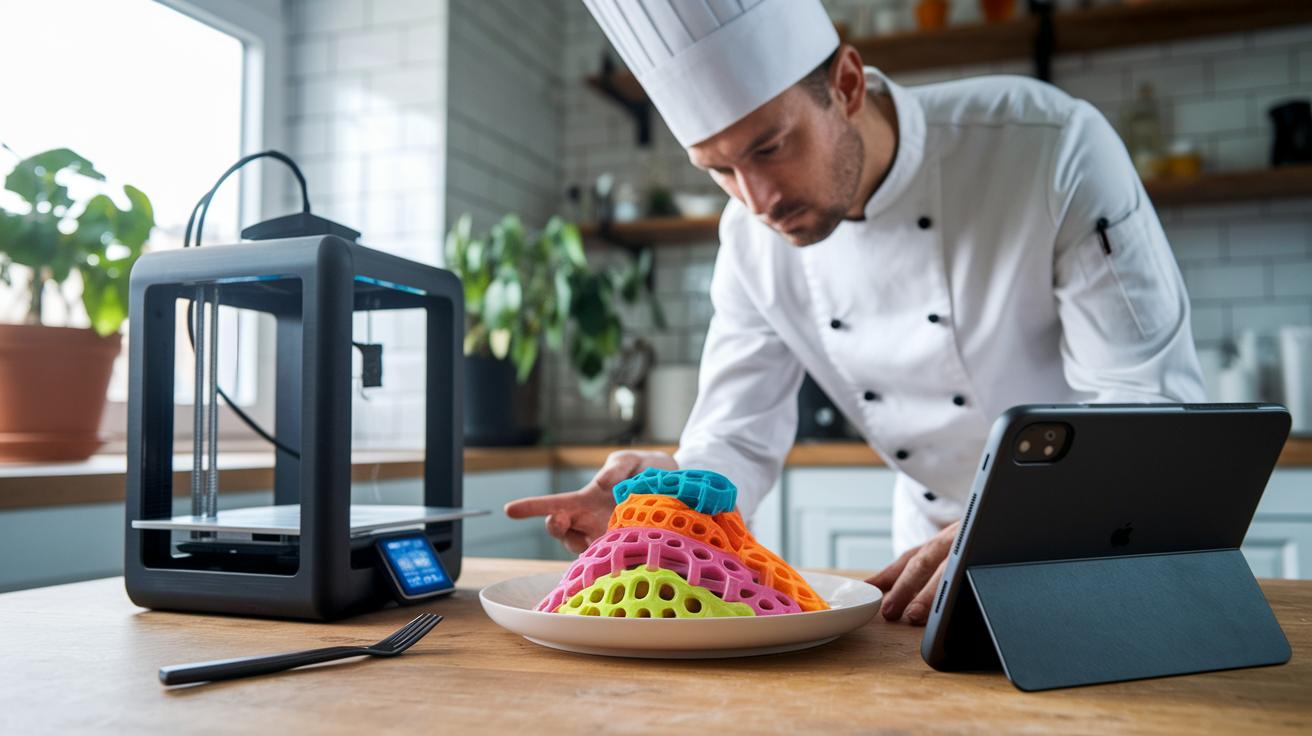
Modern 3D printing and smart packaging are changing the game in food technology. Chefs are now able to design personalized dishes that pack a punch in flavor, reduce waste, and save time. These advances mix custom printing machines, smart recipe software, and special materials to create textures and tastes that fit today's trends.
3D Food Printing Technologies
New printing tools make food preparation more exact. For example, the Israeli startup SavorEat uses its own 3D printing process to make plant-based meat alternatives that taste great and are kinder to animals. Meanwhile, Spanish firm COCUUS is busy developing bioinks with 2D and 3D laser printing techniques to craft unique textures and pinpoint nutritional profiles. These systems blend advanced hardware with easy-to-use software that lets kitchens try out fresh ideas for their menus.
Intelligent and Edible Packaging Designs
Packaging is getting an upgrade too. Companies are now creating packaging that you can even eat and that comes with sensors built in to monitor freshness and quality. New compostable films and wrappers with smart sensors check food during storage and transport. This not only cuts down on single-use plastics but also makes food products look and feel more sustainable and appealing.
Digital Supply Chain and Cloud-based Logistics in Food Technology
Cloud platforms and IoT are powering new levels of efficiency in food supply chains. For example, businesses can now use systems like Byte Elephant's customizable e-commerce platform to handle orders for multiple brands and locations in one cloud setup. IoT sensors provide real-time updates, tracking produce from farm to table while ensuring quality and clear provenance.
Automated tools, such as HACCP systems (which help keep food safe) and seafood traceability, work hand in hand with these cloud solutions. This digital integration cuts down on mistakes and boosts monitoring. By linking these technologies into one seamless network, food companies create a data-rich process that leaves old practices behind.
| Segment | 2025 Projection (USD) | 2030/2032 Projection (USD) | CAGR (%) |
|---|---|---|---|
| Digital Food Management Market | 4.04 B (2024) | 14.63 B (2032) | 17.45 |
| Food Safety Testing Market | 25.33 B (2025) | 36.25 B (2030) | 7.43 |
Biotech and Nutraceutical Developments in Food Technology

People are looking for food that not only tastes good but also keeps them healthy. New biotech techniques are making this possible. The nutraceutical market is growing fast. It is expected to reach USD 513.27 billion by 2025 and USD 657.89 billion by 2030, with a steady growth rate of 5.09%. Food companies are investing in technologies that boost product safety and effectiveness.
Innovative startups are making waves by using biotech to create next-generation food. For example, Farmhand Organics makes fermented foods packed with probiotics to support gut health. Meanwhile, Voll Sante develops food formulations that improve nutrition. They use precision fermentation, which changes raw ingredients into products that match the new demands of shoppers.
Personalized nutrition is also on the rise. Companies like NGX offer DNA-based meal shakes, and Sova Health uses blood tests to tailor diets to individual needs. These services mix science with everyday eating, helping people match their meals to their unique health profiles.
Market Forecasts and Future Directions in Food Technology
Food demand around the world is set to grow by 60% by 2050. This increase will push farmers and production systems to work harder. Companies are shifting their investments toward areas like artificial intelligence, alternative proteins, and precision nutrition (using exact data to tailor diets). More startups are teaming up with larger firms to combine technical skills with swift market moves. This trend shows that smart use of predictive analytics and big data is key to managing risks and building a smoother food supply chain.
Investors and industry leaders are now relying on clever analytics to guide their choices. With advances in predictive tools, food technology companies can better anticipate market shifts and track what consumers want. These insights not only boost daily operations but also draw substantial funds to sectors where sustainability and tech work well together. Focusing on precision nutrition and lab-grown foods highlights the industry's push to address health and environmental issues through solid, data-supported methods.
Experts like Hadar Sutovsky point out that green practices and technology are the backbone of a resilient industry. Moving forward, food technology will blend digital innovations with eco-friendly strategies. This mix is set to lead the way to smarter production, efficient distribution, and a competitive edge for the whole sector.
Final Words
In the action, trends in food technology are reshaping kitchens and dining experiences. The article broke down topics from automation and AI solutions to alternative proteins, 3D printing advances, cloud-based logistics, and biotech developments. Each section highlighted how tech is driving safety, efficiency, and sustainable practices while addressing rising food demand. Stay alert to these trends in food technology and be ready to adapt. The future is bright, and smart decisions today can bring promising results for every restaurant.
FAQ
What resources are available on food technology trends (PDFs, essays, etc.)?
The resources include detailed PDF reports and essays that explain current food technology innovations, presenting insights into developments and shifts that help both researchers and industry professionals stay informed.
What are the food technology trends in recent years, like 2022 and 2023, including top trends?
Recent trends highlight alternative proteins, automation, and 3D food printing. These trends underscore a growing focus on sustainability, improved safety protocols, and the use of data-driven solutions in the food sector.
What are the current trends in food science, technology, and the broader food industry?
Current trends combine digital supply management, personalized nutrition, and robotics. These shifts help the industry address consumer demands and environmental challenges while boosting efficiency and product innovation.
What is the latest technology in the food industry, and what innovations are expected around 2026?
The latest technology features AI-powered kitchen systems, cloud-based logistics, and smart packaging. Looking ahead to 2026, advancements such as precision fermentation and enhanced automation are expected to reshape food production.
What emerging food tech innovations are shaping the industry now?
Emerging innovations include 3D food printing, personalized nutrition solutions, and sustainable farming techniques. These developments aim to meet growing global food demands and respond to environmental challenges effectively.