

Do you really know where your food comes from? The food world is changing fast. Farmers and food makers are trying new ways to protect our planet and help local communities. New rules and smart technology are guiding these changes, which means you have clearer choices at the grocery store or restaurant. This shift not only makes supply chains work better but also builds stronger bonds between those who grow our food and those who eat it. Read on to see how eco-smart choices are changing our meals in 2024.
Key Drivers of Sustainable Food Trends in 2024
Food makers are working hard to cut their environmental footprint while boosting benefits for communities and economies. More diners now care about how food is grown, made, and wasted. As a result, they are looking for options that protect the planet and support local areas.
New rules, like the EU Deforestation Regulation coming in 2025, are urging companies to fix their supply chains and source ingredients responsibly. Many businesses are leaning on sustainability technology because of their ESG goals (environmental, social, and governance) and efforts to manage risks. This change not only makes food production clearer but also builds trust with consumers.
Artificial intelligence is also helping build supply chains that are clear and strong. Food producers are speeding up their innovations and changing how they work step by step. This push for cleaner production helps cut waste and save resources, giving companies a real edge in today’s market.
- More customers are demanding eco-friendly products.
- New EU rules are pushing companies toward greener supply chains.
- Business commitments to ESG are sparking more sustainable practices.
- Better risk management is making supply chains less vulnerable.
- AI tools are boosting transparency and helping in sustainable choices.
Regenerative Farming Practices Shaping Sustainable Food Trends
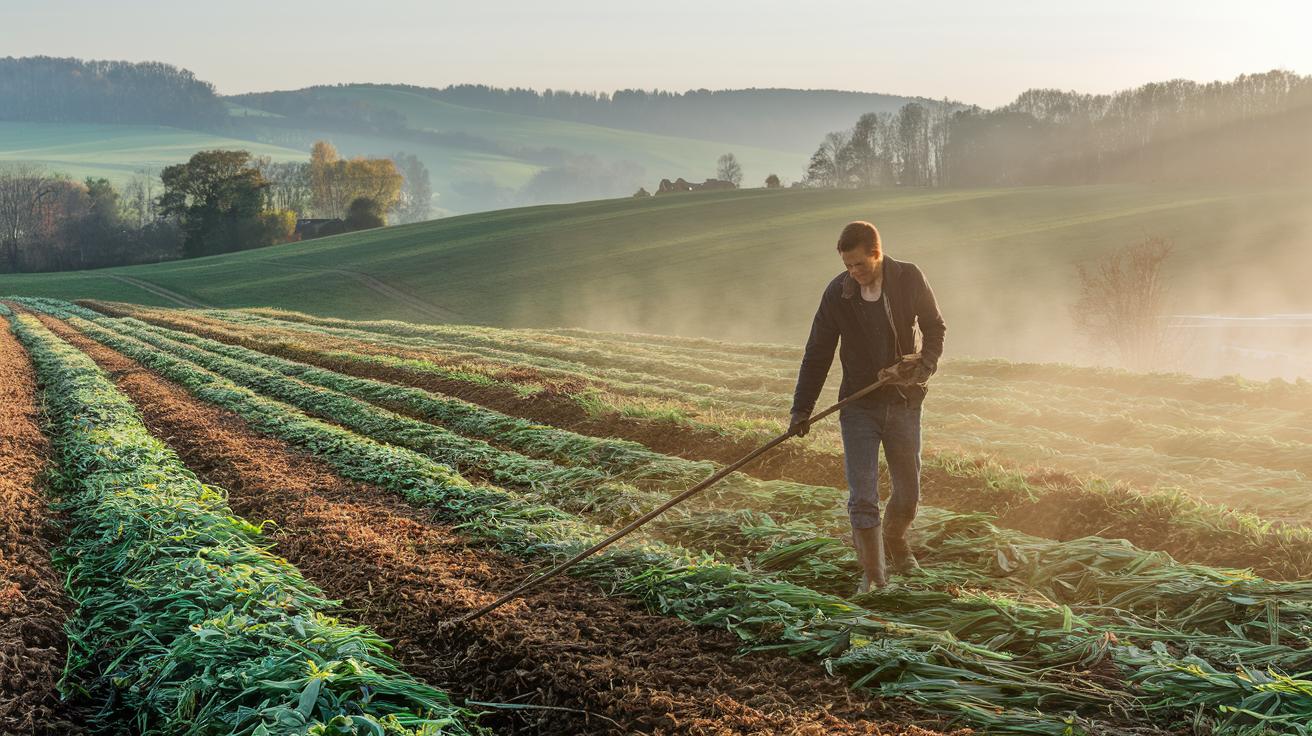
Farmers are turning to simple methods like rotating crops, using cover crops, and cutting back on tilling to freshen up their soil and boost plant life. They mix grains with legumes, for example, to naturally add nitrogen. This practice works like giving the soil a fresh start. It also helps trap carbon from the air, meaning fewer greenhouse gases. Using a variety of grains, including local types, even spices up menus while making nature tougher.
These soil-friendly steps build a roadmap for crops that can handle changing weather. When farmers use cover crops, they not only stop erosion but also keep weeds in check. This means more reliable harvests and a steadier food supply. In short, regenerative farming ties a healthy environment directly to the food on our plates, showing that sustainable choices can be simple and effective.
Plant-Based Progression and Alternative Proteins in Sustainable Food Trends
Food companies are shaking things up by switching to plant-based choices and whole foods that help lower their carbon footprint. Diners looking for cleaner, greener meals are urging restaurants to update their menus. This trend fits with a growing vegan lifestyle where simple ingredients deliver bold flavor.
New technology is driving this shift. Lab-grown meat (cultivated meat) promises to meet our protein needs without the high emissions of traditional farming. Sustainable seafood is also on the rise as improved fish farming methods and clear certification help protect ocean life. Meanwhile, age-old grains are making a comeback, adding variety and boosting crop diversity.
Restaurants are rethinking their menus to serve eco-friendly customers. Chefs mix modern alternative protein options with classic ingredients like ancient grains to craft dishes that are both sustainable and packed with flavor. This approach cuts environmental impact and introduces diners to fresh tastes and textures. The move signals a practical step toward a future where good food and planet care go hand in hand.
Circular Economy and Waste Minimization Tactics in Sustainable Food Trends

Food businesses are changing the way they work to save resources and cut waste. Many cooks now use methods like nose-to-tail (using every part of meat) and root-to-stem (using every part of vegetables) cooking to ensure nothing goes to waste. Traditional preservation and fermentation techniques not only keep food fresh longer but also add surprising flavor boosts. This means kitchens can serve bold dishes while keeping waste low.
Circular economy ideas are also turning heads in the kitchen. By focusing on reducing, reusing, and recycling, restaurants can lower costs and shrink their environmental impact. This approach lets chefs turn leftovers and by-products into new dishes, manage storage better, and even craft menus built around minimizing waste. These practical moves make it easier for kitchens to run green and win over eco-minded diners.
- Prepare exact portions to cut down on excess waste.
- Use nose-to-tail and root-to-stem cooking methods.
- Rely on fermentation and preservation to extend food life.
- Donate extra ingredients to community food programs.
- Design menus that focus on cutting waste.
- Recycle by-products into fresh culinary creations.
For further reading on waste-free menu design, see zero waste menu development strategies.
Tech and Transparency: Innovations Driving Sustainable Food Trends
New technology is making it simple for both shoppers and food businesses to know how food is grown, processed, and delivered. Tools like smart packaging sensors and QR codes let buyers check a product's origin and eco-claims immediately. At the same time, food-tracking apps help kitchens monitor waste and manage stocks. This transparency not only builds trust with diners but also helps operators adjust supplies and reduce costs. Innovations like drone monitoring and precision agriculture use sensors that check soil moisture and nutrients, which means farmers can use water and chemicals more wisely.
Digital tools are also reshaping how companies report on environmental impact. AI-powered ESG platforms now give clear insights into complex supply chains to help food businesses meet new rules and catch risks early. Soon, clear environmental labels could become the norm. By embracing renewable agtech, the food industry can use resources smarter and improve traceability, ensuring every step in the process is responsible.
| Tech Innovation | How it’s used | Benefit |
|---|---|---|
| Smart Packaging | Real-time tracking of freshness | Cuts spoilage waste |
| Food Tracking Apps | Sourcing data for ingredients | Improves supply chain transparency |
| Precision Agriculture | Soil and moisture monitoring | Enhances smart resource use |
| AI-ESG Platforms | Supplier risk analysis | Boosts regulatory compliance |
Farm-to-Table Movement and Local Sourcing Impact on Sustainable Food Trends

Restaurants and food businesses are teaming up with small family farms to bring fresh, local ingredients to your plate. By cutting long-haul food miles, this approach means produce is picked right when it's at its best. Local chefs are also embracing urban gardens and rooftop farms. These partnerships not only serve up ultra-fresh food but also strengthen community ties. A handy tip: check out farm-to-table menu ideas to boost your own sustainable sourcing.
Local sourcing builds a stronger, more resilient food network. It reduces the need for long trips and supports nearby economies. Neighborhoods are now creating micro-farms that supply regular, seasonal produce to kitchens. This shift helps both producers and restaurateurs by cutting waste and protecting the environment.
Community Supported Agriculture, or CSA, takes local sourcing a step further. This model directly connects diners with farmers, sharing both the risks and rewards. It increases accountability and turns consumer demand into real support for local growers. In the end, every meal becomes a celebration of local flavor and community heritage.
Organic Future Predictions and Policy Reforms in Sustainable Food Trends
More people are choosing organic and non-GMO foods as they steer clear of synthetic pesticides and harmful chemicals. Experts say that this shift will shape a market focused on healthy soil and careful use of resources. Farms are updating their techniques and following stricter rules. New third-party certification standards are making buyers trust the produce more. One local chef said, "I now source produce verified by updated certification benchmarks because it gives my customers peace of mind." These changes point to a future where accountability is key in organic farming.
New agriculture policies will soon change how food is sourced. For instance, the EU Deforestation Regulation (2025) asks companies to lower their carbon footprints and protect essential resources. Experts expect rules like detailed audit trails and smart labeling to make organic sourcing even more transparent. Soon, food businesses around the globe will need to adjust their practices to these new standards. This shift aims to build an organic food system that pairs environmental protection with clear certification, ensuring a safer choice for everyone.
Final Words
In the action, the blog highlights key drivers behind our ever-changing food scene. From regenerative farming and plant-based progress to tech innovations and local sourcing, restaurateurs can gain a clearer picture of how to adapt and thrive.
Attention to eco-friendly regulations, community-supported models, and zero-waste tactics shows that sustainable food trends can boost both profitability and planet care. Embracing these insights sets the stage for bright days ahead in the restaurant industry.
FAQ
What are the sustainable food trends in 2025?
The sustainable food trends in 2025 include eco-friendly practices, better tech for signal supply chain transparency, and a growing focus on plant-based and locally sourced options.
What is the biggest trend in sustainability right now?
The biggest trend in sustainability right now centers on responsible consumption, which pushes companies to reduce waste and adopt clear, eco-friendly supply chain practices.
What are the 4 pillars of food sustainability?
The four pillars of food sustainability include eco-friendly production methods, waste reduction strategies, local sourcing and support, and the use of technology to boost transparency and efficiency.
What are the future trends in food?
The future trends in food emphasize regenerative farming, plant-based innovations, tech-driven supply chain oversight, and practices that curb waste while supporting local economies.
What current food trends are influencing the global food industry?
The current global food trends are marked by moves toward sustainable production, regenerative farming practices, alternative proteins, waste reduction tactics, and smart technology in food sourcing.