

Ever wonder if your meals could help the planet? More people are picking foods that save water, trim waste, and back local farms. These new choices taste great and work hard to keep our soils rich and communities strong. In this review, we share three standout products that prove ethical eating can make our world healthier and our neighborhoods thrive.
Understanding Sustainable Food Products and Their Benefits
Sustainable food products come from farming and production methods that protect nature while boosting local communities. They are grown using techniques that cut waste and lessen pressure on our natural resources. More people care about where their food comes from and want options that taste good and help the planet. This trend has producers turning to clean ingredients and farming practices that keep soil healthy and use less water.
Examples of eco-friendly foods include plant-based pulses, ancient grains, and upcycled ingredients. For instance, beans and lentils offer vegan-friendly protein along with fiber, and they also help reduce carbon footprints. Ancient grains like millet and spelt add variety to our diets while thriving in sustainable conditions. Upcycled ingredients are made from food byproducts, cutting waste and sparking creative, eco-friendly solutions. Together, these choices show that eating well can also be a responsible choice.
Sustainable food products pave the way for healthier eating habits and stronger communities by lowering environmental impact and promoting social benefits.
Certifications and Benchmarks for Sustainable Food Products

Food certifications show you that a product was made with care for the planet and its people. These marks mean the food is produced with methods that cut down on harmful chemicals, care for animals, and ensure fair pay for workers. When you see these labels, you know you’re supporting a food system that benefits both nature and local communities.
Labels on packages make it easy to spot sustainable choices. Look for marks that tell you a product has passed tough tests and audits. These benchmarks set clear standards from the farm all the way to your table. With trusted organizations backing these standards, you can shop confidently for items that help build a healthier environment and fairer food system.
USDA Organic Certification
This label shows that products are grown without synthetic fertilizers or pesticides and are checked every year to keep on track with organic practices.
Non-GMO Project Verification
This mark means the product has been tested to ensure it does not contain genetically modified ingredients.
Fair Trade Certification
This label confirms that workers earn fair wages and that the community benefits from ethical trading practices. It also means the supply chain is transparent.
Certified Humane
This mark guarantees that products meet high animal welfare standards. Regular checks help keep animals treated well throughout production.
| Certification | Scope | Certifying Body | Key Criteria |
|---|---|---|---|
| USDA Organic | Strict organic practices | USDA | No synthetic inputs; annual audits |
| Non-GMO Project Verified | Genetic modification testing | Non-GMO Project | Absence of GMO |
| Fair Trade Certified | Ethical labor and community standards | Fair Trade | Equitable wages and transparency |
| Certified Humane | Animal welfare standards | Certified Humane | Regular inspections; humane treatment |
These certifications guide you to make choices that are good for your health, kind to the planet, and supportive of fair practices across the food chain.
3 sustainable food products brighten Earth futures
More and more people want foods that boost health and protect the planet. Ethical food brands are now blending great taste with eco-friendly methods to give us organic foods that are both good for us and gentle on the earth. These makers show clear origins and use green production methods that meet growing consumer needs.
- Pulses: Beans, lentils, and chickpeas pack protein, fiber, vitamins, and minerals. They work well in vegan meals and help keep the food system low-impact.
- Oats: This whole grain is full of fiber, protein, iron, and magnesium. Oats support heart health and maintain a balanced diet.
- Quinoa: With complete protein and vital micronutrients, this gluten-free seed is a smart pick for varied diets.
- Upcycled foods: By turning food leftovers into new dishes, these products cut waste and spark creative menus.
- Sweet potatoes: Loaded with vitamins A and C, potassium, and manganese, they help keep energy levels up and support overall well-being.
- Seaweed: This ocean plant is rich in essential minerals and supports healthy marine ecosystems.
Ethical brands push these eco-friendly options by using clear sourcing and focusing on local communities. With choices like these, you get nutrient-packed meals that shrink your ecological footprint and help build a healthier food system.
Sourcing Practices and Supply Chain Transparency for Sustainable Food Products

Food producers are embracing climate-friendly sourcing and farm-to-table traceability. They now track food from the farm to your plate to cut emissions, support small growers, and build trust by ensuring fair labor practices and responsible production.
Innovative farmers are turning to regenerative farming that restores soil health, locks carbon in the ground, and boosts ecosystem diversity. These methods help fix the environment while creating a stronger food system. Farms become partners in the fight against climate change by lowering the food supply's overall carbon footprint.
Working with local farms boosts supply chain clarity. Sourcing ingredients from nearby growers cuts transportation emissions and supports local economies. This approach connects consumers directly with the origin and journey of their food, building trust and fostering community-based practices.
Together, climate-friendly sourcing, regenerative agriculture, and local partnerships make the supply chain more transparent. This mix not only brings environmental benefits by reducing emissions and improving soil health but also builds community trust in food production. Each step shows how ethical sourcing can help create healthier communities and a greener planet.
Environmental and Health Impacts of Sustainable Food Products
A study in 2021 found that diets rich in plant-based foods can drop yearly carbon emissions by nearly 30%. Farmers using less water and fewer chemicals are also making a difference. Recent figures show that low-impact farming improves air quality and cuts energy use. One report noted that swapping 25% of a regular diet for sustainable choices reduced local water use by 15%.
Local case studies show that nutrient-rich organic foods can boost health. For example, one cooperative found its members saw a 15% drop in cholesterol, along with better digestion and stronger immunity, after adding more organic produce. These findings prove that clean farming practices and nutrient-packed foods benefit both the planet and our well-being.
- Lower carbon emissions from plant-based production methods
- Better water and land conservation through smart agriculture
- Improved heart health, digestion, and immune support from organic foods
Practical Tips for Choosing Sustainable Food Products on a Budget
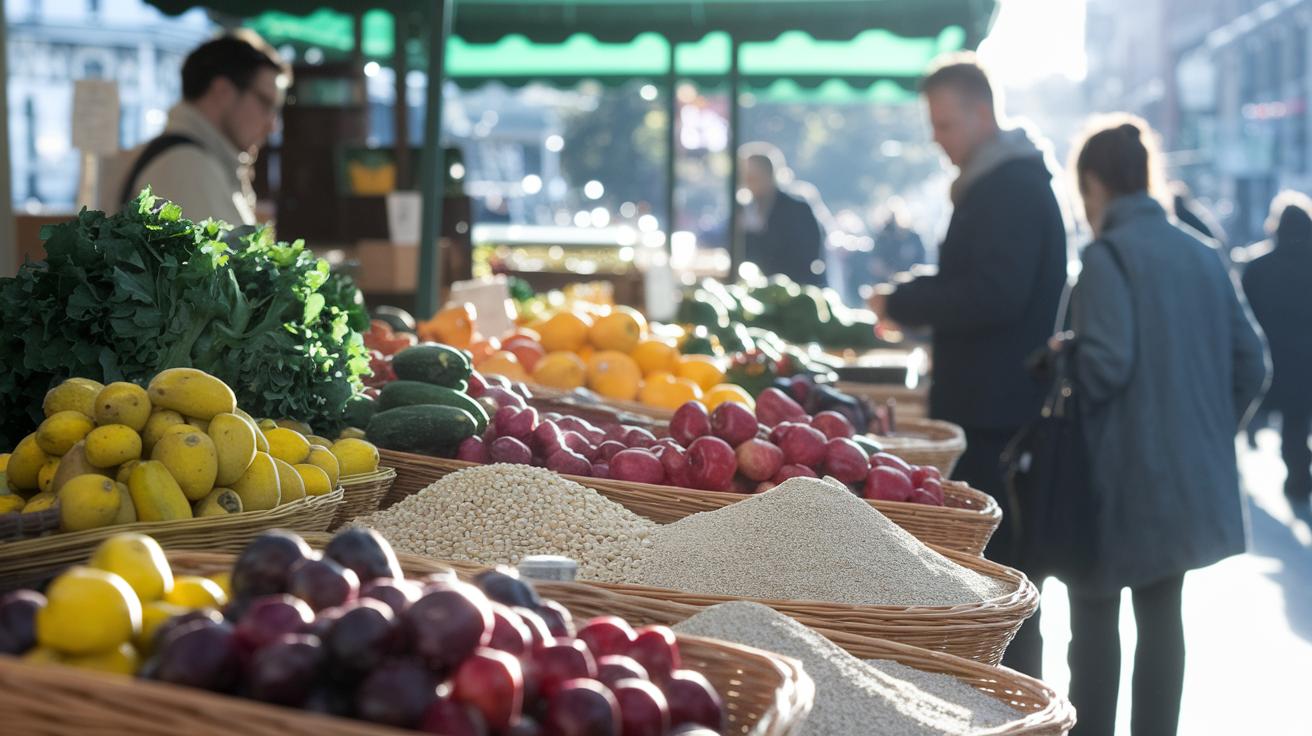
Smart sourcing is a simple way to eat sustainably without breaking the bank. Look for seasonal, local produce that costs less, supports nearby farmers, and cuts down on transport costs. Buying items like pulses and ancient grains in bulk not only saves money but also reduces waste. Planning your meals ahead and using an app to track food can help you avoid spoilage and get the most out of every purchase. These tips can save you money while helping to keep our food system eco-friendly and community-focused.
- Shop at local farmers markets or co-ops where seasonal produce is fresh, affordable, and helps local farmers.
- Buy bulk pulses, grains, and beans to pay less per unit and cut down on extra packaging.
- Choose upcycled food options from stores that discount items to prevent waste.
- Use meal planning tools to schedule your buys and avoid overbuying that causes spoilage.
Smart shopping on a budget helps build a sustainable food system that matters for our community and our planet.
Emerging trends and innovations in sustainable food products
Eco-friendly methods are changing how food gets to our plates while cutting waste and lowering emissions. Sensor-based packaging and real-time tracking help food last longer and stay safe. These smart ideas mix with new ways to use plant proteins and upcycle leftovers into tasty ingredients. Digital tools like AI (computer programs that learn and improve) are helping companies pick ingredients, make products, and market them more efficiently. This means the food system is getting smarter and ready for growing needs.
Smart Packaging and Food Tracking
Sensor-based packaging and real-time tracking help reduce waste by checking food freshness as it moves through the supply chain. This technology cuts spoilage and lets retailers adjust shipments based on live data. For example, a sensor might tell a store when food is near its best-before date, so they can change prices or reorder items on time.
Alternative protein and upcycled foods
New plant-based solutions are paving the way for sustainable protein. Researchers are turning food processing leftovers into healthy ingredients. These advances not only give you appealing vegan options but also use resources that might go to waste. This smart method helps manage ingredients better and cuts down on emissions.
AI-driven sustainable product development
Artificial intelligence is changing how food products are planned and made. By using data about ingredient sources and consumer habits, companies can perfect recipes, lower waste, and boost quality. AI tools speed up decision-making and help companies switch faster to greener methods.
These trends in technology and innovation are driving a new era of eco-friendly food. They combine clear environmental benefits with smarter operations for a healthier planet.
Final Words
In the action, the post quickly laid out how eco-friendly edible items, clear certifications, and smart sourcing build a greener kitchen. It broke down practical tips on budget-friendly choices and shared new trends from smart packaging to AI-driven innovation.
Small and midsize restaurateurs get a clear look at how these methods can boost menus and cut risks. The article leaves us with a clear path to serve more sustainable food products and ride the upcoming wave of industry progress.