

Ever wonder if one bean could boost your meals with extra flavor and nutrition? Soy has been a kitchen favorite for thousands of years and now fits perfectly into modern diets. You can enjoy smooth soy milk or firm, savory tofu that deliver protein and vitamins to power your day. These foods mix taste with nourishment, giving your cooking a fresh burst of energy. With its classic appeal and modern benefits, soy is a smart choice for anyone looking to eat better.
Soy food products: Delicious and Nutritious Options
Soy beans have been a trusted food for thousands of years. Cultivated since around 1100 BC in Asia, they were valued for their protein and nutritional benefits. Over time, soy spread to many cultures and became a key part of both time-honored dishes and modern fare. This long history shows just how versatile and essential soy can be.
Popular soy items include edamame, tofu, soy milk, tempeh, miso, and soy sauce. Edamame makes for a quick, healthy snack. Tofu, often called bean curd, soaks up flavors easily. Soy milk offers a creamy alternative for drinks and cereals. Tempeh has a nutty taste and a firm texture. Miso, a fermented paste, adds a rich depth to soups and sauces, while soy sauce lends a salty kick to many recipes. Each of these products brings its own style and flexibility to your meals.
Processed soy ingredients further boost cooking creativity. Soy oil is light and great for frying or dressings. Soy lecithin helps mix oil and water smoothly in dishes like mayonnaise and baked goods. Soy protein concentrate delivers high-quality protein, making it a favorite in recipes aimed at better health. These ingredients let cooks blend taste with nutrition, offering a range of easy options for every kitchen.
Nutritional Profile of Soy Food Products

Soy foods offer excellent protein quality that many people appreciate. They score between 0.91 and 1.00 on the Protein Digestibility Corrected Amino Acid Score, which means that foods like tofu, edamame, and soy protein concentrate provide all the essential amino acids. In fact, soy protein concentrate scores 0.99, better than beef’s 0.92, making soy one of the best plant protein sources available.
Soy also contains natural isoflavones that may lower breast cancer risk when eaten early in life. Added to that, the high fiber in soy supports heart health by helping maintain good cholesterol and smooth blood flow. This blend of benefits makes soy a smart pick for anyone looking for a heart-healthy legume option.
Take soy milk, for example. It’s often fortified with extra calcium and vitamin D to help build strong bones and boost overall health. Plus, soy naturally supplies key nutrients like iron and calcium, rounding out a versatile and tasty way to add more nutrition to your diet.
Recipe Ideas and Culinary Applications for Soy Food Products
Soy ingredients can turn everyday meals into creative and tasty dishes. They work great in savory soups, hearty stews, colorful stir-fries, and even smooth desserts. You can switch out traditional protein in your favorite recipes with soy options. Whether you love a warm bowl of soup or a cool smoothie bowl, soy adds a healthy boost and mixes up the texture of your meal. For example, soy curls soften up nicely to mimic meat in a vegan chick’n potato soup, while tofu fits perfectly in a veggie-loaded scramble.
| Recipe Category | Soy Product | Example Dish |
|---|---|---|
| Soups & Stews | Soy Curls | Vegan Chick’n Potato Soup |
| Stir-Fries & Salads | Tofu | Tofu & Vegetable Stir-Fry |
| Desserts & Beverages | Soy Yogurt | Berry Smoothie Bowl |
These examples show how soy can bring both excitement and simplicity to your cooking. Its neutral flavor lets it soak up spices and sauces, making it perfect for zesty tempeh dishes and bright bean curd recipes. Using soy not only boosts plant-based protein content but also adds a satisfying texture that fits many meals. Chefs and home cooks find that adding soy can refresh everyday recipes while keeping nutrition high.
For more creative ideas, check out this "quick and easy recipe ideas" collection.
Comparing Soy Food Alternatives

Soy products come in a variety of textures and flavors, making it easy to pick the right one for your dish. Tofu is soft with a plain taste, perfect for soaking up spices. Tempeh offers a firm bite and nutty flavor because it is fermented. Soy curls rehydrate into shredded pieces that mimic meat, and TVP adds a hearty, chewy feel. Soy flour, made by grinding whole soybeans, gives baked goods an extra protein boost.
| Product | Origin & Process | Texture | Ideal Uses |
|---|---|---|---|
| Tofu | Made from curdled soy milk, pressed into blocks | Soft and plain | Stir-fries, soups, salads |
| Tempeh | Fermented whole soybeans | Firm and nutty | Marinated dishes, hearty recipes |
| Soy Curls | Dehydrated soy pieces that are rehydrated | Shredded and meaty | Vegan chicken dishes, wraps |
| TVP | Defatted soy flour reconstituted with water | Coarse and chewy | Chili, burgers, sauces |
| Soy Flour | Ground whole soybeans | Fine and powdery | Baked goods, protein boost |
Each soy option gives you a creative way to add protein and texture. Try mixing soy flour into pancake batter for an extra boost, or add tempeh to a salad for a satisfying crunch. Whether you lean toward tofu's softness or TVP’s hearty chew, these soy alternatives can stand in for meat in many recipes. This guide helps you choose the best soy product to fit your cooking style and flavor goals.
Health Considerations and Allergies with Soy Food Products
Soy is among the nine major allergens in the US. Though soy allergies are not very common, over 70% of children allergic to soy grow out of it by age 10. This means many kids may eventually eat soy without any issues.
Reactions to soy can show up as hives, stomach upset, or even breathing problems like wheezing. Even though soybeans naturally do not contain gluten, products like miso, soy sauce, and some types of tempeh might have gluten added during processing. This can be a concern for people who must avoid gluten.
When shopping for soy products, check the labels carefully. Look for clear marks that say a product is both gluten-free and free from allergens. Taking the time to read ingredient lists helps you avoid unexpected gluten or other allergens, keeping soy a safe and healthy option for your diet.
Tips for Buying and Storing Soy Food Products
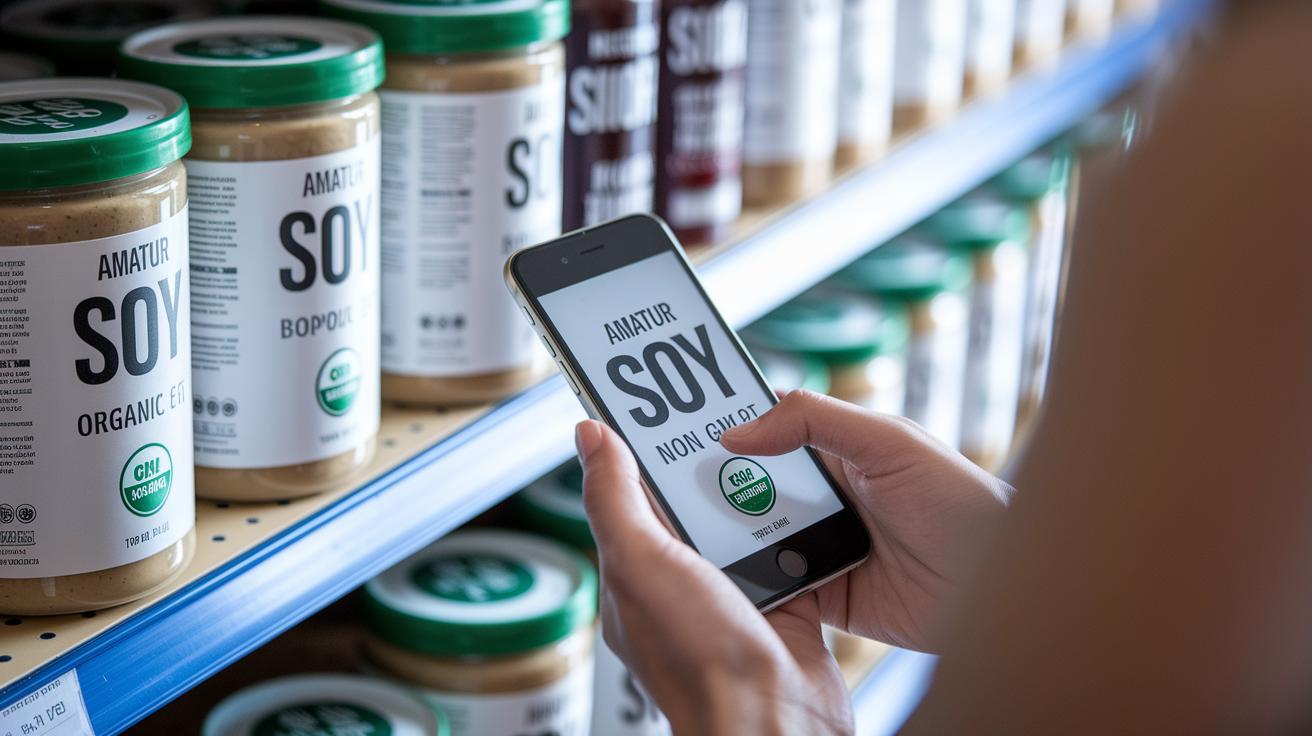
When you shop for soy foods, check the labels for words like organic or non GMO. These marks tell you the item has been made with care. Tofu and soy milk often show these labels, so you can trust the quality. If you spot "100% organic" on the package, it means the product comes from careful sourcing. You can also use guides like this resource to help you choose foods that are good for you and the planet.
Store fresh soy foods like tofu and soy milk in the fridge to keep them fresh. Miso and tempeh do best in airtight containers that lock in moisture and flavor. Dry goods such as soy flour and protein concentrate should be kept in a cool, dry pantry. These easy tips help your soy foods last longer while keeping their nutritional benefits.
Final Words
In the action, we explored the rich history and benefits of soy food products, from edamame to tempeh, and detailed their nutritional strengths. You read about protein quality, isoflavone effects, and the key micronutrients that keep these products healthy. Recipe ideas and smart comparisons help clarify which soy option best fits your kitchen. We touched on allergy risks and smart buying tips too. These insights aim to keep your menu fresh and your operations running smooth. Stay keen and keep serving up quality dishes.
FAQ
Q: What are some soy food products made from soybeans?
A: The list of soy food products includes tofu, soy milk, edamame, soy sauce, miso, tempeh, and also processed forms like soy oil and soy protein concentrate that show soy’s diverse uses.
Q: Which soy food products can support weight loss and are popular in the USA?
A: Soy products like tofu, edamame, tempeh, and unsweetened soy milk offer high protein and fiber, making them popular options in the USA for those seeking a balanced diet and weight management.
Q: Which soy foods should be avoided?
A: Some soy foods to avoid are those that are highly processed with added sugars, artificial ingredients, or excessive sodium, as these can reduce soy’s natural benefits when consumed in large amounts.
Q: Why is there concern that soy is bad for males?
A: The concern about soy affecting males stems from its isoflavones, which some worry might influence hormone levels, though research shows that moderate soy intake does not significantly impact male hormones.
Q: What are soy nuts?
A: Soy nuts are roasted or baked soybeans served as a crunchy snack, offering a good source of protein and fiber without the extra processing found in some other soy products.
Q: What food contains the highest concentration of soy?
A: Foods like soy protein isolate or soy protein concentrate contain nearly pure soy, providing a concentrated source of soy protein and nutrients.
Q: How can you avoid soy when eating out?
A: You can avoid soy by checking menus and ingredient lists, asking restaurant staff about soy-based additives, and choosing dishes that do not contain processed soy or soy sauce.
Q: Are eggs high in soy?
A: Eggs do not contain soy since they come from animals and lack soybean protein, making them a safe choice for those wanting to limit soy in their diet.