People
Secrets Of A Restaurant Chef: Spark Culinary Joy
By blakeharrington
January 24, 2026
Field Notes
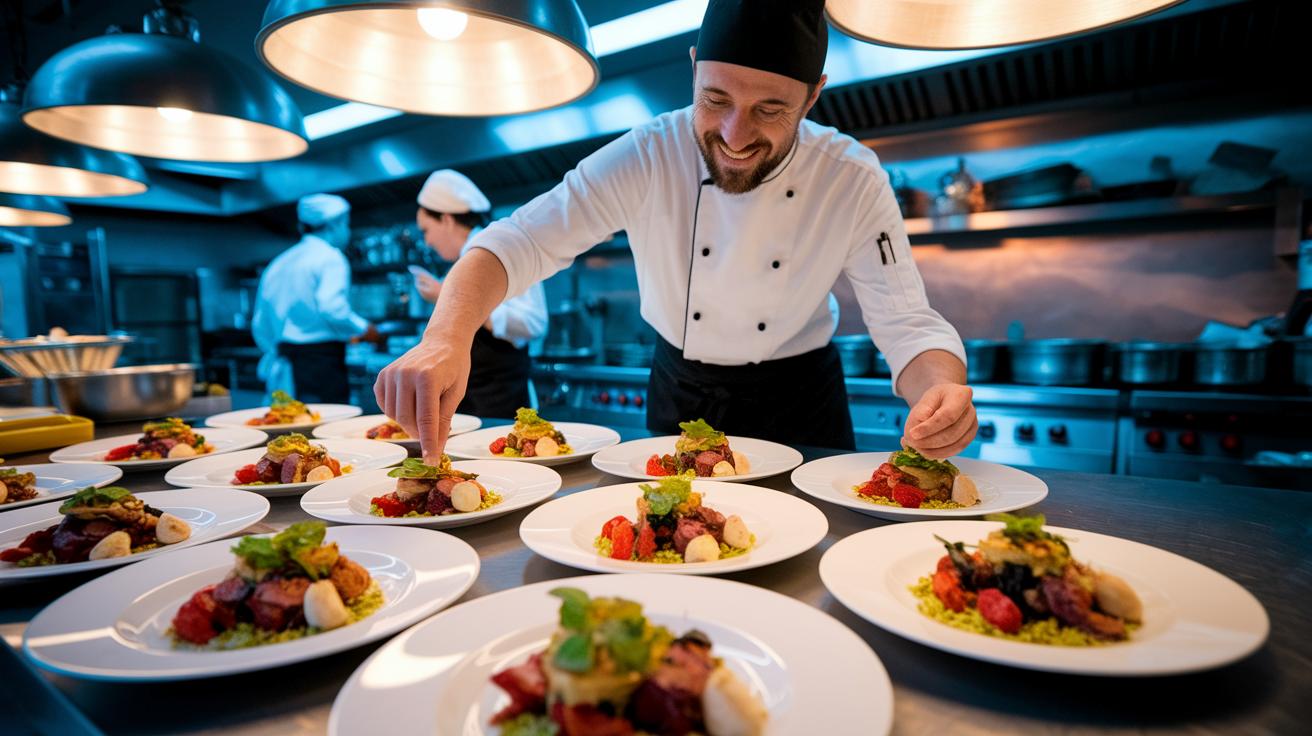
Ever wonder how restaurant meals pack so much flavor? There is a secret behind every great dish: a chef’s knack for clever preparation and bold seasoning. Chefs spend hours mixing simple ingredients like onions and garlic with just the right touch of salt or butter to create standout flavors. In this post, we offer easy tips and kitchen tricks that you can use at home. Get ready to add a bit of restaurant magic to your everyday cooking.
Essential Secrets from a Restaurant Chef for Home Cooks
Restaurant chefs put in a lot of work behind the scenes. They prep ingredients ahead of time and reheat or combine them as orders come in so that flavors blend smoothly. They also stick to strict hand-washing routines even if contamination is rare. Plus, diners can always ask for a remake if something doesn’t meet expectations. Many kitchens add extra salt and butter than typical home recipes to build a richer flavor.
Onions and garlic form the heart of many sauces, dressings, and marinades. These ingredients lay the groundwork for deep, layered tastes. Chefs often work late nights, weekends, and holidays to ensure every dish keeps its high quality. One chef put it simply: "Mixing a sauce is like layering notes in a song." Every ingredient is chosen with purpose.
Home cooks can take a cue from these professionals. Prepare your ingredients in advance and experiment with bolder seasonings. Think of it like setting the stage before a performance, a pinch more salt or butter can elevate your dish if you keep the balance right. Organizing your kitchen with pre-chopped vegetables or minced herbs can save you time and help you capture that special restaurant taste.
Advanced Kitchen Hacks by Professional Chefs
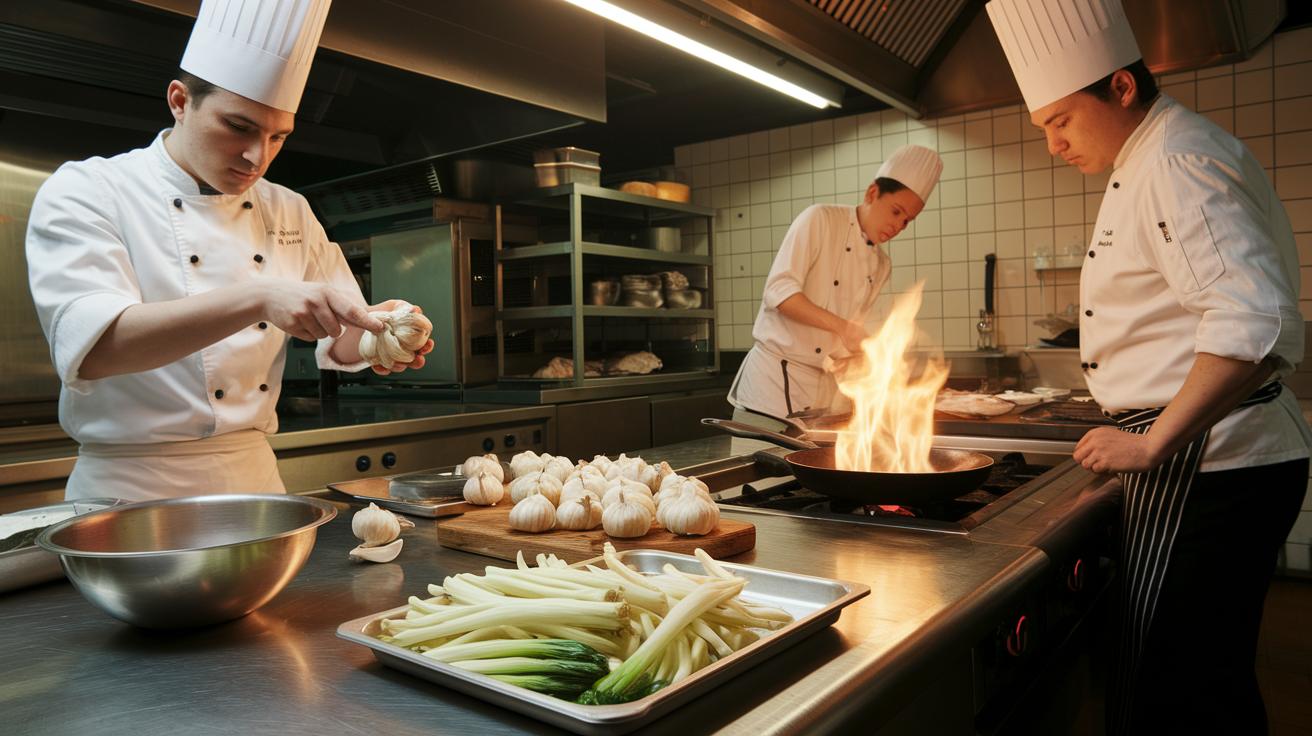
Chefs use smart workspace tips to speed up service and boost flavor. They build routines that save time and sharpen their skills during crunch time.
- Blanch and shock vegetables before serving to keep them extra crisp.
- Use the shake-and-peel trick on garlic to cut down prep time.
- Flame a pan and sprinkle coarse salt for that perfect sear.
- Set up a mise en place station so every tool and ingredient is at hand.
- Use clarified butter (butter with milk solids removed) to raise the smoke point for quick sautéing.
- Pre-chop aromatics like onions and herbs to move faster during cooking.
- Rely on timers to keep high-heat techniques on track.
These methods prove that a tidy workspace and clever time-savers can really make a difference. Home cooks can try these tips by pre-prepping ingredients and keeping their kitchen neat. Not only do these techniques streamline cooking, they also boost flavor and presentation in everyday meals.
Ingredient Secrets: How Restaurant Chefs Select Produce
Restaurant chefs have a few smart tricks for picking the best produce. They count on natural cues and perfect timing to get ingredients that bring amazing flavors to every dish.
Many chefs avoid common options. They use high-mineral sea salt instead of regular salt to add a richer taste. They pick produce right when it's at its best to lock in texture and flavor. Onions and garlic go in early during sautéing to build a deep, balanced base. Lots of butter and a drizzle of oil help seal in flavor and boost mouthfeel. When it comes to fresh herbs, chefs give them a quick sniff and even taste a little bit to choose only the most aromatic bunches that light up every plate.
These careful choices reveal a hidden process that turns simple meals into unforgettable culinary experiences.
Signature Dish Recipes from Top Restaurant Chefs

Restaurant chefs sharpen their skills with repeated recipe trials. They fine-tune seasoning blends up to five times until the taste is just right. These methods help create a crisp, caramelized crust on steak and a smooth, buttery beurre blanc that is a kitchen staple.
Steak Searing with Controlled Pan Fire
- Heat a heavy skillet on high until it is very hot.
- Add a small splash of oil and let the pan briefly flame to build a caramelized crust.
- Sprinkle a generous pinch of salt over the steak right away to lock in flavor.
- Remove the steak and let it rest so the juices settle evenly.
- Slice the meat against the grain for tender, bite-sized pieces.
Versatile Beurre Blanc Sauce
- Simmer white wine with a splash of vinegar until the liquid reduces by half.
- Beat egg yolks in a heatproof bowl until they become frothy.
- Slowly drizzle in clarified butter, whisking continuously to form a smooth mixture.
- Season the sauce with salt and fresh ground pepper.
- Strain the sauce through a sieve for a silky texture.
- Drizzle the finished sauce over proteins or vegetables to boost flavor and presentation.
These steps show how precision and creativity turn everyday ingredients into standout dishes. Home cooks can also enjoy this culinary adventure by following these clear, easy-to-use techniques.
Plating Secrets: Chef Methods for Artful Presentation
Chefs in busy kitchens use smart plating to turn each dish into a feast for both eyes and taste buds. They use clear methods that boost flavor and add a visual pop.
| Principle | Chef Technique |
|---|---|
| Vibrant color contrast | Top with microgreens |
| Precision sauce lines | Use squeeze bottles |
| Height and structure | Stack components artfully |
| Emphasis through negative space | Place elements sparingly |
| Sharp, defined patterns | Sauce plates minutes before service |
These plating techniques not only make the dish look bright and balanced but also let the flavors shine. A dash of colorful microgreens or a careful stacking of ingredients adds depth. With a squeeze bottle to make neat sauce lines and a final drizzle just before serving, chefs create a clean, inviting look. This careful setup makes every plate feel thoughtfully prepared, enhancing the dining experience.
Behind-the-Scenes Workflow Secrets of Restaurant Chefs
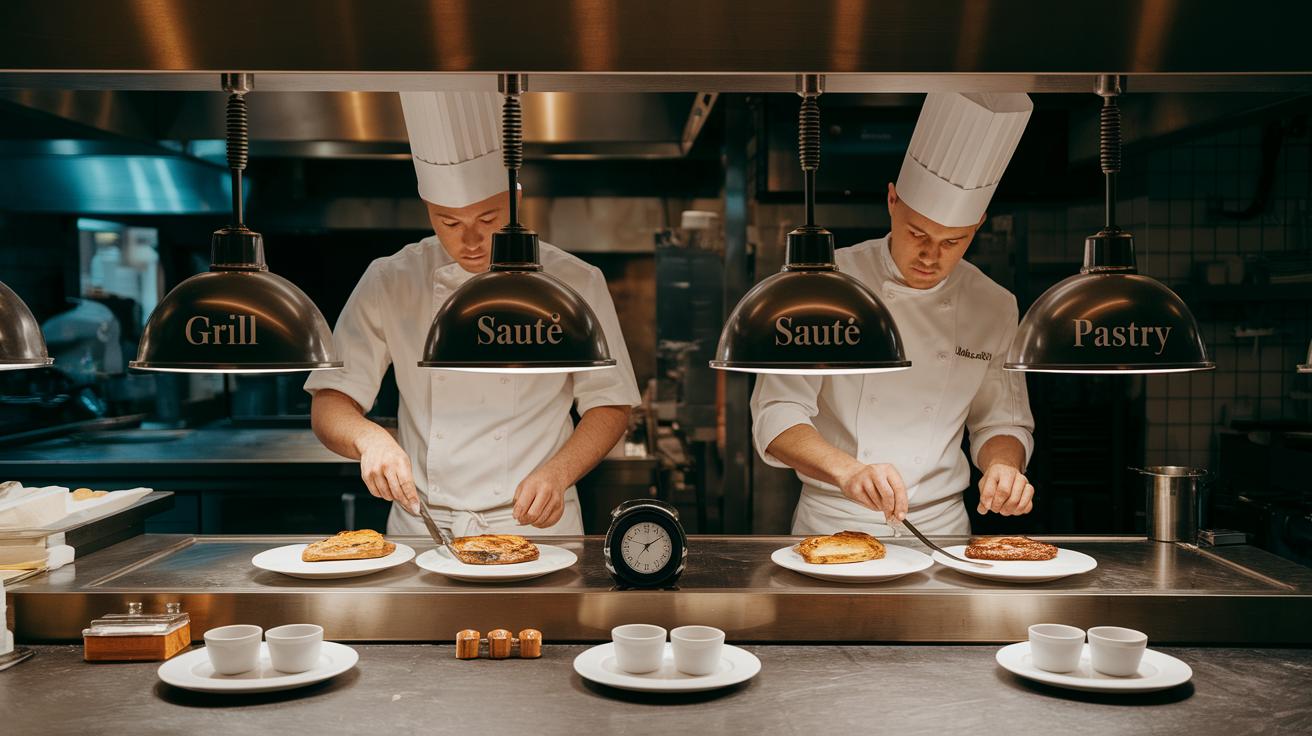
In a busy restaurant kitchen, every team member has a role. Chefs work in stations like grill, sauté, and pastry. The head chef and sous chefs plan the work and manage prep times. They keep orders moving smoothly even during rush hours. Sometimes one menu item can slow things down, so the team changes roles quickly to avoid delays. This clear system helps every cook know what to do and keeps the kitchen fast and accurate.
Pre-portioned stocks and sauces save time during peak hours. They let the chefs serve many dishes without losing quality. Senior chefs also lead live plate-up demonstrations. These sessions help junior cooks get on-the-spot guidance and quick feedback. This hands-on coaching builds skills and confidence while keeping every dish up to the restaurant's high standards.
Restaurant Chef Hygiene and Food Safety Tips
Restaurant kitchens work on strict routines and precise temperature controls. Chefs wash their hands often and let diners ask for remakes if needed. They also follow smart food handling rules. For instance, chefs use red cutting boards for raw meat and green ones for vegetables to stop cross-contact.
They keep refrigerators at or below 40°F and hot food above 140°F. In some areas, chefs must wear gloves when touching food directly. Local rules, like these, are explained in detailed food safety practices (https://matpple.com?p=1010). Regular checks and keeping ingredients separate help keep food safe and fresh.
Chef’s Work Ethic: Schedule and Leadership Secrets
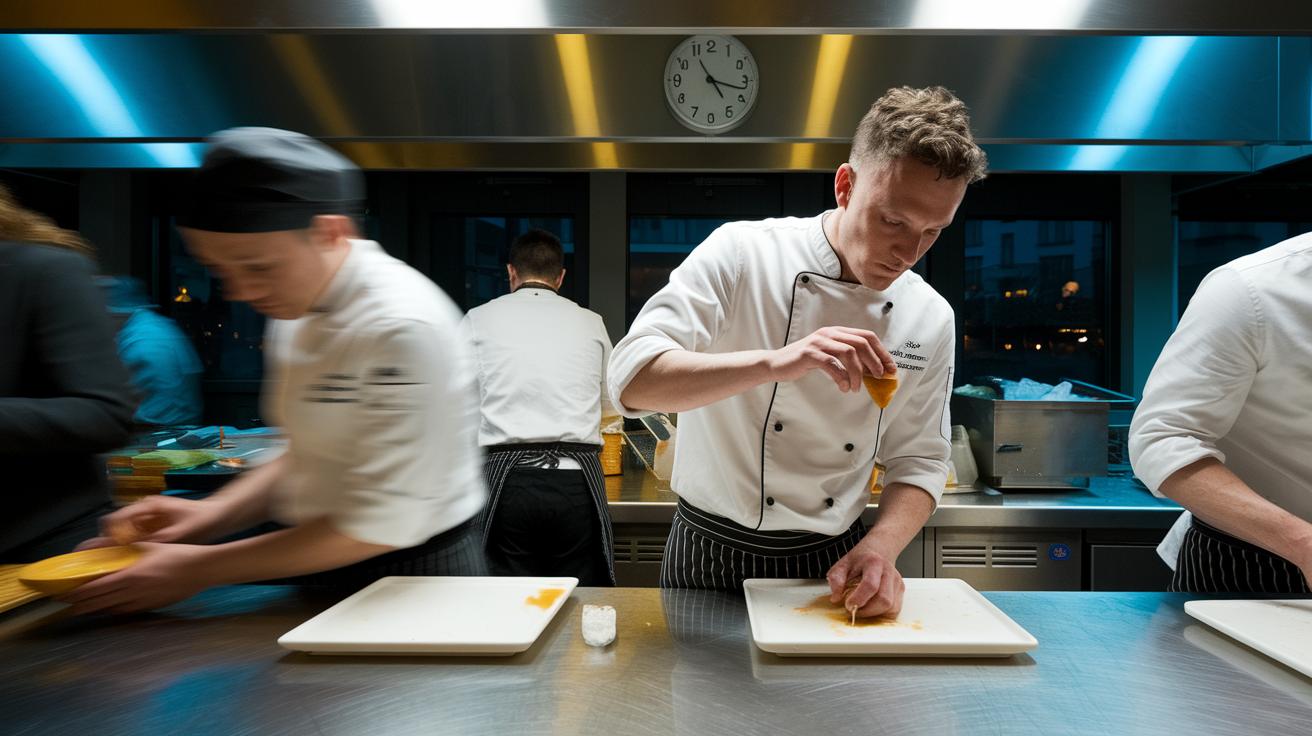
Chefs often work long weeks, sometimes clocking 60 to 80 hours. A head chef shared how he began recipe tests at 3 a.m. to perfect his special dish. On one occasion, he even missed a family event because a sudden service call forced him to fix the menu quickly.
A sous chef explained that he regularly works nights, weekends, and holidays, juggling personal plans with unexpected kitchen needs. Stories like these show the real sacrifices behind every beautifully crafted dish and highlight the fast pace of professional kitchens.
In a well-run kitchen, every team member knows their part. Leaders set the tone with hands-on coaching and jump in when menus change suddenly. This style not only lifts morale but also sharpens cooking skills through live examples and shared experiences. Overall, the kitchen becomes a space where hard work, teamwork, and mentorship come together to produce both great dishes and lasting lessons in hospitality.
Final Words
In the action from kitchen hygiene tips to artful plating, this post ran through chef-approved tricks and solid workflow insights. We broke down ingredient choices, signature dish recipes, and innovative kitchen hacks that keep menus vibrant and operations smooth.
These practical strategies remind us that the secrets of a restaurant chef go beyond the plate, helping you fine-tune recipes and boost daily efficiency. Apply these insights to sharpen your menu and enhance your kitchen’s rhythm.
FAQ
What secrets are revealed in various seasons of Secrets of a Restaurant Chef?
The series reveals unique behind-the-scenes chef techniques, including ingredient selection and workflow practices, that evolve across seasons from Season 1 to Season 8 to help home cooks understand professional culinary processes.
Where can I watch Secrets of a Restaurant Chef episodes and full episodes?
Secrets of a Restaurant Chef can be streamed on select platforms and networks, making it easy to catch full episodes and season-specific content, including Season 1 and beyond.
What types of recipes are featured on Secrets of a Restaurant Chef?
The show features signature dish recipes, detailed chef tips, and exclusive culinary techniques that focus on flavor development and professional cooking methods ideal for home cooks.
What’s the most common chef’s secret?
The most common chef’s secret involves thorough prep work, precise ingredient choices, and careful seasoning, all of which create layers of flavor and ensure every dish meets high restaurant standards.
What is the 30/30/30/10 rule for restaurants?
The 30/30/30/10 rule outlines specific timing and portion guidelines in the kitchen to maintain quality, balance flavors, and guarantee consistency in restaurant-style dishes.
What are the 5 P’s of cooking?
The 5 P’s of cooking refer to essential elements such as proper preparation, process, presentation, precision, and passion, which together help chefs create well-balanced and appealing dishes.
How are shows like Worst Cooks in America, Iron Chef America, and The Next Iron Chef related to Secrets of a Restaurant Chef?
These shows all showcase culinary skills and behind-the-scenes techniques, giving viewers insights into professional cooking and recipe development much like the focus seen in Secrets of a Restaurant Chef.