

Restaurants are stepping into a tech revolution. Even the busiest kitchens now use AI helpers and self-order kiosks to speed up service and reduce mistakes. New digital tools are changing the way kitchens work and making payments easier. More than 3,000 eateries invested in smart systems this quarter, sparking a wave of optimism. This change means shorter wait times, accurate orders, and happier diners. Read on to see how these updates are shaping a smoother dining experience.
Breaking News Highlights in Restaurant Tech Adoption
Restaurants are embracing a wave of digital advances that are changing how they run their kitchens and serve customers. New AI kitchen assistants help speed up food prep and cut down on mistakes. Across the nation, restaurants are upgrading their point-of-sale systems to make payments simpler, while new self-order kiosks boost customer engagement. Some are even using blockchain for supply-chain tracking, which makes sourcing food more secure and transparent. This shift to digital tools follows the momentum from changes seen during the pandemic.
In the first quarter of 2024, more than 3,000 restaurants worked with tech companies to introduce digital menu boards and mobile-ordering apps. This move shows the industry is eager to invest in technology that speeds up service and improves order accuracy.
- New AI kitchen assistants cut down order prep times.
- Upgraded POS systems make paying easier.
- Advanced self-order kiosks speed up ordering and boost customer interaction.
- Blockchain is used to secure and track food sources.
- Contactless payment methods help reduce physical contact and boost efficiency.
These changes are already making a difference in everyday dining. With shorter wait times and fewer mistakes, customers enjoy a smoother experience. Restaurant owners now have better tools to meet changing customer needs, marking a clear step forward in the digital transformation of the industry.
Restaurant Tech Adoption Post-Pandemic Insights
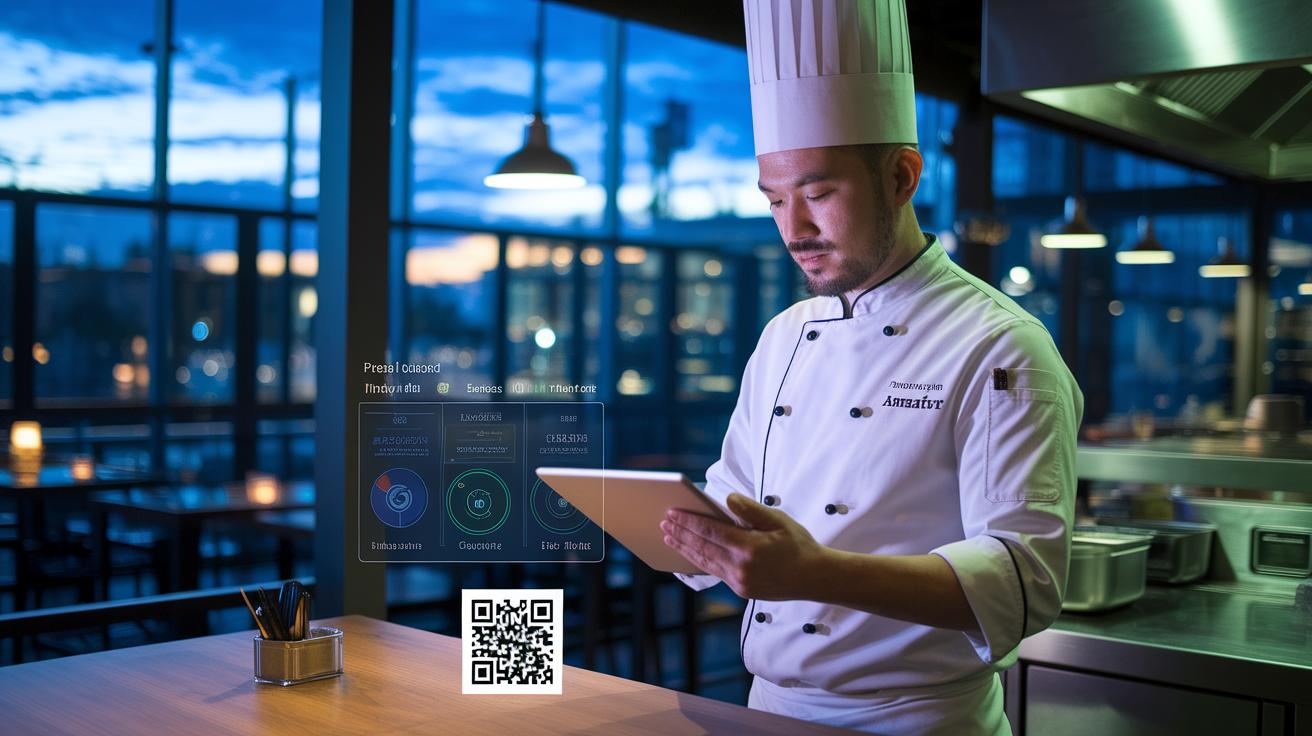
The COVID-19 outbreak forced restaurant owners to change fast. New health rules and evolving customer habits pushed many to adopt digital tools for smoother operations. Overnight, 75% of customers turned to takeout, and 92% of operators now plan to boost their tech investments within the next year. Smart, connected equipment has also cut food waste by 18%, and 68% of millennials now prefer to use digital payments. This shift shows that tech is now key to running a restaurant in a post-COVID world.
| Key Statistic | Figure |
|---|---|
| Takeout traffic | 75% |
| Operators planning tech investments | 92% |
| Food spoilage reduction via IoT | 18% |
| Millennials preferring digital payments | 68% |
This tech-led change is reshaping restaurant operations. Owners now use automation to handle orders, track inventory, and speed up service. These smart systems improve order accuracy and reduce wait times, making dining more efficient and satisfying. With digital tools leading the way, restaurants are building a stronger future in a post-pandemic landscape.
Current Restaurant Tech Adoption Trends and Industry Analysis
Restaurant operators are now using more than digital menus and kiosks. They are turning to smart, connected systems that update stock levels in real time. Cloud-based systems show inventory changes as they happen, helping to cut mistakes and manage costs. Some screens even change their messages during busy times, like promoting a lunch special during the midday rush.
Modern point-of-sale systems link all these digital tools while keeping track of sales and spending. Loyalty programs and customer tools have raised average spending by 30% in some places. For example, a discount alert on a mobile device encouraged a regular customer to buy more.
These connected tools give managers clear data to work with. They can adjust prices and update menus instantly with cloud systems. This means better cost control and a more personalized experience for every guest.
Restaurant Tech Adoption: Case Studies from Industry Breakthroughs
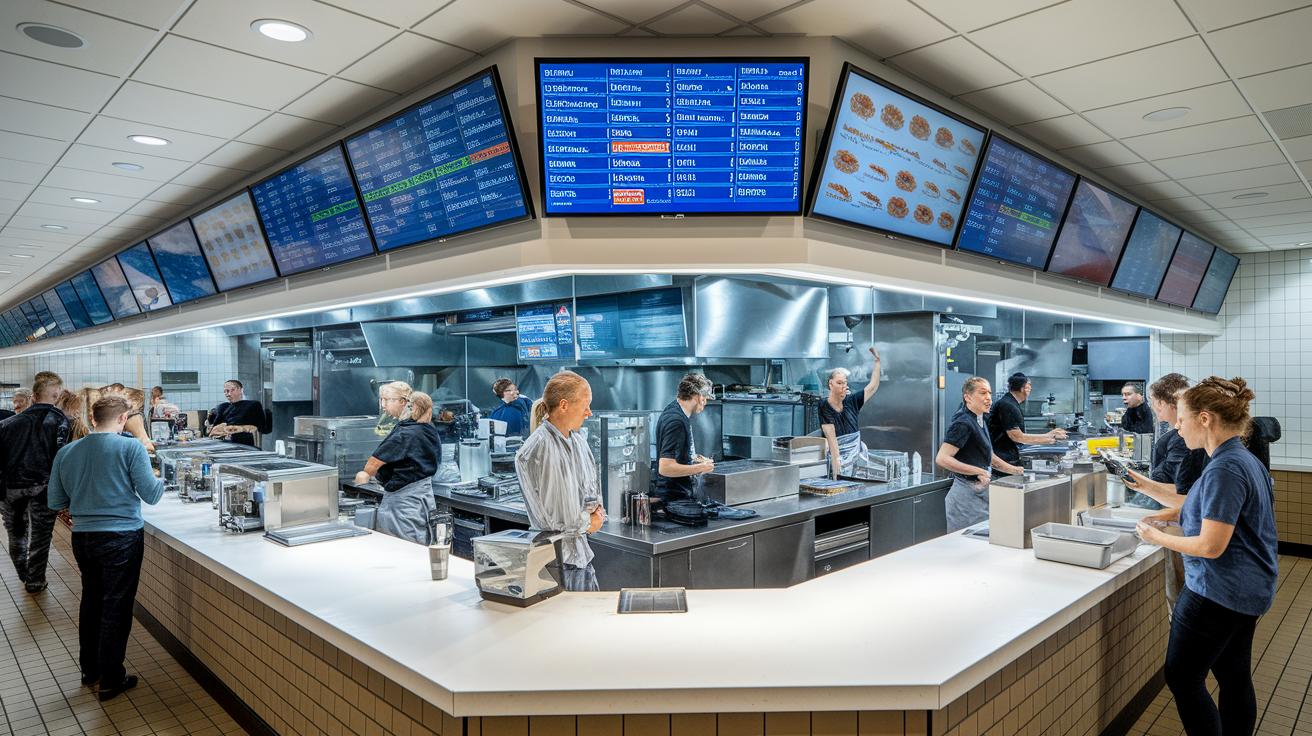
Restaurants are using new technology to run smoother and serve customers better. Recent examples show that digital tools and smart automation cut errors and boost sales.
Long John Silver’s tech-driven turnaround
Long John Silver’s has upgraded with a cloud-based point-of-sale system and a mobile ordering app. This tech switch has increased order accuracy by 15% and raised sales by 10%. The new system links orders from different channels so kitchen staff see updates in real time. Even drive-thru staff benefit; over 100 locations now use voice-order tools to speed orders and ease customer flow. This change not only reduces mistakes but also builds greater customer trust through faster service.
Swig’s automated beverage kiosks
Swig’s now uses robotic kiosks to serve their signature dirty soda with precision. Automating the drink-making process has cut service time by 40%, making busy periods much smoother. These kiosks let customers choose their drink style with just a button push, reducing wait times and keeping quality consistent. This tech move lets staff focus on other parts of the service while keeping high standards behind the counter. It’s a clear sign that smart technology investments can enhance overall restaurant operations.
Future Outlook on Restaurant Tech Adoption Breaking News
Some restaurants are testing AR and VR tools to create a more engaging dining experience and make training new workers easier. These innovations let diners explore interactive digital menus while new staff practice safety procedures in a virtual setting.
Restaurants are also checking out AI-driven solutions that tailor menus based on real-time data. This means customers get meals that match their tastes and needs. At the same time, advanced robotics help fill staffing gaps by standardizing kitchen processes. Trials include robot-assisted cooking and hands-free inventory tracking systems that reduce errors and boost food safety.
Voice ordering and AI-powered menu customization are set to expand by 2025. Early results show these tools can speed up order accuracy and offer more personalized dining experiences. The push for digital upgrades signals a future where tech drives daily restaurant operations.
Final Words
In the action, the post spotlighted immediate industry shifts, from AI kitchen assistants to upgraded self-order kiosks driving efficiency. It broke down headline items like blockchain tracking and contactless payments showing clear impacts for restaurant operations.
These restaurant tech adoption breaking news updates give a fast snapshot of the latest tools transforming day-to-day operations. Small eateries can use this insight to adjust strategies and improve service.
Stay positive as these trends open new avenues to boost performance.