Products
Organic Food Products: Pure Taste, Happy Health
By reidmanson
March 20, 2025
Field Notes
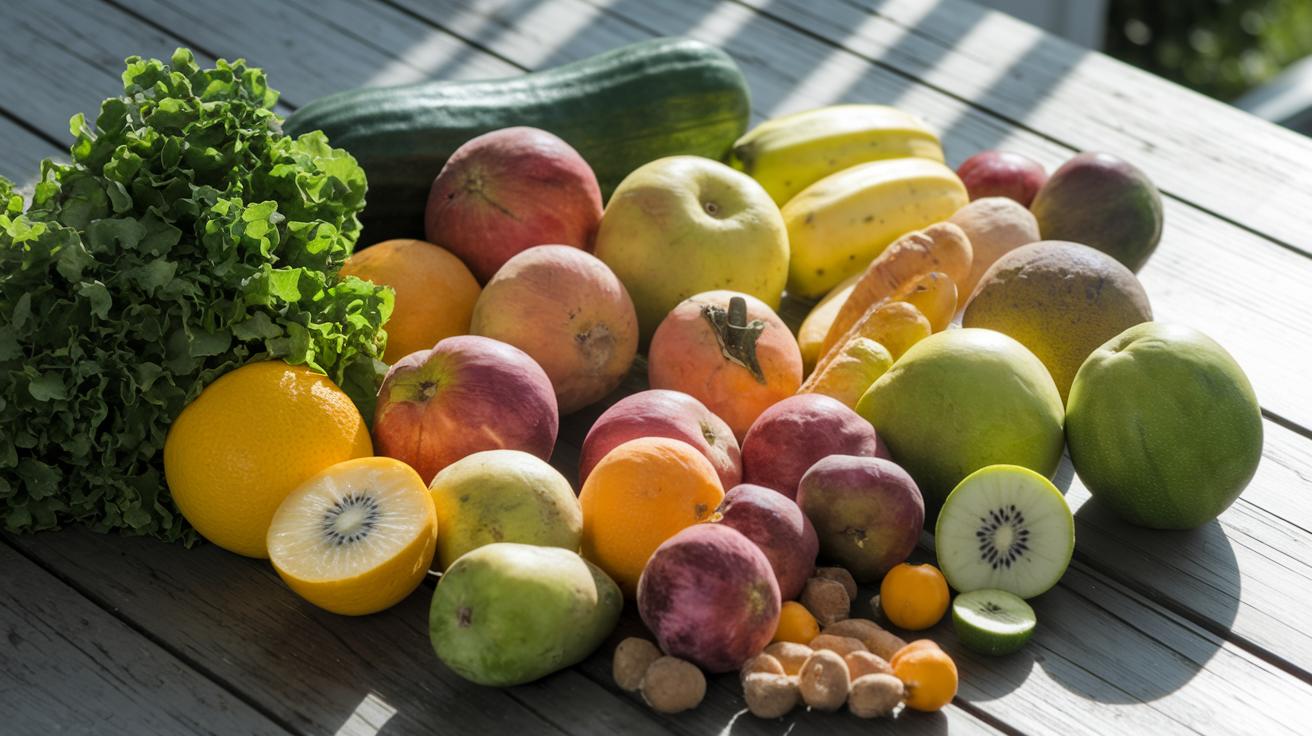
Have you ever thought your meal might unlock better health? Organic foods deliver pure taste and nutrition straight from nature. They are grown without man-made chemicals, so they keep your plate clean and help protect our waterways. This means you enjoy better-tasting food while also supporting a healthier environment. With natural ingredients that boost your energy and well-being, organic products can change your everyday meals into a simple step toward a healthier life.
Organic Food Products That Offer Health and Environmental Benefits
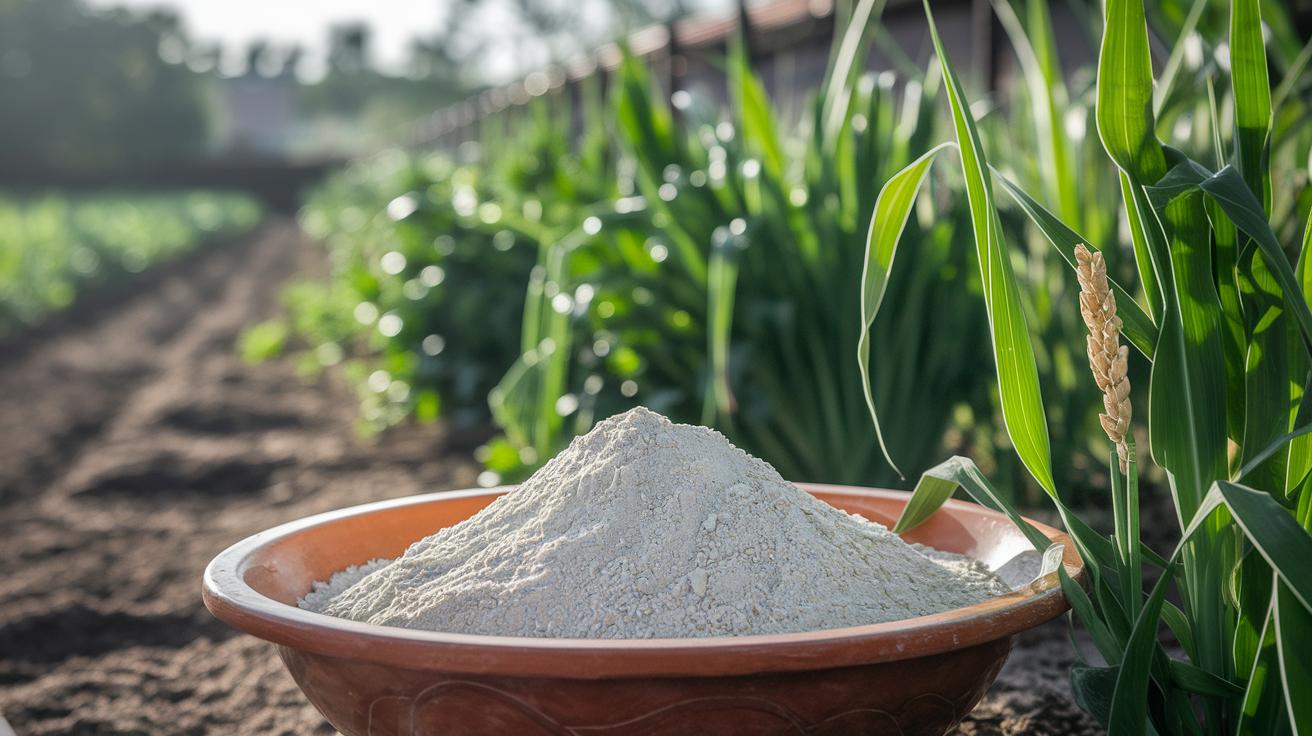
Organic food products do more than just deliver pure taste. They offer rich nutrition and help lessen chemicals in our waterways. Because these items are grown without synthetic additives, you enjoy food that is closer to nature and kinder to the environment. For example, ragi flour (finger millet) provides about 35 to 40 calories per tablespoon. In 100 grams, it supplies roughly 372.5 kcal, 1.58 g of fat, 80.55 g of carbohydrates, 3.85 g of fiber, 7.1 g of protein, and 436.98 mg of potassium. This gluten-free flour is also packed with calcium, iron, and amino acids that can improve digestion, support stronger bones, and aid in weight management.
Organic coconut oil options like virgin, refined, and MCT offer heart-healthy fats and antioxidants. By choosing these, you steer clear of the chemicals and pesticides common in conventional farming. These eco-friendly food choices help reduce chemical runoff and protect both soil quality and local biodiversity.
When you add organic foods to your diet, you benefit from ingredients grown using sustainable practices. This clean approach not only supports personal wellness but also promotes cleaner air and water for the entire community.
Even small changes, like switching to organic herbs, fruits, or cereals, can lead to a healthier lifestyle and a healthier planet. For instance, an organic farmer might use cover-cropping and crop rotation to naturally boost soil nutrients, cutting down on the need for chemical treatments. This smart approach makes organic food products a great choice for those seeking both pure taste and better health.
Sustainable Organic Farming Practices Behind Top Organic Food Products

Leading organic brands use smart, sustainable methods to boost soil health and protect nature. Farms work without pesticides by using natural tricks like rotating crops and planting cover crops. These simple steps build firm, healthy soil while letting plants get the nutrients they need. Many operators pick non-GMO seeds and keep processing low so that food keeps its natural goodness. They also use systems to manage pests naturally, cutting down on chemicals. Compost-based fertilization turns farm waste into rich, life-boosting soil food.
These methods result in safe, nutrient-packed products that shoppers trust. They help reduce chemical runoff and protect water and soil, making a real difference for our environment. For example, food sustainability guides (https://matpple.com?p=163) highlight how these practices work in real life.
Key techniques include:
- Crop rotation: renews soil nutrients.
- Cover cropping: boosts organic matter in the soil.
- Integrated pest management: limits chemical use.
- Compost-based fertilization: enhances soil life.
Investing in these practices means healthier food and a cleaner future for everyone.
Understanding USDA Organic Standards and Labeling for Food Products
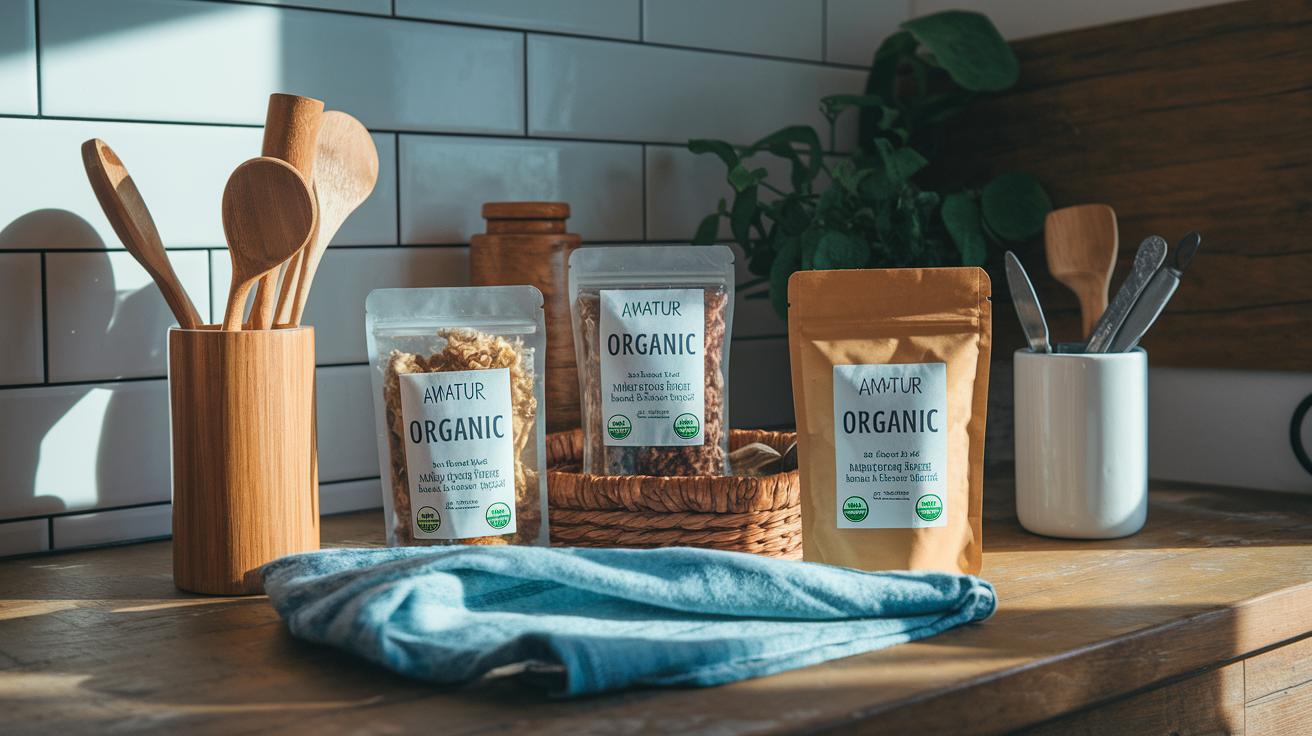
USDA-certified organic products must meet strict rules. They are grown without synthetic pesticides or GMOs and see very little processing. When you see "100% Organic," it means every ingredient fits these criteria. A label that simply reads "Organic" means the product has at least 95% organic ingredients, while "Made with Organic Ingredients" shows that it contains some organic parts but is not fully organic.
Accredited certifiers check farms and facilities on a regular basis. Their inspections help ensure that what you buy is as clean and natural as it claims to be. Think of each label like a nutrition chart that tells you the full story of the food's background.
Key facts:
- No synthetic pesticides or GMOs.
- Minimal processing with strong oversight.
- Different label tiers based on the percentage of organic ingredients.
International certifications use very similar rules. This means that many foreign products meet the same high standards. These clear guidelines let shoppers easily decode labels and feel confident in their organic choices.
Comparing Organic vs Conventional Food Products: Nutrition and Safety
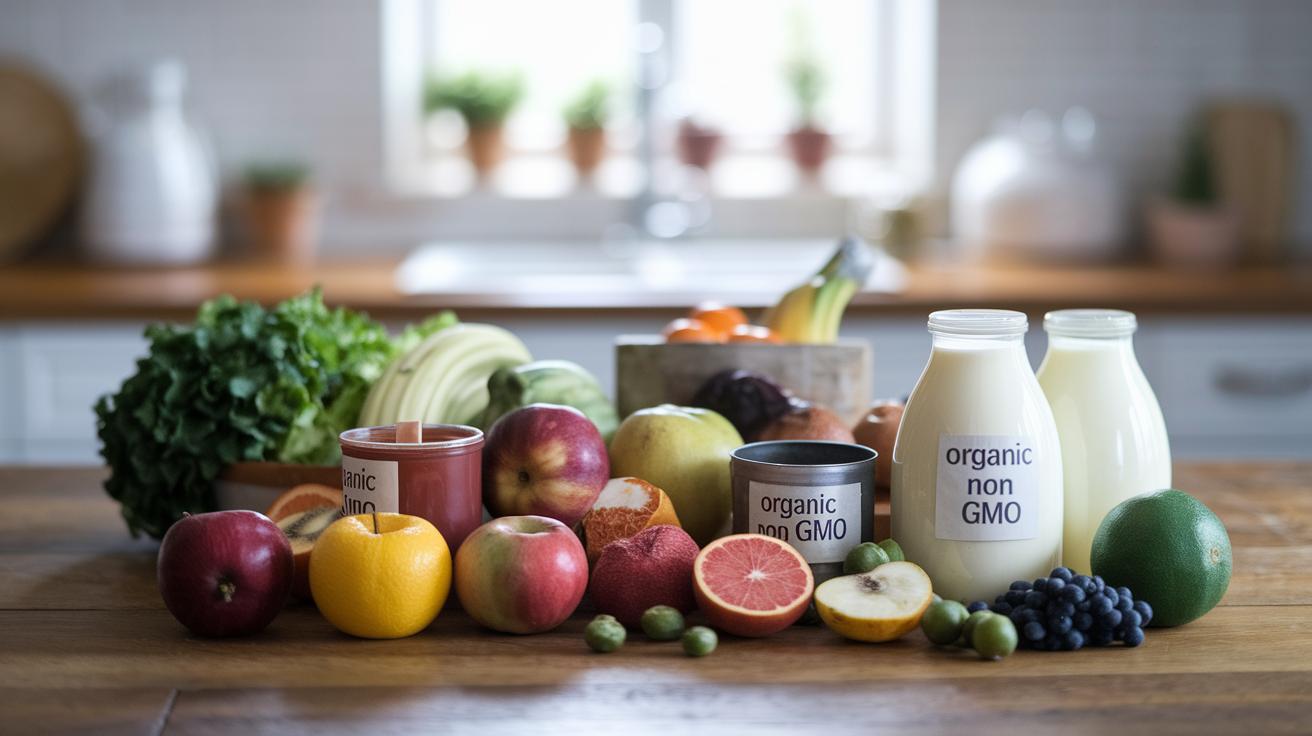
Research shows that organic fruits and vegetables can carry up to 40% fewer pesticides than conventional ones. This means you lower your intake of chemical traces by choosing organic. Organic meat and dairy come from animals raised without routine antibiotics or growth hormones. This non-GMO approach helps cut health risks and often gives the food a cleaner taste.
Studies also find that organic items sometimes boast a bit more antioxidants and omega-3 fats. These nutrients support well-being and help fight inflammation. In contrast, conventional options may have tiny amounts of synthetic additives from chemical treatments.
Organic standards rely on non-GMO sourcing and chemical-free pest control. These practices safeguard animal welfare and meet strict food safety rules. While organic products might cost a bit more, they offer fewer chemicals and a richer nutrient profile.
For example, choosing organic vegetables usually means fresher produce free from synthetic substances. This decision not only benefits your health but also promotes better farming practices.
Organic Food Products: Pure Taste, Happy Health

Shopping for organic food has never been simpler. Many online stores now offer free shipping on orders over ₹49. Plus, bulk deals make it easy to save. For example, you might get 3 items for ₹999, 5 for ₹1799, or 6 for ₹2499. These offers help you fill your pantry with organic favorites without breaking the bank.
If you prefer to see products before you buy, local organic grocers are a great option. Many stores have online locators and map searches that help you find the nearest outlet. This way, you can try organic flours, spices, or oils in person before you commit to larger purchases.
Online shopping also comes with its perks. Look for welcome codes like WELCOME10 on your first order for an extra discount. Many sites offer loyalty programs that give regular shoppers more savings over time. These rewards can really add up if you shop often.
Tips to save more:
- Check bulk bundle prices against single items.
- Use store locators to find local availability.
- Take advantage of loyalty programs for extra discounts.
- Enter promo codes during checkout for added savings.
Organic Food Products: Pure Taste, Happy Health

Fill your kitchen with over 600 organic ingredients that help you create healthy, tasty meals. You can choose from 248 varieties of pulses and dal, 52 kinds of grains and rice, and a broad mix of flours and cereals like atta and suji to form the base of your dishes.
Fresh organic fruits and vegetables bring natural flavor and essential nutrients straight from the farm. Meanwhile, organic grains and cereals add heartiness to your meals. These pure items come free of synthetic additives, keeping your pantry clean and your meals natural.
Herbs and spices, offered in 244 varieties, can transform your everyday cooking. There are also 14 unique sweetener options for those who prefer natural touches in their recipes. Oils and ghee help you achieve the perfect taste and texture, while over 50 types of organic nuts and seeds add heart-healthy fats and proteins. The selection is rounded out by dried fruits, teas, coffee, and superfood cocoa products, with a special range of activated nuts designed for better nutrient absorption.
Pantry must-haves include:
- Organic fresh fruits and vegetables for vitamins and antioxidants.
- Organic grains and cereals for balanced meals.
- Organic nuts and seeds for energy and protein.
- Natural, chemical-free products that boost overall wellness.
Choosing these staples means embracing a natural way of eating that values pure taste, solid nutrition, and food made with care for both you and the environment.
Bulk and Wholesale Options for Organic Food Products: Suppliers and Subscriptions

Small businesses and home cooks can save big by buying organic food in bulk. Wholesale options let you pay less per unit and keep your shelves stocked with trusted, certified organic ingredients.
Subscription boxes and combo packs are another easy way to get organic produce. Packs like the Shubh Upahaar Hamper, Mithai Master Pack, Healthy Snacking Pack, and Rasoi Essentials Pack deliver set amounts of items such as 500 g A2 ghee, 1 L mustard oil, 5 kg atta, and a mix of dry fruits. These bundles are built to meet everyday needs for both households and small shops while making orders simple.
Organic produce wholesalers are expanding their networks. They link buyers with fresh ingredients at competitive prices, which helps everyone shop smarter and supports a strong food community. Buying in bulk or subscribing to regular deliveries is a smart, budget-friendly way to enjoy a reliable supply of pure, organic food.
Organic Food Products Market Trends and Industry Insights

The organic food market has enjoyed 25 years of steady growth. People want healthy eating options that fit their lifestyles. Now, there’s more interest in products that are vegan, keto, or gluten-free and are also certified organic. This clear health benefit pushes stores, both online and in organic grocery chains, to broaden their offerings. Today, U.S. organic food sales top $60 billion, a sign that confidence in this market is strong.
Retailers are adding more organic options by using loyalty programs and free shipping deals to keep customers coming back. They focus on clear labels and trusted certifications to build shopper confidence. As buying patterns change, brands tweak prices and promotions to meet new needs. Stores of all sizes are expanding their organic selections, making everyday items and specialty foods easy to find. This trend shows a shift toward food that supports health and sustainability.
Easy Organic Food Recipes and Meal Planning Tips
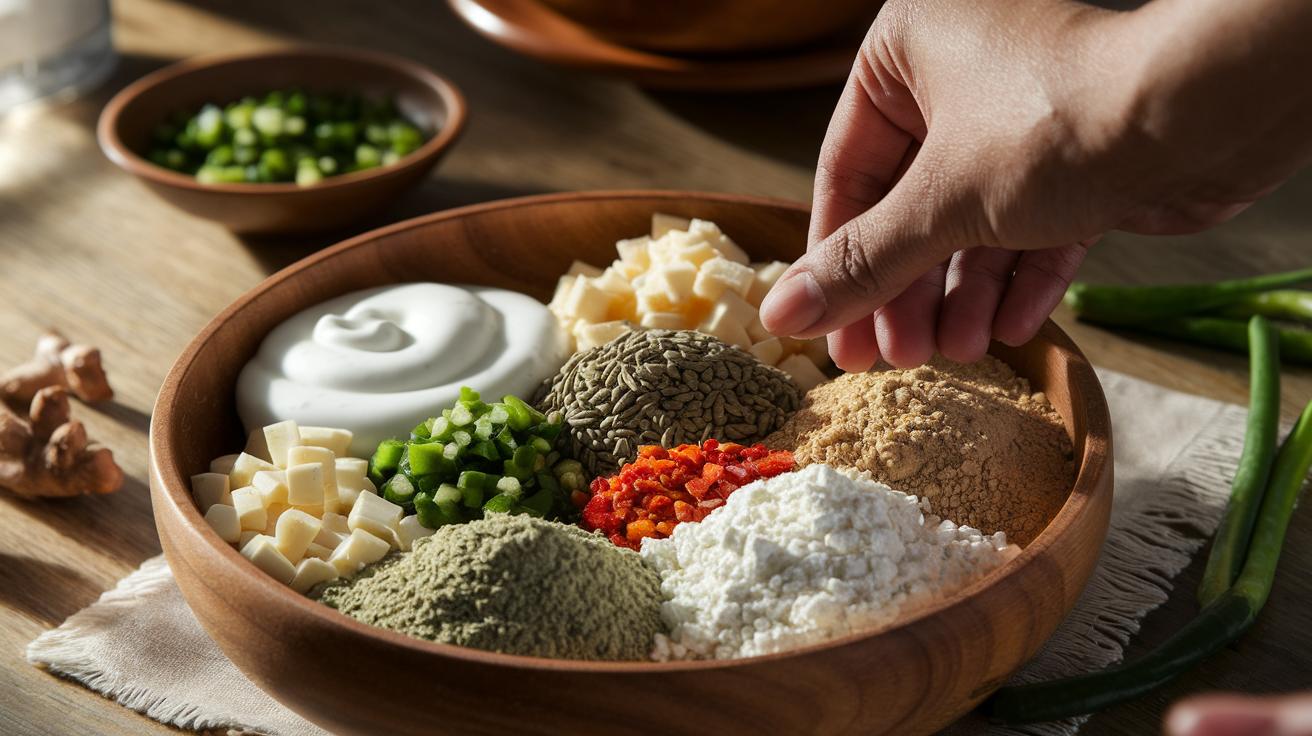
Bring wholesome, organic staples into your daily meals with a recipe that's easy and tasty. Try a popular dish called Dahi Saunf Tikki. In a bowl, mix 500 g organic yogurt, 2 chopped onions for natural sweetness, and 4 chopped green chillies for a gentle kick. Then add ½ tsp salt to lift the flavors, 75 g cheese for a soft, melty feel, and 1 tsp fennel for a light, aromatic note. Stir in 2 tbsp coriander seeds along with 2 tbsp black pepper to make a fragrant blend. Next, mix in 1 tbsp ginger and 1½ tbsp red chili flakes to warm things up. Blend in ½ cup roasted besan to bind everything together, and fold in 100 g paneer for extra protein and 2 tbsp corn flour to keep the patties intact. Shape the mix into small patties and deep-fry them until they turn golden.
Plan your week by cooking in larger batches. Stock your kitchen with pre-chopped vegetables, ready spice mixes, and natural dairy so that you’re all set to cook when hunger strikes. A handy tip: batch cooking saves time and lets you enjoy healthy, clean meals every day. This method keeps your menu flexible and ensures you always have a nourishing, organic option at hand.
Final Words
In the action, this article breaks down the health and environmental benefits of organic food products. We covered nutrient-rich ingredients like ragi flour and organic coconut oil, trusted labeling standards, and sustainable farming practices.
The guide offered straightforward shopping tips, practical recipes, and ideas for building a clean, versatile pantry. Small restaurateurs can use these insights to fine-tune menus and serve food that speaks to quality. Every small step builds towards a brighter, healthier future.
FAQ
Q: What are organic food products?
A: Organic food products refer to items grown without synthetic pesticides or GMOs. They are produced naturally to offer nutrient-rich and chemical-free food options that support both personal health and the environment.
Q: What is included in an organic food products list?
A: An organic food products list covers certified fruits, vegetables, grains, dairy, and pantry staples. These items are verified to be free of synthetic additives and produced using sustainable farming methods.
Q: Where can I find organic food products near me?
A: Organic food products near you can be found at local organic grocery stores, farmers’ markets, or health food stores. Online store locators and maps help pinpoint nearby retailers offering certified organic items.
Q: What are some popular organic food products brands?
A: Popular organic food products brands are those that meet USDA organic standards by using non-GMO ingredients and sustainable practices. They are trusted for their strict quality control and commitment to clean food.
Q: Which organic food products are considered the best?
A: The best organic food products include items noted for high nutrient content and verified certification, such as organic coconut oil, fresh produce, and whole grains, ensuring both taste and health benefits.
Q: How can I buy organic food products wholesale?
A: Buying organic food products wholesale means sourcing from reputable suppliers offering bulk pricing or subscription boxes. This option is ideal for businesses or consumers looking for cost-effective, certified organic options.
Q: Where is the best place to buy organic food online?
A: The best place to buy organic food online is through trusted retailers who offer free shipping promotions, loyalty discounts, and a wide range of USDA-certified products, ensuring quality and convenience.
Q: Which organic grocery store chains are available in the USA?
A: Organic grocery store chains in the USA include well-known national and regional retailers dedicated to certified organic offerings. These chains combine in-store and online options, making organic shopping accessible.
Q: Can I buy organic food online effectively?
A: Yes, organic food online shopping offers a convenient way to access certified products. Reliable sites provide clear labeling, detailed product information, and promotional deals to simplify your purchasing experience.
Q: Is it really worth buying organic food?
A: Buying organic food is worth it because these products avoid synthetic additives, supporting health benefits and environmental sustainability through reduced chemical runoff and sustainable farming practices.
Q: Is 100% organic truly 100% organic?
A: A product labeled 100% organic contains only certified organic ingredients with strict oversight, meaning it meets rigorous standards and offers complete assurance for consumers seeking fully organic options.