

Have you ever thought that one bite might cost as much as a fancy watch? In upscale dining, some foods come with surprisingly high price tags. Picture enjoying tender Japanese beef, rare white truffles, or bright sturgeon eggs. Chefs take these top-notch ingredients and turn a simple meal into a luxurious event. This article shows you the priciest ingredients and explains how they make a meal unforgettable.
Most Expensive Food: Top 10 Priciest Ingredients Worldwide
These top ten ingredients are prized for their rarity, careful craftsmanship, and one-of-a-kind flavors. Chefs and food lovers use items like tender Japanese beef, fragrant white truffles, and unique sturgeon eggs to create luxurious dishes. Each of these ingredients is hard to find, and the care taken in producing them leads to their high price tags. When experts use these items, they turn simple meals into unforgettable experiences.
| Food Item | Origin/Production Details | Premium Serving Suggestions |
|---|---|---|
| Kobe Beef | From rare Tajima-gyu cattle in Japan’s Hyogo Prefecture | Sliced for shabu-shabu or served as steak |
| White Truffles | Foraged in special regions; known for a strong, earthy aroma | Grated over pasta, risotto, or eggs |
| Beluga Caviar | Sturgeon eggs hand-picked from trusted fisheries | Served on toast or with blinis, sour cream, chives, and lemon |
| Saffron | Dried stigmas from the Iranian crocus; needs 150,000 flowers per pound | Infused in risotto or paella for a floral, honey-like taste |
| Matsutake Mushrooms | Wild-foraged in Japan’s pine forests, prized for its firm texture | Used in soups or rice dishes to boost an earthy note |
| Kopi Luwak Coffee | Coffee beans processed after passing through a civet’s digestive tract for a smooth, low-acid brew | Brewed as a premium, refined coffee |
| Iberico Ham | Cured Jamón Ibérico from Spain/Portugal with a rich, nutty flavor | Thinly sliced for tapas or paired with fine wines |
| Densuke Watermelon | Rare black watermelon only grown in Hokkaido, Japan | Served chilled to bring out its distinct sweetness |
| Bluefin Tuna | Sourced under strict catch limits to ensure sustainability | Prepared as sashimi or lightly seared for sushi |
| Ruby Roman Grapes | Deep red Japanese grapes, each weighing up to 20 grams | Enjoyed fresh or used as a luxurious dessert topping |
Each ingredient shows how rare finds and careful production can combine to create flavors that are worth the splurge. Their scarcity, along with labor-intensive methods, keeps their prices sky-high. When expert chefs work their magic with these items, they deliver a taste of culinary art that sets the standard for high-end dining around the world.
Reasons Behind the Most Expensive Food Price Tags
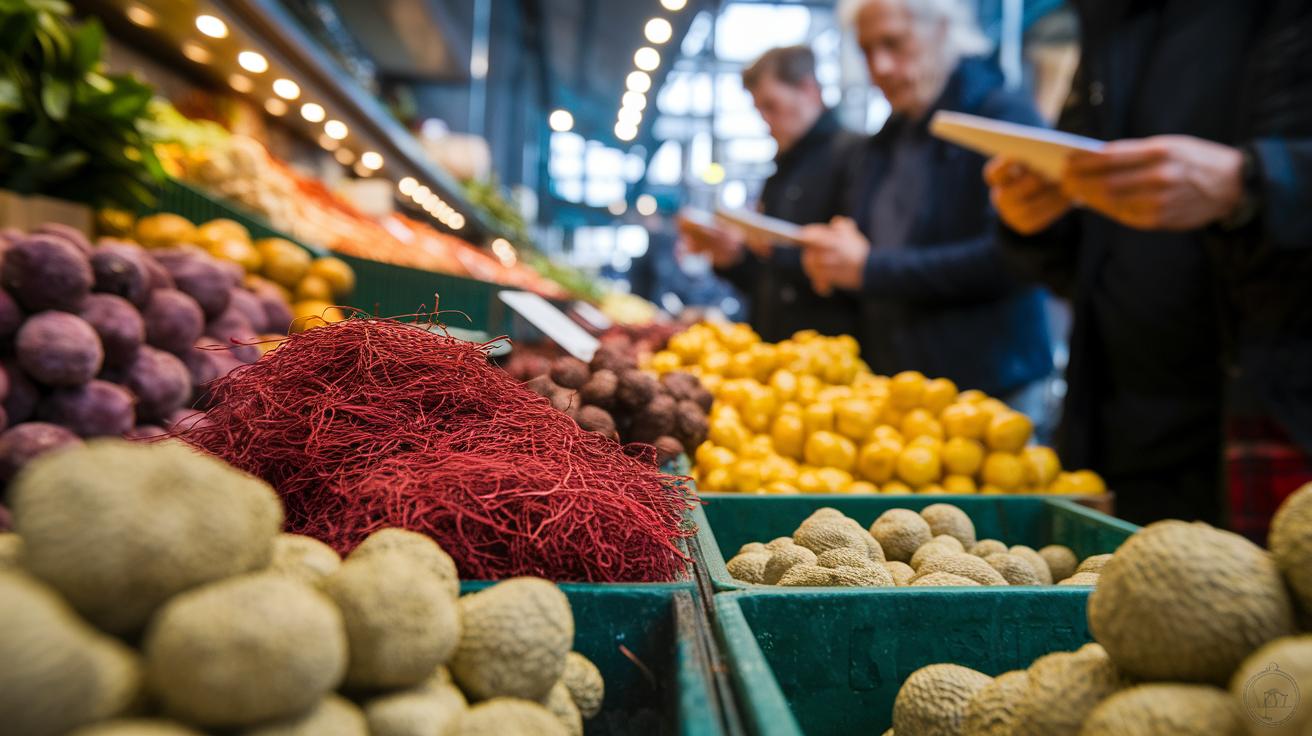
Rare ingredients such as Alba white truffles and special fishes are hard to find. One report shows that Alba truffle prices climbed more than 25% in a single year because of local harvest problems. An Italian supplier noted that small seasonal yields can push prices past $3,600 per pound.
Tough production methods also add to the cost. For example, hand-harvesting saffron requires sorting thousands of delicate threads to produce just one pound. This labor-intensive process can push prices above $500 per ounce, with manual work increasing overall costs by 40%.
| Ingredient | Price Increase (%) | Key Factor |
|---|---|---|
| Alba Truffles | 25% | Seasonal scarcity |
| Saffron | 40% | Labor intensity |
| Tajima-gyu Beef | 15% | Quality grading |
Skilled chefs then transform these rare ingredients into luxury meals. They use careful prep and creative plating to enhance a dish's appeal. A New York chef mentioned that careful handling and artistic presentation can boost a dish's price by 15%. This blend of chef expertise and strong market demand drives high food prices beyond the ingredients' raw cost.
Most Expensive Food Ingredients: Origins of Rare Culinary Treasures
White Truffles
White truffles from Alba and Périgord are famed for their local charm. Harvesters say even small changes in autumn weather, like an unexpected frost, can boost the season's find. One experienced hunter recalled a chilly morning when a sudden frost led to an unusually bountiful harvest that brightened the whole season. Such local details add a rich mix of history and nature.
Beluga Caviar
Beluga caviar from the Caspian Sea now comes with a focus on sustainable practices. Local chefs note that gentle extraction techniques and improved conservation efforts enhance its smooth, buttery flavor. Recently, an industry expert explained that market prices are shifting as ethical sourcing becomes a priority.
Saffron
Saffron has a long journey from ancient Persian trade routes to today's gourmet kitchens. Known for its floral, honey-like flavor, it was once a spice reserved for royal feasts. Now, market trends show a slight rise in prices as global demand for this rare ingredient grows.
Matsutake Mushrooms
Matsutake mushrooms, gathered from select Japanese pine forests, carry deep cultural meaning. Local foragers tell stories of traditional rituals and seasonal celebrations that honor these mushrooms. Their distinct smoky, earthy taste and seasonal scarcity have led to higher local premiums, as recent economic reviews point out.
Kopi Luwak Coffee
Kopi Luwak coffee has sparked renewed debate over ethical production. New insights stress the importance of protecting civet habitats (small mammals that produce the coffee beans) to ensure animal welfare. An industry analyst compared its careful production process to crafting fine artisanal goods, marking a shift in how consumers value ethical practices.
Where and How to Experience the Most Expensive Food
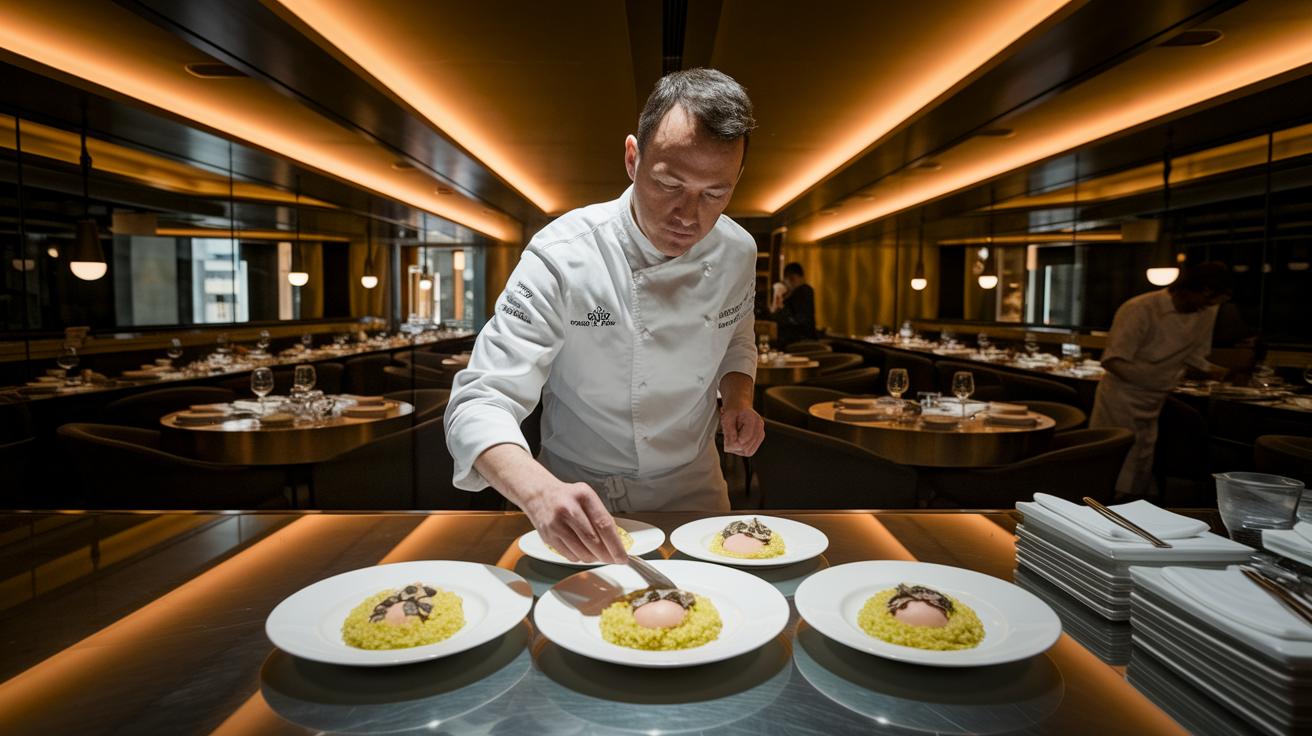
High-end restaurants and luxury hotels give you a chance to taste top-tier dishes. Many of these spots serve tasting menus that include items like saffron risotto, truffle eggs, and fine caviar prepared by famous chefs. Special events such as chef pop-ups and exclusive food festivals also let you try these refined dishes that push culinary limits. Since these experiences come with high prices and limited seating, it is wise to book well in advance.
If you want to bring these rare delights home or add edible art to your collection, gourmet auctions and specialty sellers offer a direct way to buy them. Some artisanal distributors provide ultra-premium foods with detailed background information and proper storage tips. Before buying, set a clear budget and check the seller’s credentials because these treasures need careful handling and expert preparation to truly shine.
Trends and Investments in the Most Expensive Food Market
At high-end auctions and exclusive food festivals, buyers are setting record prices for luxury ingredients. A single Bluefin Tuna has reached a sale price of $3.1 million, and batches of specialty caviar are drawing strong bids. Designers are even creating edible-gold art and multi-course feasts that mix taste with a visual wow factor. These sky-high bids and creative presentations show how expensive foods grab the interest of top collectors and food lovers.
Collectible foods are now seen as smart investments. Many treat aged hams and rare caviars like prized works of art. Celebrity chef endorsements boost their appeal even more, with signature dishes often fetching 20% to 30% higher prices. This trend encourages collectors to view gourmet ingredients not just as a luxury treat, but as assets that could increase in value over time.
Limited supply and high demand continue to push prices higher. Strict production methods and environmental factors keep these foods rare. As more investors and discerning diners enter the market, the mix of growing interest and scarce supply suggests that even higher prices may be on the horizon.
Final Words
In the action, the article explored top priciest ingredients like Kobe Beef and Ruby Roman Grapes. We broke down factors such as rarity, detailed production work, and chef skills that drive record-setting food prices.
We also outlined where to taste ultra high-priced meals and how emerging market trends shape investments. Every detail underscores why these items stand as the benchmark for the most expensive food. Now, you have clear insights to fuel smart decision-making and keep your menu innovative.
FAQ
Q: What are some examples of the top expensive food items in the world?
A: The term “most expensive food” often refers to ultra-premium items like Kobe Beef, White Truffles, Beluga Caviar, and Ruby Roman Grapes. These foods fetch high prices due to rarity, quality, and exacting production methods.
Q: How does the most expensive food in the USA or in restaurants differ from global luxury offers?
A: In the USA and upscale restaurants, foods like rare Bluefin Tuna and exclusive caviar are showcased for their refined presentation and expert preparation. These offerings emphasize elite sourcing and meticulous culinary artistry.
Q: What food is considered the most luxurious and qualifies as a luxury food item?
A: Luxury food items include rare ingredients such as Saffron and White Truffles. Their high costs stem from limited availability, careful hand-harvesting, and rich flavors that elevate gourmet dining experiences.
Q: What is the rarest food on the market today?
A: The rarest foods often include items like Densuke Watermelon and Matsutake Mushrooms. Their scarcity arises from strict growing conditions and seasonal harvests, making them coveted by food connoisseurs.