

Ever wonder how stray metal never makes it to your plate? In food plants, metal detectors work like vigilant guards. They send out high-frequency signals to catch even the tiniest piece of metal. Their fast action stops bad batches before they reach you and helps prevent recalls. Metal detection is a smart safety step that saves money and builds trust in the food you eat.
Contamination Prevention with Metal Detectors in Food Processing
Metal detectors help keep our food safe by finding stray metal bits before they reach consumers. They work by sending out a high-frequency electromagnetic field that picks up even tiny pieces of metal. Think of it like a sensor that spots a speck of stainless steel in your favorite snack. This smart technology saves lives and stops expensive recalls.
These devices are placed along production lines to check food as it moves. When a stray piece of metal, whether from equipment or an unexpected source, gets into the food, the detector sounds an alarm and stops the line right away. This quick action not only keeps contaminated batches from moving forward but also keeps workers safe and protects machinery.
Modern systems can find a range of metals such as ferrous, non-ferrous, and stainless steel alloys. They work well even in busy, high-speed environments. In many ways, they act like a vigilant guard that is always on the lookout for any unwanted bits that could harm consumers or hurt a brand's reputation.
Regular checks and calibration make sure these systems run at peak performance. By matching each detector's settings to the type of food and the speed of the line, manufacturers cut risks and maintain strict safety and quality standards.
Key Types of Metal Detectors in the Food Industry
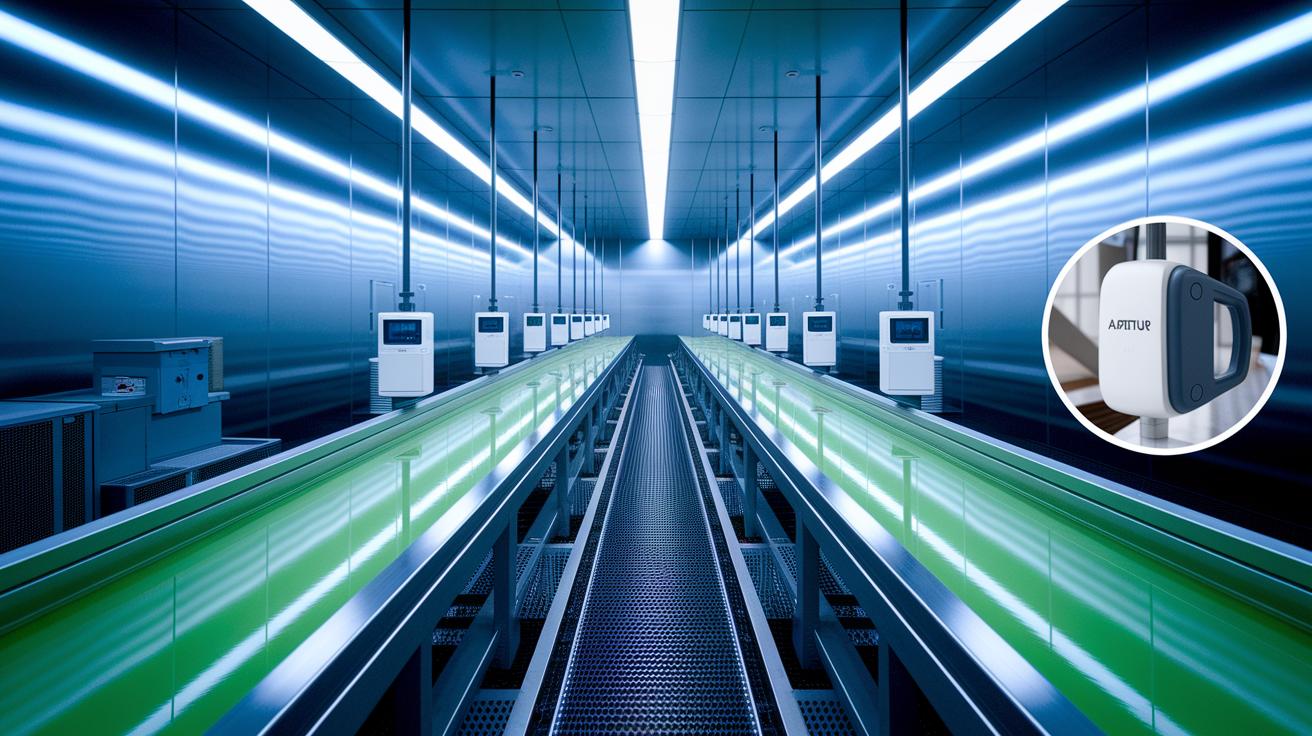
Flow-through detectors work with liquids like beverages and sauces. They scan the liquid as it passes through a special chamber and immediately stop the flow when metal is detected. For example, a sauce line will come to an instant stop if a stray metal piece is found, preventing more contamination.
Conveyorized detectors are made for products moving on a belt. They scan continuously as items travel through their detection field. With quick-response sensors, they help keep fast production lines running smoothly by ensuring that only clean products advance.
Gravity-fed detectors are best for free-flowing goods such as powders, cereals, beans, and seeds. In this setup, products flow naturally through an open scan area guided by gravity. The detector watches every bit and sounds an alarm if metal is present, making it ideal for handling delicate materials without the interference of mechanical feeding systems.
Each type uses industrial screening technology to offer specialized solutions for various food processes, always keeping product safety and quality front and center.
Working Principles of Metal Detection Technology in Food Processing
Metal detectors in food processing use a balanced coil method. A transmitter coil sends out a high-frequency electromagnetic field along the production line, while two receiver coils on each side pick up the signals. When metal enters this field, it creates a small current that disrupts the signal. This imbalance triggers highly sensitive alarms that alert operators immediately. Think of it like a stream flowing smoothly until a metal piece creates a quick ripple, forcing a stop.
Newer systems ramp up this process with multi-frequency transmission and spectrum analysis. They send several electromagnetic waves through the food at the same time. When a metal fragment interferes with any of these waves, the system catches the anomaly with improved accuracy. This advanced approach helps avoid false alarms caused by natural elements like salt or moisture, keeping overall food safety and quality control top-notch.
Common Causes of False Metal Detector Alarms in Food Processing

False alarms in metal detectors come from problems in the environment and the products themselves. For instance, nearby conveyors, variable frequency drives, and heavy metal structures can create electromagnetic interference (EMI). This interference tricks the detector into thinking there is a metal hazard when there is not.
Product issues add to these false readings. Foods with high levels of salt or iron, changes in moisture, or the use of metalized or foil packaging can send signals that look like real metal. This confuses the system and slows down production by triggering unnecessary stops.
To cut down on these false alarms, operators can use multi-frequency transmission and spectrum analysis. These techniques compare several signals at once to tell real metal fragments apart from product effects. This approach allows for adjusting sensitivity specifically for the food items being checked.
- Environmental factors: EMI from production equipment and nearby metal structures.
- Product factors: High mineral content, moisture changes, and metalized packaging.
These methods help keep the production line running smoothly while boosting the accuracy of metal detection systems.
Integration of Metal Detectors Within Food Safety Management Systems
Factories place metal detectors at key points along the production line. These machines check incoming raw materials and immediately stop the line if metal is found, protecting both the product and the equipment. This careful screening plays a vital role in keeping food safe. Detectors work with safety standards like HACCP and BRC (which set clear guidelines for testing and validating equipment performance). Manufacturers run regular checks and calibrations to ensure each detector is set properly. For instance, if a metal detector signals a problem during raw material screening, operators quickly remove and examine the product.
Metal detection works as part of a wider safety net. It joins forces with other technologies, such as X-ray systems, which help find both organic and inorganic contaminants. This combined approach is built into a full food safety management system used by many facilities. By integrating several systems, managers can address any signs of contamination before food is further processed. Regular equipment checks keep detectors accurate even when production conditions change. Setting up detectors at multiple stages means even tiny bits of metal from wear or accidental mixing are caught before reaching consumers. This layered system lowers risks and helps meet food industry regulations.
Maintenance and Calibration Protocols for Food Industry Metal Detectors

Keeping metal detectors in top shape is essential for safe production lines. Facilities routinely calibrate their detectors using test pieces like ferrous, non-ferrous, and stainless-steel pucks. For instance, one plant runs a monthly check to be sure even the tiniest metal bits trigger an alarm.
Routine upkeep is also vital. Operators should inspect coils for wear or damage, check that the conveyor belt is aligned correctly to avoid misreads, and update firmware to use the latest software improvements. These regular checks help lower false alarms and ensure the equipment works reliably.
Staff training is a critical part of the process. Frequent training sessions teach operators proper calibration methods and stress the need for ongoing performance evaluations. With strong guidelines in place, issues can be spotted early before they become serious problems.
- Routine calibration using standardized test pieces
- Inspect coils, verify belt alignment, and update firmware
- Regular performance checks and operator training
Selecting and Comparing Metal Detector Solutions for ROI and Compliance
When picking a metal detector for food production, you must consider a few key factors. The type of product, the speed of the production line, and the sensitivity required all play a role. For high-speed lines, detectors need to react quickly and work well with different food textures and mixtures.
Another important aspect is frequency. Single-frequency models work well for dry goods with little interference. In contrast, multi-frequency and multi-spectrum detectors scan more thoroughly across various products. While these advanced systems may cost more, they catch many metal types, from basic iron to stainless steel, which helps reduce liability and the risk of recalls.
Don’t forget to add up all the costs. It is not just the purchase price that matters but also installation, maintenance, and training expenses. Over time, a good detector reduces downtime, avoids expensive recalls, and cuts the risk of legal issues. This smooth quality control keeps production running without costly stops.
Reports show that spending on high-end multi-spectrum systems can pay off, especially in facilities with different production speeds and a wide range of products. Matching the detector’s features to your process boosts your return on investment. Leaders must balance the upfront price with long-term benefits, ensuring the solution meets both safety rules and production needs.
Application Case Studies of Metal Detectors in Food Production

A dairy plant making high-salt cheese recently switched to multi-frequency detectors. Before the upgrade, workers often mistook salt for metal and tossed entire batches. The new setup cuts false rejects by 30%, so more good product stays in the line.
In a bakery, detectors that use gravity to feed powdered sugar caught stray metalized foil. This change helped one confectionery manufacturer save $50K a year by stopping contaminants before they turned into a recall nightmare. The production line now runs smoother and safer, protecting both quality and profit.
At a meat processing facility, conveyorized detectors with very low-frequency settings play a key role. They catch minute stainless-steel fragments from worn equipment before the final packaging. This step ensures that consumers receive meat free of hazardous metal bits.
| Category | Result |
|---|---|
| Dairy | 30% reduction in false alarms |
| Bakery | Saved $50K per year in recall costs |
| Meat | Stops stainless-steel fragments before packaging |
These examples show how smart metal detection choices can boost quality and keep food safe.
metal detector in food industry: Safety Simplified
We've merged the full explanation with the parts on key detector types and how metal detectors work in food processing. This keeps the info clear and avoids repeating the same details.
Final Words
In the action, this post broke down how metal detectors in food industry protect product safety. We saw various setups like flow-through, conveyorized, and gravity-fed, along with how electromagnetic technology spots metal contaminants. The piece covered common causes of false alarms, the need for regular maintenance, and the steps for smart equipment selection. Real case studies proved the impact on quality control and ROI. With these insights, restaurateurs are ready to boost safety, cut risks, and drive consistency in their kitchens.
FAQ
Metal detector in food industry pdf
The metal detector in food industry pdf offers detailed technical information on electromagnetic detection, outlining safety practices, calibration methods, and regulatory standards to help prevent metal contamination in food products.
Types of metal detector in food industry
The types of metal detectors in the food industry include flow-through, conveyorized, and gravity-fed systems, each targeting specific product flows for effective screening of metal fragments.
Metal detector in food industry ppt
The metal detector in food industry ppt presents visual slides on detection technology, operating principles, and installation procedures, serving as an effective training tool for technicians and safety personnel.
Best metal detector in food industry
The best metal detector in the food industry combines multi-frequency capabilities with high sensitivity and low false alarm rates, ensuring reliable performance and enhanced safety measures during production.
Metal Detector Food industry price
The metal detector food industry price depends on features, line speed, and sensitivity requirements, reflecting the advanced technology and robust performance needed to maintain high safety standards.
Importance of metal detector in food industry
The importance of metal detectors in the food industry is clear; they prevent metal contamination, reduce recall risks, and protect consumer health while meeting strict regulatory compliance.
Metal detector standards food industry
The metal detector standards in the food industry define sensitivity, calibration, and safety requirements that manufacturers and processors must meet to ensure effective contamination screening and regulatory compliance.
Food Metal Detector manufacturer
Food metal detector manufacturers design and produce screening equipment that meets industry specifications, supplying systems that reliably detect contaminants to maintain product safety and quality control.
What is the metal policy in the food industry?
The metal policy in the food industry mandates the use of approved detection systems and procedures to keep metal contamination below allowed limits, protecting consumer safety and aligning with regulatory guidelines.
What is the FDA guidance on metal detection?
The FDA guidance on metal detection outlines recommended practices, testing protocols, and critical limits that help food processors ensure their products are safe and free from dangerous metal contaminants.
What is the metal detector in HACCP?
The metal detector in HACCP is a critical control point that screens for metal contaminants, providing an essential safety checkpoint to maintain food quality and regulatory compliance.
Why is a metal detector used in the food industry?
The metal detector is used in the food industry to spot and remove metal fragments, reducing contamination risks, protecting consumers, and ensuring that production lines meet required safety standards.
Metal detector Conveyor
A metal detector conveyor integrates screening into moving production lines by continuously scanning products for metal contaminants, thereby streamlining the process and maintaining continual quality control.
Hand held metal detector for food industry
A hand held metal detector for the food industry offers portable screening capabilities, allowing inspectors to efficiently check small batches or individual products for metal contamination on the spot.
METTLER TOLEDO metal detector
The METTLER TOLEDO metal detector is recognized for its precise detection and advanced technology, making it a trusted solution in food manufacturing to quickly and accurately identify metal fragments.
Safeline metal detector
The Safeline metal detector provides reliable metal screening with advanced multi-frequency technology, delivering consistent performance and helping processors maintain stringent food safety protocols.
FDA metal detection critical limits
The FDA metal detection critical limits specify the maximum levels of metal allowed in food products, guiding manufacturers to maintain contaminant levels within safe thresholds to protect public health.