

Ever wonder why your meal holds a story from long ago? Food history is more than just recipes. Early foragers became farmers, and then simple inventions like sliced bread changed our lives. Each step in our food past links our modern plates to ancient traditions. In this post, we explore how food’s evolution continues to shape our kitchens today.
Comprehensive Culinary Timeline: From Prehistoric Foraging to Modern Gastronomy
Food history goes back to our earliest days. Early people hunted wild game and gathered natural fruits and nuts. Before cooking tools existed, they survived on raw foods like a handful of wild berries or toasted nuts. This simple start paved the way for change when people began to grow plants such as squash, a key first step from wild foraging to farming.
As communities grew, so did the mix of foods on the table. Farming brought staples like wheat, barley, and rice into everyday meals. Farmers organized seasonal harvests and used basic methods to preserve food. Picture a humble farmhouse where clay pots steamed on a wood-fired stove, and every meal felt like a small celebration with neighbors and family.
Jump ahead to 1928 when the invention of sliced bread changed the way we eat. Pre-sliced bread made meal planning and storage easier for households everywhere. It meant you could quickly build a sandwich without extra fuss, a small idea that made a big impact in kitchens across the country.
Then came the California roll in the mid-20th century, a true sign of food fusion. This dish mixed Japanese techniques with American ingredients to create a whole new flavor blend. Each of these milestones shows how our cooking methods evolved over time, from simple open-fire roasting to the sophisticated techniques used in today’s kitchens.
Prehistoric Eating Habits and the Dawn of Cultivation
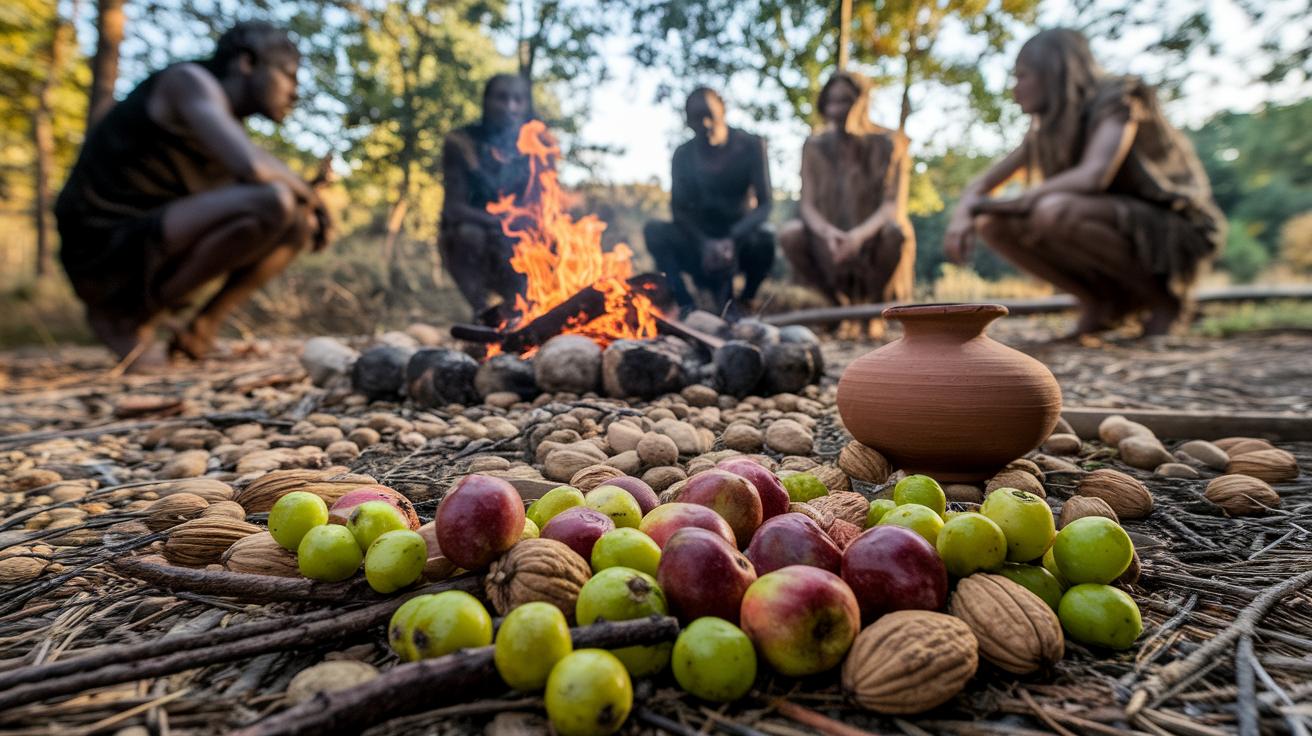
Early humans' food choices set the stage for the dishes we enjoy today. These hunter-gatherers foraged wild fruits, nuts, and vegetables such as squash. They discovered which foods powered their bodies, and these lessons paved the way for basic recipes that evolved over time.
Around 10,000 BCE, people began to experiment with simple food-preparation methods. They learned that soaking grains in water could naturally ferment them, softening flavors and helping preserve meals. Roasting meat over open flames not only made tougher cuts tender but also added a smoky flavor. These early techniques built a strong foundation for ancient cooking traditions.
Settling in one place allowed communities to farm and domesticate plants and animals. Growing squash and other crops marked a turning point in how food was prepared. The experiments of these early farmers became the building blocks for culinary practices that still inspire modern cooking.
Agricultural Revolution and the Rise of Early Agricultural Diets
During the Neolithic era, people began growing their own food, which sparked the creation of diets built around newly cultivated crops. Farmers started planting cereal staples such as wheat, barley, and rice. These grains quickly became the foundation of a fresh, new style of eating, packing the energy needed for hard work each day. They also cultivated legumes, a practical source of protein, that worked well with the rising use of dairy products.
Harvest time became a major event in these communities. People came together to celebrate the season’s bounty, marking the change of seasons and passing down cherished recipes and traditions. By carefully storing and milling grains, they transformed simple ingredients into hearty breads and porridges, showing the magic of turning raw crops into meals that could sustain an entire community.
These early food experiments laid the groundwork for meals that have lasted through the ages. Communities learned to preserve food by drying and fermenting, sparking innovations that would later evolve into diverse culinary traditions. Mixing cereal staples, legumes, and dairy created a balanced, practical, and tasty diet that paved the way for the regional flavors enjoyed around the world today.
Regional and Intercultural Food History: Classical, Medieval, and Spice Routes

Greek and Roman feasts set the scene for changing food traditions. They offered multiple courses with olives, cheeses, freshly baked breads, wine, and fruit. These meals blended simple ingredients with touches of luxury and influenced food habits for centuries.
During China's Han and Tang dynasties, imperial kitchens mixed local herbs with rare spices from afar. Emperors dined on dishes made with ingredients brought over by long-distance trade. This blending of flavors from different lands led to new cooking techniques.
In medieval Europe, feasts became lively social events. In grand halls, rustic ingredients met refined cooking techniques that turned everyday meals into celebrations. Chefs prepared dishes for both common folk and royalty, showing how tradition and taste evolved together.
The spice trade greatly shaped regional cooking. Spices like pepper, cinnamon, and cloves traveled far from their origins to become key to many dishes. These routes opened the door to new flavors and methods that still influence menus today.
For more on how trade and food came together to shape history, check out Global Food Markets.
Technological Breakthroughs in Food Processing and Preservation
Industrial inventions in the 19th and early 20th centuries changed how we cook and enjoy food. One simple breakthrough was sliced bread, which made meal prep and storage easier. This convenience set the stage for many more advances in the kitchen.
Canning, pasteurization (a process that heats food to kill harmful bacteria), and refrigeration allowed people to store food longer and ship it further. Canning let us enjoy fruits and vegetables all year; pasteurization kept dairy safe; and refrigeration slowed spoilage. Meanwhile, machines for milling turned raw grains into smooth flour quickly.
These innovations not only improved food safety and quality but also changed the way communities planned daily meals. Imagine making a healthy sandwich fast because your ingredients stayed fresh longer. By reducing constant trips to the market, these advances let families come together and celebrate each meal.
Every step in improving food preservation and cooking helped shift daily routines from hard work to smart, efficient practices. These changes still influence how we cook and eat today.
Modern Culinary Transitions: Globalization, Fusion Cuisines, and Future Trends

Modern culinary changes are taking food to new heights. Chefs and home cooks now swap recipes from all over the world, not just from nearby areas. A great example is the California roll, which mixes traditional methods with fresh ideas and shifts our eating habits.
Today, many kitchens experiment with molecular gastronomy. This technique uses simple science to change dishes, creating surprising textures and flavors. Local ingredients once used in one place are now appearing in recipes worldwide, making meals a blend of tastes from different cultures.
Sustainability plays a big role in planning menus. Chefs choose seasonal, locally sourced produce to cut waste and prepare meals thoughtfully. These shifts work alongside rules designed to keep food safe, fair, and affordable. For more on these policies, check out the Journal of Food Policy.
Modern kitchens now mirror a global trend in food. Different cultural influences mix on restaurant plates to create dishes that respect tradition while satisfying modern appetites. Every new method and flavor tells a story of smart cooking, shared creativity, and a global love for food, all setting the stage for exciting culinary adventures ahead.
Final Words
In the action, the timeline moves from early foraging to today's fusion dishes. The piece outlines how prehistoric eating habits and early agricultural diets shaped our meals. It traces regional exchanges along spice routes and shows how tech, like sliced bread, refreshed home cooking. Modern twists, including global culinary trends, highlight how far we've come. This history of food offers clear lessons for building menus and staying current with dining trends. Keep pushing forward and let these milestones inspire new ideas.
FAQ
What are some sources for learning about the history of food?
The history of food is explored through books, timelines, documentaries, PDFs, TV shows, essays, YouTube channels, and Wikipedia articles. These sources offer diverse views of food’s evolution.
What is the oldest food in history?
The oldest food in history refers to early grains and wild plants, which formed the basis of prehistoric diets and helped early humans survive in their environments.
Where does 75% of the world’s food come from?
The claim that 75% of the world’s food comes from agriculture underscores that cultivated crops and farm-raised products are the main sources feeding populations worldwide.
What is the 2 2 2 rule for food?
The 2 2 2 rule for food generally offers guidelines for meal planning, balancing portions and nutritional diversity, while also emphasizing food safety practices for healthier eating.
What was the first food eaten by humans?
The first food eaten by humans likely included wild fruits, nuts, and game, reflecting the natural diet of early hunter-gatherer societies during prehistoric times.