Trends
Healthy Food Trends: Energize Your Wellbeing
By blakeharrington
January 25, 2026
Field Notes
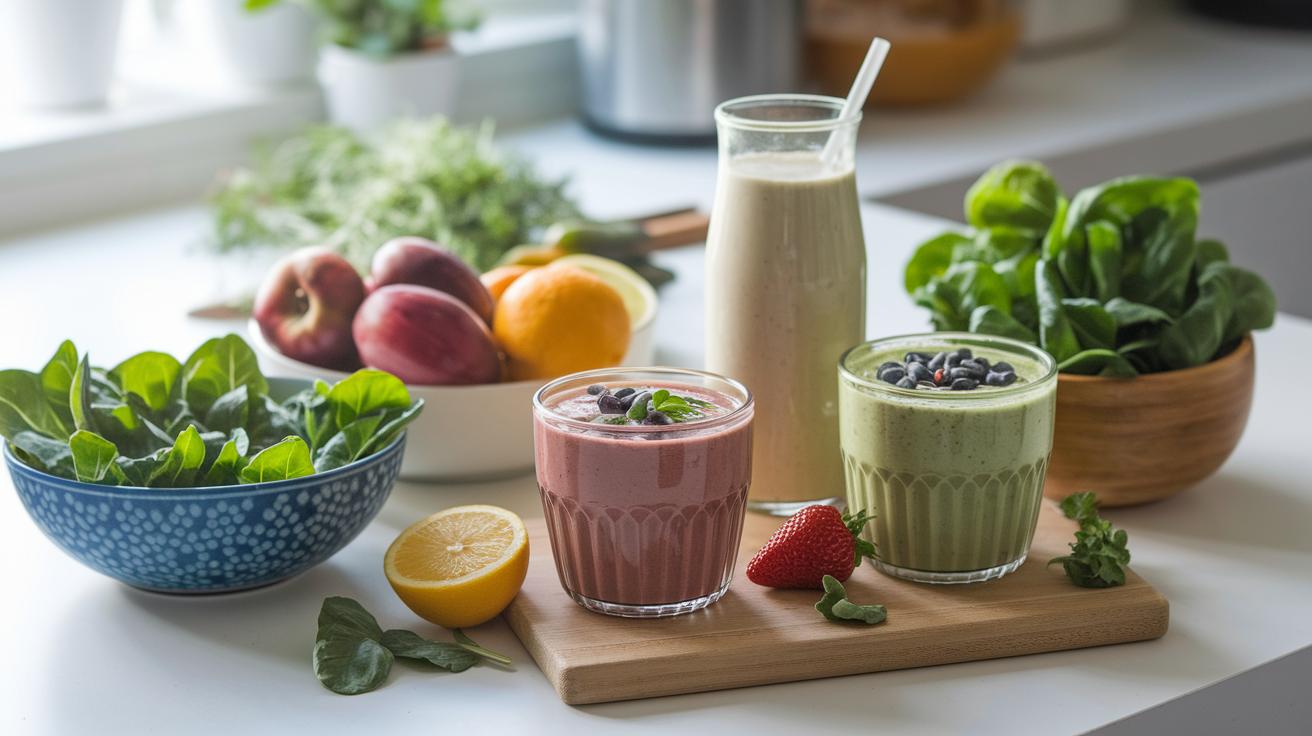
Ever thought your snack could fuel your day? Food trends are shifting from counting calories to boosting energy and well-being. Today’s top picks use ingredients that build strength and keep your gut happy. More people are choosing meals that clear the mind and power the body, showing how a simple swap can lift your day. Read on to see how these smart changes can boost your energy and transform your routine.
Key Healthy Food Trends Driving Modern Nutrition and Wellness
Healthy food trends today go beyond counting calories. Consumers are choosing foods that boost energy, build strength, and enhance overall wellness. They want meals that help both the body and the mind. Imagine swapping a regular snack for a nut bar that fills you up and gives you a quick energy boost on a busy day.
Recent figures reveal that 42.9% of folks now favor foods that enhance energy and muscle performance over classic calorie-focused choices. Over 36% seek out products marked as high in prebiotics and gut-friendly fibers, which support a healthy digestive system. In fact, people following specific diets like anti-inflammatory or keto plans are 8.3 times more likely to stick with their routines because they see real benefits in daily performance.
Shoppers are also driven by sustainability and emotional wellness. They lean toward brands that clearly promise better energy, sharper focus, faster recovery, and a balanced mood. As a result, food makers and restaurants are revamping their menus to use natural, sustainable ingredients that care for both body and mind. This trend creates a vibrant market where meals not only energize you but also bring comfort in today’s fast-paced world.
Energy-Boosting Functional Foods in Healthy Food Trends

Food that gives you a boost is on the rise as people look for meals that not only satisfy hunger but also help keep energy levels high and the mind sharp. Recent data shows that sales of items like drinks with adaptogens and snacks with MCT oil jumped by 25% over the past year. Consumers want clear labels that explain how these foods help with focus, recovery, and stress relief.
- B-vitamins: Help turn food into energy quickly.
- Cordyceps: May boost endurance when you need an extra push.
- Ginseng: Often used to keep you alert and focused.
- Electrolytes: Support hydration and help muscles recover.
- MCT oil: Offers fast energy, now featured in new snack options like functional snack innovations.
Chefs and brands are adding these power-packed ingredients to their recipes and packaging. By clearly explaining how each item works, they make it easy for shoppers to pick foods that keep their bodies active and minds clear every day.
Gut Health in Healthy Food Trends: Probiotic Infusions and Fermented Ingredients
Recent studies show that a balanced microbiome is key for overall health. A mix of gut bacteria plays a big part in how we feel, affects our mood, strengthens our immune system, and helps our bodies absorb nutrients better. In simple terms, a healthy gut can boost your daily well-being and is changing how we eat.
Over 36% of shoppers now seek out foods loaded with prebiotics and gut-friendly fibers to maintain this delicate balance. Sales of these products have jumped as consumers look for clear benefits like smoother digestion and steady energy. Retailers also note that labels highlighting gut health perks are in high demand, proving that people want ingredients that help keep their gut balanced.
Fermented foods are also gaining momentum. Drinks like kombucha and kefir, along with foods like sauerkraut and kimchi, have seen a 30% jump in yearly sales. These items deliver natural probiotics that support digestion and the immune system. Their tangy taste and refreshing kick appeal to folks who enjoy both traditional and modern flavors in their meals.
Chefs and recipe creators are turning to fermentation to boost both flavor and function. They craft dishes that showcase zesty ingredients while offering digestive benefits, proving that classic methods can perfectly meet today’s nutritional needs.
Plant-Powered Meal Evolution and Alternative Protein Experimentation in Healthy Food Trends

Plant-based meals are soaring as more diners look for food that is both healthy and eco-friendly. Since 2025, alternative protein products have surged by 40 percent, marking a significant jump in this space. Fast food chains now include plant-based dishes on 12 percent of their menus as taste and nutrition guide choices.
Alternative Protein Formats
The market is buzzing with offerings that use texturized pea protein, mycoprotein (a fungus-based protein), and cultured meat (lab-grown meat). These ingredients mimic the taste and texture of conventional meat. Some brands are also mixing plant proteins with cultivated options, giving diners a blend of familiar flavors and diverse protein profiles. These innovations suit both vegan and flexitarian diets while providing chefs with more creative room.
Revival of Ancient Grains
At the same time, older grains like quinoa, millet, and amaranth are making a comeback with a 20 percent sales boost. They add extra nutrients and a hearty texture to dishes, making them a favorite for modern menus. Chefs are drawing on their rich heritage by adding these grains to everything from fresh salads to warm grain bowls.
This trend opens many doors for recipe innovators. Combining alternative proteins with ancient grains can create menus that truly connect with today’s demand for sustainable and nutritious meals.
Clean Eating Advancements and Transparent Labeling in Healthy Food Trends
Clean eating is no longer a simple trend. It now means cutting out toxins and choosing foods that are safe and good for you. Government agencies and stores are working hard to reduce harmful additives. This has helped clean-label snacks jump 28 percent in sales. Shoppers want simple and honest details about the food they buy. They look for clear ingredient lists that offer both nutrition and peace of mind.
- Organic
- Free-range
- No preservatives
- Non-GMO
- No artificial flavors
- Minimally processed
Food makers and restaurants are raising their standards. They are changing recipes to remove extra chemicals and updating labels for quick, clear choices. This change makes it easier for people to shop confidently and stick to a clean eating plan. By putting clear and honest information first, brands are building trust and showing that healthy food can be both tasty and safe.
Sustainable Culinary Practices and Farm-to-Table Menu Innovation in Healthy Food Trends

Farmers are reviving soil health using regenerative techniques, and consumers are noticing. In 2025, organic produce sales grew by 15% thanks to efforts that restore nature. Every ingredient now has a clear trail back to its source. This transparency builds trust with diners who care as much about taste as they do about responsibility.
Seasonal Menu Refresh Trends
Updating menus with seasonal dishes does more than mix up flavors; it helps restaurants work smarter. Using fresh, local ingredients has boosted table turns by 18%. Diners appreciate meals that capture the essence of the season, while chefs enjoy the freedom to experiment, cut waste, and adapt to local supply changes.
Local Organic Sourcing Patterns
By working directly with local farmers, restaurants create supply chains that are easy to follow. This direct link means produce is fresher and quality is reliable. Telling the story of each ingredient helps diners connect emotionally, knowing their meal supports local farms and a healthy environment.
Chefs are rethinking their approach with eco-friendly techniques and a strong link to local sourcing. Crafted menus that honor nature not only increase customer loyalty by 22% but also steer the culinary world toward more transparent and sustainable practices.
Final Words
In the action, recent data and market shifts shape how menus blend energy boosters, gut-friendly ingredients, and sustainable practices. This post outlines trends that move away from calorie counting, spotlighting functional foods, plant-based options, and clear labeling. Chefs and restaurateurs get actionable insights on updating menus and adapting to consumer tastes. Healthy food trends are opening fresh avenues to enhance dining experiences and strengthen business resilience. Keep an eye on these shifts to serve dishes that satisfy today’s health-focused diner.
FAQ
What are the healthy food trends in America and are Americans eating healthier?
The healthy food trends in America show a shift toward functional wellness, transparency, and sustainability. Many consumers now choose foods offering energy benefits, better gut health, and clean labels backed by solid diet statistics.
What are healthy food trends for students?
The healthy food trends for students highlight the need for quick, affordable, and nutrient-dense options. Students look for meals that support energy, focus, and ease in busy schedules.
How do social media and platforms like TikTok shape nutrition trends?
The influence of social media and TikTok time-tested diet trends has broadened the appeal of functional foods. These platforms spread ideas about easy, visually engaging meals that boost energy and promote wellness.
What are the current trends in healthy eating and diet?
Current trends in healthy eating focus on functional ingredients, plant-powered meals, and clean labels. Consumers are drawn to foods that offer energy, improved gut health, and sustainable sourcing practices.
What statistics support modern nutrition and diet trends?
Statistics show 42.9% of consumers prioritize energy benefits, 36% seek gut-friendly fibers, and diets like keto or anti-inflammatory are adopted 8.3 times more, indicating a strong shift in eating habits.