

Have you ever thought that what you eat can boost your health daily? Switching to gluten-free foods might be the simple change you need. Natural picks like brown rice, fresh fruit, and unprocessed meat show you exactly what you're getting, no hidden additives. When you shop, checking labels is an easy way to avoid sneaky wheat in many packaged snacks. This guide gives you fast, clear tips on choosing meals that support your health and deliver great flavors every time.
Comprehensive Buying Guide for Gluten-Free Food Products
Whole, natural foods are usually free of gluten by default. Foods like brown rice, fresh fruits, vegetables, and plain proteins (such as beans or unseasoned meats) rarely hide gluten. Their short, simple ingredient lists help show they’re safe. In contrast, processed items like breads, crackers, pastas, and baked goods often include extra ingredients that might hide gluten. That’s why it’s important to check labels and avoid any additives that could come from wheat.
Packaged foods and ready-made meals need a closer look. They might list ingredients such as modified food starch or maltodextrin (which can be made from wheat). Reading the ingredient list closely is your best defense against accidentally eating gluten. It helps to balance convenience with safety. Knowing which foods are naturally gluten-free and which ones need extra checking can save you time and protect your health.
- Grains and starches
- Fresh fruits and vegetables
- Beans, legumes and proteins
- Dairy and dairy alternatives
- Fats, oils and condiments
- Beverages and drinks
- Prepared and packaged snacks
When you’re shopping, always scan the label for any hidden gluten. Look for clear tags like "gluten-free" and be wary of long lists filled with unfamiliar ingredients. Stick with natural foods when you can, and only choose processed options if you trust the label.
Naturally Gluten-Free Foods: Safe Choices

Whole, unprocessed foods come free of gluten naturally. Staples like brown rice and buckwheat groats join fresh produce such as citrus fruits, berries, cauliflower, and broccoli to form a wholesome base that doesn't require extra label checks. Proteins from beans, legumes, and tinned fish offer essential nourishment without fuss.
Plain dairy items like cow’s milk and most unflavored cheeses also fit well in a gluten-free diet. Natural fats such as olive oil and whole olives enhance meals. Even a dash of black pepper adds flavor without extra additives, making these choices a reliable foundation for cooking.
Top Packaged Gluten-Free Products and Brands to Consider
Gluten-free packaged foods help you stick to a gluten-free diet without missing out on variety. They work well whether you need a quick snack during a busy day or a meal to enjoy at home. You can choose from tasty meat snacks, crunchy crackers, or pastas made from quinoa or brown rice. Many brands now provide options like bison sticks, organic rice crackers, and gluten-free pasta that feels hearty. Ready meals and gift boxes offer a fun way to try new flavors without extra hassle.
| Product | Category | Key Feature |
|---|---|---|
| Bison Sticks | Protein Snack | All-natural meat without hidden gluten sources |
| Organic Rice Crackers | Crackers | Made from rice flour with a light crunch |
| Gluten-Free Quinoa Pasta | Pasta | Blended with quinoa and brown rice for a hearty bite |
| Tinned Fish | Seafood | Prepared without wheat-based sauces for pure flavor |
Subscription and bulk order options can also help reduce costs if you shop regularly. Many brands even offer free shipping on orders over $85. This not only saves time but also ensures you always have a steady supply of your favorite gluten-free foods. Whether you’re grabbing a quick bite or planning a full meal, these reliable choices make it easier to check labels and stick to your wellness goals.
Key Gluten-Free Cooking Ingredients and Substitutes

When you build meals without gluten, your choice of flour lays the foundation. Rice flour, almond flour, tapioca starch, and cornmeal are the workhorses behind many dishes. Rice flour shines in light cakes and pancakes because of its mild flavor. Almond flour gives desserts a sweet, nutty boost. These flours are the quiet stars that turn everyday ingredients into reliable gluten-free creations.
Starches and thickeners are key for getting the right feel in sauces and batters. Potato starch and arrowroot powder make sauces smooth and soups thicker without adding gluten. They act like a natural stabilizer, holding moisture and structure in your dishes. For example, a small pinch of arrowroot in a stir-fry sauce can create a glossy finish that feels just like a traditional sauce.
Yummy alternatives like xanthan gum and psyllium husk are perfect for helping gluten-free baked goods stick together. They work well in breads and muffins by offering the texture that gluten usually provides. A little xanthan gum goes a long way, so start small and adjust slowly until your recipe feels right.
Decoding Gluten-Free Labels and Hidden Ingredients
FDA rules say a product labeled gluten-free must have less than 20 ppm of gluten. That tiny amount means it's safe for most people avoiding gluten. Look for certification logos on the package. These marks show the product met strict gluten-free standards and give extra confidence when you shop (for example, guidelines found at https://matpple.com?p=611).
Sometimes, ingredients like maltodextrin, modified food starch, or natural flavorings come from wheat. This means even products that seem clear might hide traces of gluten. You might also spot warnings like "processed in a facility that also processes wheat." This tells you small amounts of gluten could be present from shared equipment.
When picking gluten-free foods, take a moment to check labels. Confirm certification seals and read any advisory notes. This simple step helps you avoid hidden gluten and stick to your diet safely.
Gluten-Free Food Products Boost Your Wellness
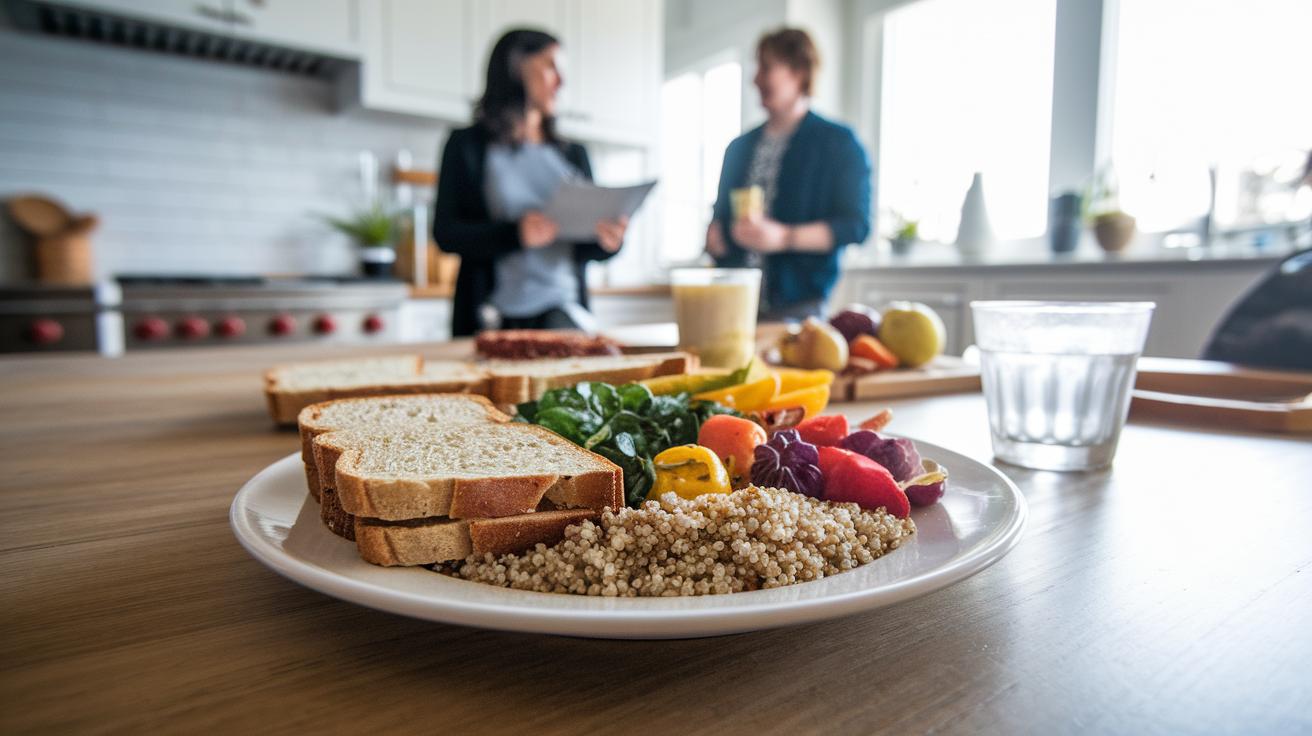
A gluten-free diet helps many people with celiac disease or gluten sensitivity feel better and ease digestive issues. Many find that cutting out wheat reduces inflammation and brings comfort. Some even enjoy a boost in energy when they switch to gluten-free meals.
However, avoiding gluten can mean missing out on fiber and nutrients found in whole grains. To fix this, many gluten-free breads and cereals are enriched with vitamins and minerals. These extra nutrients help support a balanced diet while you adjust to new eating habits.
Pairing naturally gluten-free foods with these fortified products keeps your meal plan nutritious. Fresh fruits, vegetables, beans, and lean proteins add the protein, fiber, and micronutrients your body needs. Mixing whole foods with thoughtfully packaged items creates a strong, healthy diet that supports long-term wellness.
Meal Planning and Quick Gluten-Free Recipe Ideas
Plan your week with meals that mix safe grains, proteins, and a rainbow of vegetables. Start with basic ingredients like brown rice, canned fish, beans, and fresh produce. Write a shopping list and prep portions ahead of time so busy days go smoothly. For instance, cook a pot of brown rice and roast a tray of mixed veggies that you can add to different dishes during the week. This simple approach makes meal planning easy and gives you reliable gluten-free options every day.
Try three fast recipe ideas with common gluten-free ingredients. First, make a stir-fry with rice noodles, lean proteins, and crisp vegetables for a quick, tasty meal. Next, build a grain bowl by mixing brown rice with roasted vegetables and a protein such as beans, then finish with a light citrus dressing. Finally, whip up an omelet with gluten-free toast, adding spinach and tomatoes for a burst of flavor. These ideas keep gluten-free cooking simple, fresh, and satisfying.
Final Words
In the action, the guide covered how to choose safe, naturally gluten-free options and highlighted top packaged picks. It broke down essential cooking ingredients and smart label reading tips that help avoid hidden gluten. A look at nutritional tradeoffs and practical meal planning rounds out this actionable guide.
Short, clear advice like this helps restaurant operations make confident decisions when stocking gluten-free food products. Positive steps like these drive better food safety and smarter menu choices.
FAQ
Q: What are common gluten-free foods and snacks?
A: The list of common gluten-free foods includes naturally safe options like brown rice, buckwheat, fresh fruits and vegetables, beans, dairy, and packaged snacks made without wheat. Resources like PDF guides can offer detailed lists.
Q: What food might be surprisingly gluten-free?
A: The fact that some whole foods, such as potatoes and certain condiments, are surprisingly gluten-free can surprise many. Still, always review labels to avoid unexpected additives.
Q: What should be in a gluten-free grocery list?
A: A solid gluten-free grocery list features naturally safe staples such as fresh produce, certified grains, dairy, proteins, healthy oils, and prepackaged snacks with clear gluten-free labeling to support balanced meals.
Q: Where can I buy quality and affordable gluten-free products?
A: Many grocery stores now have dedicated gluten-free sections offering competitive prices. Additionally, online retailers and specialty chains often provide a variety of gluten-free items, sometimes with discounts or free shipping options.
Q: What are examples of gluten-free meals and how do I follow a gluten-free diet?
A: Gluten-free meals can include rice bowls, stir-fries, and salads combining safe grains, proteins, and vegetables. A gluten-free diet avoids wheat and related grains by emphasizing whole, naturally gluten-free ingredients while checking labels carefully.
Q: Is potato gluten-free?
A: Potatoes are naturally gluten-free and safe for a gluten-free diet, as long as they are not processed with wheat flour or mixed into recipes with gluten-containing ingredients.