

Can today's fast-changing food markets spark new hope for trade? Some fear that rising prices, wild weather, and shifting trade rules could hurt suppliers. Yet local grocers paint a different picture. They adjust quickly and turn tough market times into fresh food opportunities for everyone. This nimble shift could help chefs, vendors, and families find a win-win in global trade. Our look at market trends shows that quick reactions can boost trade and bring new benefits to all.
Understanding Global Food Markets: Trends, Pricing, and Supply Dynamics
Global food markets are full of changes that can boost trade. Prices shift fast due to things like changes in money exchange, weather affecting crops, and new international trade rules. For example, La Mexicana Grocery sells dried shrimp, freshly made churros, whole chickens, and fish fillets. Their mix shows how supply and demand can change when consumer tastes shift during economic ups and downs. Markets need to react quickly to balance extra stock with new needs.
Price changes come from factors like the season, how much it costs to produce goods, and shipping expenses. When fuel prices go up, it drives up the cost of moving perishable items in refrigerators. Consumers also drive trends by asking for unique items. Darou Salam Store, for example, imports palmnut cream, guava juice, and peanut paste. These items can see higher prices if tariffs or limits on imports come into play.
Consumers want variety now more than ever. Marina’s International Deli offers over 50 kinds of meats and more than 10 types of cheese to keep up with changing tastes. Exchange rates play their part too, since a stronger international buying power lets markets pick up finer ingredients. This mix of factors shapes how global food markets work.
Real-world examples like these show why watching market trends is so important. By following shifts in currencies, transport costs, and local production, anyone from chefs to investors can understand the fast-changing global food trade.
Regional Variations in Global Food Markets
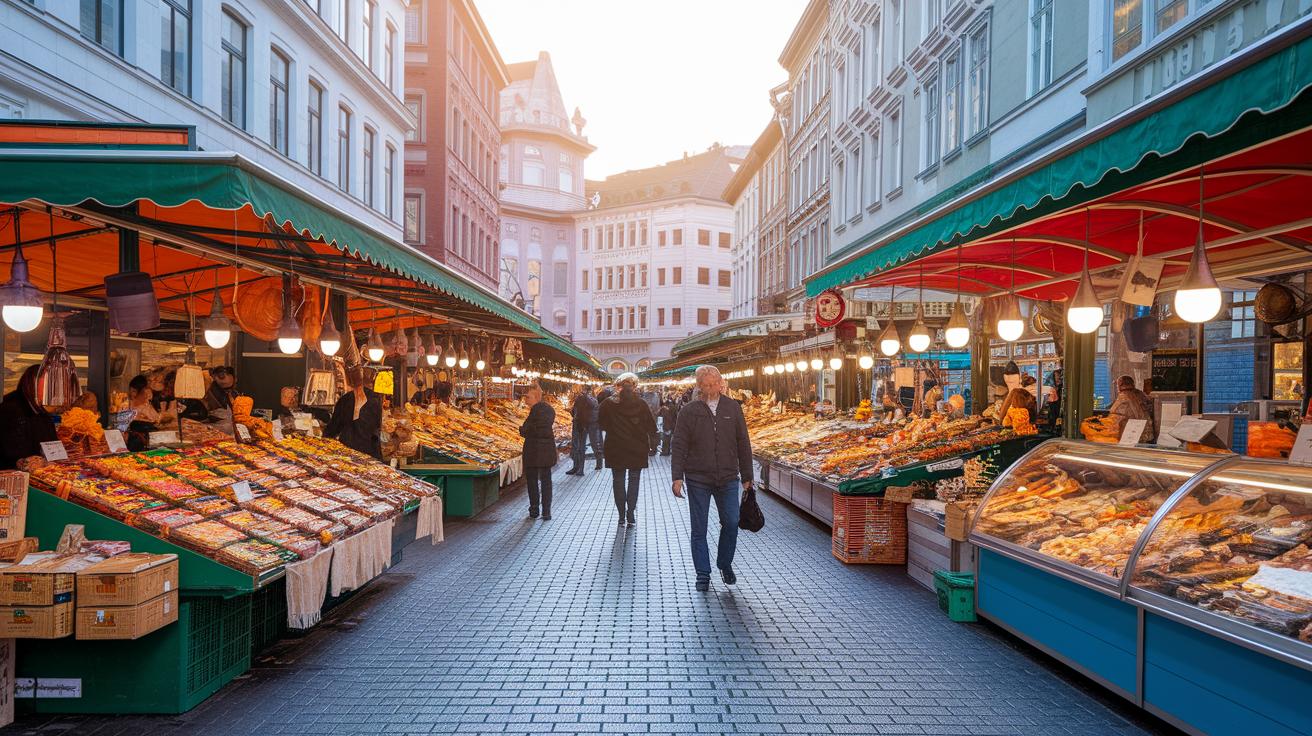
Europe and Asia show very different food market vibes. In Barcelona, La Boqueria bursts with over 300 stalls selling fresh produce, meats, and classic tapas. The market buzzes with energy and changes its offerings with the local harvest.
Over in Amsterdam, Noordermarkt has a calm, upscale feel. This organic farmers market opens on Saturdays and charges more for specialty items because of strict licensing and farm subsidy rules.
Vienna’s Naschmarkt offers a mix of local and international flavors from over 120 stands and restaurants. This market balances local products and imported goods under tight regulations and seasonal trends.
In Taipei, the Ningxia Night Market operates every evening from 5 p.m. to 9 p.m. It is famous for street eats like oyster omelets and stinky tofu. Lighter licensing rules and flexible hours let vendors quickly adjust to what buyers demand.
Each market reflects its own rules, seasonality, and tastes, showing how diverse and dynamic global food scenes can be.
Case Studies of Iconic Hubs in Global Food Markets
Food markets around the world blend rich local history, long-held vendor traditions, and modern consumer tastes. Each hub has its own unique vibe and famed food specialties, yet they all wrestle with similar rules and supply challenges. London's Borough Market, for instance, boasts over 100 stalls and a renewed spirit following a three-day Food Lovers’ Fair in 1998. Its Monday closures play a big role in how both buyers and sellers plan their trips.
Over in Tokyo, the Tsukiji Outer Market keeps its reputation alive by serving fresh eel, tobiko, and udon noodles even after its main auction moved. In Chile, Santiago’s Mercado Central has stood as a national landmark since 1984. Known for its fresh seafood, it pairs well with the nearby La Vega market, which specializes in fruits and vegetables.
Marrakesh’s Jemaa el-Fnaa mixes cuisine with cultural flair. As a UNESCO Heritage site since 2001, its bustling street food scene and live performances captivate locals and tourists alike. Meanwhile, Florence’s Mercato Centrale brings a twist by dividing its spaces: the ground floor offers local produce, meats, and cheeses, while the upper food hall spotlights artisan treats. These examples highlight the balance between beloved local food traditions and today’s market demands, alongside the challenges of varying rules and operating methods.
| Location | Stall Count | Signature Offerings | Operation Details |
|---|---|---|---|
| Borough Market, London, UK | 100+ | Varied British and international foods | Closed Mondays; transformed by a 1998 Food Lovers’ Fair |
| Tsukiji Outer Market, Tokyo, Japan | Varies | Fresh eel, tobiko, udon noodles | Main auction relocated; outer market remains active |
| Mercado Central, Santiago, Chile | Not specified | Fresh seafood and produce via La Vega | Declared a national monument in 1984 |
| Jemaa el-Fnaa, Marrakesh, Morocco | Not specified | Street food and cultural performances | UNESCO Heritage site since 2001 |
| Mercato Centrale, Florence, Italy | Not specified | Local produce, meats, cheeses, artisan treats | Two-level market with dedicated food hall |
Technological Innovations Shaping Global Food Distribution Networks
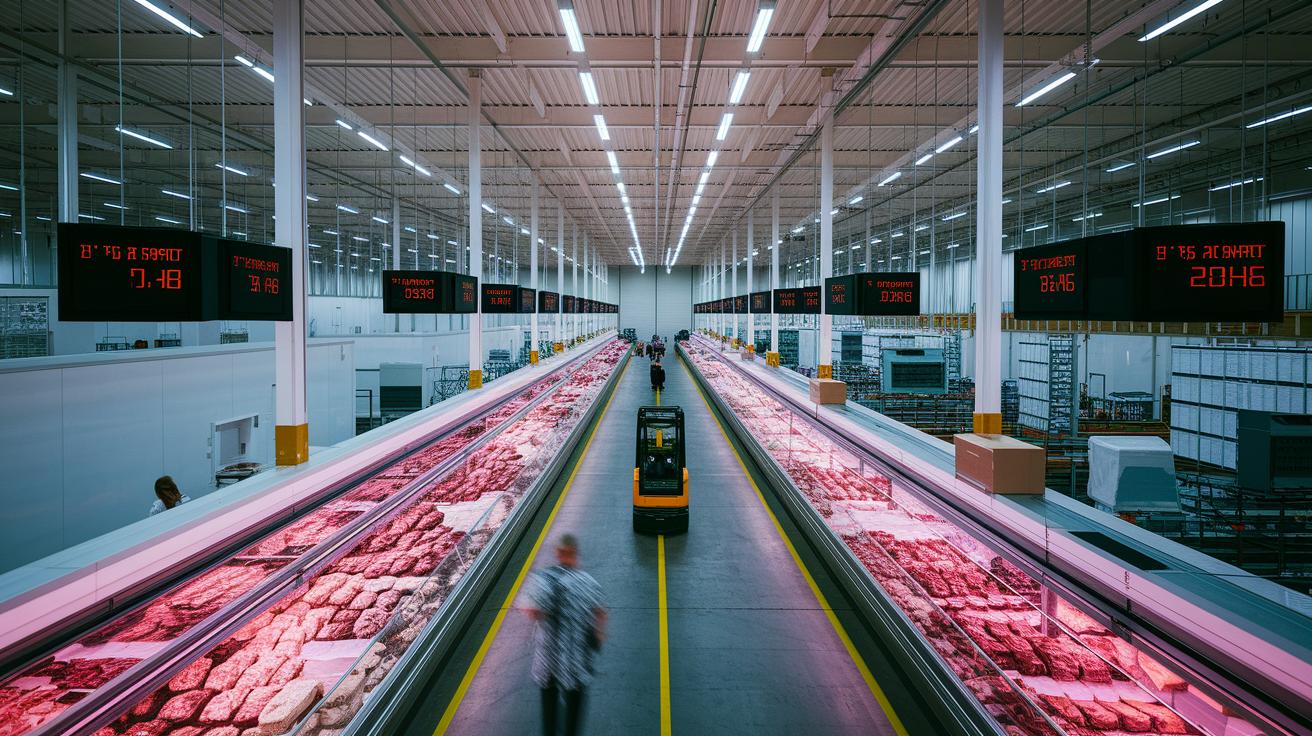
Today, food supply chains lean on modern technology to keep products safe and on schedule. Marina’s International Deli, which offers 50 types of meat and over 10 varieties of cheese, shows how real-time temperature monitoring keeps a wide range of items fresh. At Tokyo Foods, services mix perishable items like fresh eel with extra offerings such as movie rentals. This makes controlled temperature logistics a must. La Mexicana Grocery also relies on advanced refrigerated transport to move fresh whole chickens and fish fillets safely.
These examples show that the food industry is embracing smart technology to upgrade distribution. Here are six key innovations shaping how food reaches our tables:
-
IoT sensors for perishables
Picture sensors that track every part of a shipment. They help ensure that temperature-sensitive items stay safe from the farm to your plate. -
Blockchain tracing
Tamper-proof records verify the source and journey of ingredients. This builds trust for both buyers and sellers. -
AI demand forecasting
Intelligent algorithms predict stock needs based on trends. This reduces waste and leads to smarter supply decisions. -
Automated warehousing
Robots and smart systems simplify storage and retrieval. They speed up the process of moving goods. -
Mobile ordering platforms
These platforms allow retailers to manage orders instantly. This boosts order accuracy and customer satisfaction. -
Cold-chain robotics
Advanced robots handle refrigerated products with care. They help even the most delicate items keep their quality during transit.
Trade Policies and Regulatory Impacts on Global Food Markets
Trade policies play a big role in how food moves around the world. Simple rules like tariffs, quotas, and bilateral deals affect imports and exports. For example, Darou Salam Store deals with high tariffs and strict quota limits on palmnut cream and peanut paste, which drive up costs for shoppers. Fair trade labels, such as the one on Senegalese guava juice, build trust by showing that products come from ethical sources and can change export prices and amounts.
Changes in currency values also matter. When a local currency weakens, the cost of imported food goes up and foreign items lose their edge in local markets. This makes it important for importers to plan carefully and manage risks from exchange rate changes.
Food safety rules add another layer of challenge. Different countries have their own labeling and inspection requirements, so importers must learn and follow each set of guidelines. Many traders choose to standardize safety measures to meet market rules. Sometimes, improving local safety standards can even help international trade run smoother.
Countries can lower trade barriers with agreements, but varying rules mean that producers and buyers must stay alert to new policies. Global food markets keep changing as new trade policies and currency shifts reshape how food is sold and bought around the world.
Forecasts and Investment Opportunities in Global Food Markets
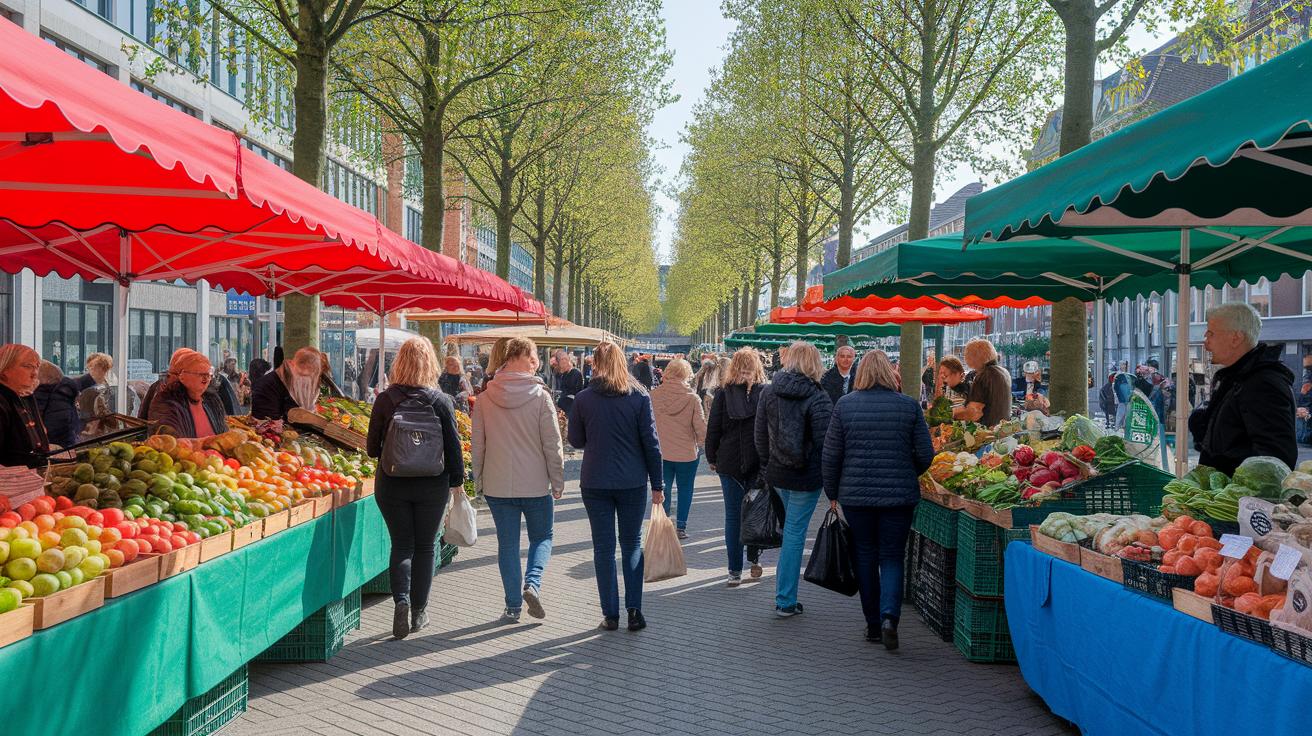
Food markets around the world hint at a wave of new investments driven by growing trade optimism. Consumers now favor organic and eco-friendly choices, which bodes well for many food retailers. For instance, Noordermarkt's shift to organic Saturdays shows that organic produce could grow at a brisk rate. Picture a Saturday market full of fresh, vibrant stands that signal a rapid change in the industry.
La Boqueria recently expanded to more than 300 stalls. This move shows that people are eager to buy specialty and artisanal foods, making these markets a magnet for investors interested in unique and local products. Digital grocery services, such as those from Tokyo Foods, are also grabbing a larger share of the market. This trend opens up quick opportunities for food companies that use technology to sell groceries.
Big companies are also joining forces through mergers and acquisitions. They want to compete better and navigate strict rules together. Investors are looking at climate-smart farming practices next, which promise strong, steady supply chains and good returns. These green methods match what shoppers want today and often come with government support.
Key opportunity areas include:
- Organic produce growth
- Specialty and artisanal food expansion
- Digital retail and e-commerce models
- Climate-smart agricultural investments
Final Words
In the action, we examined key trends, pricing factors, and supply dynamics across global food markets. We broke down regional variations and highlighted notable hubs, demonstrating how real-world examples drive today's edible trades. The analysis also showed how emerging technology and shifting trade policies shape product flows.
This overview offers clear, actionable insights for staying competitive and agile in a fast-changing industry. Armed with this intelligence, decision-makers can confidently steer their operations toward a positive future.
FAQ
Q: Global food markets near California
Global food markets near California offer diverse international ingredients and fresh produce. They blend local flavors with imports from around the globe, meeting varied culinary tastes in a dynamic retail setting.
Q: Global food markets near Texas
Global food markets near Texas showcase a blend of traditional and international foods. They feature imported spices, specialty items, and fresh ingredients that cater to the needs of multicultural communities in the region.
Q: Global food markets near me
Global food markets near you often feature a mix of international products and locally sourced produce. They provide a convenient way to explore diverse culinary ingredients, reflecting the community’s cultural variety.
Q: Global food markets today
Global food markets today are shaped by evolving supply dynamics and pricing trends. They combine traditional market practices with modern technology to deliver a broad range of international foods efficiently.
Q: Global Food Markets Woodridge
Global Food Markets in Woodridge serve local customers with a wide selection of international staples and fresh offerings. These markets deliver culturally diverse ingredients in a welcoming neighborhood setting.
Q: Global Food Markets photos
Global Food Markets photos capture vibrant displays of fresh produce, colorful stalls, and a rich array of imported products. The images showcase the lively atmosphere and international culinary diversity of these markets.
Q: Global Food Market locations
Global Food Market locations are spread across urban, suburban, and regional areas worldwide. They adapt to local tastes while providing access to international cuisines and specialty ingredients.
Q: Worldwide International Food Market
The Worldwide International Food Market represents the global trade of edible goods. It mirrors trends in international exchanges, economic influences, and diverse product offerings that shape the food sector worldwide.