Trends
Food Trends 2025: Fresh Flavors, Healthy Options
By blakeharrington
December 29, 2025
Field Notes
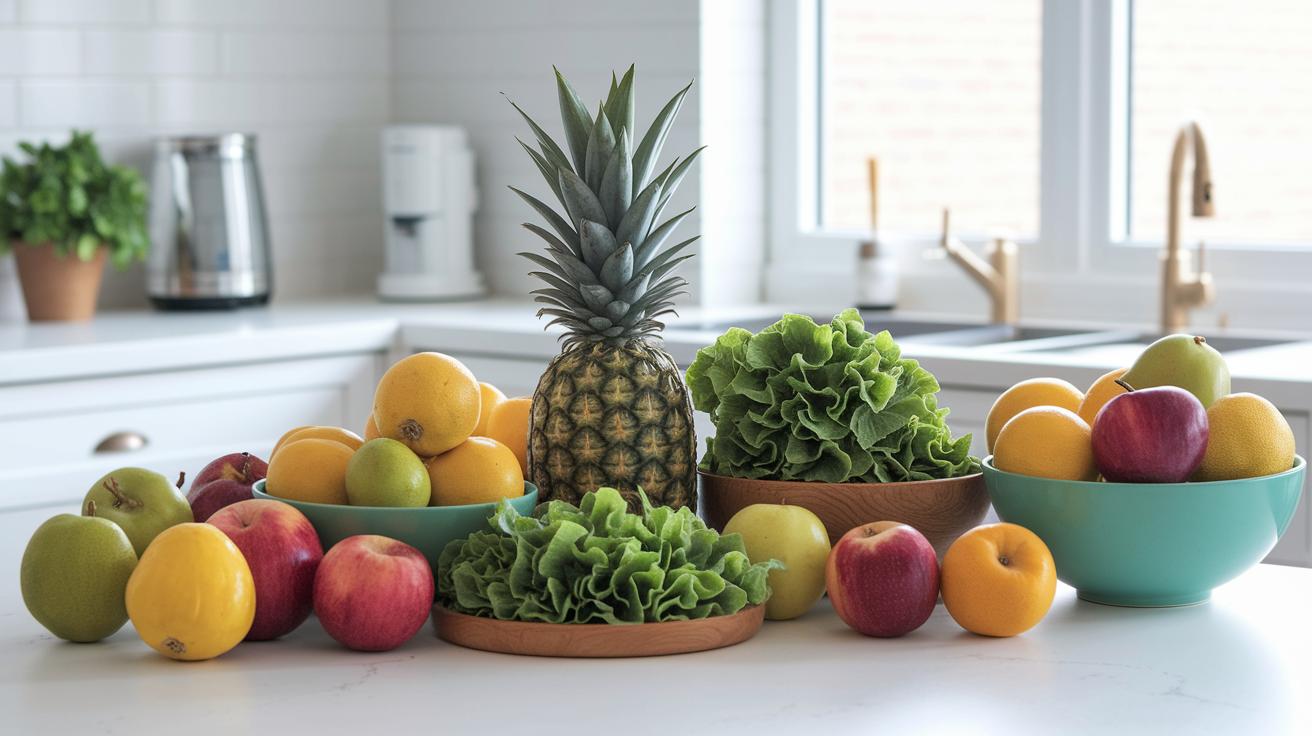
Ever wonder if your taste buds are ready for a change?
Food in 2025 will feature bold flavors and healthier options that shake up the way we eat. Menus are moving past the usual, blending classic recipes with global twists.
New numbers show a clear move toward sustainability and creative menus.
This post breaks down how fresh tastes and smart, healthy picks are reshaping dining for the coming year.
Food Trends 2025: Key Predictions and Market Drivers
The food scene in 2025 is set for big change. Global flavors and fresh service ideas are taking over. People want to try new tastes, and 58% are keen on mixing old and new flavors. This shift means many are leaving behind standard menus for dishes that are unique, culturally rich, and healthier.
Recent numbers back up these trends. The plant-based market is expected to hit $74.2 billion by 2027 with an 11.9% growth rate. Lab-grown meat could reach $5.1 billion by 2025 as it grows 41.4% faster. Meanwhile, tech in the kitchen, like AI and automation, is predicted to boost food prep spending to nearly $30 billion by 2025. Ghost kitchens , restaurants that only handle delivery orders , might push the overall market impact to $1 trillion globally by 2030. Also, 53% of consumers say they are willing to pay 10% more for products that are sustainably sourced, and about 75% of meals will be eaten off-premise.
These signals are pushing the industry to combine classic cooking with modern tech. Chefs, restaurant owners, and suppliers are rethinking their plans to capture these new trends and serve up dishes that honor tradition while embracing change.
Viral Recipe Creations Driving Food Trends 2025

Digital food culture is changing how we plan meals in a fun and smart way. TikTok cooks and food creators are trying out new recipe hacks that mix comfort food with creative twists. These viral recipes show how home kitchens can be affordable, playful, and tasty. For instance, you might see a trick that turns basic ingredients into an Instagram-ready dish.
- Dalgona whipped coffee with a seasonal twist
- Frog bread mixing bold flavor with an unexpected texture
- The 5-4-3-2-1 shopping hack for putting together balanced menus all week
- Budget-friendly Dollar Tree arroz con pollo for smart spending
- Tuna melts crafted from regular grocery hauls
- Leftover pizza turned into a fun sandwich base
- Nutella grilled cheese combining melted brie with a crunchy finish
- Whipped Dr. Pepper reborn with autumn spices
These creative recipes offer more than just new flavors. They point to a shift toward easy, healthy meal ideas that cut down waste and boost flavor. By sharing these recipes, creators give everyday home cooks a chance to mix up classic dishes and keep meals fresh and affordable.
Plant-Based Revolution within Food Trends 2025
The alternative protein field is moving away from just big numbers and market size. Instead, industry experts are spotlighting new technology that is changing the way proteins are made and enjoyed.
Cultivated Meat Technologies
New advances in cell-based meat mean that scientists can now grow steak-like products in controlled lab settings. They are working hard to make these products more efficient, enhance their nutrient value, and lighten their environmental footprint. Imagine turning simple cells into a piece of meat that tastes and feels like a traditional steak.
Insect and Novel Protein Sources
Innovators are also exploring the use of insect proteins combined with other unconventional ingredients to add variety and reduce resource use. Recent studies show that these proteins bring unique textures and flavors while needing fewer resources, offering an allergen-friendly option for many consumers. Think of cricket flour mixed into baked goods for a nutty flavor and a protein boost.
These changes point to a future where protein production is driven by innovation and sustainability. The focus is on creating nutrient-rich and eco-friendly food options that meet the evolving needs of consumers.
Sustainability as a Core of Food Trends 2025
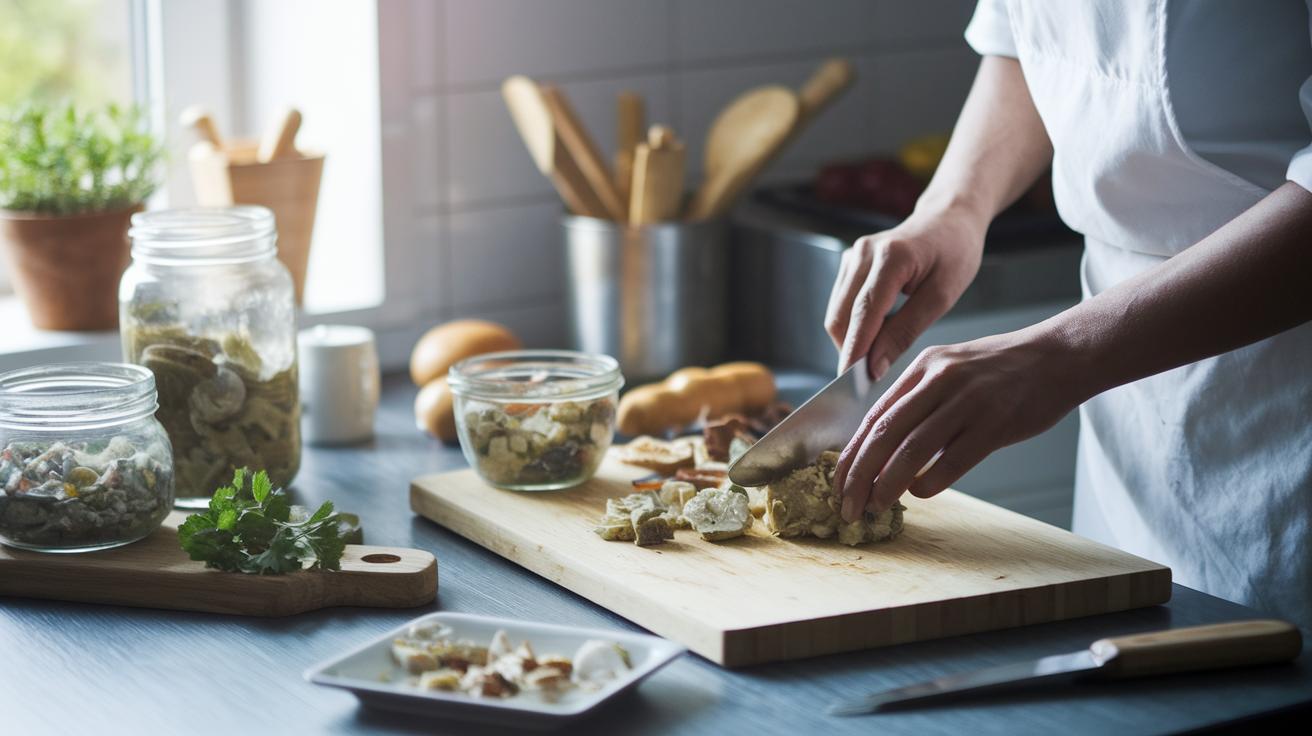
Food leaders are shifting to greener practices in kitchens to cut waste and meet the growing demand for responsibly sourced meals. Global food waste reaches 1.3 billion tons each year, making cooks and companies rethink how they use ingredients.
Many restaurants now use zero waste methods that turn leftovers into new dishes. Chefs are also using upcycled ingredients to transform food by-products into appealing recipes. Over 53% of consumers say they are willing to pay extra for food made with ethical practices. More details on sustainable food can be found at https://matpple.com?p=163.
| Practice | Impact | Adoption Rate |
|---|---|---|
| Zero-waste cooking | Cuts food waste by repurposing unused ingredients | Growing across mainstream kitchens |
| Upcycled ingredients | Turns by-products into innovative dishes and supports a $46.7B market | 5% annual growth in commercial use |
| Regenerative agriculture | Uses techniques to capture CO₂ emissions yearly | Increasing implementation in partnerships |
| Eco-friendly packaging | Reduces waste and plastic use while boosting brand sustainability | Rapid adoption among food service providers |
These eco-friendly practices not only reduce the environmental impact of food production but also spark fresh ideas in dining. Chefs blend creative recipes with ethical sourcing to serve up both tasty and healthy meals. As sustainability steers the food industry, operators are taking steps to connect with eco-aware customers and build a greener future.
Food Trends 2025: Fresh Flavors, Healthy Options
In 2025, food trends are headed in a healthier direction. Market data shows that the functional foods sector, which was worth $177.77 billion in 2020, is set to grow by 8.6% by 2028. Immunity-boosting foods are expected to rise by 7.3% by 2027, while the global wellness market now exceeds $1.5 trillion. These numbers reflect a clear shift toward meals that support digestion and overall health.
Kitchens are embracing new ingredients that offer both bold flavors and health benefits. Dishes packed with probiotics and superfoods are popping up on menus everywhere. Chefs and innovators are turning to ingredients that promote gut health and overall well-being, a trend that appeals to diners seeking not just great taste but added nutritional value.
Restaurants and food brands are also customizing menus to match specific dietary needs. Many are reducing sugar and tailoring recipes for diets like keto or paleo. This focus on personalized nutrition means you can enjoy meals that are both delicious and aligned with your wellness goals.
Culinary Tech Advancements in Food Trends 2025
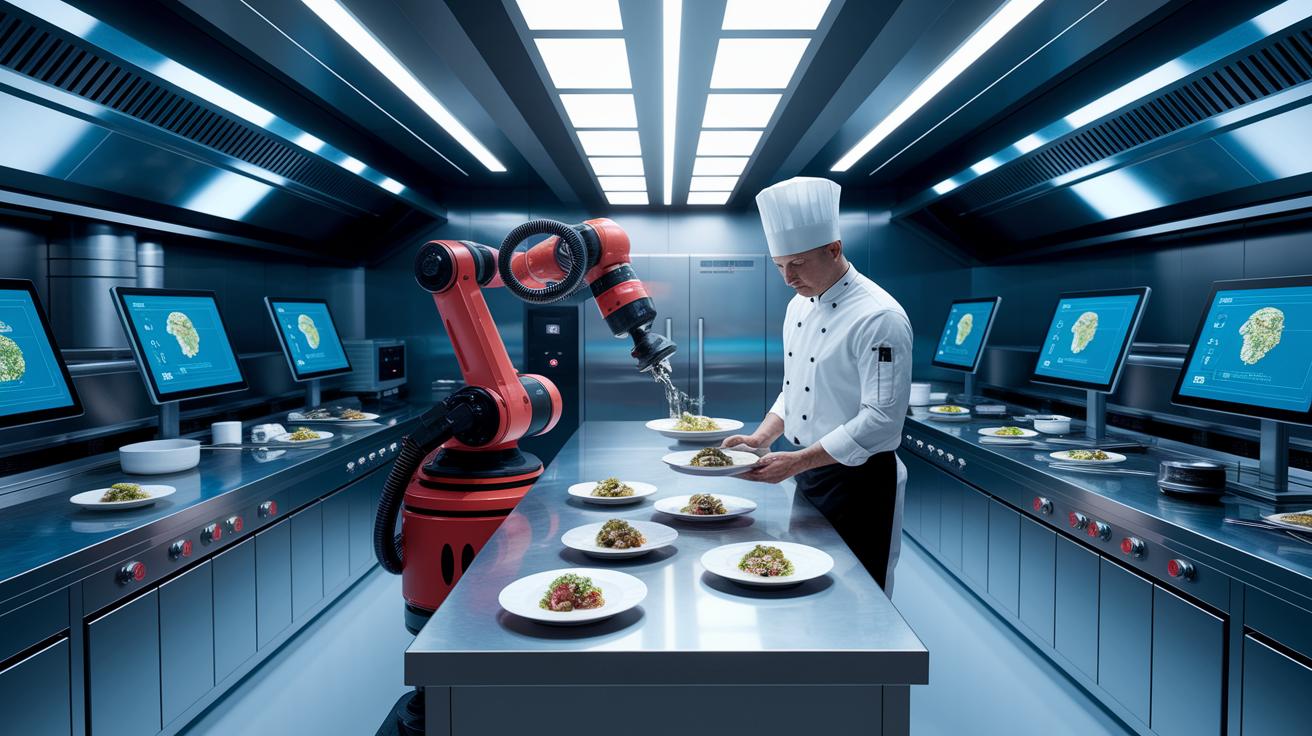
In 2025, new kitchen technology is changing how food is made. Smart tools and efficient systems are helping cooks save time and cut down on waste. The market for AI and automation in food prep is expected to reach $29.94 billion by 2025, growing 45.77% each year. Smart appliances with IoT sensors (devices that track and share data) give chefs the consistency and precision they need. Robotic chefs take care of repeated tasks while making intricate dishes with fewer errors. Prototypes of 3D-printed edibles are also on the rise, offering customized food and playful presentation.
AI-Driven Recipe Development
New AI tools study flavor profiles and ingredient pairings to suggest creative yet simple dishes. This technology helps chefs experiment with new tastes while avoiding expensive trial and error.
Robotic and 3D printing applications
Robots are used for precise food preparation, and 3D printing adds a fun twist by creating edible art. These advanced tools are raising the standard for both creativity and efficiency in the kitchen.
Experiential Dining Experiences in Food Trends 2025
Millennials now put experiences ahead of products, and that is changing how we eat. People look for spots where the setting and creative food presentation are just as important as the meal itself. Restaurants are turning into lively stages for social media snaps, friendly chats, and memories that last well beyond dinner.
Modern technology is also adding a twist to dining. Many restaurants now use AR (augmented reality) and VR (virtual reality) along with other sensory effects to make visits feel like mini-adventures. This tech boost lets guests interact with their surroundings in fun, tactile ways that enhance the taste and look of their food.
Event-based dining is gaining ground too. Pop-up dinners and chef-led workshops are drawing food enthusiasts into unique experiences. Meanwhile, virtual and ghost kitchen models blend online convenience with live interactions. These fresh ideas are fueling a new wave of interactive dining that invites customers to explore and connect with every dish.
Service Models Shaping Food Trends 2025

Ghost kitchens and virtual brands are changing how people eat. Experts predict the market could hit $1 trillion by 2030. These delivery-only setups let restaurants cut costs and work faster, making the most of the fact that nearly 75% of meals are eaten off-site.
In city centers, subscription meal services are on the rise. These services deliver ready-to-cook or ready-to-eat meals, saving time while keeping quality high. Busy urban diners now get a steady flow of chef-curated dishes through simple monthly plans.
Online food platforms are also winning over shoppers by making grocery and specialty food buys easy and reliable. With smart design and personal recommendations, these platforms offer quick, efficient deliveries that drive a shift to digital, customer-focused food service.
Flavor Innovation and Fusion Driving Food Trends 2025
Consumers want fun new twists on classic dishes, with 58% interested in trying global mashups. Chefs are blending flavors from Korea, Mexico, India, and the Mediterranean to create bold, unexpected meals. They are even switching out regular ingredients for alternative flours like teff, amaranth, and cassava. These changes not only add fresh textures but also tap into a market expected to reach $35.24 billion by 2028, growing 7.2% each year. This trend shows how the food industry is mixing tradition with creative new ideas.
In 2025, innovative spice blends are also shaking things up. Culinary teams add exotic seasonings to transform familiar recipes into vibrant dishes. With ingredients such as smoky paprika and aromatic garam masala, these spices bring layers of flavor that make every bite memorable. By using these dynamic blends, restaurants are stepping up their game and offering diners fresh, diverse, and exciting culinary experiences.
Local Sourcing and Farm-to-Table Momentum in Food Trends 2025
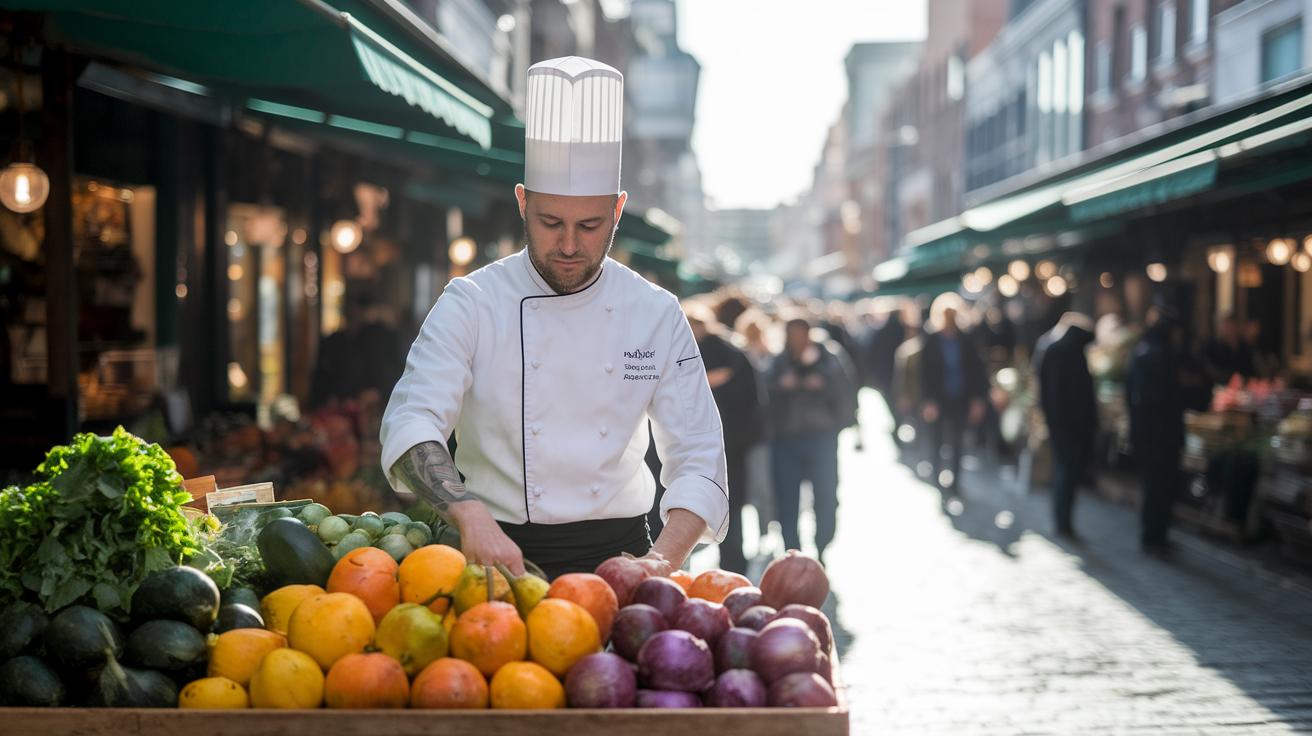
Local sourcing is changing how restaurants design their menus and build their supply chains. More eateries and food brands are turning to farms nearby to get fresh ingredients straight from the source. The U.S. local food market is growing fast – from $20.2 billion in 2019 to an expected $23.3 billion by 2025 – making regional ingredients a key trend. Urban vertical farms now cut out extra steps by delivering produce that is fresher and more seasonal. Plus, regenerative agriculture (farming methods that improve soil health) is boosting crop quality and yield.
- Renewed bonds with local farms are driving a rise in restaurants that focus on regional ingredients.
- Urban vertical farms shorten the supply chain, offering seasonal produce with a lower impact on the environment.
- Regenerative agriculture practices keep soils healthy and help crops stay strong for consistent quality.
- Hyper-local sourcing directly links community growers with restaurant kitchens.
These trends are doing more than update menus; they are strengthening local economies. Chefs and food providers are teaming up with community farmers and urban producers to create dining experiences that are both innovative and sustainable in 2025.
Final Words
In the action, we broke down emerging tech, fusion flavors, and sustainable sourcing, along with health-forward innovation and reimagined service models. Each section showed how shifting data and consumer habits are reshaping menus and operations. Our detailed look at market forecasts, from ethnic fusion dishes to advanced food prep, equips you to tackle changes head on. Keep an eye on food trends 2025 and let these insights guide your next steps toward a creative, secure future in the industry.
FAQ
Food trends 2026
Food trends in 2026 signal a shift toward sustainability, tech integration, and global fusion influences as diners seek healthier and eco-conscious dining options.
Food trends 2025 USA
Food trends in the USA for 2025 show a rise in plant-based dishes, digital culinary experiences, and sustainable sourcing to meet growing consumer eco-concerns and health focus.
Restaurant food trends 2025
Restaurant trends in 2025 highlight ghost kitchens, off-site dining, and immersive experiences driven by tech advancements and consumer demand for innovative meals.
Healthy food trends 2025
Healthy food trends in 2025 focus on functional ingredients, gut-friendly recipes, and low-sugar menus as wellness and balanced nutrition take center stage in dining.
Food trends 2025 TikTok
Food trends on TikTok in 2025 include viral recipes and creative hacks that blend traditional tastes with modern twists, influencing snack trends and home cooking styles.
Gen Z food trends 2025
Gen Z food trends in 2025 lean toward experimental dishes, plant-based options, and tech-enhanced dining experiences, reflecting their desire for bold flavors and sustainable eating.
Food trends 2025 in America
Food trends in America for 2025 embrace global fusion, plant-based innovations, and sustainable practices as consumers seek fresh, ethical, and inventive meal options.
Fast food trends 2025
Fast food trends in 2025 feature digital ordering, healthier ingredients, and alternative proteins, with a growing interest in robotic preparation and virtual brand experiences.
What is the next big food trend in 2025?
The next big food trend in 2025 is the rise of tech-driven kitchens and alternative proteins, where AI and automation join plant-based innovations to change meal production.
What’s the newest trend in 2025?
The newest trend in 2025 brings virtual dining experiences and increased focus on sustainable practices alongside global fusion dishes that cater to evolving consumer tastes.
What is the snack trend in 2025?
The snack trend in 2025 is marked by viral recipes and flavor innovations, with quick, creative options emerging from digital platforms that capture widespread interest.
What will you eat in 2025?
In 2025, meals may feature a blend of plant-based proteins, diverse ethnic fusion flavors, and tech-driven culinary techniques designed to offer both health benefits and creative tastes.