
Ever wonder if your favorite restaurant really cares about food safety?
Food inspections check everything, from how food is stored to how it lands on your plate.
They catch issues like expired ingredients and pest problems to keep your meals fresh and safe.
These checks build trust, showing that food operators work hard to protect your health.
Next time you dine out, know that inspections help ensure a safer meal for you.
Food Safety Inspection Process and Standards
Food safety inspections protect our health by checking that food businesses follow proper practices. The Iowa Department of Inspections, Appeals and Licensing – Food Safety Bureau reviews many types of places such as grocery stores, restaurants, convenience stores, food processing plants, home food processors, and hotels. Inspectors look for problems like mouse droppings, flies in drinks, and expired food. This careful check helps build trust, showing that food businesses work hard to serve safe and quality products.
These inspections follow federal safety rules like USDA Safety Regulations. Inspectors review detailed records and walk through facilities to spot hazards before they affect customers. This process not only keeps consumers safe but also guides food operators to fix problems and improve food quality.
- Application filing and pre-audit review
- Documentation and record validation
- On-site facility walkthrough
- Sampling and microbial testing
- Hazard control verification
- Final report and compliance recommendations
Each step matters. The application filing and pre-audit review set the stage for a clear inspection. Reviewing documents and the on-site walkthrough ensure that operations meet safety standards. Microbial tests uncover issues that might otherwise go unnoticed. Hazard control checks confirm that preventive measures are in place, and the final report gives clear advice for compliance. Together, these steps help keep our food system safe and build consumer confidence.
Inspection Criteria and Regulatory Requirements for Food Safety Inspection

Federal and state rules shape how food safety is checked. The FDA and USDA FSIS team up with local health departments to set clear guidelines that protect public health. The FDA follows the Food Code and Good Manufacturing Practices to keep prepared foods safe and free from harmful germs. Meanwhile, the USDA FSIS focuses on meat, poultry, and egg safety using specific acts, and local rules keep an eye on retail and restaurant settings. Together, these rules form a solid system that helps food businesses operate safely.
A big part of inspections is looking at hazard points. Inspectors use HACCP (Hazard Analysis and Critical Control Point) methods to find where risks can happen in food processing and handling. By checking these key points, officials make sure that safety measures are in place before any danger reaches consumers. Regular audits also confirm that records, procedures, and storage follow the guidelines set by federal and state laws.
| Agency | Key Regulation | Inspection Focus |
|---|---|---|
| FDA | Food Code, GMP | Prepared foods, microbial hazards |
| USDA FSIS | Meat & Poultry Acts | Meat, poultry, eggs |
| State/Local Health Dept | State Food Codes | Retail & restaurants |
These rules and checks work together to protect consumers. They ensure that food establishments follow strict safety practices, reduce the risk of contamination, and boost our confidence in the food supply.
Food Safety Inspection: Inspiring Trust and Quality
Before an inspection, food establishments first review a checklist and all relevant documents. They look over old inspection reports to spot trends like recurring issues with expired foods or signs of pests. Operators can use these insights to adjust their practices and keep all records, such as cleaning schedules and maintenance logs, current. This step sets the stage for a successful inspection.
Regular cleaning checks are crucial. Establishments keep daily and weekly cleaning logs that track every task. These detailed records show that the space stays clean and highlight any time extra effort was needed. Keeping up with this log builds a history of care that reassures both inspectors and customers.
Employee hygiene training is another must. Routine sessions teach proper handwashing, cleaning of equipment, and personal cleanliness. Managers can offer quick refresher courses and live demonstrations to keep everyone on the same page. This steady focus on hygiene helps create a safer food environment.
Preventative safety measures also play a key role. Using proper temperature controls, setting up alerts, calibrating sensors, and even using a complete food safety plan can stop problems before they start. This careful preparation not only follows rules but also builds trust and quality in every dish served.
Common Food Safety Inspection Violations and Remediation
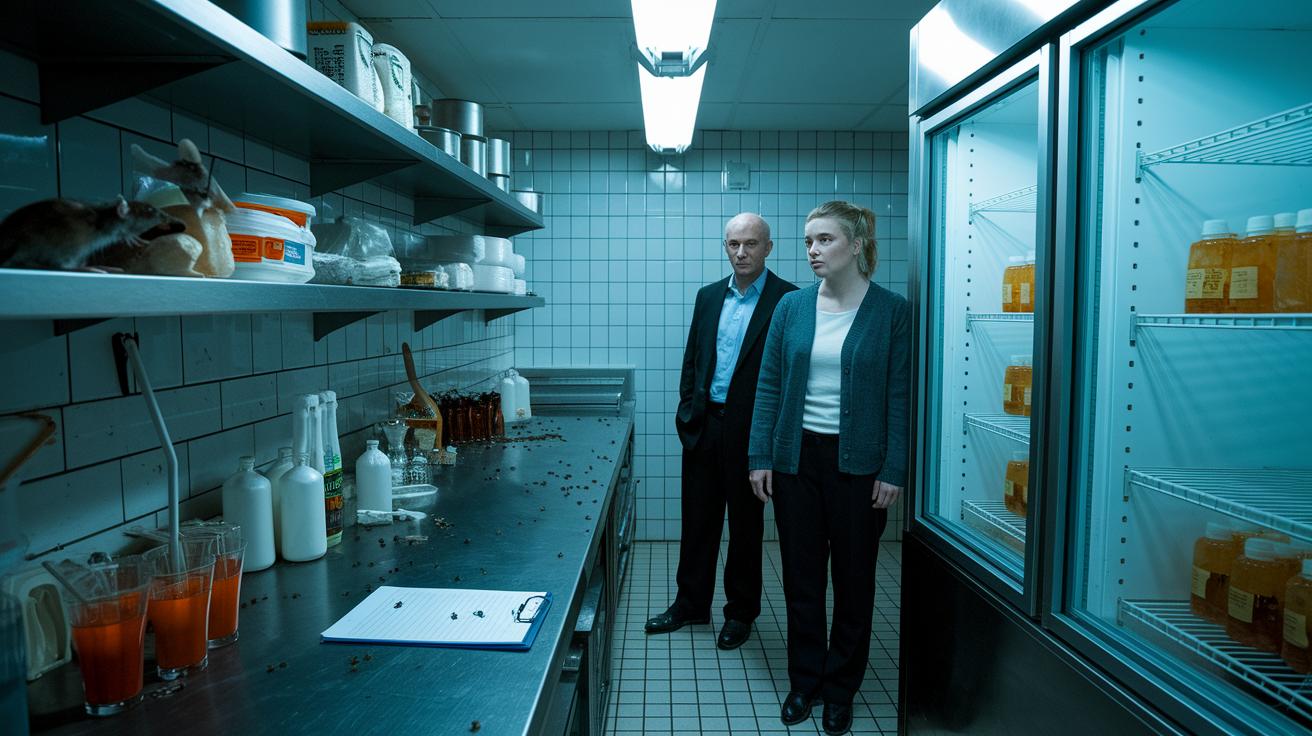
On January 9, 2026, inspectors found that food establishments often had mouse droppings, expired products, and flies in drinks. These issues point to weak controls in preventing cross-contamination, keeping items at the right temperature, and proper storage. As a result, owners must take quick action to fix these problems and safeguard consumers.
Many of these problems come from poor storage habits and temperature mistakes. When food items aren’t organized correctly, they spoil faster and risk contaminating other products. Often, these mistakes happen because refrigerators aren’t checked regularly or items are placed in the wrong spot.
Pest problems add another layer of risk. Discovering flies in beverages shows that cleaning routines and pest control methods are not strong enough. Insufficient cleaning makes it easier for pests to invade, which puts food safety at risk.
Fixing these issues means owners need to act on two fronts. First, they must enforce strict storage rules and monitor temperatures with regular checks and proper equipment calibration. Second, they need to improve pest control through rigorous cleaning schedules and, if needed, professional treatments. Taking these steps consistently helps lower the risk of foodborne illnesses and builds customer trust in the quality and safety of the food served.
Government Agencies Overseeing Food Safety Inspection
At a national level, two main agencies help keep our food safe: the FDA and the USDA FSIS. The FDA checks food rules and how products are made, while the USDA FSIS inspects meat, poultry, and eggs to ensure they meet safety standards.
Local and state health departments shape these federal guidelines to fit their communities. In Iowa, for instance, the Department of Inspections, Appeals and Licensing – Food Safety Bureau licenses and inspects food establishments and also manages registrations for amusement devices and charitable-gambling licenses.
If you need details on local rules or contacts, check your local health department website or state portal. These sites offer inspection reports and license applications, making it easier for both food operators and consumers to get the information they need.
Career Paths and Training for Food Safety Inspection Professionals

Most new food safety inspectors start as compliance assistants or junior inspectors. They usually need a high school diploma and a basic grasp of hygiene, local rules, and cleaning methods. Employers appreciate candidates who are eager to learn and ready to get hands-on training with experienced inspectors.
Certification programs are key to building the skills needed in this field. Government and state courses offer practical workshops and structured classes that cover safety rules and proper record keeping. These sessions teach inspectors how to use federal food codes in real-life situations, making it easier for them to handle inspections confidently.
With experience, inspectors can move into senior roles with more responsibility and higher pay. Many advance from entry-level jobs to positions where they manage teams and lead audits in various facilities. Continuous training like refresher courses, advanced certifications, and mentorship programs ensures they stay updated on ever-changing safety standards. This steady growth not only helps the individual but also boosts public health by ensuring food remains safe for everyone.
Final Words
in the action, this post walked through step-by-step procedures, core standards, and preparation tips for a smooth food safety inspection. We covered inspection steps, regulatory criteria, and common violations while shining a light on government oversight and career routes in this field.
Every detail matters when protecting your business and customers. Applying these insights can lead to stronger compliance and safer dining experiences. Keep refining practices and focus on what makes your place stand out through quality food safety inspection.
FAQ
What is a food safety inspection checklist?
A food safety inspection checklist outlines the key items to be reviewed, including facility conditions, record keeping, and hazard controls, to help ensure establishments meet health and safety standards.
What is the Food Safety and Inspection Service (FSIS)?
The Food Safety and Inspection Service oversees the safety of meat, poultry, and eggs by setting standards, inspecting facilities, and enforcing compliance with federal regulations to protect consumers.
What are food safety inspection companies?
Food safety inspection companies are independent firms that evaluate food establishments, checking compliance with health codes, proper documentation, sanitization, and risk management practices to prevent health hazards.
What is a food safety inspection report?
A food safety inspection report collects and summarizes findings from an inspection, highlighting areas of compliance and violations while providing recommendations for corrective actions to ensure a safe food environment.
What are the four types of inspections?
The four types of inspections generally include routine, follow-up, complaint-driven, and special-issue inspections, each designed to address different aspects of food safety and ensure thorough regulatory oversight.
What is a food safety inspection?
A food safety inspection is a process that reviews facility operations, record keeping, and sanitation practices to identify potential hazards and ensure compliance with health codes and regulatory standards.
What are the five basic food safety rules?
The five basic food safety rules include thorough handwashing, preventing cross-contamination, cooking foods to appropriate temperatures, proper food storage, and keeping surfaces clean to reduce the risk of foodborne illnesses.
Is the FDA stopping food safety inspections?
The FDA continues to perform food safety inspections, adjusting schedules as needed based on current risks and resource availability, to maintain high safety standards across food establishments.
What does “food safety inspection trump” mean?
The phrase “food safety inspection trump” is unclear in standard regulatory language; it may be a misunderstood term. For accurate practices, always refer to official regulatory guidelines when evaluating food safety.