

Ever wondered if skipping a hand wash or a stray droplet of juice could make dinner unsafe? Food safety rules help keep every meal safe. Wipe surfaces clean and keep raw foods separate from ready-to-eat items to stop germs before they start. Whether you’re cooking at home or managing a busy kitchen, clear guidelines help you serve food you can trust. Here are four easy steps to keep your food quality and safety in check.
Core Practices in Food Safety Guidelines
Good food safety rules keep your kitchen safe at home and help restaurants meet high standards. Keeping your food area tidy cuts down on germs that can spread when food is not handled right.
Using four easy steps, Clean, Separate, Cook, and Chill, can help stop foodborne illnesses. Both home cooks and restaurant chefs can use these tips to keep food safe and customers happy.
-
Clean
- Wash your hands with soap for at least 20 seconds.
- Wipe down countertops and surfaces after each use.
- Use cleaning products that are approved for food areas.
-
Separate
- Use different cutting boards for raw meat and fresh fruits or vegetables.
- Store food in sealed containers so items do not touch.
- Keep raw foods away from ready-to-eat items.
-
Cook
- Check food temperatures with a food thermometer: poultry must hit 165°F, ground meat should reach 160°F, and leftovers need 165°F.
- Watch cooking times to kill harmful bacteria.
- Adjust your heat to cook food evenly.
-
Chill
- Put perishable foods in the fridge at 40°F or below within 2 hours.
- Keep freezers at 0°F or lower to slow bacteria.
- Arrange your fridge so air can move around and temperatures stay steady.
Following these steps regularly cuts the risk of foodborne illness. This simple routine helps stop germs from growing and mixing, building trust whether you are cooking at home or running a busy kitchen.
Food safety guidelines: Quality That Inspires Trust

The FDA plays an important role in keeping restaurants and food services safe. It handles food processing, storage, cleaning, and pest control to stop problems before they start. Food businesses must have regular inspections, use HACCP plans (a method to find and stop food safety hazards), and keep clear records of labels and traceability. These steps help spot issues early, preventing contamination before food reaches customers and building trust with every meal.
The USDA focuses on keeping produce safe by following Good Agricultural Practices (farming guidelines), monitoring residues, testing for microbes, and ensuring proper post-harvest handling. They require detailed records, recall procedures, and public health reporting. Together, these agencies ensure food operators stick to strict recordkeeping and regular checks to meet government safety standards.
| FDA protocols | USDA measures |
|---|---|
| Facility inspections and HACCP plans | Good Agricultural Practices and residue monitoring |
| Label accuracy and traceability records | Microbial testing and post-harvest handling protocols |
Following these rules is key for any food business. These practices not only protect public health but also build consumer trust by showing a clear commitment to safe dining.
Safe Food Handling Procedures in Food Safety Guidelines
Food safety starts with smart handling of perishables. A key tip is the Love the Glove method. Always wear gloves when working with ready-to-eat foods. Change them when you switch tasks, like going from prepping a salad to slicing a sandwich. This helps keep germs away. For more details on proper glove use, check out guidelines on nitrile gloves in food safety.
Washing your hands is another must. Use soap and water for at least 20 seconds before and after touching raw foods. This simple act removes bacteria and residues. Also, keep hair secured with a net, cap, or beard guard to stop loose hair and other contaminants from falling into food.
It is also important to inspect raw ingredients carefully. Before use, check produce and meats for spoilage, pests, or damage. Discard any items that do not meet safety standards.
| Step | What to Do |
|---|---|
| Love the Glove | Wear gloves for ready-to-eat foods and change between tasks. |
| Handwashing | Wash hands with soap for 20 seconds to cut down on germs. |
| Hair Restraint | Use hairnets, caps, or beard guards to block contaminants. |
| Raw Inspection | Examine all ingredients and discard those with spoilage or damage. |
Taking these steps in your kitchen, whether at home or in a restaurant, helps keep food safe by reducing cross-contamination and lowering the risk of foodborne illness.
Temperature Control and Storage in Food Safety Guidelines
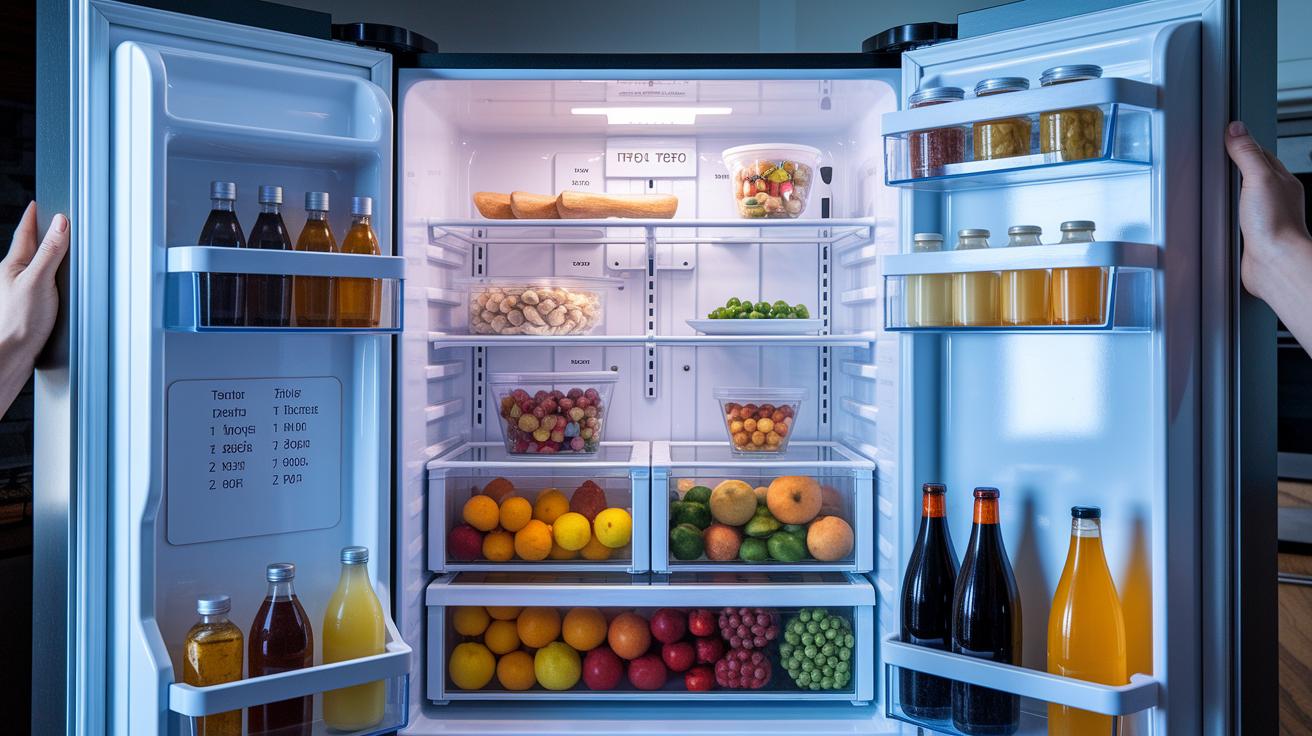
Check the core practices section for cook and chill temperature details. This part focuses on smart storage management, which goes a step further than just setting the right temperature.
Good inventory practices help cut down on waste. For example, using FIFO (first in, first out) labeling along with an expiration date tracking chart makes sure older items are used before new ones. A simple chart with receipt and use-by dates makes it simple to keep track.
Using temperature control charts in fridges and freezers also adds a safety boost. These charts record readings throughout the day so you can quickly spot any problems with storage conditions. For instance, noting temperatures every few hours helps catch deviations right away.
| Date | Time | Temperature |
|---|---|---|
| Aug 10, 2025 | 8:00 AM | 38°F |
| Aug 10, 2025 | 12:00 PM | 39°F |
Kitchen Hygiene Practices in Food Safety Guidelines
A safe kitchen starts with a strong cleaning routine. Always wash and sanitize work surfaces, utensils, and equipment after every use with EPA-approved sanitizers. This routine cuts down on germs and helps stop the spread of contamination in both home and commercial kitchens.
A daily deep clean also matters. Floors, walls, shelves, and ventilation hoods should be scrubbed thoroughly each day to remove grease and buildup where bacteria can hide. This practice not only meets safety rules but also earns customer and staff trust.
Using color-coded tools is a smart move too. Use one set of boards, knives, and utensils for raw foods and a separate set for ready-to-eat items. This clear separation helps prevent any mix-up between contaminated and safe foods.
Staff hygiene is just as important. Offer handwashing stations that everyone must use and post clear cleaning steps all around the kitchen. Also, make sure uniforms are washed often to stop dirt and particles from reaching food. These simple steps keep the cooking area clean and show that every detail counts for food safety.
Consider these essential practices as your checklist:
- Clean and sanitize surfaces and tools after each use.
- Deep clean all kitchen areas daily.
- Use color-coded tools for raw and ready-to-eat foods.
- Maintain staff hygiene with proper handwashing stations and clean uniforms.
Technology and Training Resources for Food Safety Guidelines

Digital tools are changing the way food safety rules work. In only 15 minutes, you can set up a smart food safety system by answering a few basic business questions. The platform offers clear photo and video guides that simplify everyday tasks, making work easier and training more effective.
Using AI-powered logs, the system adjusts tasks automatically and sends out compliance reports in real time. This digital check-in not only makes record keeping easier but also flags areas that need extra care, making it a smart choice for food safety management.
AI-Powered Monitoring Logs
The system updates logs as tasks are completed and creates compliance reports instantly. For example, if a temperature check or cleaning task is skipped, the log immediately highlights the missed step.
Mobile Alerts and Real-Time Dashboard
Staff receive mobile alerts to complete important tasks like handwashing and temperature checks. A live dashboard shows the overall compliance status across the facility, ensuring that any issues are fixed quickly.
Downloadable Posters and Checklists
A free library provides over 200 downloadable resources, including food safety posters, checklists, charts, logs, eBooks, and case studies. These tools are ideal for wall displays, training sessions, and keeping detailed records.
Final Words
In the action, the blog outlined the core practices that keep kitchens safe. It broke down how Clean, Separate, Cook, and Chill help prevent foodborne illnesses. It then outlined federal requirements, handling protocols, temperature control tips, and essential hygiene practices, all supported by digital monitoring and training resources. These food safety guidelines offer clear steps to minimize risks. Following these actionable tips means better outcomes for your kitchen. Stay safe and keep striving for excellence.
FAQ
What food safety guidelines PDFs are available?
The food safety guidelines PDFs offer detailed instructions for cleaning, separating, cooking, and chilling. They often include FDA protocols and safe handling practices to help kitchens meet safety regulations.
What are the recommended food safety guidelines temperature ranges?
The temperature guidelines state that refrigerators should be kept at 40°F or below, freezers at 0°F or below, and foods like poultry and leftovers must reach 165°F to kill harmful bacteria.
What are the 5 ways of handling food safely?
The five ways to handle food safely include washing hands, keeping work surfaces clean, separating raw and cooked items, cooking to safe temperatures, and refrigerating perishables quickly.
What are 10 food safety rules?
Ten food safety rules include washing hands properly, preventing cross-contamination, cooking foods to safe temperatures, storing perishables promptly, checking for spoilage, sanitizing surfaces, using separate utensils, following use-by dates, wearing gloves when required, and maintaining proper temperature control.
What food safety guidelines do restaurants follow and what are examples?
Restaurants follow guidelines such as maintaining safe storage temperatures, using color-coded cutting boards, enforcing strict handwashing, sanitizing frequently, and keeping accurate records to prevent contamination and improve overall safety.
What are the 4 USDA basic food safety guidelines?
The 4 USDA basic food safety guidelines focus on clean production, safe handling, proper storage, and accurate labeling. These steps help maintain food quality and reduce the risk of contamination.
What are the 5 principles of food safety?
The five principles of food safety include cleaning (washing hands and surfaces), separating raw from ready-to-eat items, cooking food properly, chilling perishables quickly, and practicing good personal hygiene.