

Have you ever tasted comfort or heard a melody in a meal? We often mix food with feelings to tell a story. A bowl of soup can be like a warm hug, and a recipe can capture the heart of a whole community. These tasty comparisons spark creative ideas in everyday cooking. In this article, we explore how food shows care, culture, and memory, inviting you to enjoy life with every bite.
Understanding Core Food Metaphors
A metaphor explains one idea by comparing it to another. In food writing, these comparisons turn simple meals into lively stories. For example, Food is Fuel shows that what we eat gives us energy, just like gasoline powers a car. Food is Comfort means a warm dish can ease a tired body and mind. Food is Medicine tells us that healthy choices help our bodies heal. Food is Art celebrates the creative spark in cooking. Food is Love shows that sharing a meal expresses care, while Food is Memory reminds us that familiar dishes bring back special moments. Lastly, Food is Culture explains that every recipe holds a piece of a community’s story.
Here’s a quick example: "Start with a surprising fact – 'Before his breakthrough as a celebrated chef, Marcus discovered that experimenting in his tiny kitchen led to flavors that would one day inspire his signature dishes.'"
These comparisons light the way for creative and engaging culinary storytelling.
Food metaphors: A Tasty Creative Spark
Emotional Food Metaphors
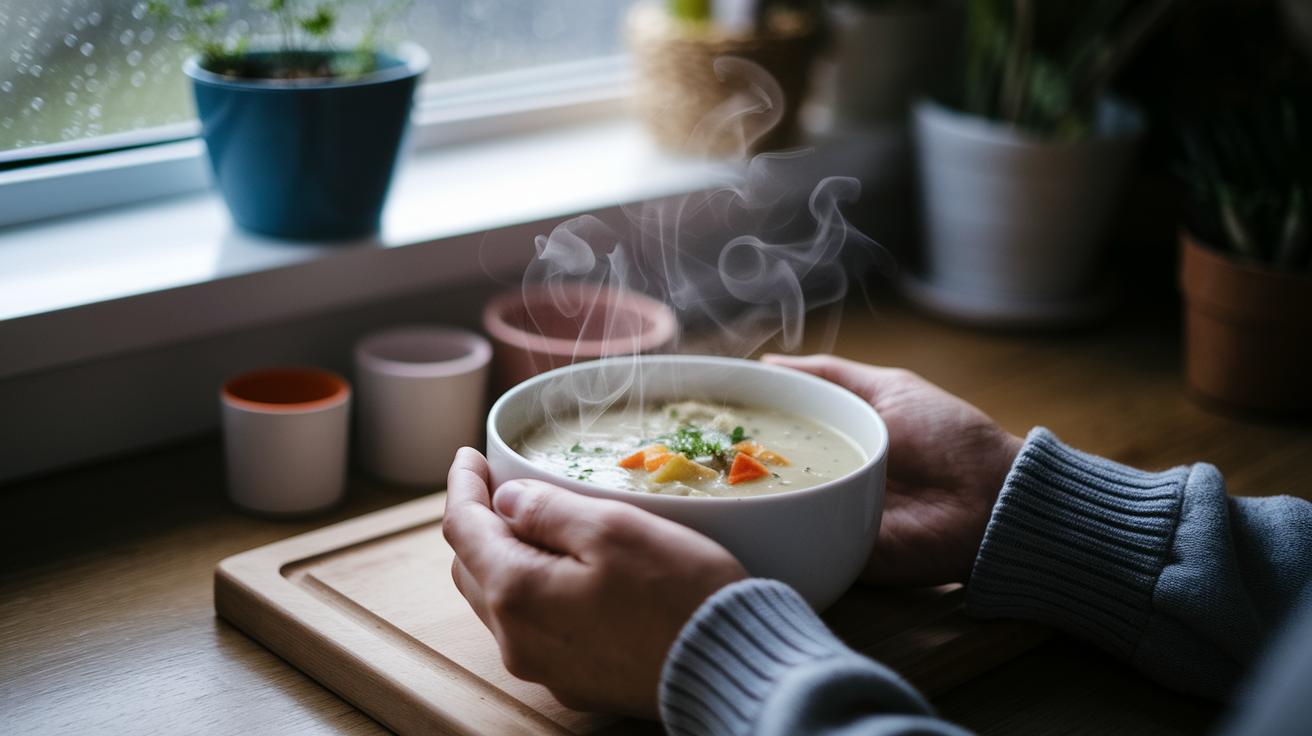
Food metaphors show how meals can warm our hearts. "Food is a Warm Hug" makes you think of a comforting bite on a chilly day. "Food is Comfort in Chaos" highlights how a beloved dish can calm you even when life gets busy. Picture a steaming bowl of soup on a rainy afternoon that makes you feel safe and cared for.
Cultural Food Metaphors
Food also tells a story of where we come from. "Food is a Passport" means that trying new dishes can take you on a journey to different cultures. "Food is a Cultural Story" reminds us that every recipe carries memories and traditions passed down through families. Each dish holds a little history that sparks discoveries about heritage and home.
Sensory Food Metaphors
Imagine food as a full play of your senses. "Food is a Symphony of Flavors" compares every carefully chosen ingredient to a musical note, creating a balanced tune in your mouth. "Food is Poetry in Motion" paints a picture of dishes that move and dance, filling your senses with vibrant tastes and smells with every bite.
Experiential Food Metaphors
Food can be like an unexpected adventure. "Food is an Adventure" invites you to step out and try something new and exciting. "Food is a Treasure Chest" suggests that each meal holds delightful surprises just waiting to be uncovered. Every bite can lead to a small discovery that makes dining an exploration of joy.
Crafting Creative Menu Language with Food Metaphors
Customize your menu by highlighting what makes each dish distinct. Focus on the dish's smell, texture, and look, and consider the feelings it brings up. You might begin with a striking fact, like "Imagine a soup that lights up your morning like the first rays of dawn in every spoonful."
Try these simple steps to craft fresh and vivid menu metaphors:
- Notice the key senses. Think about what guests see, smell, and taste.
- Mix in images from the dish's background or seasonal touches. Use clear and vivid words.
- Blend sensory details with a short story. Create metaphors that show the dish's true character without using tired clichés.
- Read your description out loud. This helps you be sure the comparison feels natural and sets the right expectation.
| Step | Guidance |
|---|---|
| 1 | Highlight the dish’s main sensory features |
| 2 | Think about its cultural or seasonal background |
| 3 | Create a lively, original metaphor |
| 4 | Simplify for clear, strong impact |
Avoid common comparisons by trying fresh analogies. For example, you might call a hearty stew "a treasure chest of spices that unlocks cherished traditions with every bite." Or describe a dessert as "a cascade of flavors that sparkles like dew on a summer morning."
Food Metaphors in Literature and Pop Culture

Creative works often use food images to bring out feelings and set the mood. Many novels show that food can be more than just a meal. It becomes a quiet companion that brings comfort and sparks inspiration, much like a favorite dish that brings back warm memories.
Writers frequently compare life to a big, festive banquet. This simple idea turns an everyday scene into a vivid display of abundance and connection. In classic literature, a richly described meal mirrors life's highs and lows, turning a meal into a symbol of hope or sorrow.
Movies also use food as a powerful symbol. Scenes with shared meals highlight both love and conflict. Characters find common ground or face deep divisions as they gather around a table full of familiar flavors. A popular article from October 12, 2025, titled "36+ Creative Metaphors for Food," has inspired many storytellers to play creatively with food imagery. These comparisons show that food links taste with emotion, offering a versatile language that resonates with many readers and viewers.
Everyday Uses of Food Metaphors in Conversation
Food metaphors pop up in our everyday chat to express feelings quickly and clearly. Phrases like "Food is a Universal Language" and "Food is an Invitation" show how sharing a meal or inviting someone over can speak volumes without extra words.
For example:
- Food is a Universal Language – having a family meal can feel like talking in a language everyone gets.
- Food is an Invitation – inviting someone over for a home-cooked dinner clearly welcomes them like opening a door to new friends.
These simple expressions help us paint a picture of community and connection with just a few words.
Final Words
In the action, food metaphors serve as a creative spice in language, explaining ideas with vivid, relatable imagery. Each section showed how to mix emotional, cultural, sensory, and experiential flavors to add meaning.
Practical tips on crafting menu descriptions prove that food metaphors can bring a tune to written words. They tastefully sum up life's diverse ingredients. This flavorful approach not only inspires creativity but helps anyone see that words, like dishes, hold power to nourish thought.