

Are you ready to see where your dinner really comes from? Imagine farms, processing centers, and local shops teaming up to feed the world. Every step counts, from growing our food with care to getting it quickly to your table. The food industry is a team effort that meets our modern needs. With new ideas and smarter methods, this sector is ready for change. In this post, we explore the key parts that are paving the way for a bright future in our food system.
Food Industry Sectors: Thriving Times Ahead
The food industry helps move everything from fresh farm produce to packaged foods onto our tables around the world. A huge network makes sure the food we eat is safe, well-labeled, and easy to find. This system reaches from local markets to global trade.
The industry stands on four main pillars. First, production covers farms, ranches, fisheries, and aquaculture where raw food comes from. Next, manufacturing and processing transform these ingredients through steps like cleaning, milling, pasteurizing, baking, and cheese-making. Distribution then takes over, using trucks, trains, ships, and planes with cold storage to keep food fresh. Finally, marketing and related industries connect the food to consumers by working through wholesale channels, retail shops, and direct sales. The smooth function of this whole system supports our everyday meals and global commerce.
Agrifood Production Categories in Food Industry Sectors

Production is the backbone of how food reaches our tables. It starts with raw ingredients that come from several key sources: farming, ranching, fishing, and aquaculture.
-
Farming: Today, farming mixes old methods with new tools like GPS tractors and drones. Farmers grow staples such as wheat, rice, and corn, along with special crops like organic vegetables and exotic fruits. These techniques help them use resources wisely and boost yields over large fields.
-
Ranching: Ranching covers everything from small family operations to big beef and dairy farms. Ranchers must balance high production with taking good care of their animals. They work to improve living conditions while keeping up with changing standards and remaining profitable.
-
Fishing: Fishing depends on time-tested methods and seasonal catches. Strict regulations help protect fish stocks. Fishers adapt their techniques based on weather and water conditions to sustain long-term supplies and keep nature in balance.
-
Aquaculture: Aquaculture, or raising fish in controlled environments, supports species like salmon, shrimp, and tilapia. This method provides a steady supply of seafood throughout the year. Technology helps by keeping an eye on water quality and feed, which reduces the strain on wild populations.
Overall, each of these methods plays a vital role in the food chain. Producers face challenges like scaling up and meeting safety rules, but they keep adapting to serve communities today and in the future.
Industrial Processing Realms in Food Industry Sectors
Manufacturing and processing change basic ingredients into the food we see on store shelves and restaurant menus. These steps follow controlled methods that keep food safe and boost its value. From cleaning and milling to packaging, modern tools work alongside traditional methods to deliver tasty and secure products.
Primary Processing
Primary processing is the first step in turning raw materials into ready-to-use food. This stage involves cleaning fruits and vegetables, grinding grains into flour, and pasteurizing milk (a method to kill harmful germs). Automated washers and fast milling machines have updated these tasks, cutting down on manual work while keeping quality high. This phase makes sure the ingredients are set for the next steps.
Secondary Processing
Secondary processing changes basic ingredients into finished products using specific recipes and techniques. Processes such as baking, fermenting, and extruding turn simple items into bread, cheese, and cereals. These operations use precise temperature and timing to get the right texture and flavor. Producers use well-tuned machines to keep products consistent and meet safety rules.
Unit Operations
Unit operations cover the techniques that hold the production process together. Steps like heating, cooling, mixing, and packaging ensure that food not only tastes good but is also safe to eat. For example, extrusion helps shape products while automated packaging systems seal food tightly to keep out contaminants. These methods are key checkpoints for quality control and safety.
| Process Stage | Key Operations | Example Products |
|---|---|---|
| Primary Processing | Cleaning, milling, pasteurization | Flour, pasteurized milk |
| Secondary Processing | Baking, fermenting, extruding | Bread, cheese, cereals |
| Unit Operations | Heating, cooling, mixing, packaging | Shaped snacks, sealed products |
Packaging and Distribution Channels Across Food Industry Sectors
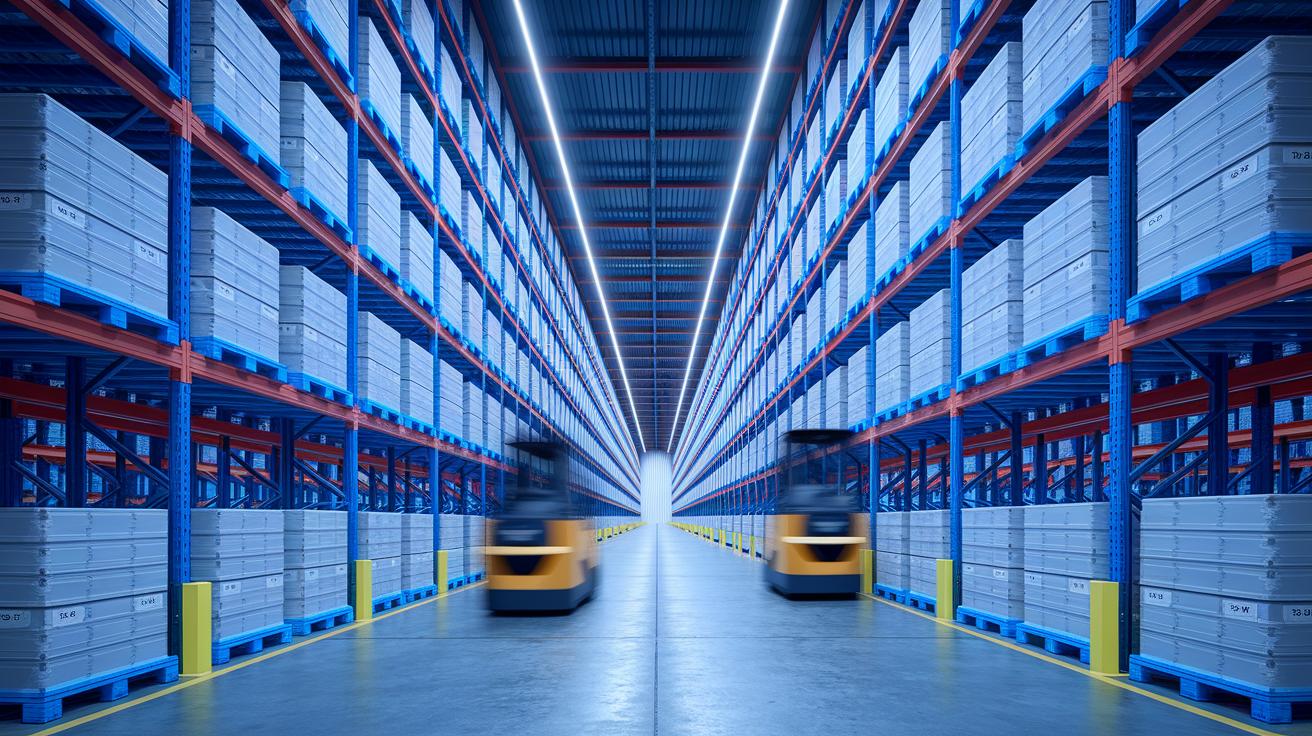
Packaging is not just a box for food; it keeps food safe and fresh. New materials and clever designs block light, oxygen, and moisture to cut waste and prevent contamination. Some smart packages even tell you when the food has lost its peak quality.
Distribution systems quickly move products from factories to stores using trucks, trains, ships, and planes with temperature controls. Keeping food cold is key, especially for perishables, as it helps avoid spoilage and lowers losses by maintaining a steady environment from start to finish.
Modern warehouses and tracking systems make sure products are stored and moved efficiently. These systems help companies watch stock levels, speed up orders, and fix issues fast. By using clear record-keeping and up-to-date technology, businesses meet customer needs and follow safety rules.
Consumer Retail Channels and Hospitality Dining Facets in Food Industry Sectors
Retail channels in the food industry include supermarkets, grocery stores, specialty shops, and online platforms. These outlets offer everyday essentials alongside unique ingredients to meet all kinds of needs. For instance, supermarkets often show fresh, neatly arranged produce next to packaged items so shoppers can easily check prices and labels. Online grocery sites give you the chance to shop anytime, combining convenience with competitive deals. This blend of options keeps food supplies steady and fits our varied shopping habits.
Onsite dining covers places like restaurants, cafés, hotels, and fast-casual chains. These spots follow strict hygiene standards set by food safety agencies and local inspections. You can choose from quick lunches to more elaborate meals in welcoming settings. Casual eateries focus on fast service and regular safety checks, so you can enjoy your meal without worry. Fast-casual chains also highlight signature dishes that mix modern trends with familiar comforts.
Large foodservice operations mix institutional dining with direct-to-consumer methods. Schools and hospitals use these services to offer nutritious, affordable meals, while catering and banqueting provide tailored meal packages for events. Direct channels like farmers’ markets and community-supported agriculture let you pick up fresh, local produce directly from growers. This direct link builds trust by focusing on quality and food safety in every dining experience.
Food Industry Sectors: Thriving Times Ahead
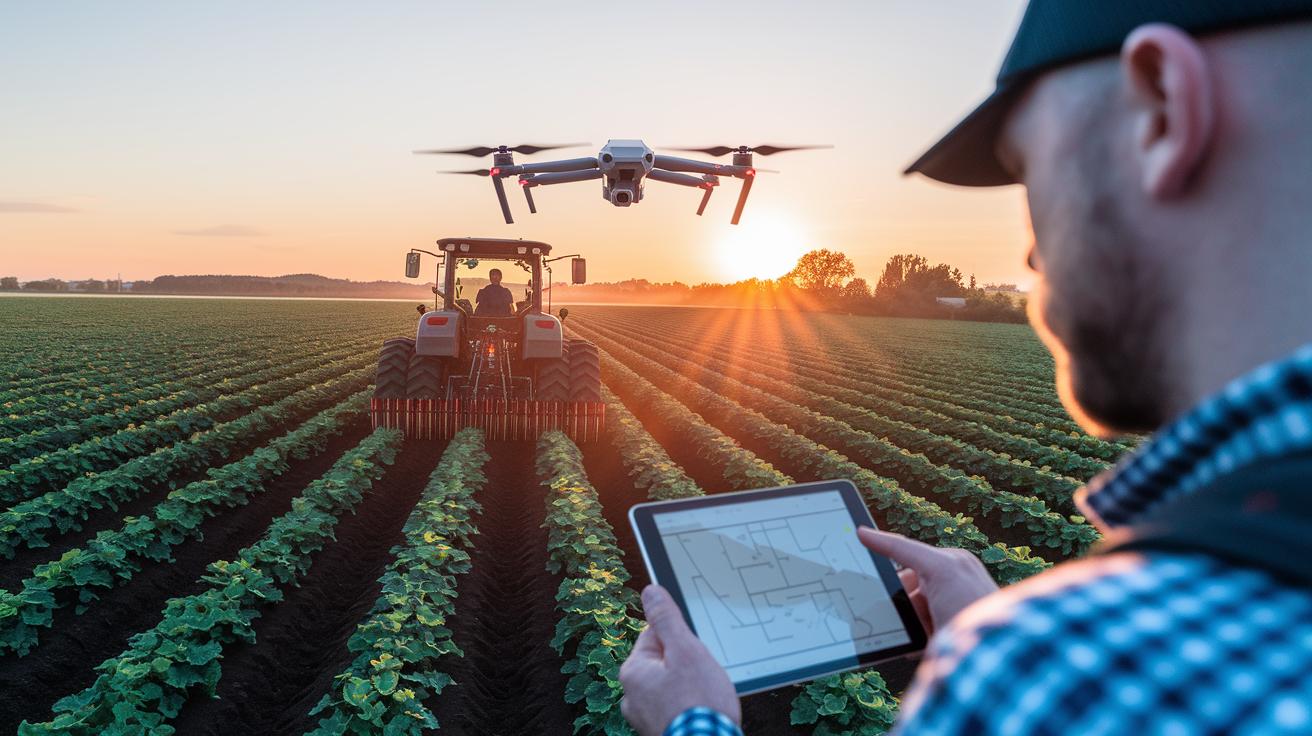
Precision agriculture is changing the way we grow our food. Farms now use GPS tractors, drones, and digital tools to check crop health and manage water more accurately. For instance, a tomato grower can use a drone to check soil moisture and boost his yield. Meanwhile, digital dining options like mobile apps and meal kits put fresh meals right at our fingertips. This smart technology helps farms run smoother and quickly turns everyday feedback into useful insights.
Sustainable sourcing and plant-based growth are also shaking up the market. New protein options are making their way into meat and dairy products, with startups finding clever methods to turn beans into meat-like textures. Companies now track every ingredient from its source to the final product using real-time digital systems. This ensures each step meets environmental and safety rules. Online shopping and improved meal kits further support these eco-friendly methods, promising a future with food systems that are safe, efficient, and built on trust.
Final Words
In the action, the blog broke down key touchpoints, from modern farming and precise processing to innovative packaging and efficient distribution. It mapped out how retail channels and dining operations fit into the whole picture. With clear details on each pillar, restaurateurs see how every step contributes to their success. This guide offers practical insights for navigating food industry sectors and staying ahead. The future looks bright with fresh trends and smart practices driving growth and improvement in every part of the food journey.
FAQ
Q: What is the food industry sectors list?
A: The food industry sectors list includes production (farming, ranching, fishing, aquaculture), manufacturing and processing (primary processing, value addition, unit operations), distribution (transport, cold chain) and marketing channels that connect products to consumers.
Q: What is the food industry called?
A: The food industry is also known as the agri‐food or food manufacturing industry, covering all stages from farming and processing to distribution and retail.
Q: What are the different sectors in the food industry?
A: The different sectors are production, manufacturing and processing, distribution, and marketing. Each plays a role in moving food from farm to table efficiently.
Q: What are the 4 sectors of the food industry?
A: The four sectors are production (growing, ranching, fishing), manufacturing (processing raw inputs), distribution (handling transport and storage), and marketing (retail and foodservice offerings).
Q: What are the four segments of the food industry?
A: The four segments—production, manufacturing, distribution, and marketing—form a chain that ensures food is produced, processed, shipped, and sold safely to consumers.
Q: What are the 7 types of food processing?
A: The seven types include cleaning, milling, pasteurization, baking, fermenting, extruding, and packaging, each designed to maintain quality and extend product shelf life.
Q: What are food industry sectors in America?
A: Food industry sectors in America follow global trends with clear divisions in production, manufacturing, distribution, and marketing, addressing everything from farm outputs to retail and dining services.