

Ever wonder why your favorite brands seem to change overnight? The food world is buzzing with bold moves that are reshaping the market. Big companies are pouring money into new tech and fresh leadership while regulators step up their game to match what consumers want. This push for innovation means we could soon see a whole new way of making and selling food. Get ready, major players are paving the way for changes that could touch every part of your meal.
Top Highlights in Food Industry News

The food industry is evolving quickly as companies and regulators take bold steps to meet new consumer needs and changing market forces. Recent changes show a push for reform, innovation, and strategic shifts that promise big changes soon.
Top players and policymakers are acting fast on both challenges and opportunities. Investments in new technology, leadership shakeups, and major mergers are already making their mark. These moves prove that companies aren’t just waiting for change, they are busy shaping the future of food.
- In 2025, MAHA changed the rules with new laws on ultraprocessed ingredients.
- A Coca-Cola manufacturer announced a $475 million plan to build a new plant in Denver, replacing an older facility.
- Kraft Heinz named Steve Cahillane as its new CEO, effective January 1, 2026, as part of a planned company split.
- Mars is finalizing its $36 billion acquisition of Kellanova after EU approval, hinting at more consolidation in the sector.
- Anheuser-Busch bought a majority stake in BeatBox for $490 million to attract a younger crowd.
For more details on these trends, read the 2025 food trends report at https://matpple.com?p=137.
These updates show that the food market is gearing up for major changes. Company restructurings, large investments, and new regulations are making the industry more competitive and dynamic. Everyone from executives to suppliers should get ready for more mergers, fresh leadership, and shifting consumer tastes that will reshape how products are made and marketed in the coming years.
Food Industry Regulatory Updates and Policy Developments

Officials and lawmakers are taking a tougher stand on food safety and fair trade. They are using lawsuits and investigations to deal with issues in product labels and pricing. This legal action shows a clear commitment to stricter rules and holding companies responsible. Businesses face closer checks for misleading ingredient claims and price-fixing, which means they must follow tighter rules.
| Regulatory Action | Description | Impacted Companies |
|---|---|---|
| Ultraprocessed foods crackdown | San Francisco officials are targeting ultraprocessed food rules and may launch lawsuits if food addiction claims are proven. | Local and national food manufacturers |
| FTC pricing allegations | The FTC claims that Walmart enjoyed unfair pricing through special promotions linked to PepsiCo. | Walmart, PepsiCo |
| Ingredient warning-label lawsuit | Major food groups have filed a lawsuit in Texas to fight new rules on ingredient warning labels. | Kraft Heinz, Coca-Cola, and others |
| Presidential supply chain investigation | An investigation is checking food supply chains for possible price-fixing by firms owned by foreign companies. | Diverse global suppliers |
These new steps will change how companies label products, set prices, and handle supplier deals. Firms may need to update their marketing and pricing to avoid legal trouble. With more legal risks, companies must review their practices to prevent fines and lawsuits. In this stricter climate, keeping consumer trust and meeting regulatory standards is essential.
Food Industry M&A and Market Activity Insights

Big deals are heating up as food companies secure their spots in a changing market. M&A activity (when companies merge or buy each other) is set to grow in 2026 with a focus on health, opening new ways for businesses to meet fresh consumer demands and bring in health-driven ideas.
A few key deals show this trend. Campbell's is set to invest $286 million for a 49% stake in the supplier of Rao's pasta sauce, which shows strong confidence in certain market segments. At the same time, private equity deals in China's consumer goods market jumped in the third quarter of 2024, pointing to rising investor interest in emerging areas. A survey by AlixPartners also predicts more grocery spending in 2026, suggesting shoppers are increasingly valuing both savings and wellness.
These transactions mean companies can gain a competitive edge as they join forces. As regional interests merge, the market becomes more connected. This will likely change the way companies compete, both at home and abroad.
Food Industry Innovation and Sustainability Breakthroughs
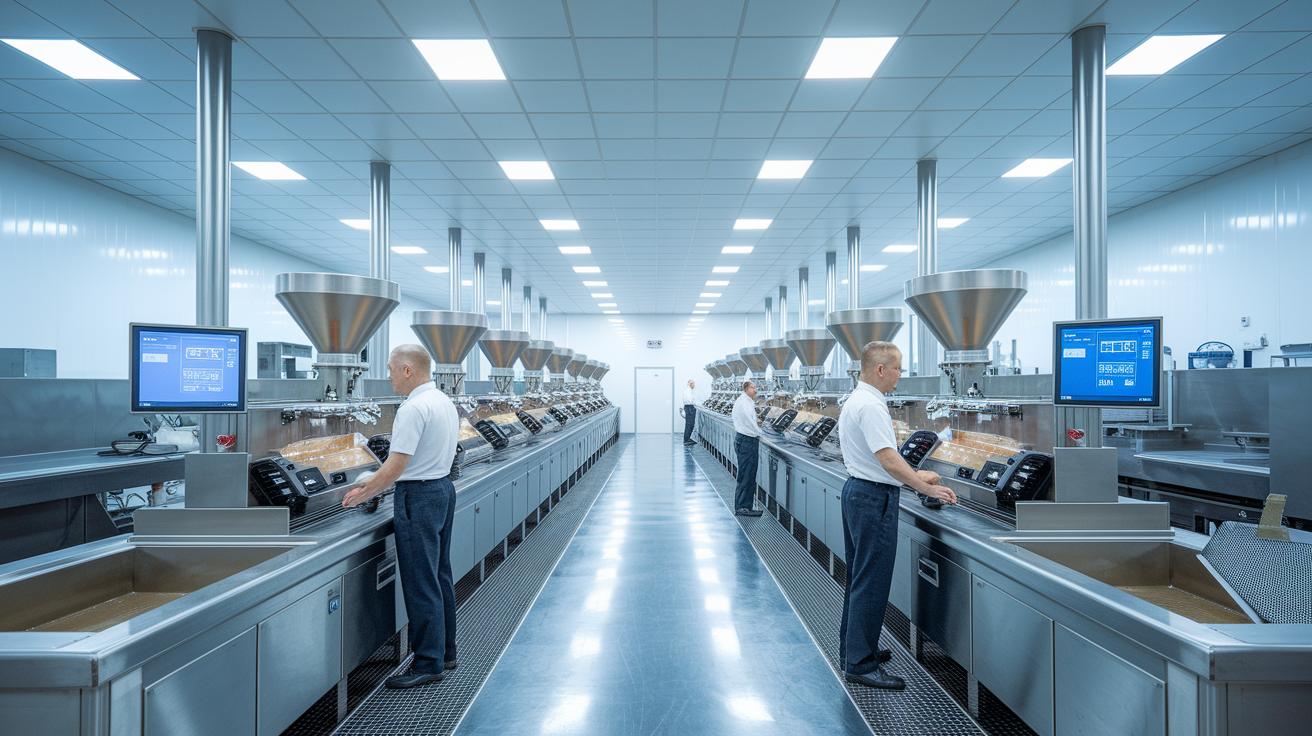
Technology-driven Processing Innovations
Food factories are getting a tech upgrade. Rome Grinding Solutions has introduced a dual-stage grinder that improves product quality, yield, cleanliness, and overall uptime. This system cuts downtime and keeps production running smoothly and consistently. One plant even reported a big boost in batch efficiency after switching to this new setup.
Vitsab® is also stepping up by launching advanced monitoring devices that fine-tune digital energy management in food and beverage operations. These real-time monitors help staff spot issues early so production stays safe and uninterrupted. As more plants use these tools, they see higher output with fewer hiccups. Smart hardware paired with user-friendly software is really making a difference.
Sustainability Progress in Sourcing and Production
Food makers are taking big steps to be kinder to the planet. Major farming partners are rolling out programs to reduce emissions and build climate resilience. These initiatives focus on cleaner energy and smoother processes that lower the carbon footprint of the supply chain. This not only helps the environment but also brings long-term economic benefits.
Food scientists are now using AI to reinvent classic snacks into healthier versions while keeping the familiar taste. This fresh mix of old recipes with new technology shows that tradition and sustainability can go hand in hand. These advances are paving the way for a greener, more efficient future in food production.
Food Industry Consumer Behavior and Retail Developments
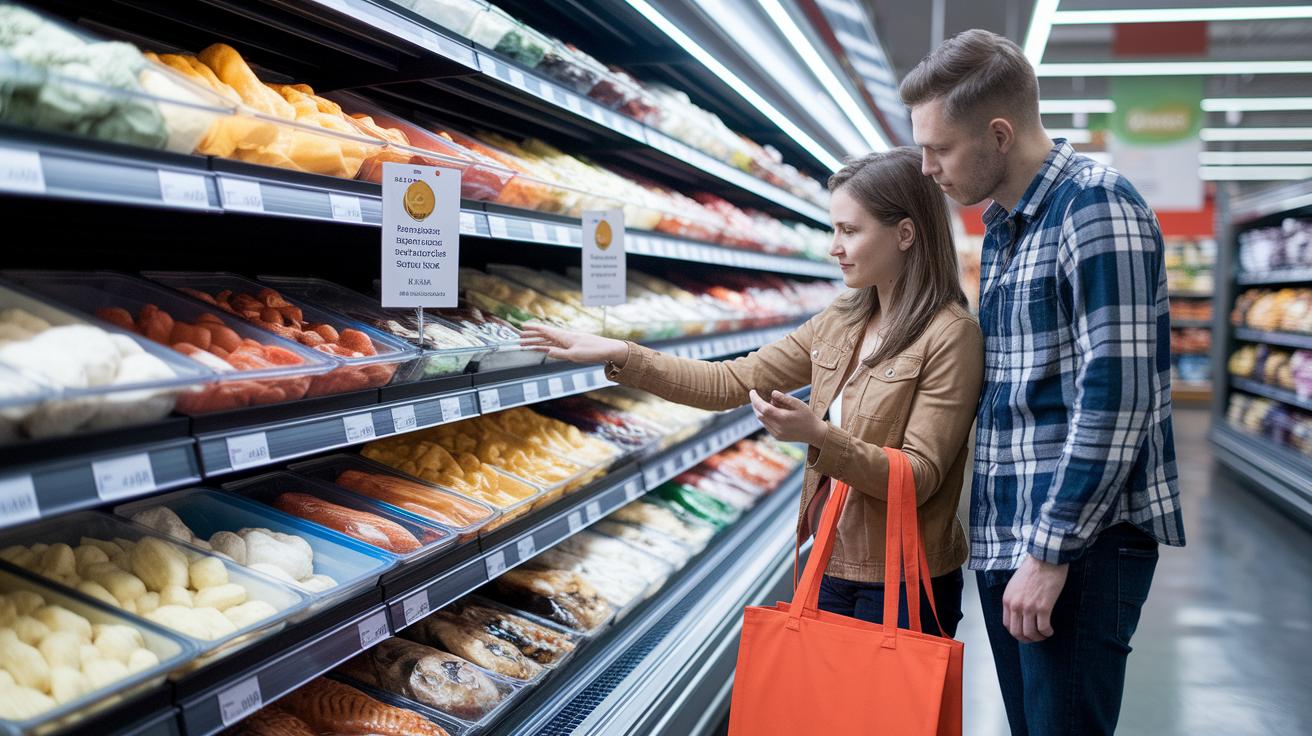
Food prices are rising, and many shoppers are turning to frozen meals as a cheaper, healthy option. With grocery bills soaring, these ready-made meals offer both simplicity and better control over spending. This trend shows how higher prices are changing what customers buy and how stores set up their aisles.
A new survey finds that buyers are cautious about foods made with gene-editing technology. Consumers now put trust first when choosing these products. In response, many retailers clearly label items and set up simple displays that explain the process. Store managers say that when customers understand where ingredients come from, they feel more comfortable trying new products.
Nestlé’s US CEO recently stressed the need to focus on familiar brands as he looks for new growth areas. Meanwhile, Brown-Forman saw a 62% drop in Canadian Jack Daniel’s sales after a trade-policy boycott took hold. These cases show how brand choices and customer feelings are reshaping business strategies in a tough market.
Food Industry Future Forecasts and Market Outlook

By 2026, artificial intelligence will change how factories operate. Food makers are gearing up for new digital rules that put AI at the center of their work. These systems will manage safety, steer compliance, and boost eco-friendly practices while smoothing production. Leaders believe focusing on energy use and meeting standards is a smart, necessary move.
Global trade issues add more challenges to this picture. Since Brexit, UK exports to the EU have fallen by over 20%, putting a strain on supply lines and prices. Meanwhile, China has set five-year duties on EU pork, causing uncertainty for producers who depend on global markets. These changes mean companies must rethink their sourcing and invest in digital tools to track energy use and stay on top of regulations. This mix of digital shifts and international hurdles is shaping new business strategies.
Upcoming food safety webinars and online events will explain the latest FDA rules and improved ways to trace products. These sessions are meant to help industry players update their methods and get ready for tougher guidelines, ensuring production stays smooth and compliant in a fast-changing market.
Final Words
In the action, the article quickly ran through key moments in food industry news, from major investments and new CEO appointments to regulatory shifts and fresh trends in consumer behavior.
The report also uncovered market movers, breakthrough tech, and evolving dining habits that push restaurateurs to adapt in real time. These rapid updates help spot the next big trends, ensuring you stay ahead in food industry news while making smart decisions for future growth.
FAQ
What does food and beverage news today cover?
Food and beverage news today covers market trends, new investments, and regulatory changes impacting both sectors. This news helps readers stay informed about emerging consumer habits and industry innovations.
What do food news magazines and articles offer?
Food news magazines and articles offer a snapshot of current market updates, technology breakthroughs, and major industry events. They serve as a resource for both casual readers and industry professionals.
What insights does Food Dive provide?
Food Dive delivers in-depth reporting on regulatory moves, investment decisions, and evolving market trends. Its articles help stakeholders better understand industry shifts and plan strategic responses.
What defines global food industry news?
Global food industry news covers international market developments, mergers, regulatory updates, and investment trends. It provides a comprehensive view of factors shaping food production and distribution worldwide.
What is the next big thing in the food industry?
The next big thing in the food industry points to emerging AI-driven production and healthier, digitally monitored product innovations. These trends aim to boost efficiency and cater to modern consumer demands.
Why is the food industry struggling?
The food industry is struggling due to rising costs, supply chain issues, and shifting consumer preferences. These challenges force companies to rethink operations and adapt to a changing market environment.
Which business is most profitable in food?
The most profitable food businesses often combine strong brand reputation with innovation and sustainability initiatives, allowing them to maintain higher margins and capture growing consumer demand for quality products.
What is the fastest growing food sector in the world?
The fastest growing food sector capitalizes on rising grocery spending, sustainability trends, and consumer demand for convenient, nutritious options. This growth signals robust potential for new product development and market expansion.