

Is Mexico's food industry setting new standards? Rich local flavors mix with smart production methods, catching eyes around the world.
Ranked 11th globally, this sector adds 8% to Mexico's GDP and boosts exports. Local makers, skilled workers, and a solid distribution system work together to drive this vibrant market.
Mexico's food scene is not only following trends, it is pushing change for local communities and global buyers. Keep an eye out for what comes next.
Overview of Mexico’s Food Industry Landscape
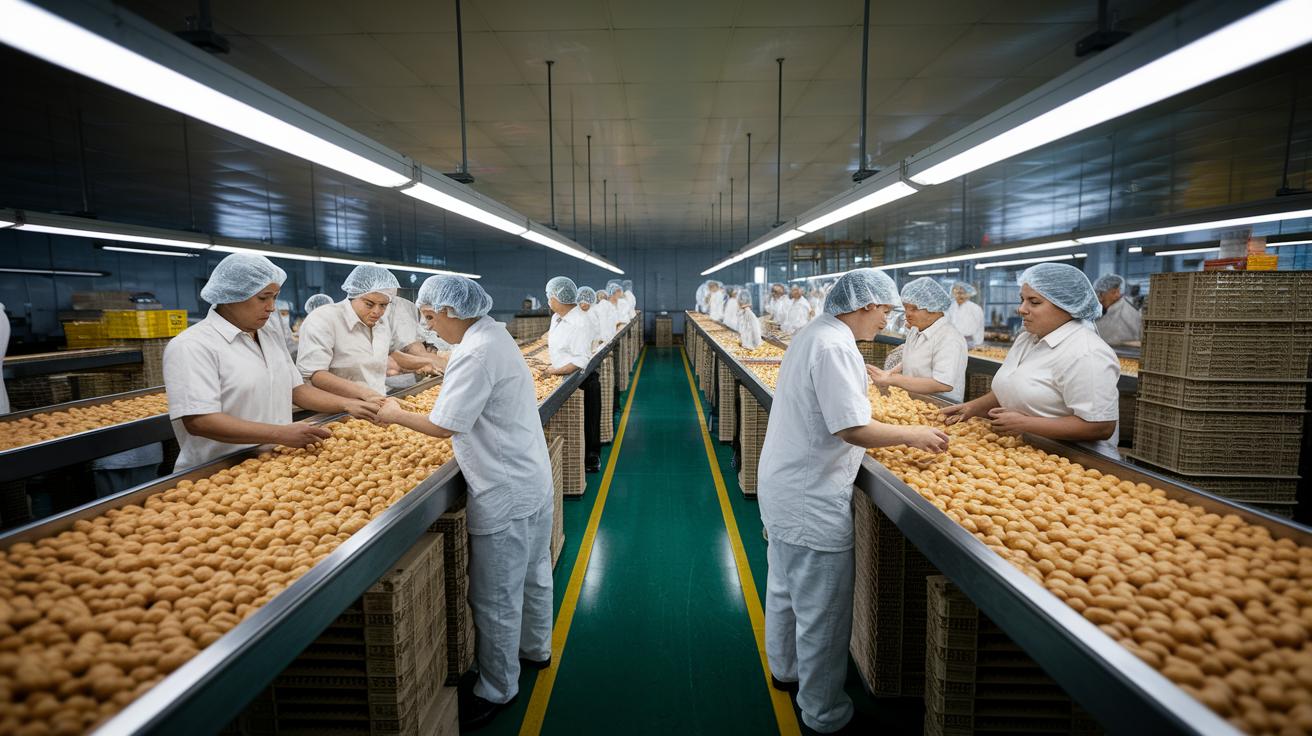
Mexico's food and beverage industry plays a big part in the country's economy. Ranked 11th worldwide, it makes up about 8% of Mexico's GDP. The sector does well by blending strong local production with lots of exports. In manufacturing, including food, drinks, and tobacco, it represents roughly 24% of all manufacturing output. Skilled workers drive this success, with about 882,000 in food production and 167,000 in beverage and tobacco sectors.
| Metric | Value |
|---|---|
| Global ranking in food & beverage sector | 11th |
| GDP share from food & beverage | 8% of national GDP |
| Manufacturing contribution | 24% of total manufacturing GDP |
| Distribution network | 26 supermarket chains, 3,300 outlets |
Mexico's robust distribution network further boosts the food industry. With 26 leading supermarket chains and over 3,300 food retail outlets nationwide, fresh products reach countless customers. This strong network keeps the market steady and meets the needs of consumers in both urban centers and rural areas.
Regional Production Zones in Mexico’s Food Industry
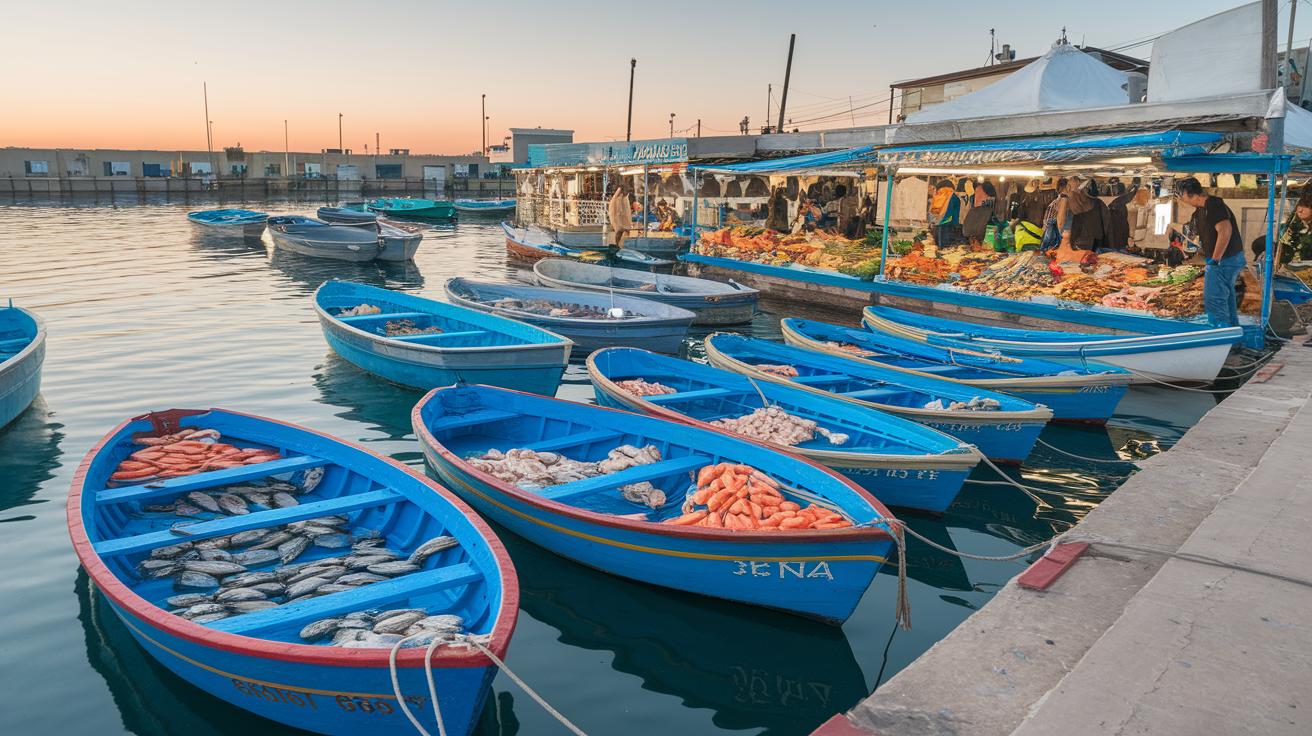
In the Baja Peninsula, strong fishing fleets keep the local food scene thriving. Fresh seafood from busy coastal waters reaches local markets and export channels, helping nearby communities flourish.
Central-West Mexico uses modern farming methods to grow high-value fruits and vegetables. These techniques boost quality exports and keep supply chains busy, meeting the rising demand for premium produce.
Northern Mexico is known for its large-scale livestock farms. These operations ensure a steady supply of meat and dairy, feeding local communities and fulfilling export orders.
In Northeastern Mexico, wide farmlands focus on grains and animal feed. Reliable production here supports food processors and underpins rural economies throughout the country.
The Gulf Coast stands out for its rich coastal resources. Top-quality seafood and salt from this area drive a lively market and earn high praise for their quality.
Southern states like Chiapas, Oaxaca, and Michoacán deliver impressive numbers in key crops. With over 36,000 tons of coffee, 84,000 tons of avocado, and 35,000 tons of mango, these regions diversify Mexico’s food supply and boost local agri-food sectors.
Mexico’s Agricultural and Export Trends for Edible Goods
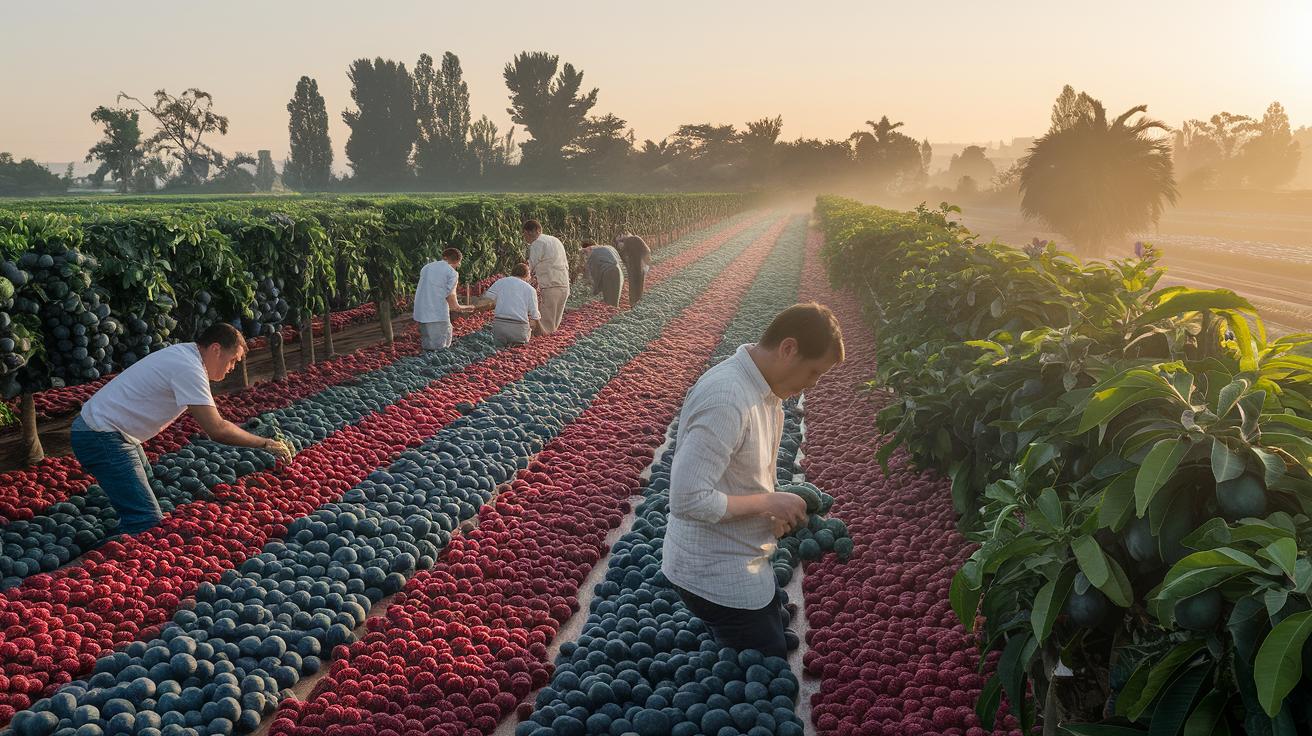
Mexico is a top supplier of fresh produce to the U.S. In 2023, over 60% of vegetables and almost half of all imported fruits and nuts came from Mexico. This shows the country's key role in cross-border food trade. High export numbers help local farmers thrive and keep American markets stocked with Mexican produce.
The country is also famous for its high-value organic products and traditional crops. Last year, Mexico shipped 500,000 tons of berries, and 90% of these exports went to the U.S. and Canada. They also moved over 36,000 tons of coffee, 84,000 tons of avocado, and 35,000 tons of mango. These figures prove that Mexican produce is in strong demand around the world.
Strict food-safety practices are a big part of Mexico’s export success. By meeting U.S. food safety standards (FSMA), Mexican producers get their fresh produce into important markets while keeping quality high. This approach builds trust with international buyers and helps Mexico stay competitive in the global food trade.
Regulatory Environment and Food Safety Standards in Mexico

Mexico's food exporters must follow tough international rules set by the U.S. Food Safety Modernization Act (FSMA). Producers work hard to meet these rules, ensuring that food from the farm to the factory matches U.S. safety standards. This careful monitoring builds trust in Mexican food exports around the world.
At home, facilities use HACCP systems and stick to NOM-251 sanitation guidelines to keep food safe. Recent policy updates have tightened labeling, tracking, and export paperwork, ensuring that every package meets strict quality checks and protects public health.
By combining international and local rules, Mexico creates a strong safety net for its food industry with clear documentation and detailed labels that benefit everyone.
Enterprises Driving Growth in Mexico’s Gastronomy Business

Major multinationals like Nestlé, PepsiCo, Mondelez, Coca-Cola FEMSA, Danone, Cargill, Heineken, and AB InBev play a key role in Mexico's food industry. They have set up large operations here by taking advantage of trade deals, skilled workers, and multiple production sites. These companies work hard to boost production and build strong delivery networks that serve local customers and support exports. For example, PepsiCo uses smart supply chain methods to keep prices competitive while following strict safety and quality rules.
Local companies also help push Mexico's food scene forward. Grupo Bimbo leads in bread and snacks, while Lala is a major name in dairy. In addition, many local producers in tequila and specialty foods have found unique spots in the market by sticking to traditional flavors. They use local know-how and strong community bonds to create products that capture the true taste of Mexican cuisine.
Restaurants and dining chains are growing fast too. Collaborations between big global firms and local operators are showing a mix of traditional recipes and modern methods. This teamwork brings new energy to Mexico's dining scene and helps keep the country's culinary traditions alive.
Innovation and Technology Integration in Mexico’s Food Manufacturing

Field-level agri-tech tools are transforming how food is grown in Mexico. Digital traceability systems follow crops all the way from the field to your fork. Farmers now use smart irrigation to fight droughts that affect 76% of farmable land. Precision sensors tell them exactly when and how much water each crop needs, which cuts waste and boosts crop health.
In factories, digital upgrades are changing the game. Modern systems like IoT sensors, predictive maintenance, and automated sorting keep operations running smoothly. These tools track equipment in real time so managers can fix problems before they slow production, keeping the supply chain reliable.
New research centers and innovation hubs are stirring up culinary creativity. By blending traditional recipes with modern processing, these hubs are creating value-added products that offer fresh choices for consumers.
Future Outlook: Investment Opportunities in Mexico’s Edible Trade
Mexico’s agri-food exports topped $50 billion in 2023, up 3.9% from the year before. This growth shows that the country’s food market is strong and still expanding, opening up many opportunities for investors.
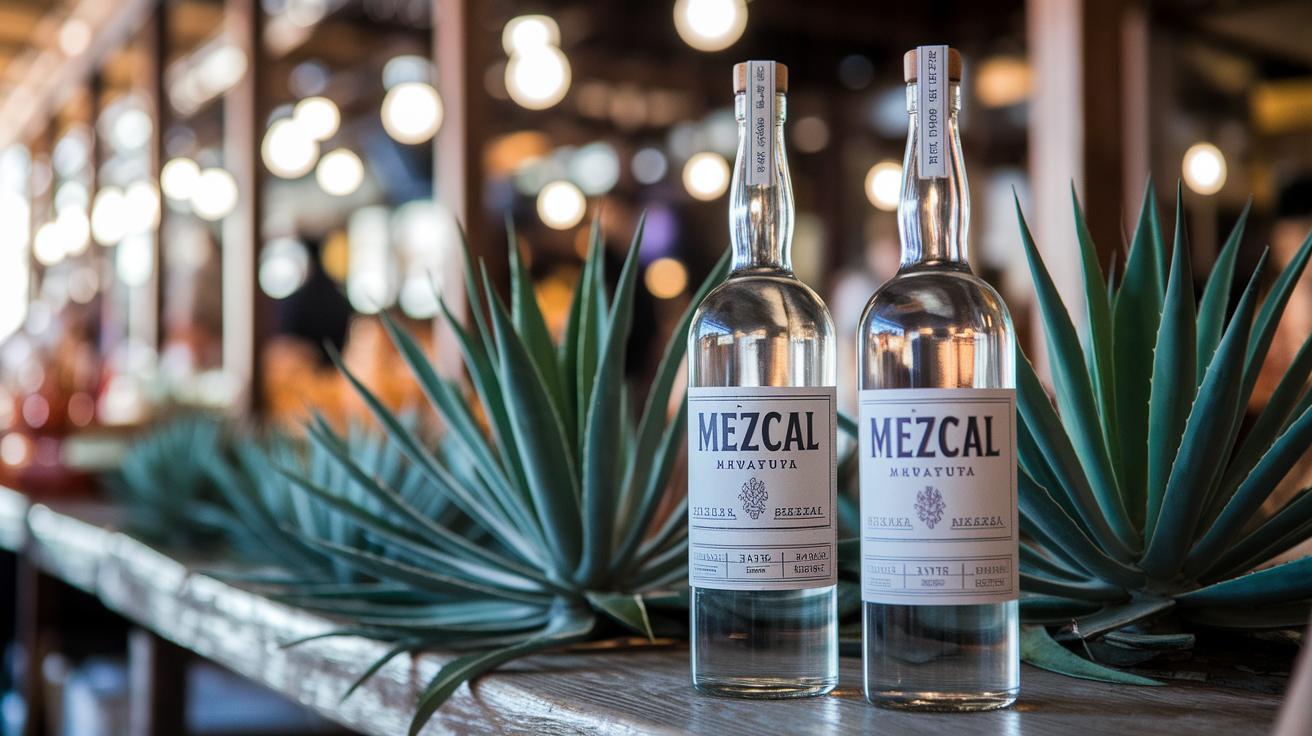
There are several areas worth watching. One is agave cultivation and distillation. Agave is the heart of Mexico’s famous spirits, and premium versions are gaining global popularity. Artisanal specialty foods are another growing sector. These small-batch, region-specific products attract buyers who value authentic and traditional flavors.
Culinary tourism also offers a dual benefit. Investments that enhance local dining experiences can boost tourism and help promote Mexico’s unique food traditions. At the same time, many small and medium-sized farms, which produce over 50% of the country’s agricultural output, face financial gaps. Investing in sustainable practices here can improve productivity and build a more resilient supply chain while supporting local growers.
While challenges like tricky regulations and maintaining consistent product quality remain, the edible trade market in Mexico appears set for long-term gains. Investors who support modernization projects can tap into both immediate benefits and strategic growth as the sector evolves.
Final Words
In the action, Mexico’s food scene shows clear signs of growth and change. Regional specialties, export data, and tech advances are driving progress. Investment prospects and updated safety regulations help guide smart moves in this fast-paced market. Key players from multinational firms to local champions prove that every corner of the food industry mexico is buzzing with opportunity. This insight gives restaurant operators solid leads to shape their next strategic decisions and enjoy a promising path ahead.
FAQ
What are key facts and recent data trends about Mexico’s food industry?
The key facts show that Mexico’s food and beverage sector ranks 11th globally, contributing roughly 8% of GDP with strong food manufacturing and distribution networks. Detailed PDF reports from 2021 and 2022 offer further insights.
What is the most eaten food in Mexico?
The most eaten food in Mexico is corn, which serves as the base for tortillas, tamales, and many traditional dishes that form a cornerstone of the country’s culinary heritage.
What is the food processing industry in Mexico?
The food processing industry in Mexico involves modern packaging and safety practices, integrating systems like FSMA and HACCP to support both domestic consumption and extensive export markets.
Which country is no. 1 in the food industry?
The ranking indicates that the United States leads in food industry output due to its large-scale production and advanced processing methods, though different metrics may highlight other strengths globally.
What is the major industry in Mexico?
The major industries in Mexico include automotive, manufacturing, and food and beverage, with the latter playing a pivotal role in the nation’s economy by contributing significantly to GDP.
What is the largest food company in Mexico?
The largest food company in Mexico is Grupo Bimbo, known for its extensive range of bakery products and snacks, dominating both domestic markets and international exports.