

Ever wondered if one bite could unlock a secret power? Ancient myths tell of ambrosia and amrita, special foods that kept gods young and strong. Norse legends share how magic apples revived divine strength, and Vedic stories praise soma as a drink filled with wisdom. These tales show that food was once more than fuel, it was a sacred bridge between the ordinary and the extraordinary. Today, these legends remind us that food can still spark wonder in our daily lives.
Mythical Origins of Food for the Gods
Ancient tales speak of special meals that made gods immortal. In Greek myths, ambrosia was a divine food that kept gods forever young. Hindu stories tell of amrita, a life-giving drink shared in sacred rituals. These legends show that food was more than sustenance, it was a magical link between mortals and the divine.
In Norse stories, Iðunn’s apples kept the gods strong and renewed. Other traditions celebrate soma, a revered drink said to bring divine strength and insight. Such mythic foods were central to ancient beliefs, with every bite or sip seen as an offering to the supernatural. They remind us that eating was often a way to honor the mysteries of life.
- Ambrosia (Greek myth)
- Amrita (Hindu tradition)
- Soma (Vedic accounts)
- Iðunn’s apples (Norse folklore)
These legendary foods represent more than physical nourishment. They symbolize the promise of eternal life and the deep bond between nature and the heavens. Ancient cultures believed these meals bridged the gap between humans and gods, showing that every ingredient held the power to inspire wonder and sustain life. This enduring symbolism still influences how we see our favorite culinary traditions, celebrating food’s ability to lift us beyond the everyday.
Cultural and Literary Significance of Food for the Gods
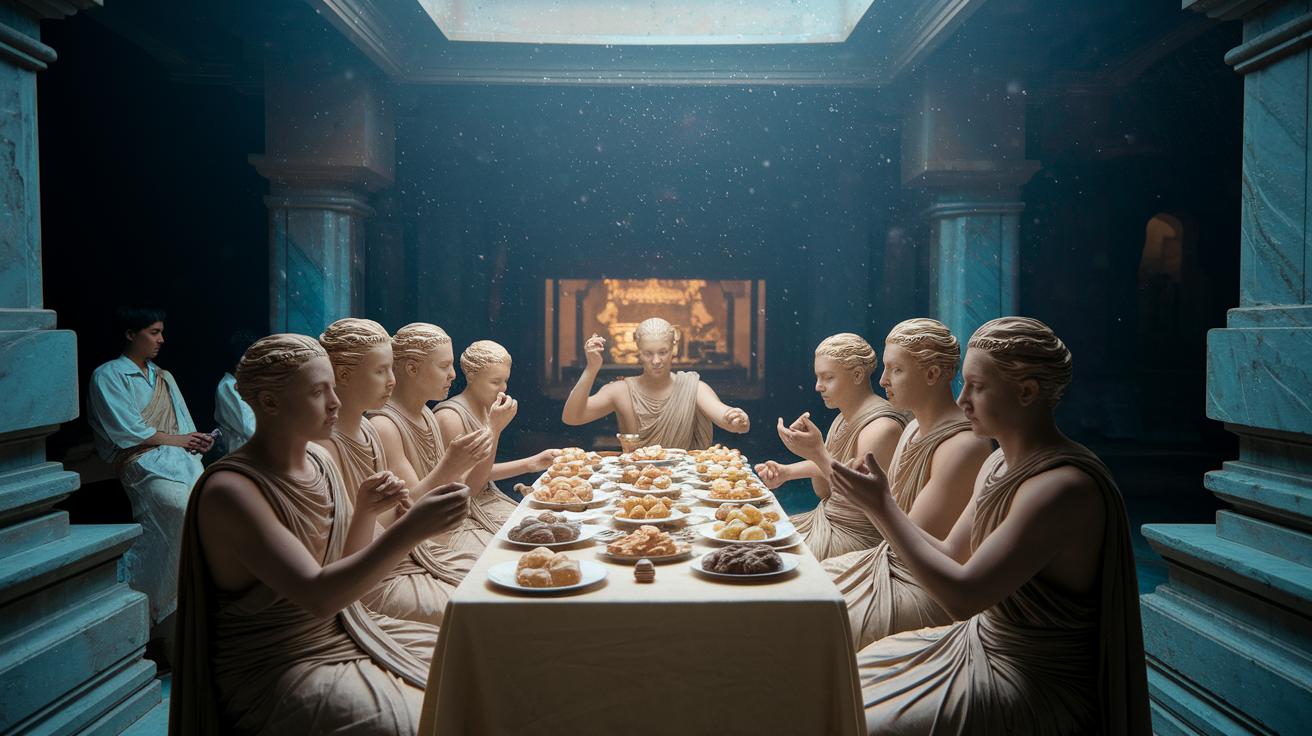
Ancient writings such as Homeric hymns describe divine feasts that spark wonder. Poets of old told of gods savoring sweets that hinted at eternal life. For them, food was not just a meal but a bridge to a higher realm, evoking scenes of cosmic celebration.
Medieval manuscripts detail rich dessert offerings made to honor the divine. Royal banquets and church feasts showcased sweets so refined that they were thought to carry a touch of the sacred. The language in these texts ties dessert-making to mystical rituals and celestial joy.
Today, many festivals, especially in the Philippines, celebrate this ancient lore through food. Families prepare treats with dates and walnuts to recall the flavors of the divine. These desserts grace holiday tables, blending cultural traditions with a timeless sense of wonder.
This legacy links age-old stories with today's celebrations, reminding us that food has always been a way to connect to something greater.
Evolution of Food for the Gods Recipes Through History
Long ago, people mixed honey with fresh figs and pomegranate seeds to create sweet treats. They used simple ingredients that brought out nature's pure flavor. This natural blend linked those who ate it to both the bounty of the earth and something divine, echoing recipes passed down through generations.
Later, cane sugar made its way into kitchens and gave these recipes a bolder sweetness. As trade routes grew, exotic spices began to appear. A pinch of cinnamon, clove, or nutmeg was added to the classic mixtures, turning simple treats into festive dishes that could be adapted to local tastes and ingredients.
Some essential milestones include:
- Ancient blends with honey, figs, and pomegranate
- Medieval recipes enriched with cane sugar
- Renaissance innovations that introduced delicate spices
- Colonial influences that blended flavors from different cultures
- Filipino recipes that later featured dates and walnuts
From early fruit and honey mixtures to modern twists, centuries of experimentation and cultural exchange have shaped these dishes. Today, Filipino date and walnut bars keep this legacy alive. They celebrate a tradition that began with simple, natural ingredients and evolved with new flavors and techniques, creating a treat enjoyed in kitchens around the world.
Modern Food for the Gods Confection: Filipino Date and Walnut Bars
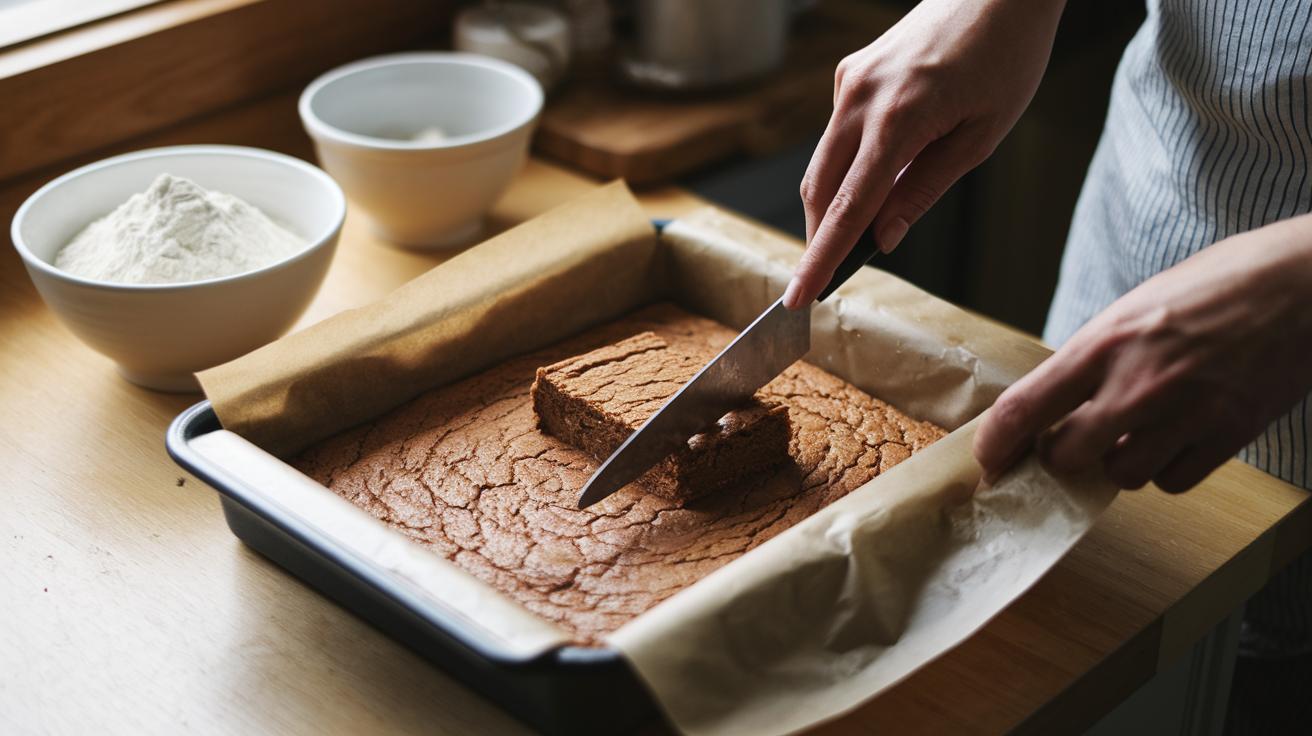
This Filipino treat shows off local creativity by mixing everyday ingredients with a special twist. The dessert is full of rich flavor and varied texture.
Start by sifting 1¼ cups of flour with baking soda, baking powder, and salt. This light mix forms the base. Next, blend in 2 cups of pitted Medjool dates. They bring natural sweetness, moisture, and a hint of caramel flavor that gives the bars a chewy bite.
Fold in 1½ cups of chopped walnuts. The earthy crunch of the walnuts balances the soft date paste, making each bite a mix of crisp and chewy textures.
- Preheat your oven to 350°F. Line a 9×9 pan with parchment paper that hangs over the edges.
- In a large bowl, sift 1¼ cups all-purpose flour with baking soda, baking powder, and salt.
- Mix in 2 cups of pitted Medjool dates until the paste is evenly distributed.
- Stir in 1½ cups of chopped walnuts for a chunky texture.
- Spread the batter evenly in the prepared pan.
- Bake until the edges turn lightly golden and the center is set, then remove from the oven.
When cut into 36 even bars, each piece offers a balanced serving. The moist, chewy layers and crunchy walnut bits work together to create a dessert that blends time-honored tradition with modern flavor.
Flavor Profiles and Ingredient Origins in Food for the Gods
Dates add a sweet, caramel-like taste while keeping the treat moist and chewy. They burst with natural sugars that fill every bite with a warm, familiar flavor.
Walnuts bring a crunchy, earthy feel to the dessert. Their nutty taste nicely balances the soft, sticky dates, giving each bar a memorable mix of textures.
All-purpose wheat flour forms the base of the dessert while baking soda and baking powder team up to create a gentle rise. This reaction turns the mixture into a light, tender treat, ensuring every bar has the right consistency.
Some kitchens swap in local dried fruits or different nuts in place of the usual ingredients. These changes give a unique twist to the classic flavor while still offering that food-for-the-gods experience.
Commercial and Branding Uses of Food for the Gods
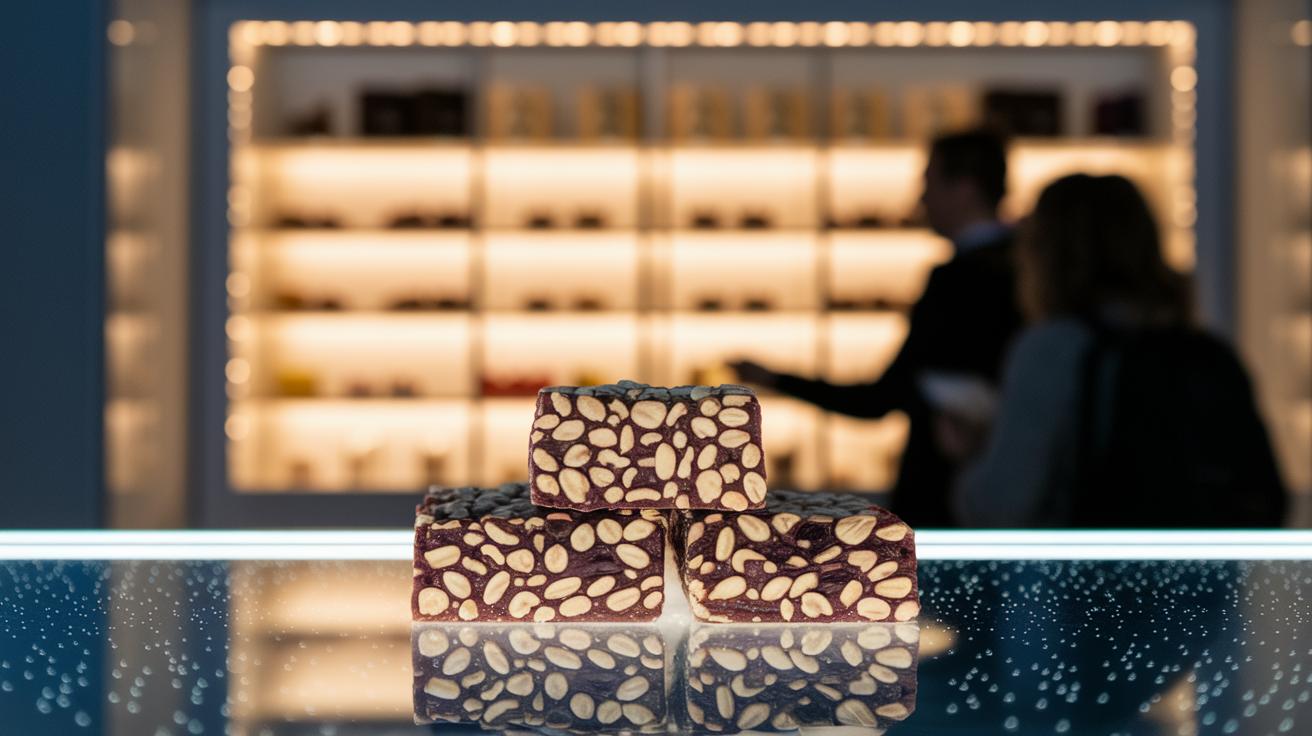
Retailers and online stores have jumped at the chance to use this catchy phrase. An Amazon shop even features items under the "Food for the Gods" name, drawing in shoppers who want a truly divine taste experience. Gourmet brands have put the label on date-nut bars and special holiday gift sets, blending old-school charm with fresh ideas.
Packaging in this category leans into a sky-high, celestial feel. Designs often use soft glows, star patterns, or tiny halos to give off a magical vibe. These details help products pop on busy shelves and in online photos, appealing to people who want a little mythic magic in their treats.
- Divine Delicacies Collection
- Eternal Essence Treats
- Celestial Celebration Gift Sets
This kind of branding gives artisanal makers a new way to tell their story. It catches the eye of both longtime fans and new food lovers looking for something memorable.
Final Words
In the action, we traced the storied origins of food for the gods through ancient myths and its lasting influence on culture and taste. We saw how recipe tweaks span centuries, from early honey-fig mixes to today’s Filipino date and walnut bars, and how flavor profiles connect past to present. We also touched on how brands use divine imagery to market these treats. This exploration shows a clear link between myth and modern kitchens. The magic of food for the gods continues to inspire chefs and diners alike.
FAQ
Q: Why is it called Food for the Gods?
A: The phrase originates in mythology where deities ate special foods like ambrosia. It names a treat worthy of divine flavors and implies an honor reserved for celestial beings.
Q: What is the food of the gods?
A: The food of the gods refers to mythic consumables, such as Greek ambrosia, Hindu amrita, and Norse nectar, that were believed to grant immortality and symbolize divine indulgence.
Q: Where can I buy Food for the Gods products?
A: The term is used for gourmet date and walnut bars available online and in specialty stores. Check popular online retailers and local artisanal shops for these heavenly treats.
Q: What is the Food for the Gods recipe?
A: The recipe typically uses dates, walnuts, and spices mixed with dry ingredients before baking into bars. Variations, including Filipino adaptations, create a rich, festive confection.
Q: What does Food for the Gods taste like?
A: This treat combines rich, caramelized sweetness from dates with crunchy walnuts and a moist texture. It offers a deep, festive flavor that makes it a holiday favorite.
Q: How long can Food for the Gods last?
A: When stored in an airtight container at room temperature, these date and walnut bars can remain fresh for up to one week, keeping their texture and flavor intact.
Q: What are the variations like Food for the Gods with molasses or Food for the Gods Cake?
A: Variations include versions with molasses for extra depth or a cake format for celebrations. Each twist offers a unique texture while preserving the treat’s signature divine essence.
Q: What modern titles and products use the Food for the Gods name?
A: The name appears in books, sequels like Food for the Gods 2, and themed items such as Food for the Gods In Flames, showcasing its blend of mythic appeal and modern creativity.
Q: How do desserts like date square, butterscotch bars, Sans Rival, bibingka, espasol, and cassava cake relate?
A: These desserts share rich, festive flavors and deep cultural roots. They all highlight diverse sweet traditions that resonate with the mythic concept of a treat fit for the gods.