

Ever wonder if food date labels like "sell-by," "best-by," and "use-by" mean your meal is bad? Many assume these dates are strict cut-offs for safety. In fact, they suggest when your food stays at its best quality, leaving it up to your own senses to decide. This guide breaks down each label and gives you simple tips to check your food, helping you cut waste and enjoy safe, fresh bites.
Food Expiration Dates Guidelines: Stay Safe & Fresh
Food date labels are simple guides, not hard deadlines. Most labels like sell-by, best-by, and use-by are recommendations from manufacturers about when food will taste its best. They are not strict rules for food safety. Only infant formula has a federally regulated expiration date. These labels have been around since the mid-1900s and follow voluntary industry practices. In the end, your storage methods and your own senses help decide if food is still good.
- Sell-by: Tells the store when to take an item off the shelves.
- Best-by: Shows the period when the product is at its peak quality.
- Use-by: Suggests the date by which you should eat the food to stay safe.
- Expiration date: Required by law for infant formula; it marks the last day the product can be safely used.
It is wise to team up these printed dates with your own check-ups. Before eating, look at the food, give it a sniff, and feel the texture. This simple practice helps reduce waste while keeping every meal safe and fresh.
Decoding Expiry Code Charts and Batch Numbers
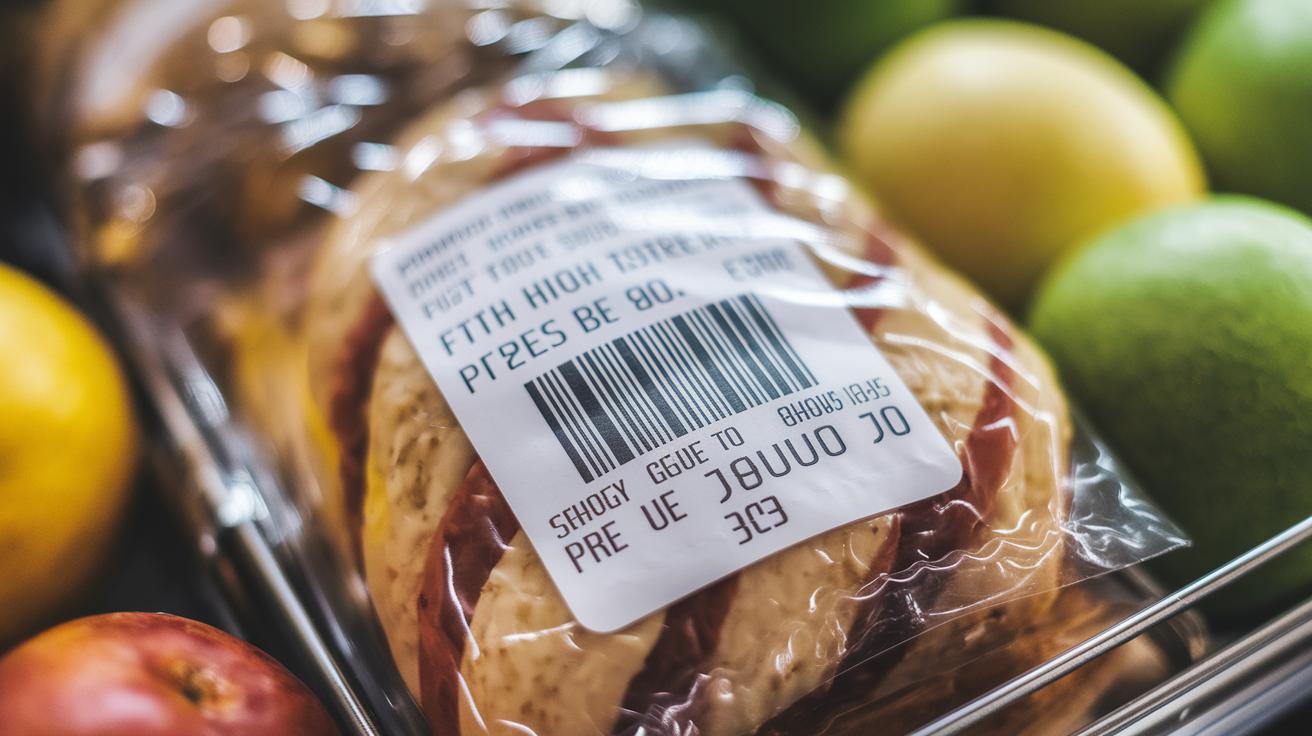
Food makers hide important details in their codes. These numbers and letters tell you when the product was made and how long it should stay fresh. For example, a six-digit Julian date shows the pack day and year, while letter codes point to production shifts or the facility used. Without one standard system, many shoppers find these markings confusing.
| Code Format | Decoding Method |
|---|---|
| Julian date | Six-digit number showing pack day and year |
| Batch number | Identifies a specific production run |
| Letter code | Indicates the production shift or facility details |
| Ten-digit code | Provides extensive lot and production data |
If these codes puzzle you, free online converters and code tools make it fast and simple to understand your food’s history and shelf life.
Storage Time Regulations and Environmental Impact on Food Lifespan
Keep your perishable items in the fridge and try to use them within 3 to 5 days. Leftovers are best eaten within 3 to 4 days. Make sure your refrigerator stays at or below 40°F to keep bacteria at bay. Bacteria grow quickly when temperatures sit between 40°F and 140°F. Using a thermometer is a smart way to check your fridge’s true temperature. Some people even suggest keeping dairy products at the front so you can easily spot any temperature changes.
Frozen foods hold their best quality for different lengths of time. For instance, meat is good for 4 to 12 months in the freezer, while vegetables tend to keep their flavor for 8 to 12 months. Remember, your freezer should be set at or below 0°F. Wrapping foods tightly and labeling them with the date helps you keep track of storage times. These simple steps not only keep your food safe but also maintain its taste and nutritional value.
Evaluating Food Quality Beyond Printed Expiration Dates

Keep an eye out for clear visual clues that your food might be past its prime. If you notice mold spots, faded color, or food that appears dried out, it could be a sign that the product isn’t as fresh as it once was. For example, uneven brown patches on your bread or salad greens that look wilted tell you the food may have lost its quality. Use your eyes first when printed dates no longer seem reliable.
Next, check the smell and feel of the food. Bad odors like sour or rancid smells are strong indicators that spoilage might be setting in. If the texture feels slimy or different from what you expect, it could mean the food is starting to break down, increasing the risk of harmful bacteria. These sensory hints work along with visual clues to give you a full picture.
If you don’t spot any obvious signs of spoilage, a small taste test can help you decide if the food is still safe. Start with just a tiny bite to see if the flavor is off. But if any of your senses raise an alarm, it’s best to play it safe and skip eating the product.
Regulatory Standards and Legislative Changes for Food Date Labeling
The FDA gives food companies tips on how to mark their products, though these labels are voluntary. In contrast, the USDA requires meat and poultry labels by law. These rules guide how food is marked and stored, but they do not set strict expiration dates. The FDA recommends phrases like "best if used by" to signal when food is at its best quality. Meanwhile, the USDA rules make sure that meat and poultry pass safety checks before reaching your plate. Together, these policies help shoppers decide what to buy and help reduce food waste by using printed dates as guidelines rather than hard deadlines.
Several states, including California and Oregon, are now pitching bills to standardize these food date labels across the nation. Lawmakers are working to set clear rules to explain phrases like "best if used by" so that everyone from consumers to retailers knows what to expect. If new federal laws pass, labels will more accurately reflect a product's safety and freshness. This change aims to provide a consistent approach that benefits consumers and businesses by following the best practices for food quality and safety.
Essential Tools and Resources for Verifying Food Expiration Dates

Smartphone apps and web scanners let you check barcodes or batch numbers to quickly pull up production details and shelf-life info. These handy digital tools make it simple to find hidden expiration dates. With just a few taps, you can match the printed date against your current storage conditions to decide if food is still good. Best of all, many of these features are free, so you can use them while you shop or cook.
Printable guides and charts from manufacturers offer extra help. Downloadable PDF charts list common freshness windows for many items so you always have a quick reference in your pantry. Consumer guides also explain typical storage times and ideal conditions for everything from fridge to freezer. These printables are a practical addition to your routine, ensuring you use food at the right time for safety and freshness.
Final Words
In the action, this article unpacked food date labels, expiry codes, and storage time rules. It broke down sell-by, best-by, use-by, and federally regulated dates while explaining how sensory checks help ensure food safety. The post navigated regulatory shifts and offered practical tools like barcode scanners and printable guides for quick checks. These food expiration dates guidelines can help you make sound decisions at every step, keeping kitchens safe and menus fresh. Keep your operations running smoothly and embrace these useful insights.
FAQ
Where can I find official food expiration guidelines in PDF format for the USA and USDA charts?
Finding official food expiration guidelines, including USDA charts, involves checking government websites and state food safety portals that offer downloadable PDF resources on proper food dating practices.
How does a food expiration date checker work?
A food expiration date checker works by letting you scan barcodes or enter batch numbers to retrieve production and shelf-life information, making it easier to assess a product’s freshness.
What foods should be avoided once they pass their expiration date?
Foods that show signs of spoilage—like dairy, cooked leftovers, or products with mold and off odors—should be avoided after the expiration date to reduce the risk of foodborne illness.
How do canned food expiration dates charts help consumers?
Canned food expiration dates charts provide guidelines on how long canned products typically remain safe, helping you identify potential risks by checking for physical signs like swelling or rust.
How long after the best-by date is food generally considered safe to eat?
Foods past the best-by date may still be safe if stored correctly; using your senses—checking appearance, smell, and taste—helps confirm whether the quality has diminished.
What does the 2 2 2 rule for food mean?
The 2 2 2 rule suggests quick action: refrigerate perishable foods within 2 hours, use leftovers within 2 days, and reheat foods thoroughly, ensuring food safety at home.
What is the FDA rule on expiration dates?
The FDA only mandates expiration dates on infant formula, with most other labeled dates like best-by or use-by serving as manufacturers’ guidelines rather than strict federal requirements.