

Get ready for a change in what you eat and drink. Classic flavors now blend with creative twists that spark your taste buds. Experts say the market could reach about $1.8 trillion in sales by 2030. Kitchens are mixing tradition with eco-friendly and healthy ideas that stand out. This story explains how sustainable menus and digital tools are reshaping dining habits and why that matters for you.
Executive overview of 2025 food and beverage market
The global food and beverage market is set for big growth. Experts say it could hit nearly $1.8 trillion in sales by 2030. Around the world, kitchens mix old-school recipes with new creative twists. This trend draws both fans of comfort food and those looking for something fresh.
Restaurants and stores are listening closely to what customers want. Health, speed, and eco-friendly practices are top priorities. Menus are getting simpler with clean ingredients, fresh ideas, and smart packaging. More people are choosing sustainable meals that are packed with nutrients and easy to order online.
Next, we take a closer look at these changes. We cover green practices, cutting-edge digital tools, inventive beverage creations, strong supply chains, and smart market forecasts. Each section breaks down key facts and figures for anyone trying to keep up with rapid shifts in global food trends and restaurant services.
Sustainable food and beverage trends driving eco-conscious choices
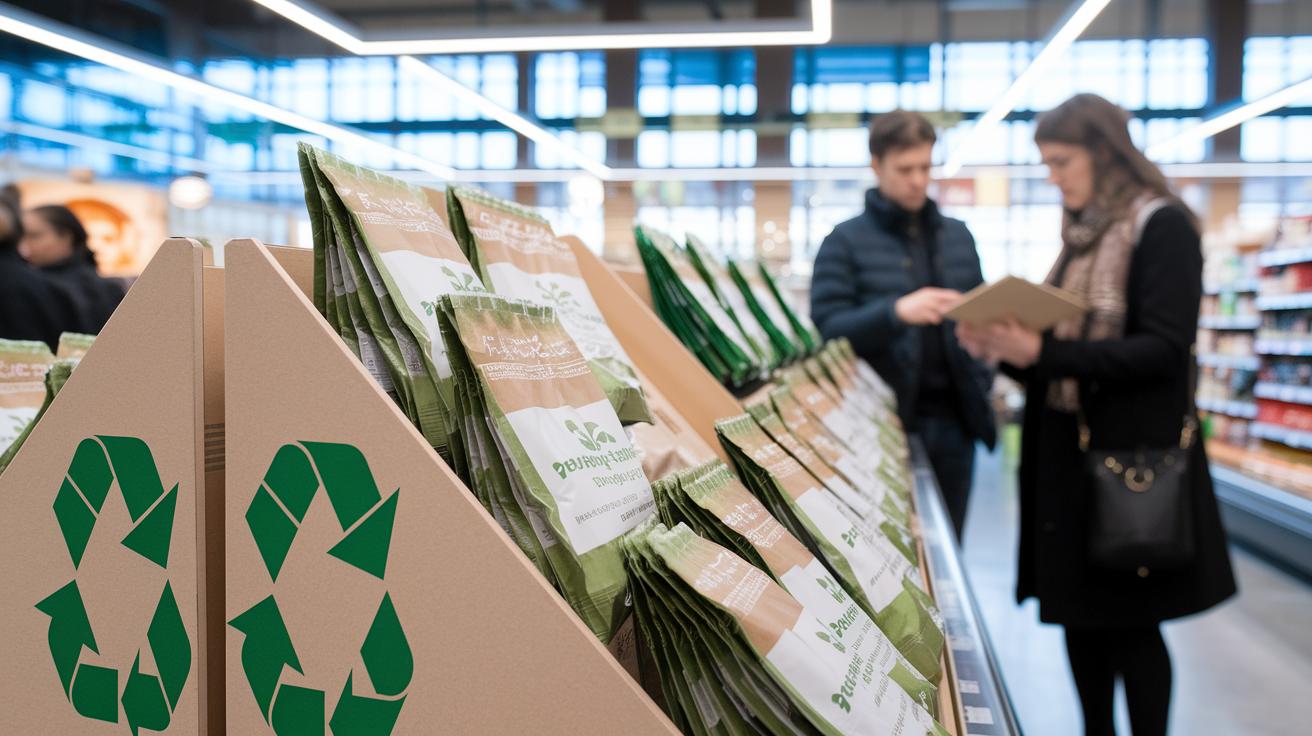
Consumers and food operators are shifting to greener practices as eco-friendly choices gain ground. Nearly 78% of consumers value sustainable options and 63% say they buy greener products, putting pressure on brands to change how they operate. Food operators are cutting waste and improving packaging, while shoppers back products that are responsibly sourced.
| Sustainable Practice | Key Statistic |
|---|---|
| Eco-friendly packaging | 43% industry demand |
| Waste reduction targets | EPA: 73–152 million metric tons wasted + 34 million from processing |
| Price premiums for sustainable products | 50% consumer willingness |
Restaurants and manufacturers are adding plant-based items, organic ingredients, and zero-waste plans to their menus. They want to serve health-minded customers while building trust through quality and clear sourcing. Zero-waste strategies also cut food waste and lower the impact on the environment by rethinking supply chains and cooking practices. This push to go green meets rising clean food demand and helps businesses succeed over the long haul.
Digital food and beverage trends transforming dining experiences
Online ordering and delivery options have changed the way people get their meals. More folks are using easy-to-navigate apps and websites to order food and take advantage of delivery and curbside pickup. Recent numbers show that online grocery orders have jumped by 56% while curbside pickups have doubled in just two years.
Restaurants are also turning to self-service kiosks, mobile apps, and AI chatbots to handle day-to-day operations. With 70% of restaurant operators struggling to fill positions, these digital tools minimize wait times and cut down on mistakes. This lets staff focus on food quality and great service. For example, Campbell Soup Co. is already using advanced tech to track trends and manage orders better. Upgrading digital systems is now a smart move for boosting efficiency and interactivity (https://matpple.com?p=878).
Social media plays a big role in setting new dining trends. Influencer campaigns and viral menu items drive a lot of excitement online and encourage diners to try new dishes. These popular food posts and reviews push restaurants to keep innovating and responding quickly to what consumers want.
Beverage sector trends: innovations in drinks and mixology
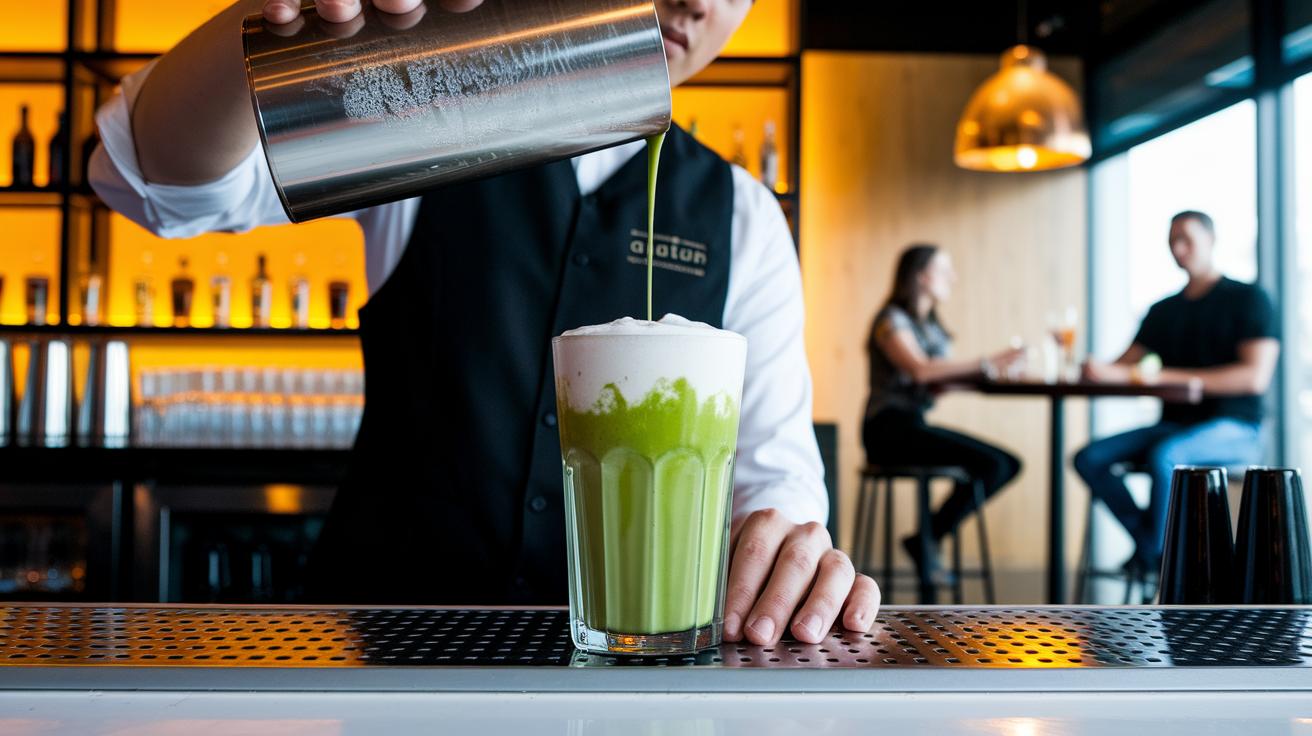
Drink makers are shaking up the beverage scene with bold flavors and fresh looks. New methods mix classic techniques with unexpected twists to create eye-catching drinks.
Innovators are using topping techniques like cold foams, cloud foams, and light whips to give everyday drinks an airy texture. Mixologists blend familiar flavors with global influences, a trend some call newstalgia, to turn traditional recipes into layered, memorable experiences. Matcha stays popular in energizing beverages, and hojicha, a roasted and nutty tea, is winning fans among those who want a refined twist. These creative moves are boosting growth in craft drinks and sparking flavor experiments in both alcoholic and non-alcoholic options.
Non-alcoholic drinks are also getting a makeover. Beverage pioneers are crafting complex mocktails that stand toe-to-toe with classic cocktails in taste and presentation. This shift means more inclusive choices for health-minded and flavor-loving consumers. In short, these trends are changing how we think about quenching our thirst and enjoying a drink.
Supply chain and tech: behind-the-scenes food and beverage trends
Food companies are shifting their focus as the global cold chain market grows fast. In 2023, this market was worth USD 330.68 billion and is expected to rise 14.8% each year until 2030. In the United States, cold storage could hit USD 118.8 billion by 2031. These big numbers push companies to adopt smart sourcing methods that keep food fresh all the way.
Automation and AI also play a big role in changing how products are made and recipes are developed. Campbell Soup Co., for example, uses automated systems and AI tools to forecast trends and optimize supply. These tools help cut errors and allow firms to adjust production settings in real time when consumer tastes change quickly.
Many operators now focus on keeping things clear, fast, and under strong quality control. They use tracking systems to follow every shipment and keep a close eye on inventory. This kind of oversight means problems can be fixed fast, ensuring that every step, from buying ingredients to serving food, runs smoothly.
Predictive food and beverage trends: forecasting future market shifts
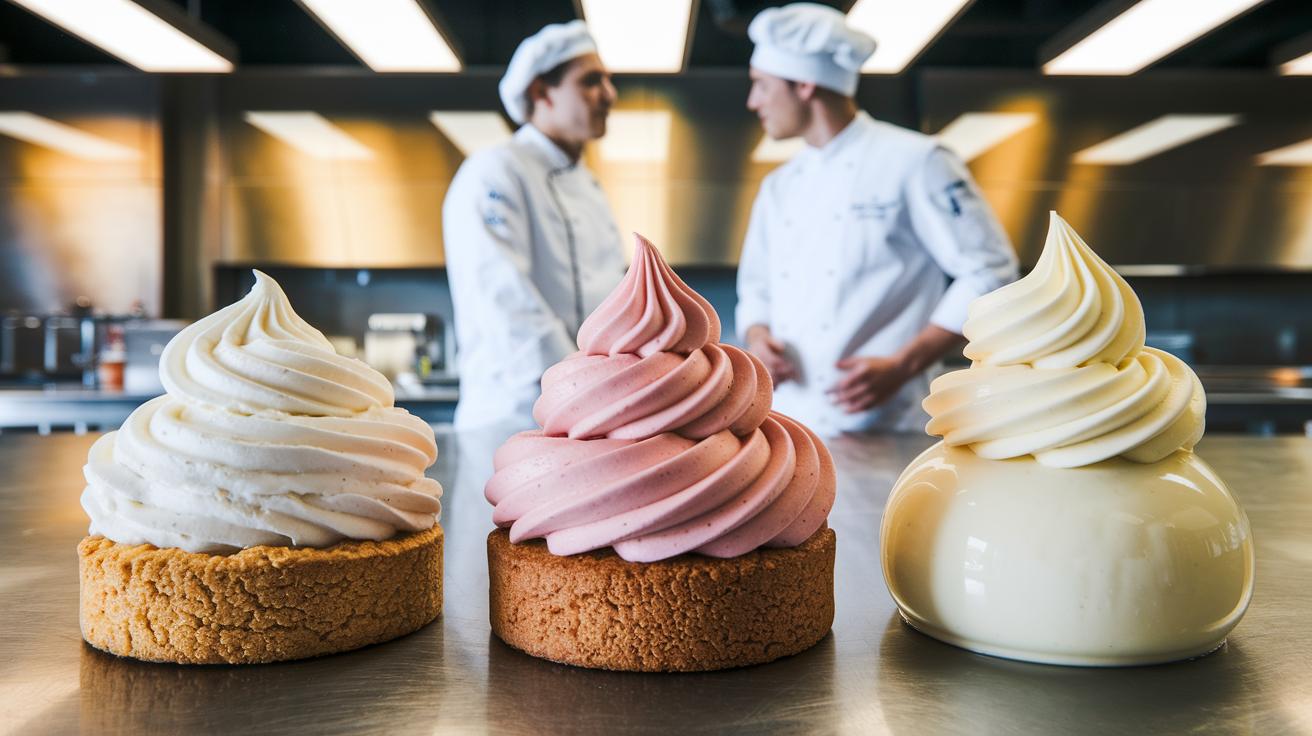
Edlong’s Top 10 Flavor Report for 2026 offers a quick look at upcoming food trends. The report highlights new textures and creative flavor ideas in dairy, bakery products, and sauces. It shows how experiments with texture and taste can turn everyday dishes into memorable experiences.
At Food Ingredients Europe 2025, experts shared global market predictions. They focused on clean-label strategies, reducing fat and sugar, boosting sweetness, and creating custom recipes. These ideas suggest that brands are rethinking classic recipes to meet growing consumer demands for healthier options while still delivering on flavor.
Looking ahead, brands are investing more in research and development to create menu items that hit both health goals and bold taste profiles. New predictive analytics tools help restaurant operators understand changing customer tastes in real time. Chefs are mixing these insights with fresh flavor ideas to craft dishes that are both comforting and exciting. This smart approach means every plate offers a mix of familiar favorites and surprising twists, inviting diners to taste the future.
Final Words
In the action, our post covered a quick glance at the 2025 market scale, eco-friendly choices, digital shifts, beverage innovations, supply chain upgrades, and forward-looking menu ideas. Each section tied data with observable shifts in consumer eating habits and restaurant strategies.
This summary brings clarity to changing dynamics and actionable tips for adapting to food and beverage trends. The insights encourage operators to adjust quickly and take confident steps into a future full of profitable opportunities and smart innovations.
FAQ
What do food and beverage trends in 2026 indicate?
The food and beverage trends in 2026 indicate a move toward cleaner ingredients, plant-based choices, digital innovation, and sustainable practices, all meeting consumer demand for healthy and ethical options.
What are the current trends in the food service and beverage industry?
The current industry trends focus on tech-driven ordering, sustainable practices, waste reduction, and innovative flavor combinations. These trends help meet consumer demand for convenience, health, and responsible sourcing.
What are food trends on TikTok?
The food trends on TikTok feature quick, eye-catching recipes and creative plating ideas. These trends spread rapidly among younger audiences and inspire new, viral food fads.
What food and beverage trends are emerging for 2025?
The food and beverage trends in 2025 are shaped by digital enhancements, streamlined delivery services, sustainable sourcing, and menu updates that align with changing consumer preferences and operational efficiencies.
What is the trend among Gen Z when it comes to food?
The Gen Z food trend emphasizes ethically sourced ingredients, customizable meals, tech-enabled ordering, and engaging social media experiences that combine appealing visuals with bold flavors.