

Ever wonder if your favorite bite is truly safe? The FDA checks most U.S. food to keep you protected. New FSMA rules work like a routine car check before a long trip. Regular inspections and recalls now help keep our food secure. In this post, we explain how these steps work, why they matter, and what they mean for companies and you.
FDA Food Safety Regulations Overview
The FDA manages about 80% of the U.S. food supply, setting standards for almost every food and ingredient sold between states. Products such as meat, poultry, some eggs, and catfish are handled by the USDA. This clear split helps businesses know which rules apply to them.
Under the Food Safety Modernization Act (FSMA), key rules were introduced to update inspection and safety practices. These rules include the Produce Safety Rule, which sets guidelines for growing, harvesting, packing, and holding fruits and vegetables; the Preventive Controls for Human Food rule, which pushes manufacturers to use risk-based safety procedures; and the Foreign Supplier Verification Program, which makes sure imported foods meet U.S. safety standards.
Recent updates in federal food safety policy point to changes extending into 2025. The FY2023 Pesticide Residue Monitoring Report gives a detailed look at chemical residues, and there is a proposed post-market review of food additives aimed at keeping consumers safe. One facility manager likened the process to checking every part of your car before a long drive, each step is important for smooth performance.
The FDA also supports both industry and consumers with a range of educational resources. These include media kits, consumer guides, and detailed advice on contamination control and supply chain management. Such tools help companies follow best practices and keep consumers informed about the safeguards protecting the food supply.
FDA Food Safety: Trusted Inspections, Recalls & Compliance
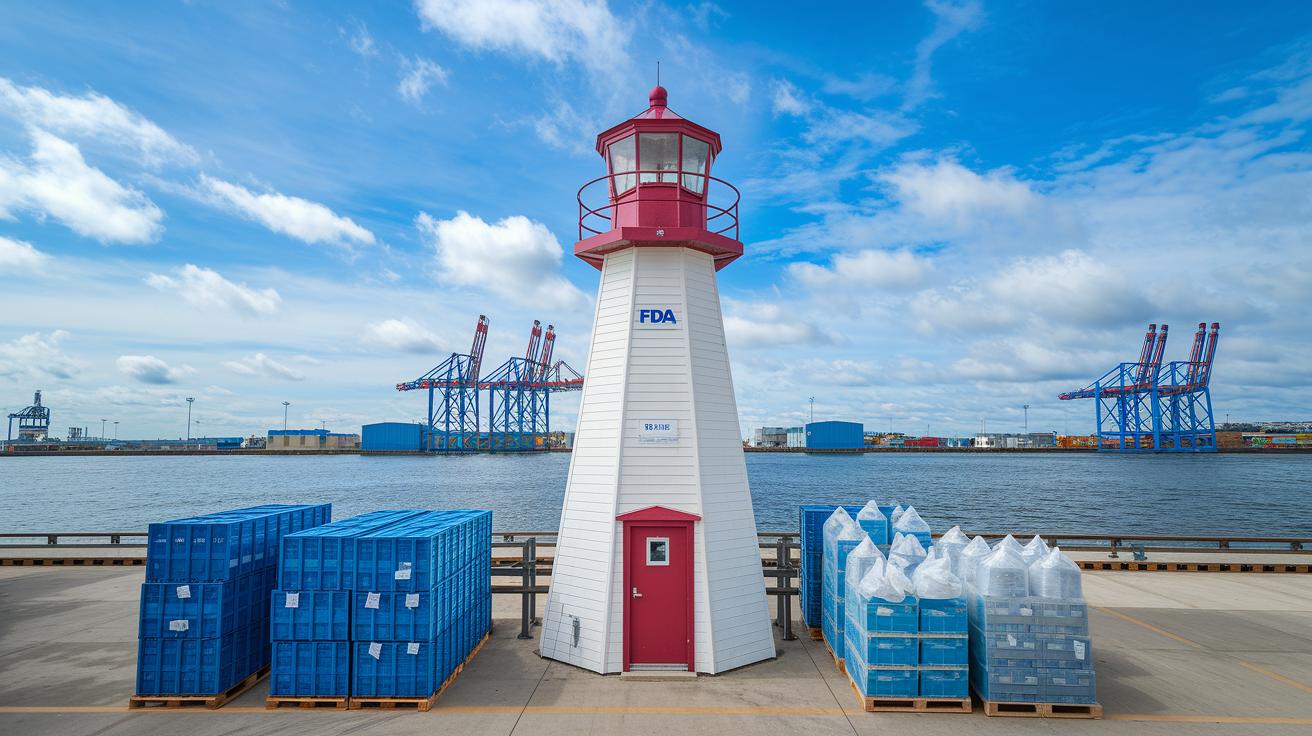
Under FSMA, the FDA inspects facilities based on risk. High-risk plants are checked every year, while others get reviewed every three years. This method focuses on spots that might endanger consumers. For example, a plant noted for recurring cleaning issues is now inspected annually instead of every three years. Inspectors look at daily cleaning, staff work habits, and offer clear recommendations for fixes.
Import alerts also help monitor products from abroad like seafood and candy. When such items do not match U.S. safety rules, alerts trigger fast action. These alerts update with new risks and violations. Although support staff for paperwork has dropped 65%, the number of inspectors stays the same. Some delays in scheduling and record keeping might occur, but actions such as warnings, fines, or even stopping production follow any non-compliance findings. An inspection report might say "Corrective measures are required immediately," pushing facility managers to act fast.
- Risk-based selection criteria
- Updated import alerts
- Enforcement actions following non-compliance
Each rule and follow-up check is key to keeping our food system safe.
Preventive Controls and Contamination Risk Management under FDA Food Safety
Under FSMA, companies must review every step of their production process to spot dangers from bacteria, chemicals, and foreign objects. They use a risk-based approach to check each stage, which helps decide where safety measures are most needed.
Next, businesses set key checkpoints, known as Critical Control Points (CCPs). These points, like heating food to the proper temperature or using a filter, help stop or reduce risks. Once identified, these steps are carefully monitored. If a reading, such as temperature, falls outside safe levels, quick corrective actions are taken to prevent any harm to the final product.
Companies also verify that their safety steps work. They perform regular tests and clean checks, keeping detailed records of each test and any fixes. This process makes sure problems are found and solved fast, protecting our food supply.
| Steps to Manage Hazards |
|---|
| Complete a hazard analysis at every production stage |
| Identify and monitor Critical Control Points |
| Take immediate corrective actions if safe limits are breached |
| Verify controls through routine sampling, testing, and documentation |
Facility Hygiene and Sanitation Practices in FDA Food Safety Compliance

Food processing facilities need to have written Sanitation Standard Operating Procedures (SSOPs) that list all cleaning methods and schedules. These procedures lay the groundwork for compliance by explaining how to clean daily, sanitize equipment, and check that surfaces remain safe. For example, an SSOP might state, "Clean and sanitize conveyor belts every shift to lower the risk of contamination."
Facilities also perform environmental monitoring to check for harmful germs like Listeria in areas where ready-to-eat foods are made. Regular sampling and documented test results help managers spot issues and adjust cleaning routines. Sometimes, lab tests show seasonal increases that require extra cleaning during warmer months.
Controlling allergens is another top priority. Businesses must use allergen control techniques by following strict cleaning schedules, designing equipment to prevent cross-contact, and training staff on proper procedures. They also separate areas with allergens from other production lines to avoid accidental exposure.
Audits and compliance reviews are important for maintaining high standards. Inspectors verify that SSOPs are followed correctly and that records are accurate. They also check that measures to prevent cross-contamination are working as planned.
- Staff training on hygiene protocols
- Detailed documentation of cleaning processes
- Regular environmental and allergen-specific sampling
These practices help keep food safe and ensure that any potential risks are addressed quickly.
fda food safety: Trusted Inspections, Recalls & Compliance
The FDA can force recalls on high-risk products like seafood and infant formula. For other food items, they work with companies to issue voluntary recalls when problems occur. When a hazard is spotted, such as contamination in imported candy or an outbreak from a U.S. plant, the agency acts fast. They alert the public, provide clear recall instructions, and team up with companies to stop further sales.
Import alerts and contamination alerts play a key role in keeping unsafe products out of stores. These alerts flag shipments at U.S. borders and hold them if they don't meet safety rules. For instance, if a shipment of imported seafood shows warning signs, it is detained until tests confirm its safety. This proactive step helps protect consumers from dangerous products.
The system also relies on incident reports under the Food Safety Modernization Act (FSMA). FoodNet, a network that tracks foodborne illnesses, monitors outbreaks of salmonella and E. coli affecting about 16% of the U.S. population. When an outbreak is detected, the FDA sends out public health alerts and works closely with state labs to trace the source and manage the situation.
In a crisis, several coordinated steps come into play. The agency notifies consumers, checks how well the recall worked, and issues public health alerts to keep both the public and industry informed. A solid emergency plan ensures that every step, from starting a recall to informing the public, happens quickly and keeps our food supply safe.
Data-Driven Safety Innovations and Modernization in FDA Food Safety
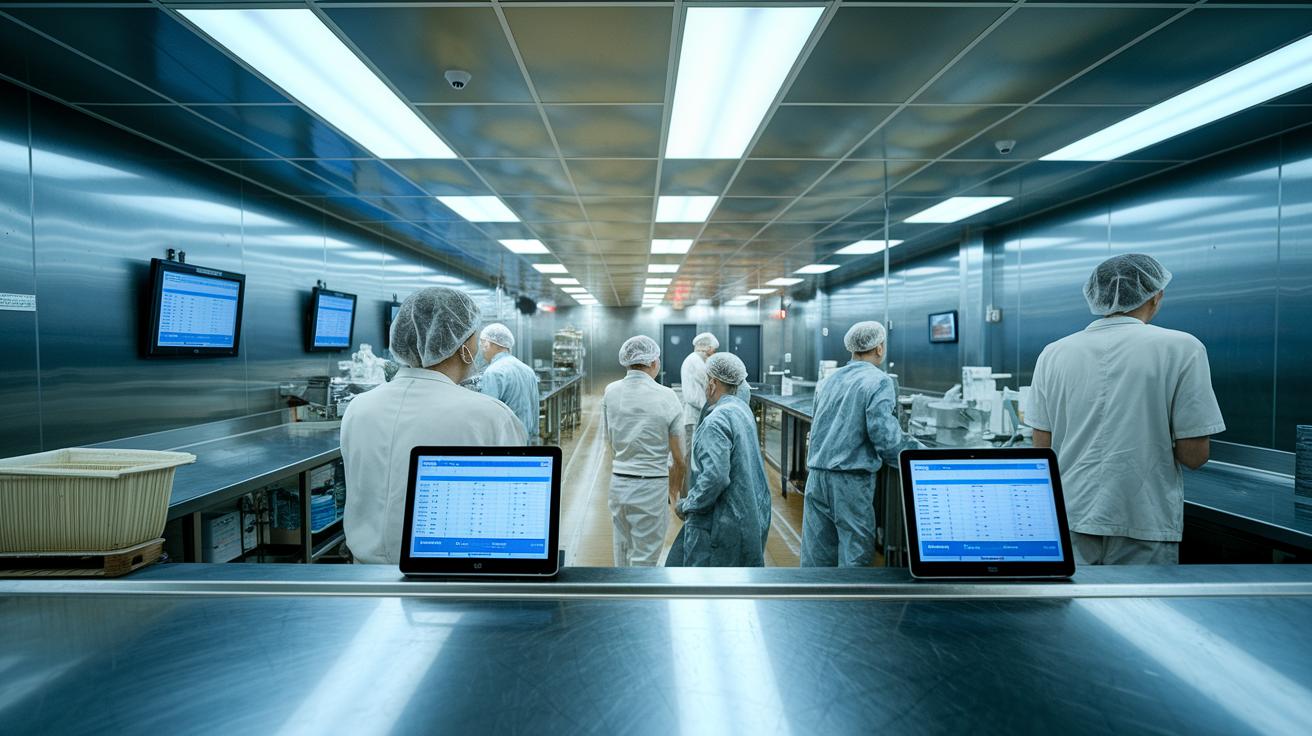
Under FSMA, digital records and electronic traceability are key tools for the FDA. Every facility must log each step in production to keep track of every product. This helps trace a contaminated batch quickly and keeps consumers safe.
Pilot programs are trying new methods that detect harmful pathogens in hours, not days. Remote audits are also gaining ground. For example, a facility may join a virtual audit where inspectors watch live camera feeds. This tech-driven method speeds up inspection and lowers costs while giving real-time compliance insights.
Data analytics are crucial for reviewing food additives and chemicals after they hit the market. Experts sift through large data sets to spot trends and catch safety issues early. This approach guides decisions on product safety and regulatory changes.
The FDA also offers online resources and an AI-based Q&A tool for industry professionals. These digital aids provide quick answers to regulatory questions and boost traceability systems. For robust traceability practices in procurement, see sustainable sourcing.
Final Words
In the action, the post breaks down the key security measures in fda food safety. It covers everything from agency oversight to facility sanitation and the steps to handle recalls. Small-to-midsize restaurant teams get a clear picture of inspection routines, preventive controls, and technology-based updates that aim to keep food safe. These insights offer a clear path for improving operations and building trust with customers. The information shared leaves businesses well-equipped to face daily challenges and build a brighter future in the food industry.
FAQ
Q: What are FDA food safety guidelines?
A: FDA food safety guidelines set federal standards for food processing and handling to help prevent contamination and keep consumers safe.
Q: What is the FDA verification portal?
A: The FDA verification portal is an online system that allows users to check compliance and certification status for food safety regulations.
Q: What is contained in the FDA Food Safety guidelines PDF?
A: The FDA Food Safety guidelines PDF provides a complete overview of regulatory procedures and best practices to maintain safe food production and reduce contamination risks.
Q: What does FDA food recalls this week indicate?
A: FDA food recalls this week refer to current efforts by the agency to remove unsafe products from the market and alert consumers about potential health risks.
Q: What are 10 ways to ensure food safety?
A: Ten ways to ensure food safety include practicing good hygiene, properly storing food, maintaining clean surfaces, monitoring temperatures, and staying informed on recalls and regulatory updates.
Q: What is the importance of food safety?
A: Food safety is essential because it prevents foodborne illnesses, protects public health, maintains product quality, and meets regulatory standards for safe consumption.
Q: What are the FDA regulations for food manufacturing?
A: FDA regulations for food manufacturing establish requirements for processing, labeling, testing, and handling food to ensure products are safe and free from harmful substances.
Q: What does the Food safety and sanitation PDF cover?
A: The Food safety and sanitation PDF outlines detailed procedures for maintaining clean facilities, proper sanitation routines, and effective measures to prevent cross-contamination.
Q: Is the FDA ending food safety inspections?
A: The FDA is not ending food safety inspections; rather, it continues risk-based inspections to protect public health, adapting methods based on changing guidelines and resource considerations.
Q: What is the 2 2 2 rule for food safety?
A: The 2 2 2 rule in food safety commonly refers to reminders about time, temperature, and cleaning practices during food preparation, though it is not an official FDA term.
Q: What are the 5 basic food safety rules?
A: The 5 basic food safety rules involve cleaning, separating, cooking, chilling, and avoiding cross-contamination, providing a simple foundation for safe food handling practices.
Q: Did the FDA just revoke 52 food standards?
A: Recent FDA actions have involved revising certain food standards; for details on revocations or changes, consult current official FDA updates for accurate information.