

Curious about the latest food trends? Chefs are blending Caribbean, Middle Eastern, and South American spices to create dishes that are both surprising and fulfilling. New ingredients and inventive recipes are shaping how we eat. High-protein and plant-based options are on the rise, and smart packaging keeps meals fresh for busy lives. These changes mean more exciting flavors on our plates every day.
Overview of Emerging Culinary Movements and Dietary Shifts in Current Food Trends
In 2025, food is changing fast. Chefs and restaurants are mixing in global spices and fresh ideas. Caribbean, Middle Eastern, and South American flavors bring bold, lively tastes to dishes. New eco-friendly packaging makes ready meals taste fresh and meet busy schedules.
Consumers are now drawn to meals that pack a punch. They enjoy high-protein dishes, foods with layers of spice and texture, and plant-based options. These favorites pair well with trendy non-alcoholic drinks popular with Gen Z. Simple, fresh packaging helps keep meals ready to go.
- Chefs are blending international seasonings to create new flavors.
- There is a growing focus on functional foods that support wellness.
- Plant-based menus are expanding with creative recipes.
- High-protein options match modern eating habits.
- Spicy and textured flavors are gaining more fans.
- Young diners are choosing more non-alcoholic beverages.
- Innovative packaging keeps convenience foods fresh longer.
- Restaurants are embracing sustainable and ethical sourcing practices.
Recent numbers back up these trends. For example, 19% of Gen Z opts for plant-based meals, and 79% of younger diners seek out international tastes. With about 79 million vegans around the world, the demand for healthy, inspired dishes is clear. Restaurateurs are adjusting their menus to match these shifts and to serve meals that hit the mark for today's diverse tastes.
Global Flavor Evolution in Current Food Trends
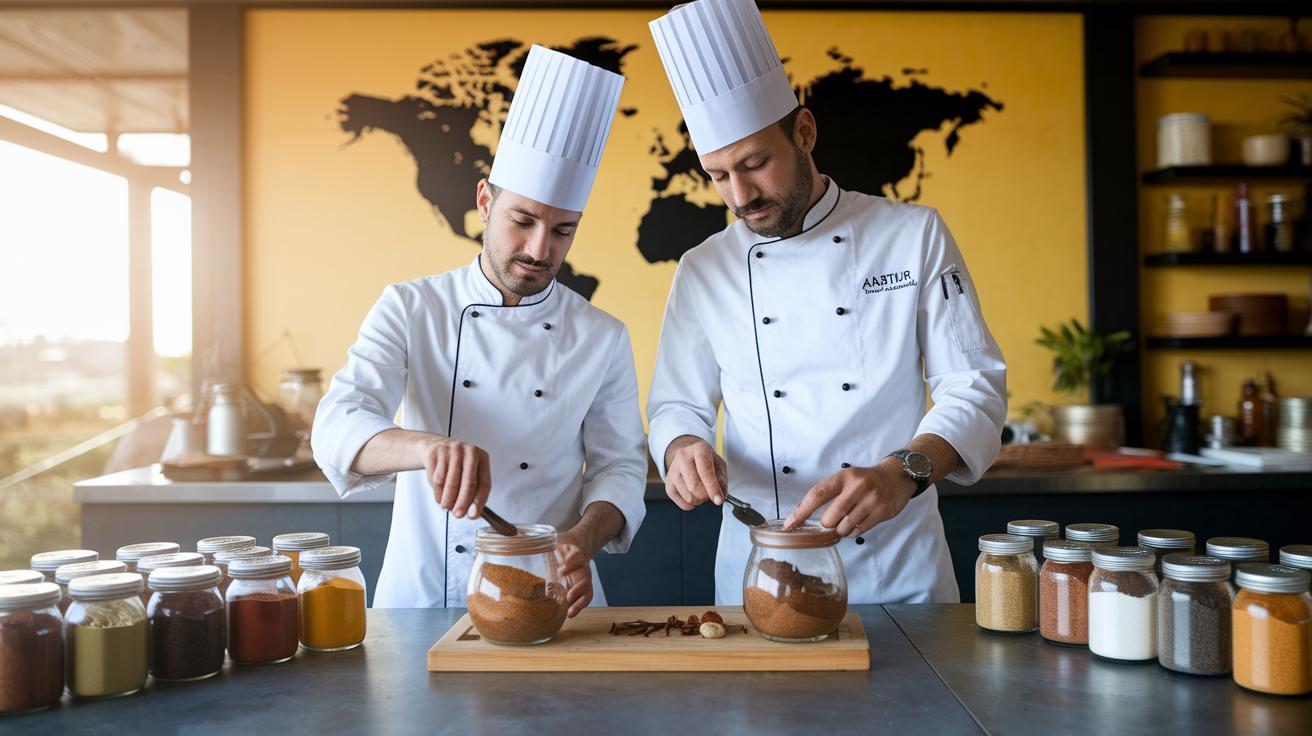
Chefs are shaking up traditional recipes by blending Caribbean spices, Middle Eastern seasonings, and South American ingredients. This mix of cultures not only reinvents classic dishes but also adds bold, fresh flavors to menus. Each plate becomes a familiar-yet-surprising adventure for diners.
Recent data shows that 79% of younger diners crave global tastes that feel easygoing in casual settings. Street food favorites like birria tacos are getting creative with twists like goat, chicken, and even mushroom fillings. These changes tap into a rising love for diverse, internationally inspired dishes that are both easy to enjoy and hard to forget.
Some chefs are also working with ingredients like yuzu fruit, which is now a star in sauces, dressings, and cocktails. These global flavor fusions reshape menus by mixing tradition with a modern edge. The trend meets a clear demand for international tastes while pushing chefs to keep reinventing their dishes.
Plant-Based Dish Popularity in Current Food Trends
Around 79 million people worldwide are now adopting a vegan lifestyle. This shift encourages restaurants to offer plant-based dishes that satisfy strict vegans and those cutting down on meat. Some diners even share that their favorite vegetarian pasta now features a fresh spin while keeping its hearty feel.
Mushrooms have emerged as a popular substitute for meat. Nearly 50 publications have noted this trend. Chefs are using mushrooms to create filling, tasty meals that mix familiar flavors with new vegan ideas. This has led to dishes with unique textures and savory tastes that draw many food lovers.
Alternative milks are also making a comeback. Beyond almond and soy, options like oat, macadamia, and pea milk are now used in both drinks and savory recipes. This change helps restaurants rework classic vegetarian meals to fit evolving tastes while keeping them easy to enjoy and full of nutrients.
Sustainable Dining Practices in Current Food Trends
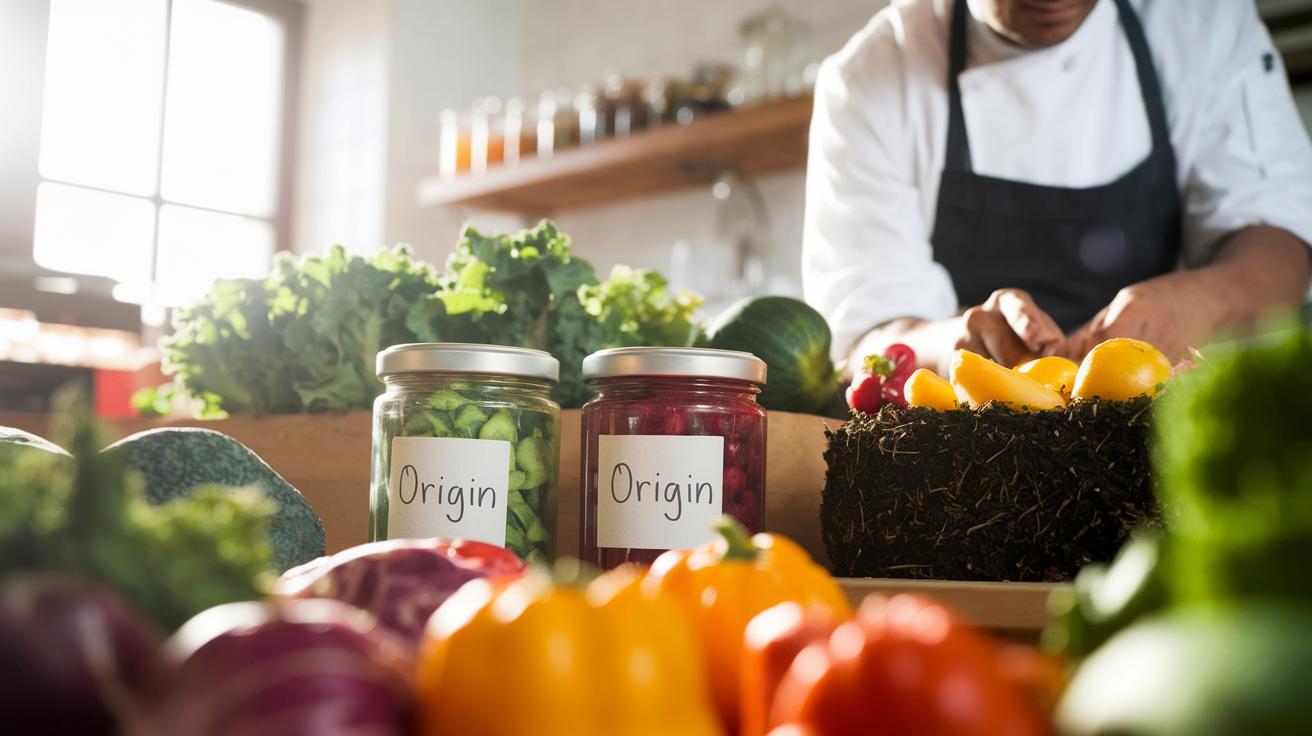
Restaurants are rethinking how they run their kitchens and manage their supply chains to put sustainability at the center of their work. They are turning to practices like restorative agriculture (which improves soil health naturally) and clear ingredient sourcing, so diners know exactly where their food comes from. This fresh approach blends old methods with new ideas for cutting waste and caring for the planet, making every dish a story about environmental respect.
- Using restorative agriculture to boost soil health and natural growth.
- Sharing clear ingredient origins so patrons know the food's backstory.
- Offering seacuterie boards, which swap traditional charcuterie for responsibly sourced seafood.
- Recycling and reusing food scraps in the kitchen to cut down on waste.
- Adopting circular food system ideas to lessen waste and stretch every resource.
- Embracing zero-waste cooking techniques that spark culinary creativity and lower environmental impact.
As diners ask for honest supply-chain practices and detailed food histories, sustainable dining is paving the way for a cleaner food future. Restaurants are shifting to methods that reduce waste while showing care for our environment, meeting customer needs and setting new standards for ethical dining today.
Tech-driven Innovations in Current Food Trends
Modern kitchen technology is changing how restaurants operate from first contact to the kitchen. Today’s systems blend mobile ordering, online payments, gift cards, and email marketing to make transactions smooth and fast. Tools like the AI assistant Toast IQ and Guest CRM add a friendly, personal touch for guests, while xtraCHEF helps keep costs in check behind the scenes. Restaurants are embracing automated services and smart hardware like handheld POS devices, self-order kiosks, and kitchen display systems to speed up orders and connect every part of the business.
| Technology | Description | Impact on Service |
|---|---|---|
| Mobile Ordering | Makes ordering quick through smartphones | Improves speed and cuts down mistakes |
| AI Assistant | Delivers real-time insights via Toast IQ | Enhances personalized service and smart choices |
| Guest CRM | Collects guest data for a tailored experience | Boosts customer connections |
| Self-Ordering Kiosks | Lets customers place orders on interactive screens | Reduces wait times and improves order accuracy |
| Kitchen Display Systems | Shows orders in real time to kitchen staff | Speeds up food prep and boosts efficiency |
These digital dining tools and robotic kitchen aids are making everyday operations smoother. By weaving advanced tech into every step, restaurants can serve orders faster and handle busy times with ease. This shift not only streamlines current practices but also opens the door to creative dining experiences that meet today’s fast-changing customer needs.
Social Media Influence and Viral Recipe Phenomena in Current Food Trends
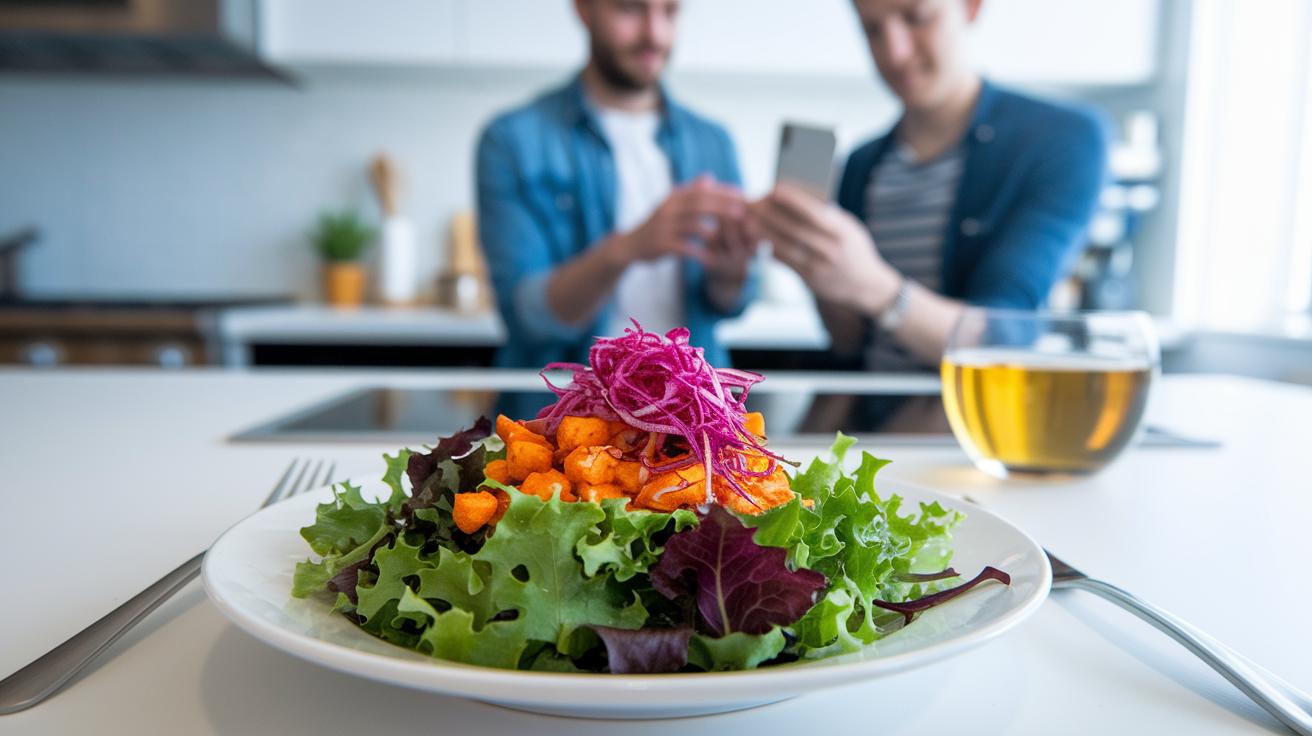
Instagram and TikTok are changing our dining habits. Bright, colorful images of meals like the Green Goddess salad catch the eye with fresh ingredients and bold plating. Food lovers turn to these platforms for fast, shareable recipe videos that add exciting twists to classic dishes.
This shift matters because the snack market, worth $1.56 trillion in 2023, also rides this wave of influence. Healthier options such as bars, nuts, and even popcorn get a boost when influencers display simple, nutritious recipes that look as good as they taste. Their posts mix visual appeal with healthy ingredients, encouraging many to experiment in their own kitchens.
Charcuterie boards and seacuterie displays have also found a strong following online. Beautifully arranged boards spark interest among viewers, who then try to recreate the style at home. Influencer-led cooking challenges and recipe remixes bring people together, turning every shared image into a potential launchpad for the next big food trend.
Nutrient-Focused Eating Styles in Current Food Trends
Restaurants and home kitchens are switching up their menus by adding super ingredients like sea moss, ginger, and seaweed to boost gut health. These foods are loaded with nutrients that help digestion and overall well-being. Chefs are mixing things up with creative recipes that offer natural benefits with every bite. For instance, a single serving of sea moss can deliver key minerals that many modern diets miss.
Today, diners are on the lookout for bowls and dishes that not only taste good but also help build immunity. Menus now feature dishes with turmeric, antioxidant-rich berries, and even yogurt alternatives. Probiotic recipes and fermented foods are also on the rise, proving that healthy meals can be both flavorful and nourishing for your immune system.
This trend is shaping daily meal plans too, as people blend familiar favorites with superfoods. By including immune-boosting ingredients in everyday recipes, the move towards nutrient-rich eating is making healthy meals more accessible and truly satisfying.
Emerging Service Models in Current Food Trends
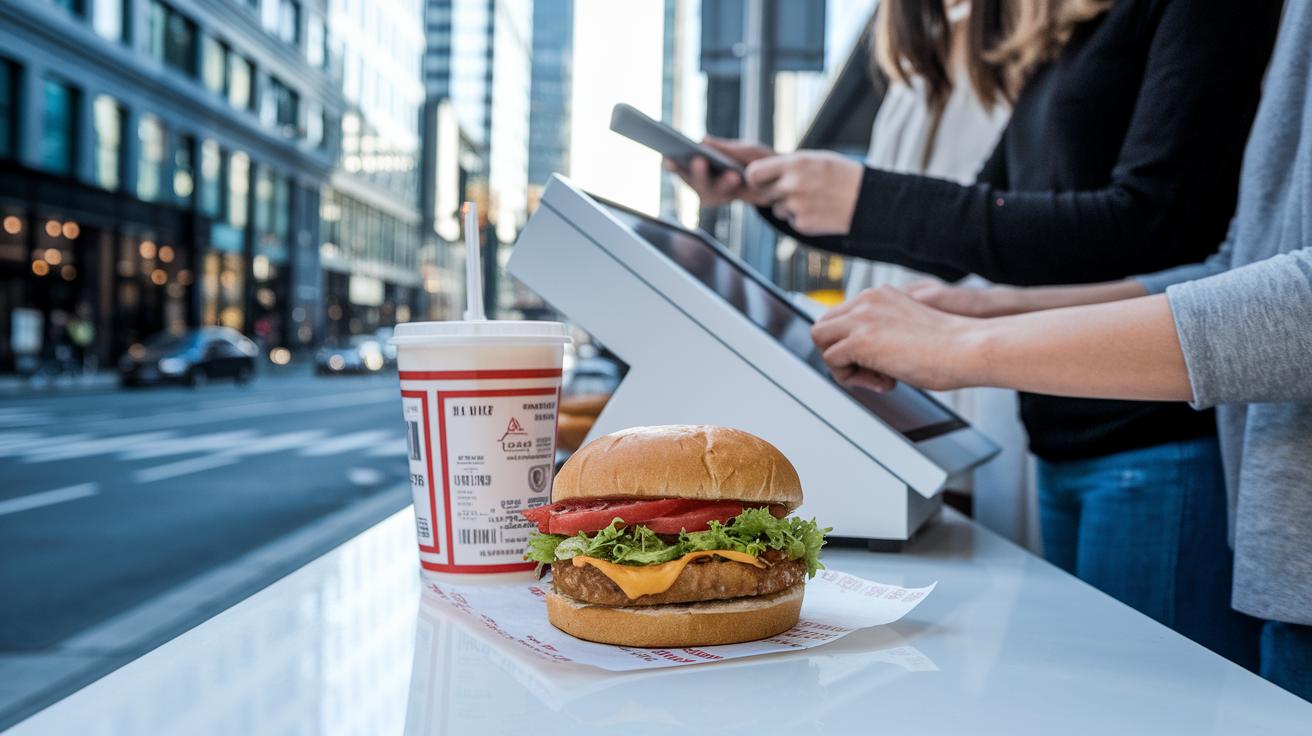
Restaurants are testing new service ideas that mix fast food speed with gourmet flair. Quick meals now come in smart packaging that locks in freshness, and fast-casual spots are giving diners a quality meal on the go. Express setups mean customers get their food faster without losing taste or style.
Food trucks and mobile kitchens are also shaking things up. They bring chef-crafted bites straight to busy city streets where every dish is made fresh and looks inviting. Even when you order takeout, you can count on great flavor and texture.
New ways to serve food off the restaurant floor are changing the game. Urban street cuisine, powered by express services and mobile trends, offers a flexible dining experience. This approach lets city dwellers enjoy creative dishes that pack quality and convenience into every bite.
Future Directions and Market Forecasts for Current Food Trends
Food trends are shifting fast. Experts say more people will choose plant-based meals and eco-friendly practices through 2026. This means menus are becoming healthier and kinder to the planet. Restaurants are rethinking their dishes by using guest feedback, cost data, and shared ideas from over 35,000 operators. This collaboration helps balance fresh, wellness-driven recipes with everyday dining favorites.
Looking ahead, new dining formats and bold business models will shape how food trends evolve. Restaurateurs are set to use digital ordering tools (online systems for placing orders) and customer data to perfect every dish. As habits change, menus are updated to match an eco-conscious crowd. Advances in plant-based options and sustainable sourcing (choosing ingredients in a way that protects the environment) show a firm commitment to the planet. Meanwhile, continuous input from thousands of operators is already driving improvements. Restaurants that adjust their menus in real time are seeing rewards in taste, customer satisfaction, and cost control.
Final Words
In the action, the article broke down major developments shaping current food trends. It pointed out shifts in global flavors, plant-based dishes, and sustainability measures affecting dining experiences.
Restaurants are now adapting to tech-enhanced service, viral recipes, and smart menu innovations. These insights can help guide bold moves on menu updates and operations. The industry is moving forward with creative energy, offering plenty of reasons to stay positive and thrive in an ever-changing market.
FAQ
Q: What are the current global food trends and social media food trends?
A: The current food trends show a rise in sustainable dining, plant-based meals, and bold global flavors. Social platforms like TikTok drive viral recipes and fusion dishes that merge traditional techniques with modern flavor twists.
Q: What are food trends for 2025 and 2026?
A: Food trends for 2025 and 2026 spotlight functional foods, high-protein dishes, and eco-friendly dining practices. Menus are evolving with global flavors, plant-forward options, and fresh-preserving packaging to meet consumer needs.
Q: What is the next big food trend?
A: The next big food trend centers on plant-forward and sustainable dining. New menus integrate eco-friendly sourcing and innovative plant proteins to cater to diners seeking ethical, health-conscious options.
Q: What are trending food dishes?
A: Trending food dishes include fusion recipes like updated birria tacos and modern twists on street-food favorites. Chefs are blending bold spices with sustainable ingredients to create dishes that capture today’s culinary vibe.
Q: What is the Gen Z trend in food?
A: Gen Z leans toward plant-based options and diverse global tastes. They favor quick, customizable meals with an emphasis on sustainability and ethical sourcing, driving new culinary ideas on social media.
Q: What types of food are in high demand?
A: High-demand foods include nutrient-dense plant-based meals, high-protein dishes, and fusion recipes that use fresh-preserving techniques. These choices satisfy growing consumer appetites for health, convenience, and eco-friendly options.
Q: What are current trends in American food habits?
A: American food habits are shifting toward health-conscious, sustainable choices. Consumers increasingly favor global flavors, plant-based alternatives, and fast-casual innovations that blend traditional comfort with modern, responsible eating.