

Missing just one safety check in your food production line can turn a great dish into a health risk. Critical control steps are the points where strict rules keep harmful germs from spreading. Overlooking these checks can endanger customers and damage a brand's reputation. This article explains how watching these important steps closely can improve food safety and build trust with your customers. A small mistake can cost a lot, but careful control makes all the difference.
Critical Control Points Food Safety: Better Results Today
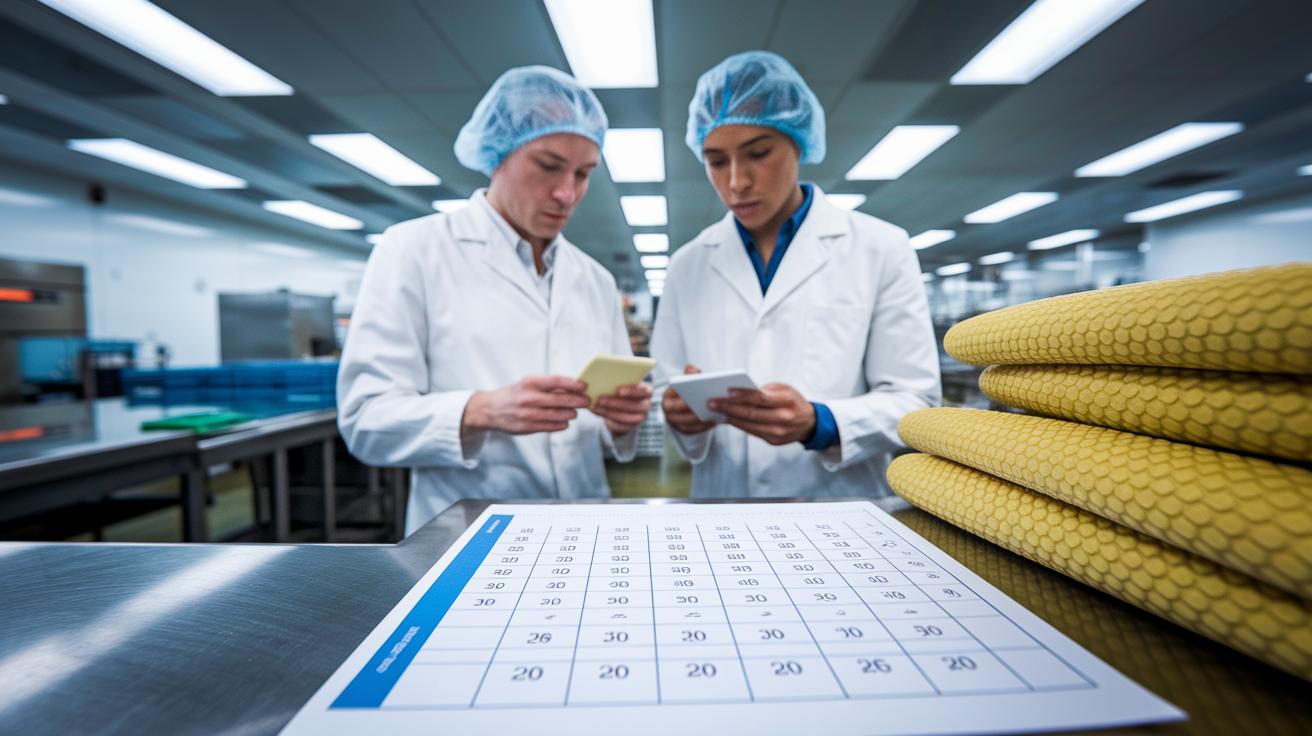
Critical control points are specific steps in food production where tight controls stop food from becoming unsafe. In a HACCP plan (a food safety system), each CCP is found by checking for risks and planning how to keep them away. If a CCP is missed or not followed, it can lead to serious health risks because these are the final checks before food reaches consumers. For example, keeping foods at the right temperature during cooking or pasteurization stops dangerous germs from surviving.
Control Points cover the general safety checks in a process, and Prerequisite Programs set the basic rules, like cleaning and upkeep of equipment, to create a safe working space. In contrast, CCPs are the vital steps where mistakes can directly cause foodborne illness. Think of meat processing: while Control Points might focus on overall cleaning, the CCP is when the meat is cooked. Reaching the right internal temperature is key to killing harmful bacteria, which makes CCPs stand out within the system.
Managing CCPs well is crucial to protect public health and keep a brand's reputation intact. Regulators ask companies to closely monitor and record these points as part of a clear HACCP plan. When you watch CCPs carefully, it builds trust and reduces the risk of foodborne outbreaks. This strong control helps not only the people who eat the food but also supports food producers in meeting strict safety standards.
Integrating HACCP regulatory compliance for CCP management

Global organizations set HACCP requirements to ensure food safety checks are done right. Rules from agencies like the FDA, GFSI, SQF, and FSMA require companies to record their critical control point (CCP) actions to keep production safe. Many businesses create step-by-step procedures and keep detailed process records to meet these rules. Regular in-house reviews, along with independent audits, confirm that controls work as they should. This careful tracking supports compliance and gives inspectors a clear record during audits.
Food production companies rely on full documentation and ongoing process checks as key parts of their safety plans. They keep detailed logs of CCP activities, record reports when things stray off track, and note all corrective actions. These records let auditors verify that all control points are closely watched and any issues are fixed quickly. By following these steps, companies protect their brands and customer trust while meeting strict global safety standards.
Critical control points in sourcing, processing, and packaging
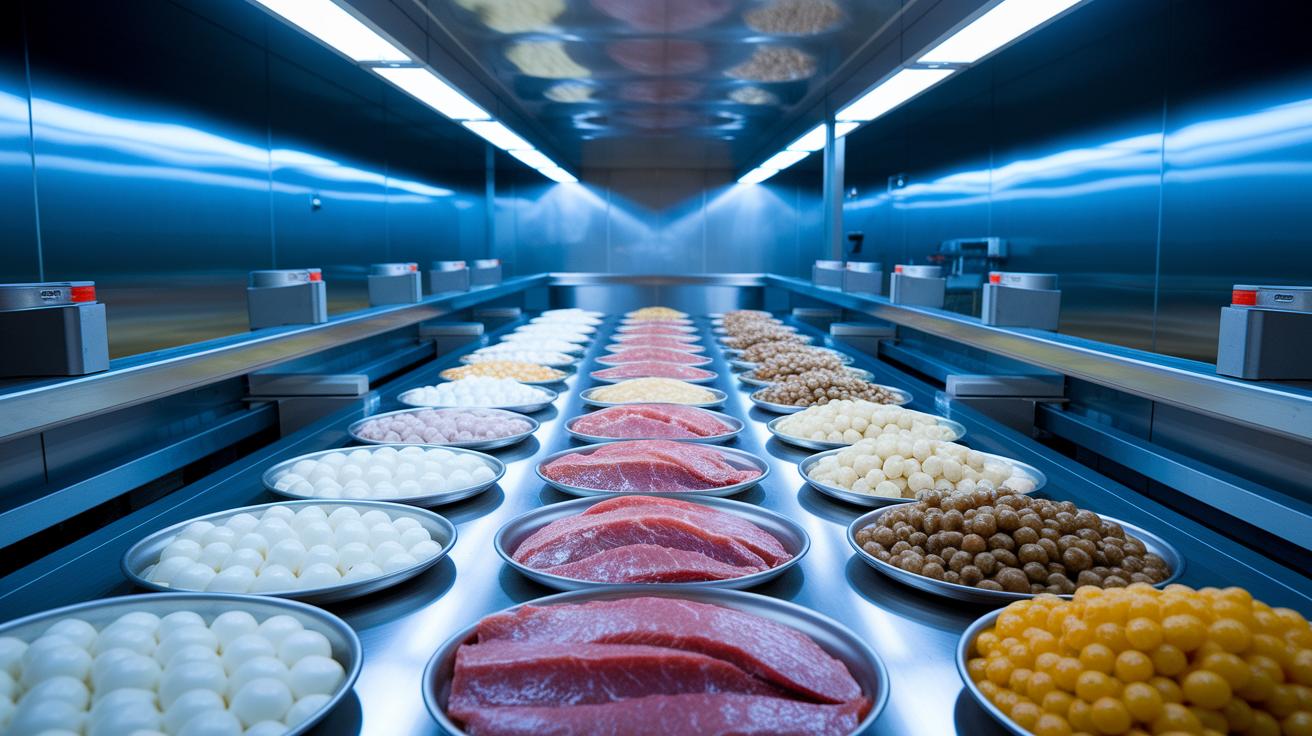
Food production starts with careful sourcing, moves on to detailed processing, and finishes with secure packaging. Each step has key points where safety must be closely watched. At the sourcing stage, checking suppliers and monitoring temperatures for dairy, meat, and seafood stops early contamination and builds a strong base for safety. During processing, keeping to strict time and temperature targets helps kill harmful germs. In the packaging phase, tools like metal detectors and X-ray machines catch any foreign objects. Together, these steps lower the risk of contamination, control germs, and use heat to ensure food stays safe from beginning to end.
- Verification of supplier hygiene certificates
- Receiving temperature checks at ≤41°F (5°C)
- Pasteurization at 161°F for 15 seconds (for juice)
- Cooking chicken to 165°F (74°C)
- Cooling cooked foods from 140°F to 40°F within 4 hours
- Metal detection for foreign objects
Each stage works together to create a strong safety system that protects consumers. For example, a facility may verify that suppliers follow proper hygiene practices and monitor product temperatures during transport. Then, foods are processed with strict heat controls like pasteurization to kill pathogens. In packaging, metal detection systems can pick up tiny contaminants as small as 0.3 mm. This layered method keeps risks low and ensures food quality remains high throughout production.
Monitoring critical control points: techniques and tools
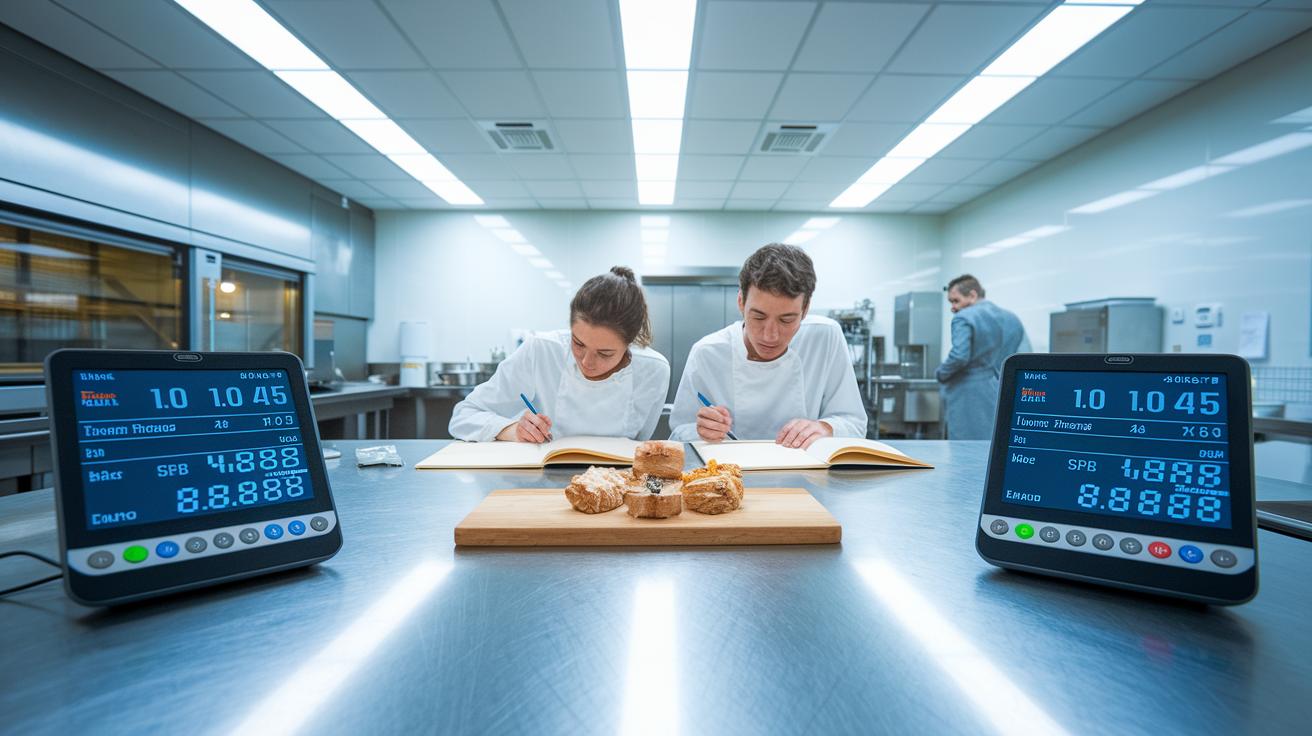
Food safety depends on both smart gadgets and careful human checks to keep each step safe. Automatic temperature systems and pH tests show that processes stay within safe limits. Electronic sensors record data in real time and quickly flag any changes, while hands-on checks catch issues that machines might miss.
| Monitoring Method | Parameter | Frequency | Tools |
|---|---|---|---|
| Digital Thermometers | Temperature (°F/°C) | Every 4 hrs | Calibrated probes |
| pH Meters | Acidity | Per batch | Bench-top pH meter |
| Metal Detectors | Physical contaminants | Each run | Inline X-ray/metal scanner |
This balanced approach helps operators spot problems fast and fix them before they get worse. Digital thermometers check temperature every four hours, pH meters test each batch’s acidity, and metal detectors scan for foreign materials on every run. By mixing continuous tech checks with regular manual inspections, facilities stick to strict safety rules. Regular sensor calibration and detailed record keeping build a strong system that keeps food safety a constant priority.
Addressing deviations: corrective actions for CCP breaches

If a critical control point limit isn’t met, teams must act fast. They either adjust the process or stop production and set aside the affected product. First, operators identify the issue and use steps like changing temperature settings or pausing the line. Every action is recorded with the time, the reason for the issue, and the result of the fix. For instance, if a temperature reading goes beyond safe limits, the team logs the event and quickly acts to lower any health risk. All records are kept for internal checks and regulatory audits.
Next, verification usually involves lab tests or challenge studies to ensure the problem is solved and food safety is restored. These tests confirm that the corrective actions work well and guide future reviews of the procedures. Keeping accurate records helps teams improve their quick and coordinated responses during emergencies while keeping production on track.
Documentation and traceability of critical control points

Food safety depends on keeping clear, correct records. Operators need to log hazard checks, set safety limits, and note any fixes they make. These logs must be kept safe and unchanged.
Many facilities now use a dedicated traceability system that records ingredient details back to the supplier lot numbers. For example, a record might note "Batch 456, source lot A789, corrective action applied at 2:15 p.m." This simple system helps with daily operations and internal checks, while also giving inspectors a true, unchangeable record.
Storing these records securely for the full required period helps make inspections smoother and builds a clear trail of evidence, all while cutting down on repeated paperwork.
Advancements in technology for critical control points food safety

Modern systems now use smart sensors to keep a close eye on food safety in real time. These tools send mobile alerts and let you customize HACCP templates so you can track every step in the production process right from your phone or control center. The built-in data tools spot trends early, helping teams stop potential problems before they grow.
These systems collect data at every stage and use predictive models to warn food safety managers about risks before any incident occurs. By combining digital records with regular manual checks, facilities set up a solid safety net that keeps all critical points under control. Automated alerts, like a sensor notifying you of unsafe temperature changes, let workers quickly check and adjust settings while still relying on human judgment to make the final call.
Cultivating a food safety culture through CCP training
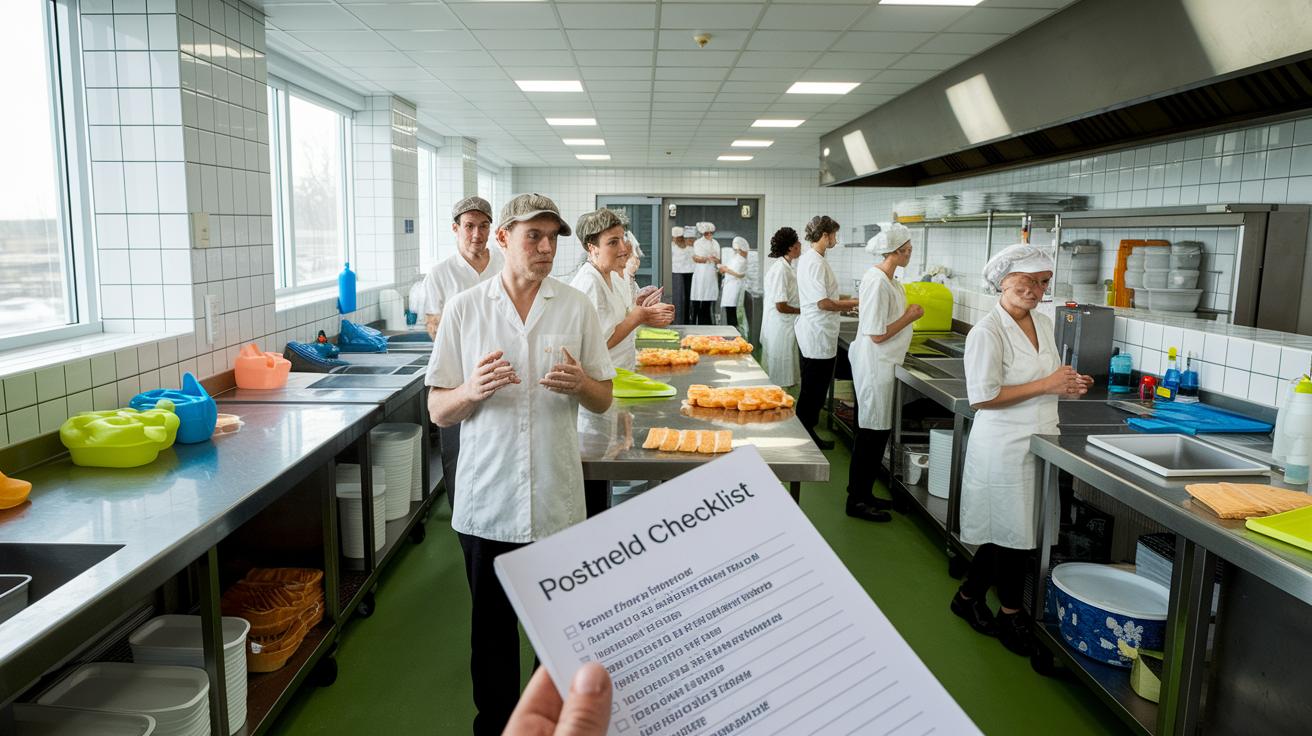
Regular training is key to keeping our food safe. Staff learn how to watch critical points (spots where safety matters most) by staying updated on cleaning rules and quick fixes. For example, a refresher session might remind everyone, "Always check your workstation's cleanliness before you start." These lessons help the team follow new rules and use updated equipment, while building a sense of care and attention in every task.
When every worker takes part in food safety, the whole system works better. Hands-on drills and workshops show how to stop risks before they happen. Open talks and feedback help teams catch mistakes early and adjust quickly. This steady learning and close monitoring ensure that each step in food production meets strict safety standards, protecting both the public and the food service's trusted reputation.
Final Words
In the action, this article broke down the role of critical control points in food safety systems. We saw how vigilant staff, monitoring tools, and clear documentation keep risks in check. The guide covered everything from sourcing, processing, and packaging to rapid corrective actions when standards aren’t met.
This hands-on look at critical control points food safety provides clear steps to protect health and streamline operations. The insights here empower restaurant teams to sharpen their focus and drive excellence every day.
FAQ
What do critical control points in food safety mean?
Critical control points in food safety refer to key process steps where measures are applied to prevent, eliminate, or reduce hazards to safe levels.
What are some examples of critical control points in food preparation?
Examples include verifying supplier hygiene certificates, checking receiving temperatures (≤41°F), pasteurizing juice at 161°F for 15 seconds, cooking chicken to 165°F, cooling foods from 140°F to 40°F within 4 hours, and using metal detectors.
What are critical limits in food safety?
Critical limits in food safety are the maximum or minimum values set for parameters like temperature or time, ensuring hazards are effectively controlled during food processing.
What types of critical control points exist in the food industry?
In the food industry, critical control points vary by operation and include stages like sourcing, processing, cooking, cooling, and packaging where specific controls are crucial to prevent hazards.
What are HACCP critical control points?
HACCP critical control points are the steps defined within a Hazard Analysis and Critical Control Points system that require strict monitoring and verification to ensure food safety.
What happens when a critical control point is not met?
When a critical control point is not met, corrective actions may include adjusting parameters or discarding affected products, with incidents documented to prevent future deviations.
What are not considered critical control points for food safety?
Not all control steps in food preparation are critical; routine sanitation and basic housekeeping fall under general control points or prerequisite programs rather than critical control points.
What are the 7 critical control points?
There is no universal list of exactly seven critical control points; the number and specifics vary by operation, though many systems identify key steps like receiving, processing, cooking, cooling, packaging, and distribution.