

Ever wonder what's hiding in your food? Tiny germs such as bacteria, viruses, parasites, and fungi can make meals unsafe if we don't handle food properly. Past outbreaks show that even a tiny germ can cause big problems. Every year, millions get sick from foodborne illnesses, so it's important to know how to handle food safely. This post explains the risks and offers smart steps to keep you and your family healthy.
Overview of Biological Hazards in Food Industry
Biological hazards in food come from living organisms or the toxins they produce. They pose real risks when we eat contaminated foods. These hazards fall into four groups: bacteria, viruses, parasites, and fungi. For example, bacteria like Salmonella, Campylobacter, E. coli, and Listeria can be dangerous. Viruses such as norovirus, hepatitis A, and rotavirus also cause foodborne issues. Parasites include various protozoa and worms, while fungi, including Aspergillus and Candida, add to the risk. Did you know that before modern food safety measures, E. coli and Listeria outbreaks spread unchecked and changed food handling practices around the world?
Contamination can occur at any point along the supply chain. Raw ingredients may get exposed to harmful germs from dirty water, contaminated soil, infected animals, or pests. Poor human handling, unclean equipment, and wrong storage practices can also lead to contamination. Factors like temperature, moisture, pH, oxygen levels, and time can boost germ growth if not properly managed.
Each year, around 48 million cases of foodborne illness are reported worldwide. This huge number shows why strict safety controls and public health measures are essential to protect consumers from serious infections.
Types of Pathogenic Organisms Driving Contamination in Food

Bacterial Hazards
Salmonella, Listeria, and E. coli are bacteria that thrive in warm, nutrient-rich foods. They multiply fast when food sits at unsafe temperatures. They can form slimy layers on equipment that hide germs from cleaning agents. This quick growth means temperature control and good cleaning practices are essential. Tests have shown that bacteria can double in less than an hour, highlighting the need for careful monitoring.
Viral Hazards
Viruses such as norovirus, hepatitis A, and rotavirus do not grow in food but spread easily through contaminated surfaces, water, and handling. Even a tiny amount can make you very sick. This is why keeping kitchens and food processing areas clean is so important. Strict sanitation rules help stop these viruses from spreading quickly.
Parasitic Hazards
Parasites like protozoa and helminths need a host to complete their life cycle. They often get into food through dirty water or undercooked meat. These parasites can cause a range of illnesses, and their complex life cycle makes them hard to spot. Even a small amount can be dangerous, so proper cooking and regular monitoring are key to keeping them in check.
Fungal Hazards
Fungi such as molds and yeasts, including the Aspergillus species, can produce harmful toxins like aflatoxin. They grow in warm, humid conditions and can slowly spoil stored foods. These toxins may still linger even if the fungus is no longer visible, making them a hidden threat. Keeping food dry, storing it properly, and doing regular inspections are crucial steps to protect public health.
Common Sources and Conditions Fostering Biological Contamination
Natural sources are still a major way germs end up in our food. Runoff from farms mixes water and soil with bacteria like E. coli. One study from 2022 found that produce fields near livestock have a 15% higher risk. Both wild and domestic animals can spark outbreaks, which shows why keeping a close watch on these sources is important.
Recent audits point to handling by workers and how well equipment is cleaned as big factors in contamination. In a 2023 investigation at a Midwest plant, lapses in worker hygiene and poor pest control raised the risk by 25%. When surfaces and tools aren’t cleaned properly and pests are active, germs can easily spread across areas where food is touched.
Research also makes it clear that environmental factors, temperature, moisture, oxygen, and pH, play a huge role in germ growth. Early 2023 data showed that food kept at 60°F in humid, oxygen-rich spots saw germ growth double in less than eight hours. Keeping food at the right temperature and watching these factors closely is key to reducing biological hazards.
Health Risks and Notable Outbreaks Linked to Biological Hazards

Food-borne germs can cause anything from minor stomach cramps to severe dehydration, hospital visits, or even death. When contaminated food is found, it shows that every step in the supply chain matters. Past outbreaks have hit hard, proving that foodborne bugs are a serious global threat and underscoring the need for strict food safety practices.
| Outbreak | Pathogen | Impact |
|---|---|---|
| Jack in the Box 1993 | E. coli O157:H7 | 700+ illnesses, 4 deaths |
| Germany 2011 | E. coli O104:H4 | ~4,000 illnesses, 50 deaths |
| Turkey 2006 | Salmonella enteritidis | 1,000+ illnesses |
These past events teach us clear lessons. Food makers and regulators must act fast when contamination is spotted. Regular training on cleanliness, using accurate thermometers, and keeping raw ingredients apart from ready-to-eat foods all help lower the risk. Investing in real-time monitoring and strong traceability also makes it easier to catch problems early. Following these steps not only protects health but also keeps customer trust high and avoids heavy costs. When every part of the food chain works together on safety, it leads to a much safer dining experience for everyone.
Detection, Testing, and Monitoring Methods for Biological Hazards
In food testing, traditional culture methods are still a key way to find harmful germs. This approach grows bacteria like Salmonella and E. coli in lab conditions for 24 to 72 hours. Enrichment processes boost even small amounts of pathogens so they can be spotted more easily. Although this method takes a few days and needs controlled settings, it remains trusted even as new technologies improve detection.
- Plate culture with enrichment
- Polymerase chain reaction (PCR) assays
- Rapid immunoassays (ELISA)
- Sensor-based real-time detection
- Automated alert systems and digital logbooks
- Quantitative microbial count techniques
Combining modern tools with these time-tested methods speeds up results and improves accuracy. Digital logbooks and sensor networks allow for continuous tracking of germs, while tests like PCR and ELISA shorten detection times. Automated alert systems quickly flag unusual microbial activity so experts can act faster without relying on manual checks.
Using a mix of these techniques offers both strength and speed in monitoring. No single method spots every threat, so using multiple tests helps catch hazards early. This layered approach not only supports routine food safety checks but also boosts emergency responses. By blending reliable culture methods with advanced automated tools, food processors can manage risks more proactively and better protect public health.
Regulatory Frameworks and Compliance for Biological Hazard Control
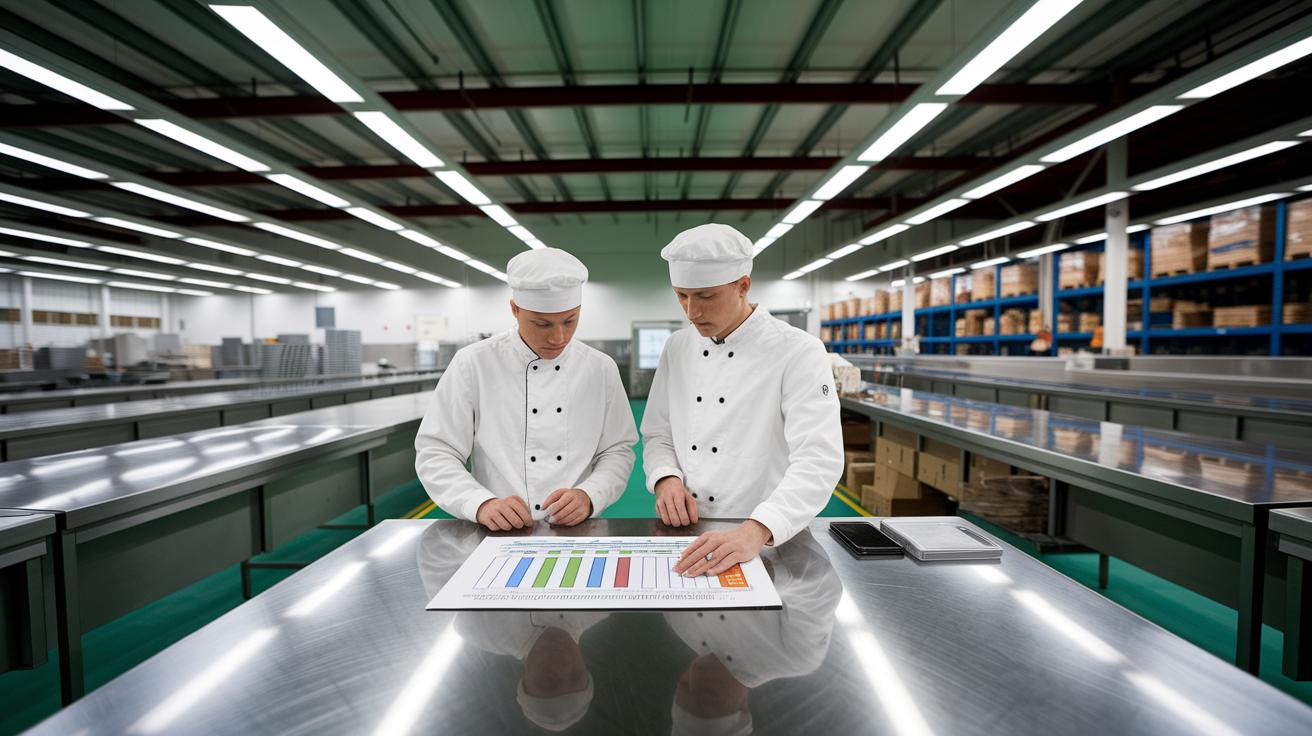
FSMA rules and HACCP plans are key tools in today’s food safety work. FSMA requires businesses to use preventive measures and set up strong systems for tracking and recalling products. HACCP plans mark essential steps in production where risks are high so that problems can be spotted early. These clear safety steps are vital for meeting regulations and keeping consumers safe.
Standards like SQF and BRC add extra layers of protection. They involve regular inspections to check cleaning practices and proper temperature control. If these rules are not followed, companies may face fines, temporary closures, or recalls. This approach keeps food processors alert and focused on maintaining high safety standards.
Detailed recordkeeping is also a must. It allows every batch to be traced back to its source if contamination is found. Fast recalls are crucial when issues arise to prevent further risk to the public. Emergency response plans with clear roles help protect consumer health by making sure teams act quickly during a crisis.
Mitigation Strategies and Sanitation Protocols Against Biological Hazards
A risk-based approach that uses HACCP controls is crucial to cutting biological hazards. Facilities set up clearly marked zones to keep high-risk production separate from safer areas. They follow strict procedures to monitor key points in every step. For example, workers wear nitrile gloves to stop cross-contact, and dedicated zones help prevent hidden spots where germs can grow. Routine internal checks and scheduled cleaning audits ensure every area meets food safety standards.
Cleaning routines and keeping the cold chain intact are key to stopping contaminants. Facilities follow structured disinfection plans, including CIP systems that help cut down on biofilm buildup. Regular ATP swabs check that surfaces are free of leftover organic material. Tight temperature control in distribution networks stops the growth of harmful organisms, with scheduled audits to confirm that safety rules are met.
Critical Control Points & Biosecurity Zoning
A clear site layout plays a big role in safety. Zoning physically separates high-risk areas from lower-risk ones, and each area is checked to meet Critical Control Point rules. Frequent inspections and tests confirm that each zone meets the required standards. Clear boundaries and strict rules help keep contamination out and dangerous agents in check.
Sanitization & Disinfection Regimes
Running effective cleaning routines is just as important. CIP systems, ATP tests, and enzymatic cleaners work together to remove biofilms and thoroughly clean surfaces. Automated cleaning schedules and regular checks point out spots that need extra care, even in hard-to-reach areas.
Regular audits and protocol reviews keep safety standards high in both processing and distribution zones. These ongoing checks help catch problems early and drive continuous improvements in food safety practices.
Biological Hazards in Food Industry: Safe Measures
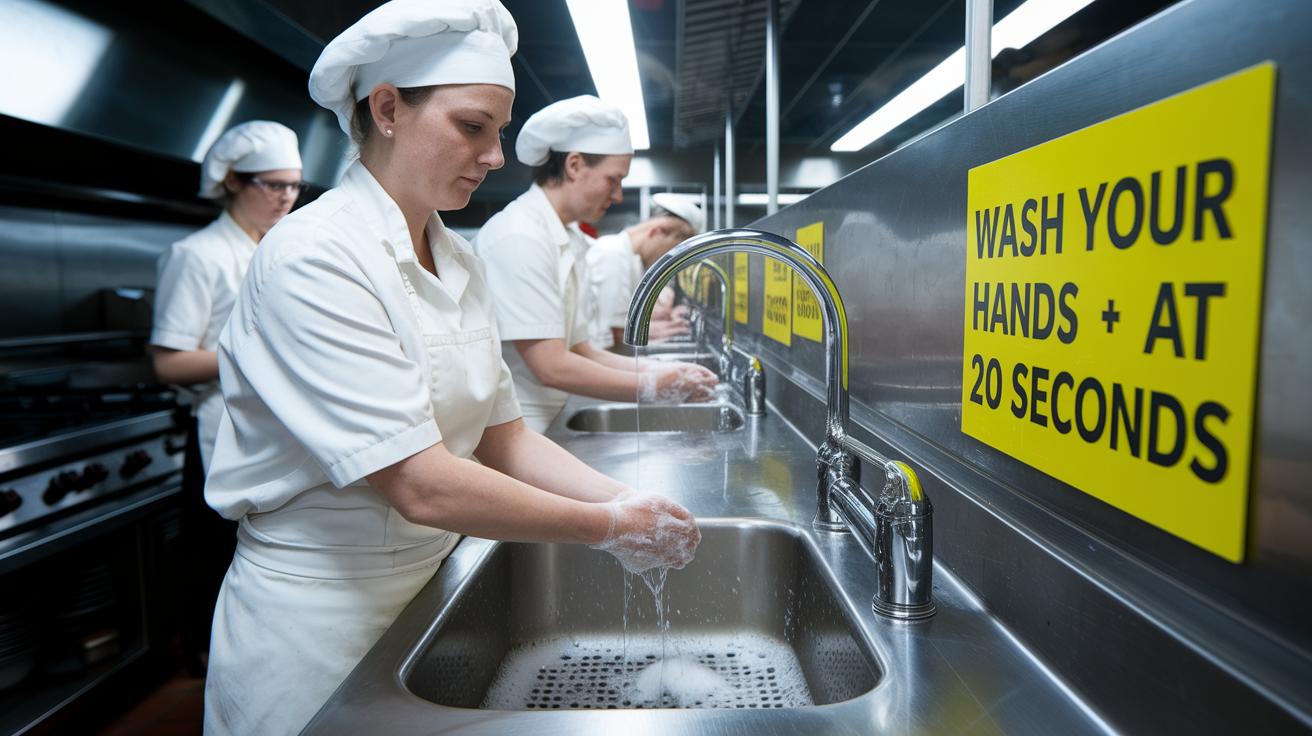
Keeping clean is the first step to stopping foodborne illnesses. Washing hands well can lower the risk of diarrhea by up to 50%. Employees should wash their hands with soap and water before handling food, after touching raw ingredients, and after using the restroom. Facilities do well when they have easy-to-find sinks and clear signs reminding staff to wash their hands. A simple label might say, "Wash your hands for at least 20 seconds, think of it as a mini hand spa to fight germs."
Cooking food properly is another key control. For example, poultry should reach 165°F to kill harmful germs. Keeping hot foods hot and cold foods cold helps prevent bacteria from growing on sensitive items. Also, keeping raw foods separate from ready-to-eat ones stops cross-contamination. Regular temperature checks and careful storage keep things safe from cooking to serving.
Strong training programs and digital safety tools build a proactive safety culture. Regular refresher training on HACCP (a system for food safety) and FSMS (a food safety management system) helps every team member stay up to date. In-person workshops let employees practice safety steps hands-on, while mobile apps deliver quick updates and alerts so staff can act fast if needed.
Final Words
In the action, this article walks through managing biological hazards in the food industry. We broke down key types of pathogens, outlined contamination sources, and detailed testing methods and regulatory controls. We also covered practical staff training and sanitation steps designed to cut risks. These insights empower operators to keep food safe and operations running smoothly. With a focus on biological hazards in food industry, strict vigilance today leads to healthier kitchens tomorrow.
FAQ
What are biological hazards in the food industry?
Biological hazards in the food industry refer to harmful microorganisms like bacteria, viruses, parasites, and fungi. These agents can contaminate food and cause illness if not properly controlled.
How does a biological hazard affect food handlers?
A biological hazard can affect food handlers when pathogens such as norovirus spread through poor personal hygiene, leading to contaminated food and an increased risk of foodborne illness.
How can biological hazards in food be prevented?
Preventing biological hazards involves strict sanitation practices, proper cooking, and adherence to safety protocols. These measures help minimize the risk of bacteria, viruses, parasites, and fungi contaminating food.
What are the four main types of biological hazards?
The four main types of biological hazards are bacteria, viruses, parasites, and fungi. Each group has distinct traits and requires specific control measures to keep food safe.
What are five examples of biological hazards?
Five examples of biological hazards include Salmonella, E. coli, Listeria, norovirus, and rotavirus. These pathogens are commonly linked to foodborne illness when safety practices fail.
What is the difference between biological and physical hazards in food?
Biological hazards involve living organisms or toxins that cause illness, while physical hazards are foreign objects like glass or metal that can injure consumers during food consumption.
What does Servsafe indicate about biological hazards in food?
Servsafe guidelines emphasize controlling biological hazards by practicing proper food handling, storage, and cooking techniques to reduce risks from bacteria, viruses, parasites, and fungi.