Opinion
Apocalypse Food: Energize Your Survival Meals
By blakeharrington
January 26, 2026
Field Notes
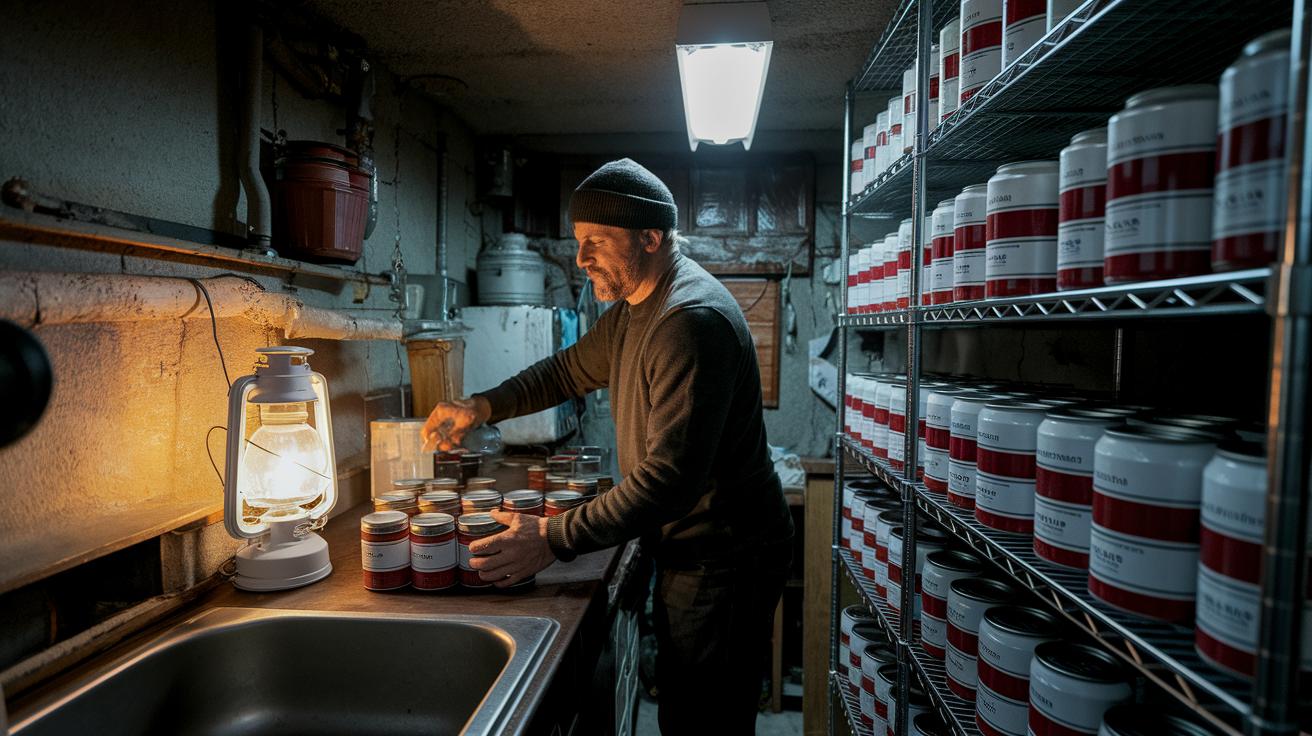
What would you do when your fridge is empty during a crisis? Emergency food is a smart backup for those times when fresh produce is hard to find. Simple staples like canned vegetables and dried grains pack the nutrients you need to stay strong. It’s a basic plan that keeps you fed when every bite matters. By making smart choices today, you build a food reserve that supports your health and energy when you need it most.
What Is Apocalypse Food and Why It Matters
Apocalypse food means storing non-perishable, nutrient-rich items for emergencies when fresh foods aren’t available. This includes canned vegetables, meats, and freeze-dried meals that keep you going when you can’t hit the grocery store.
In a crisis, every bite counts. These foods are picked to meet your calorie and nutrition needs under tough conditions. Think of it as a doomsday menu designed to suit different diets and allergies.
The key factors are shelf life, nutrient value, and versatility. For example, canned goods can last 2 to 5 years while dried grains and legumes may stay good for 10 years or more if stored properly. This strategy ensures that every item not only fills you up but also supports your overall health during long emergencies. By choosing reliable pantry staples, you build a smart stockpile for when you really need it.
Essential Types of Apocalypse Food: Shelf-Stable Staples
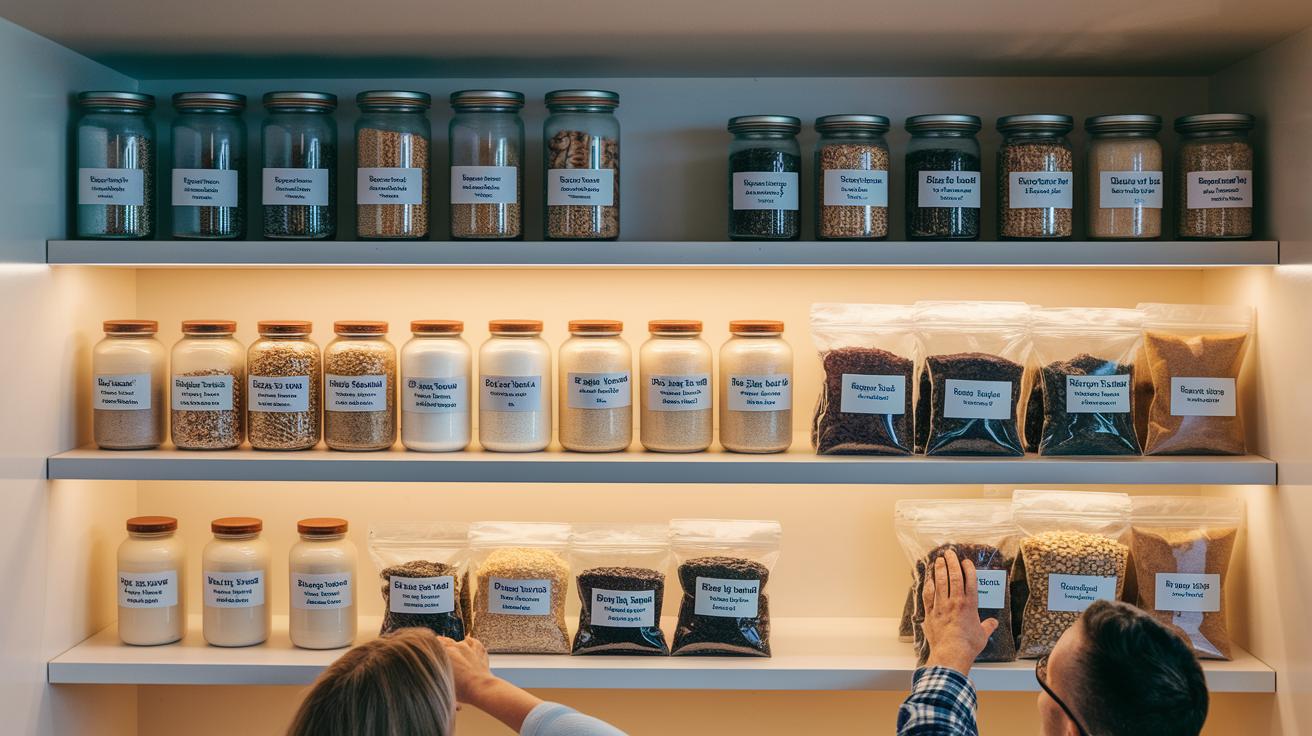
When prepping for an emergency, choose foods that offer solid nutrition and last for years. This guide pairs shelf-life details with staple examples so you know your options fast.
- Canned foods: Vegetables, meats, and soups stay good for 2 to 5 years.
- Dried grains: Rice, quinoa, and oats can last over 10 years.
- Freeze-dried meals: These can hold up for 25 to 30 years and need little preparation.
- Legumes: Beans and lentils pack protein and fiber and remain fresh well past a decade.
- Honey, salt, and sugar: Natural flavor enhancers with very long shelf lives.
- Hard cheeses: Some types hold up longer when stored correctly.
- MREs and commercial kits: They provide balanced meals with minimal effort.
When you build your emergency food supply, pick items that mix a long shelf life with nutrition. Keep your stock in cool, dry spots with airtight containers to stay ready when it counts.
Strategic Storage and Stockpiling for Long-Term Survival
When planning a long-term food supply, storing your food the right way is just as important as choosing what to keep. Find cool, dry, and dark spots like basements or a special pantry for your emergency food. Use airtight containers, vacuum-sealed bags, oxygen absorbers, and moisture absorbers to protect your food from dampness and pests. Make the most of your space with stackable bins, strong shelves, or even storage under the bed. Label every container with what it holds and its expiration date (for help, see this ingredient label guide: https://matpple.com?p=883) so you can check them quickly and rotate your supplies on a regular schedule. This method keeps your food tasting good and ready when you need it.
| Storage Method | Container | Shelf-Life Gain | Protection Measure |
|---|---|---|---|
| Basement Storage | Airtight bins | +2 to 5 years | Moisture control |
| Pantry Setup | Vacuum-sealed bags | +3 to 7 years | Pest prevention |
| Under-bed Storage | Stackable containers | +2 years | Temperature moderation |
| Shelved Area | Desiccant containers | +4 years | Humidity control |
Regular checks and rotation are key. Take a look at each label and date to keep your stock fresh and make sure nothing goes to waste.
Emergency Meal Planning and Nutritional Guidelines for Apocalypse Food

Begin by figuring out how many calories each person in your household needs every day. Always check for allergies and dietary limits so everyone stays safe. Use foods that require little or no cooking, like items that heat up quickly or just need water to rehydrate. Keep in mind the available water and fuel to help you get a quick boost of nutrients when you need it most.
Balance comes next. Build your meals with carbs, proteins, healthy fats, and essential vitamins and minerals. For example, mix dried grains with legumes to offer both energy and protein, and include hard cheeses or ready-to-eat meal packs for extra fats. Adjust each meal to avoid ingredients that could trigger allergies, and aim for a wide range of nutrients with minimal prep.
A clear eating schedule can prevent meal boredom and manage your food reserves better. Plan a simple rotation with three meals a day using varied, yet easy, combinations. Stick to portion guidelines that match your calculated nutritional needs to reduce waste. This approach ensures that you have balanced, ready meals to support you during emergencies.
Apocalypse Food: Energize Your Survival Meals
When you're in a crisis, cooking can be a real balancing act. You have limited water, fuel, and simple tools, so every drop and ounce counts. Use a portable stove, a solar cooker, or even a multi-tool to help you make meals quickly and with little cleanup. The goal is to save resources while still enjoying good flavor.
Rehydration Methods
Getting dried foods ready means using just the right amount of water. For most grains and beans, mix one part dried food with three parts water when soaking. If you need to speed things up, boil using a one-to-two ratio. For example, soak rice for 20 to 30 minutes and then boil it briefly so it softens quickly without wasting energy.
One-Pot Survival Meals
Single-pot recipes work best in tough times. Mix grains, beans, and chopped vegetables in one container to cut down on fuel use and cleanup. A simple dish might include rice, beans, and dried veggies with a light seasoning. Each ingredient adds to a balanced meal while keeping fuel needs low.
Flavor Enhancement Strategies
Even during emergencies, a tasty meal matters. A mix of spices, a bit of salt, and a dash of edible oil can lift the flavor of your food. Try a pinch of dried herbs or a squeeze of citrus powder to brighten a basic dish. This way, your survival meals can be both filling and satisfying.
Maintaining, Rotating, and Auditing Your Apocalypse Food Supply
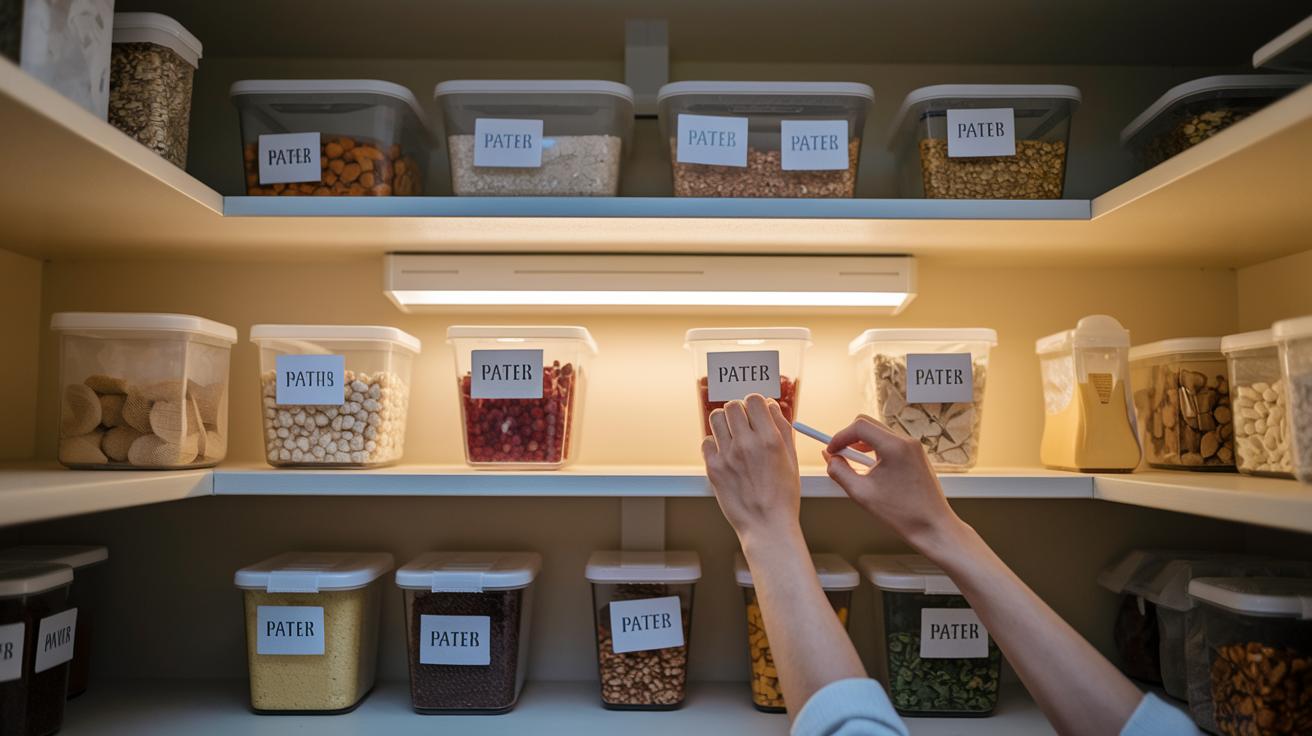
Keep your emergency food stash fresh by rotating your stock every 3 to 6 months. Check your supplies often to spot items that are nearing their expiration. Label each container with the date you stored it and its batch code. This simple system keeps your food at its best and helps lock in nutrients. For added safety, follow trusted food safety practices.
Every now and then, review your food for nutritional quality. Look at the labels and add items rich in vitamins and minerals if needed. Also, check for signs that something might be spoiled or contaminated. Regular audits with clear records can catch issues early, ensuring your food remains both healthy and safe to eat.
Stay organized by doing regular checks and updates on your stock. A clear system makes sure your emergency food is reliable and ready when you need it. Routine inspections keep your supply in top shape, month after month.
Final Words
In the action, this article outlined what apocalypse food means and why it matters for emergency preparedness. We tackled shelf-stable staples, smart storage methods, balanced meal planning, and simple cooking techniques.
The guide also stressed the importance of regular stock audits to ensure readiness. These practical tips help you keep your supplies safe, tasty, and ready for any crisis. Stay upbeat and prepared as you take on the challenge with informed strategies.
FAQ
What is an apocalypse food kit?
An apocalypse food kit means a ready collection of non-perishable, nutrient-packed items designed to meet basic survival needs when fresh food is unavailable.
What foods should I stock for a zombie apocalypse?
Zombie apocalypse food focuses on durable staples such as canned items, dried grains, freeze-dried meals, and other long-lasting goods that retain nutrients in extreme conditions.
What is on the apocalypse food supply list?
An apocalypse food supply list usually features canned goods, dried grains, freeze-dried meals, legumes, basic staples like honey, salt, and sugar, plus complete emergency meal kits.
What are the top 10 survival foods?
The top 10 survival foods include canned vegetables and meats, dried rice and grains, freeze-dried meals, legumes, honey, salt, sugar, hard cheeses, MREs, and comprehensive emergency kits.
What are 7 perfect foods for survival?
Seven perfect survival foods combine canned goods, dried grains, freeze-dried meals, legumes, staples like honey, salt, and sugar, hard cheeses, and pre-packaged emergency meals to deliver balanced nutrition.
What food should you stock up in case of nuclear war?
Food for nuclear war stockpiling should consist of non-perishables like canned goods, dried grains, and freeze-dried meals that are high in nutrients and require little to no cooking.
Should we stockpile food in 2025?
Stockpiling food in 2025 can improve emergency readiness by building a reserve of non-perishable, nutrient-rich items that support families during unexpected crises.
What is a bomb shelter food supplies list?
A bomb shelter food supplies list includes compact, shelf-stable foods such as canned products, dried grains, freeze-dried meals, legumes, and key staples that fit small spaces and support survival.
How do I create an emergency food supply for a family of 4?
Creating a food supply for a family of 4 involves selecting long-lasting items like canned goods, dried grains, and freeze-dried meals while ensuring a balance of calories and nutrients suited to everyone’s needs.
What exactly is an apocalypse food mod?
An apocalypse food mod refers to adjustments made to survival kits—improving nutrient balance, extending shelf life, or enhancing packaging—to better fit the needs during prolonged emergencies.