

Do you really trust the labels on your food? Sometimes, companies change recipes to save cash, even if it might hurt your health. They might hide risky chemicals behind claims of quality. For example, milk can be tampered with to look extra nutritious. In this post, we break down the facts about altered food and share tips for healthier choices. You’ll learn how to spot red flags and protect your well-being with clear, simple facts.
5 adulterated food facts for healthy choices
Adulterated food happens when makers purposely change a product to save money. They add, swap, or remove ingredients to boost profits. One example is when melamine is mixed into milk to fake protein levels. This trick can mislead shoppers and may cause allergies, poisoning, organ damage, or even cancer. Worldwide, food fraud costs billions each year, estimates range from $10 billion to $15 billion, with some reaching $40 billion.
Key Definitions
The FDA says food is adulterated if it has dangerous substances or if its quality is changed. This means food can be altered on purpose to cut costs, last longer, or be sold as a top-quality product even when it is not. Sometimes a product may seem fine but hides toxins or fake dyes. This practice shows how the drive for profit can put our health at risk.
Intentional vs. Accidental
When fraudsters replace expensive ingredients with cheaper ones or cover up poor quality goods, it is deliberate adulteration. In contrast, accidental contamination occurs when food is affected by poor handling or exposure to harmful chemicals by mistake. It is important to know the difference: accidental issues can usually be solved with better practices, while intentional adulteration is a planned effort to deceive and profit at the expense of consumer safety.
Common Examples and Categories of Adulterated Food Products

Dairy Product Adulteration
Some producers add melamine to milk to boost protein readings artificially. This unsafe chemical can cause kidney damage and allergic reactions. In simple terms, you might think you're drinking healthy milk when it actually contains a harmful substance.
Meat Product Adulteration
In the meat industry, adding water or mixing in cheaper meats is a common trick to cut costs. This practice can hide allergens and even spread disease. For instance, a steak labeled as premium might be a mix of beef and other meats, which poses a risk for those with allergies.
Edible Oil Adulteration
Real olive oil is sometimes mixed with cheaper seed oils or altered with solvents. This not only ruins its authentic flavor and nutrition but can also lead to health problems if toxic chemicals build up in your system. Imagine a chef expecting a fresh, vibrant taste only to discover a harsh chemical flavor coming through.
Spice and Herb Adulteration
Spices like turmeric or chili are often targets for fraud. Some sellers add dyes, such as Sudan dyes, to make the spice look more appealing and mask its low quality. However, these dyes can cause allergic reactions and other side effects, risking consumer health for a pretty color.
Honey and Syrup Adulteration
Honey can be diluted with corn or cane syrups to imitate a thicker, purer product. This not only ruins the true flavor of honey but may also lead to digestive issues. Each example shows how food tampering can be both a health hazard and a form of economic deception.
Economic and Industry Drivers Behind Food Adulteration
Economic pressures force many food makers to cut corners by swapping costly ingredients for cheaper ones. This quick fix lowers costs and boosts profits, even if it means deceiving customers. Some firms add chemicals that hide spoilage and extend shelf life. As a result, buyers are tricked into buying what they believe is a high-quality product. Food fraud costs producers between $10 billion and $15 billion every year, showing just how common and tempting these practices are.
Rising inflation and ingredient costs push manufacturers to save money wherever they can. Global supply chains further complicate matters because products often cross several borders where rules can be lax. The growth of online marketplaces adds to the risk as products move quickly and can slip through the cracks in regulation.
This high-pressure setting drives some players to intentionally tamper with food. In short, the mix of profit needs and weak global checks creates a perfect storm for food fraud. When profits are tight and consumers demand quality, the temptation to hide problems remains a key factor in this deceptive practice.
Regulatory Framework and Legal Standards on Adulterated Food
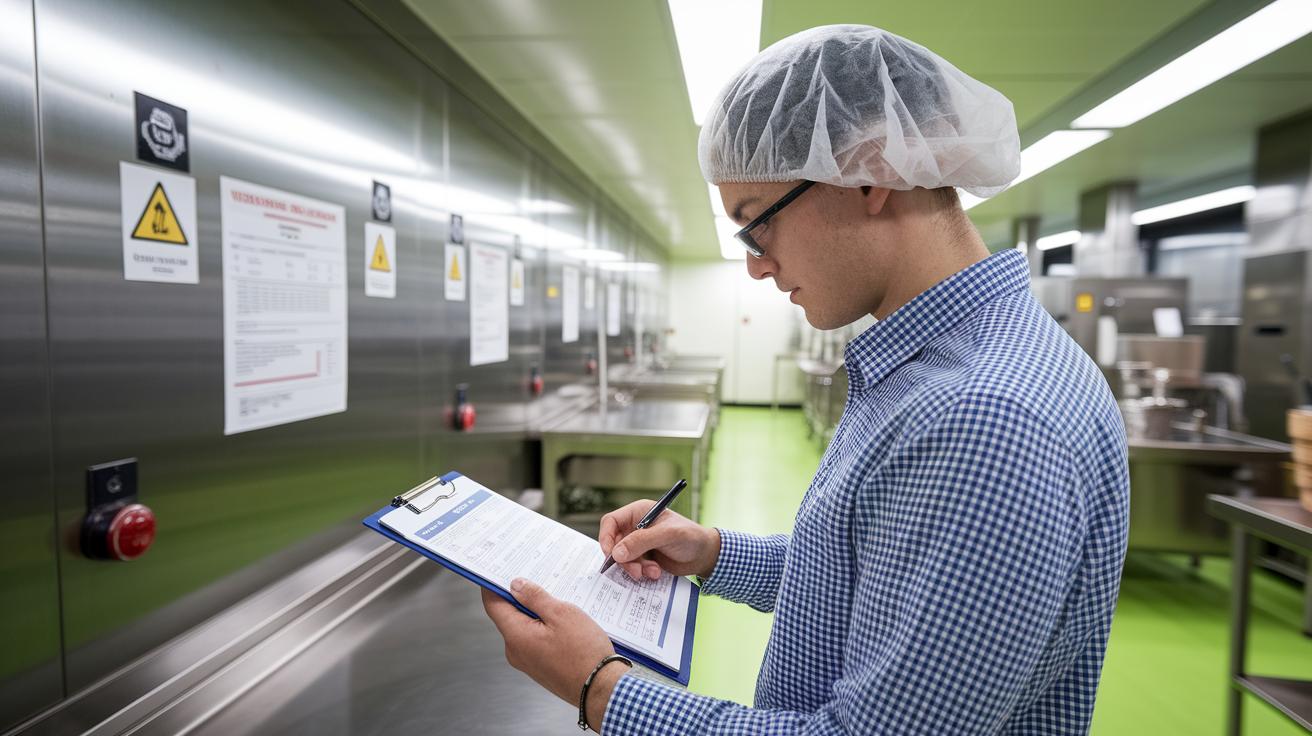
Under FSMA, the FDA sets clear rules for food businesses with its Intentional Adulteration rule. Companies must do vulnerability checks and create plans to cut the risk of dangerous additives or fake labels. Missing these steps can lead to recalls, fines, or even criminal charges.
In the U.S., any food that carries harmful chemicals or has its quality weakened for profit is called adulterated by the FDA. Businesses need to keep up with these guidelines to protect consumers and avoid legal trouble. The goal is to stop harmful shortcuts that save money but endanger health.
Around the world, strict food safety laws are in place too. For example, EU Regulation 178/2002 requires clear safety and traceability rules. Codex standards push for quick actions and prevention measures. These rules show a global commitment to making sure our food stays authentic and safe through fast tracking and strict checks.
To meet these standards, food companies must regularly review and update their practices. Simple steps like routine audits, accurate labeling, and solid supply chain checks build consumer trust and keep everyone safe. Staying in line with both U.S. and international rules means food producers help ensure safer, healthier choices for all.
Methods to Detect and Test for Food Adulteration
Food testing uses both lab and field methods to catch any changes made to food products. Labs often rely on chromatography to separate food components. For example, HPLC and GC help spot unusual additives by isolating each substance.
Spectroscopy also plays a key role. Methods such as NMR and FTIR check how food absorbs light to reveal unexpected chemicals.
DNA barcoding compares a food sample's genetic code against trusted references. This approach is useful for checking meats or plants that might have been switched. Immunoassays use special antibodies to quickly spot common adulterants, while mass spectrometry confirms the results by measuring molecular details.
On-site test kits deliver fast, initial results that can be verified later in a lab. Digital product passports and serialization give every package its own unique ID. This system keeps the supply chain transparent and accountable.
Regular checks at key control points ensure safety remains a top priority. Using these lab and field tools helps protect consumers from hidden dangers and keeps trust in our food supply strong.
Health Risks, Case Studies, and Consumer Impact of Adulterated Food

Food that has been tampered with can lead to sudden issues like food poisoning and allergic reactions. In some cases, people got so sick they had to go to the hospital, and companies had to recall their products. A prime example is the 2008 melamine milk scandal in China, where unsafe milk made many children ill. Similarly, outbreaks linked to spices have raised worries about hidden harmful chemicals in everyday seasonings. In these incidents, producers cut costs by adding unapproved substances, putting consumers at serious risk.
This problem goes beyond individual health. Constant exposure to such food might damage organs and, in some cases, even lead to cancer. Vulnerable groups like kids, pregnant women, and the elderly face higher risks because their bodies are less able to manage toxic additives. The danger increases when gaps in regulation allow unsafe food to travel long supply chains. Hospital data and frequent product recalls show why strict food safety rules are so important. Both consumers and food industry players need to remain alert and demand full transparency to keep everyone safe.
Strategies for Prevention and Consumer Protection Against Adulterated Food
Food fraud is fought with careful planning and step-by-step checks across the entire supply chain. Companies protect their brands and consumers by using systems like HACCP and VACCP. These plans help spot weak points, monitor suppliers, and ensure ingredients meet high standards. Labels such as FSSAI, ISO, or USDA Organic show that producers follow strict quality rules. When each product carries a unique ID through serialization, businesses can trace food from production to the store. This extra layer cuts down on tampering and false labels.
Shoppers also play an important role. They can check for certification marks, read ingredient lists closely, and stick with brands they trust. With more transparency and independent audits, everyone gains confidence in the food they buy and serve.
Bullet list of actionable steps:
- Conduct vulnerability assessments using HACCP or VACCP
- Regularly audit suppliers and check ingredient quality
- Obtain certifications like FSSAI, ISO, or USDA Organic
- Use serialization and digital tracking for full traceability
- Teach consumers how to verify labels
- Rely on independent third-party audits
Using these steps builds a strong defense against food fraud. Better traceability and quality checks help both businesses and shoppers stay safe, protect health, and support honest food practices.
Final Words
In the action, this article explored what makes food adulterated. It broke down the meaning, examples, economic drivers, and tight safety and testing measures that stand to protect consumers and businesses.
We looked at clear definitions, real-world cases, and practical steps like audits and certifications. These details help strengthen food safety and guard against risks linked with adulterated food. The insights shared here pave the way for informed and confident decisions.
FAQ
Q: What are examples of adulterated food?
A: Examples of adulterated food include dairy products with melamine, diluted meat, oils mixed with cheaper alternatives, spices colored with harmful dyes, and honey diluted with corn or cane syrups.
Q: What are some synonyms for adulterated food?
A: Adulterated food can also be described as tainted food, contaminated food, or compromised food, all indicating that the product does not meet quality or safety standards.
Q: What is meant by food adulteration assignment PDF?
A: A food adulteration assignment PDF is a downloadable document that outlines definitions, case studies, and examples of food adulteration for school or academic projects.
Q: What is meant by food adulteration PPT?
A: A food adulteration PPT refers to a presentation that explains the concept and examples of food adulteration, often used in academic or professional settings.
Q: What does a food adulteration PDF document cover?
A: A food adulteration PDF document typically covers the definition, types, methods, and impact of adulteration in food, offering detailed insights and case studies on the subject.
Q: What are the effects of food adulteration?
A: The effects of food adulteration include health risks such as poisoning, allergic reactions, organ damage, and chronic illnesses along with economic losses impacting market integrity.
Q: What information does the food adulteration Wikipedia page provide?
A: The food adulteration Wikipedia page provides an overview of definitions, history, case studies, regulatory standards, and both health and economic impacts of adulterated food.
Q: How is the prevention of food adulteration achieved?
A: Prevention of food adulteration is achieved through stringent safety protocols like HACCP assessments, regular supplier audits, traceability measures, and consumer awareness on certification labels.
Q: What is meant by adulterated food?
A: Adulterated food is defined as food that has its quality or purity compromised by the addition, substitution, or removal of substances, making it unsafe or misrepresented.
Q: What is considered the most adulterated food?
A: The most adulterated food often varies by region, but dairy products, edible oils, and spices are frequently targeted due to common economic fraud practices.
Q: How can you tell if food is adulterated?
A: You can tell if food is adulterated by noticing unexpected textures, colors, or flavors, reading detailed ingredient labels, and verifying the product through trusted certifications and test results.
Q: What does the FDA say about adulterated food?
A: According to the FDA, adulterated food is one that contains harmful substances or whose purity has been compromised, meaning it does not meet the federal safety and quality standards.