

Ever thought your kitchen could earn you extra cash without all the red tape? Now in Texas, home cooks can do more than just bake. A new cottage food law lets you sell pickled, canned, and fermented foods without needing state permits or inspections. You only need a food handler card for safety. This change gives you the freedom to tweak your recipes and build trust with your customers. Could this be the boost your kitchen needs?
Texas cottage food law: Sweet Home Success
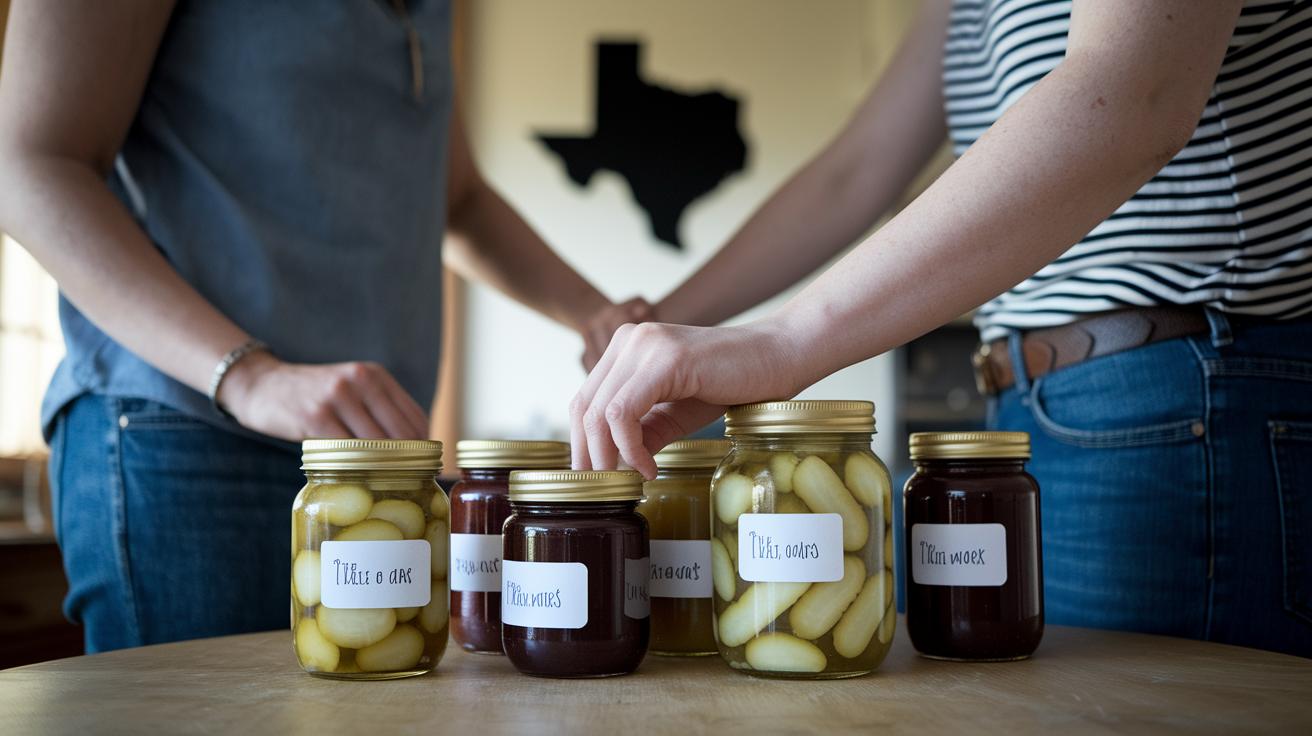
SB 541 lets Texas home cooks grow their businesses without dealing with state permits, licenses, or inspections. Home-based producers can now sell more low-risk foods if they follow clear safety rules. Instead of just baked goods and jams, they can offer pickled, canned, or fermented items. Producers must have a valid Texas food handler card to show they've been trained in food safety.
The law sets simple guidelines for food preparation, temperature control, and labeling. It also requires producers to collect sales tax on in-state sales above a set amount. These rules help keep customers safe and ensure honest business practices.
- No state permits, licenses or inspections needed
- Required Texas food handler card
- $50,000 annual gross-sales cap
- More permitted food products
- Labeling and tax-collection rules
This update creates new chances for local producers. It removes heavy regulations while keeping food safety as a top priority. Home cooks can now focus on perfecting their recipes and maintaining customer trust in a supportive framework that encourages growth and creativity.
Eligibility & Registration Requirements for Texas Home-Based Food Entrepreneurs
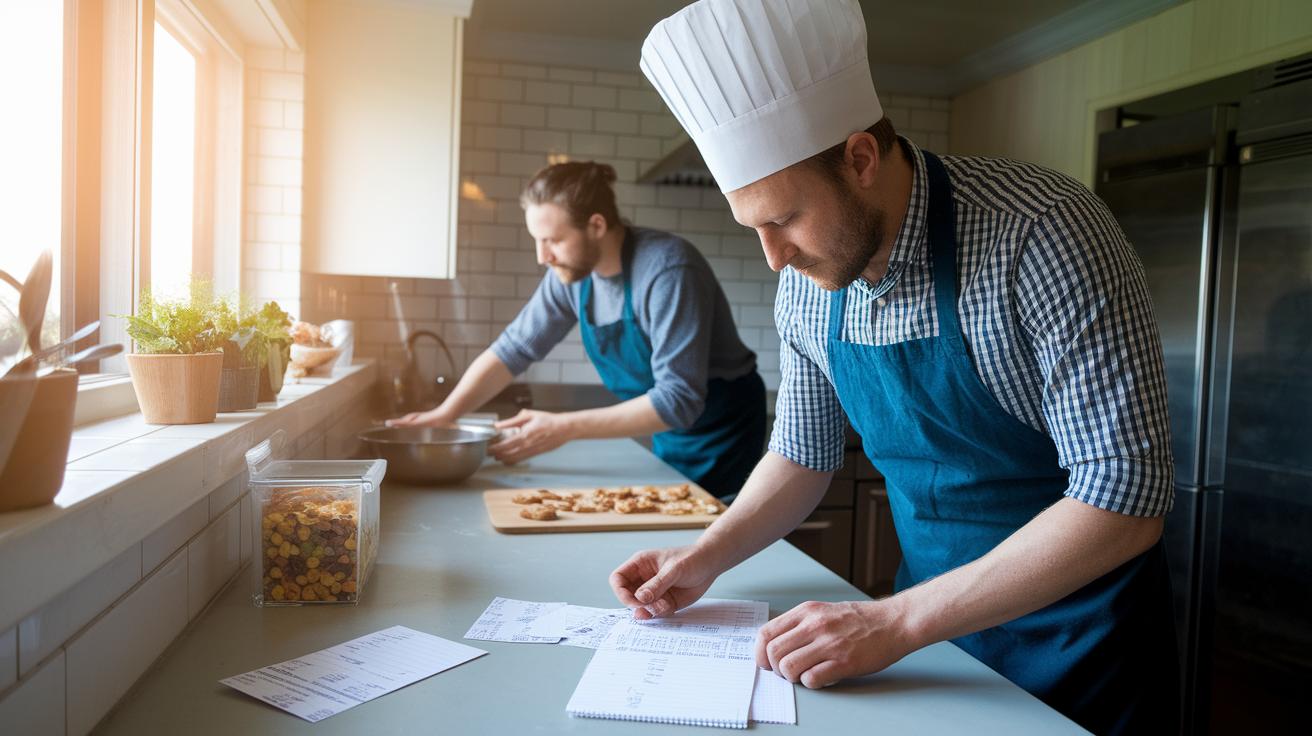
Texas cottage food law is for Texas residents who make food items in their home kitchens. To qualify, you must work exclusively from your home and keep annual gross sales below $50,000. This law covers small, non-commercial operations that do not need state permits, licenses, or regular inspections.
Every home chef needs a current Texas food handler card. You earn this card by taking a DSHS-approved course that covers handwashing, cleaning equipment, and controlling temperatures. Keep a copy of your card and record your training dates with your sales figures in a digital folder or notebook. This practice helps with tax reporting and shows you are staying in line with cottage food rules.
Permitted Products & Approved Recipes Under Texas Cottage Food Regulations
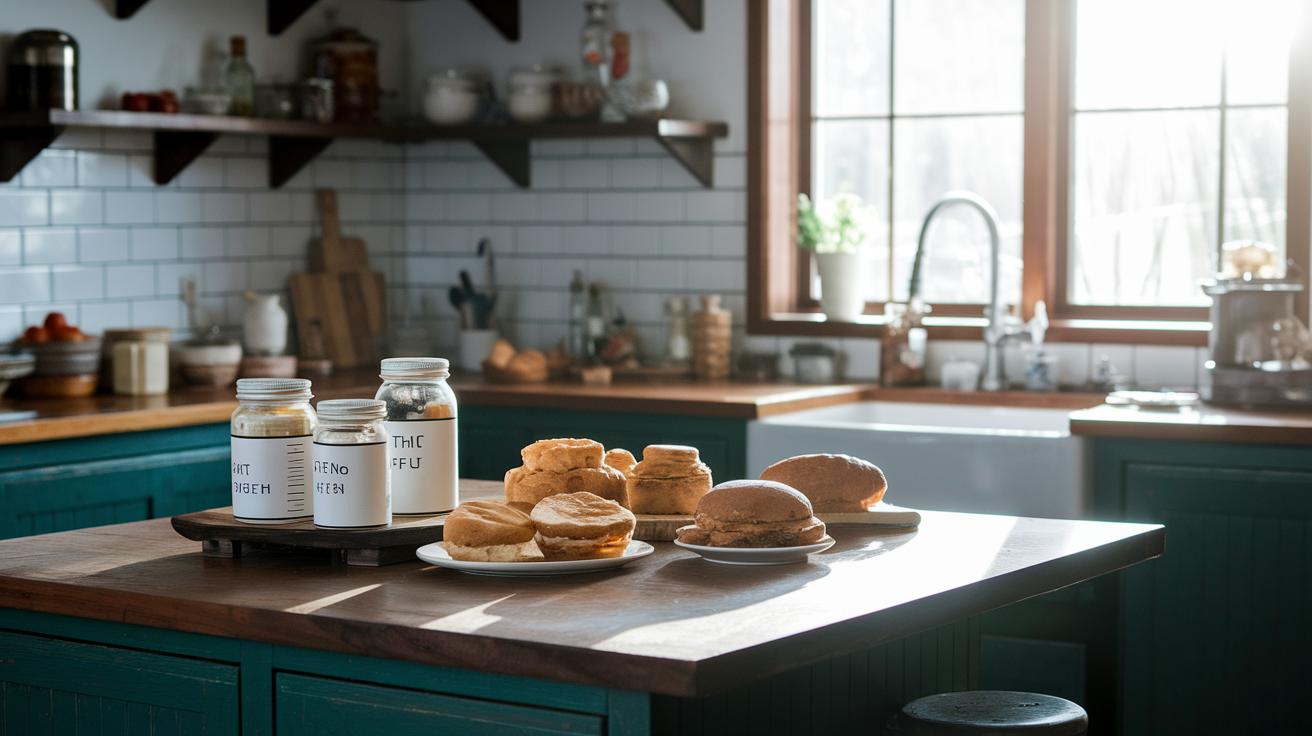
Texas Cottage Food Law spells out which homemade foods can be sold legally from your home kitchen. Home-based producers can offer a variety of low-risk foods as long as they follow clear safety steps. This law covers things like baked goods (as long as you don’t add cream), jams and jellies, dried herb mixes, and foods that are pickled or canned. It also lets you sell fermented items and shelf-stable treats. Producers must use state-approved recipes or stick to methods suggested by the Department of State Health Services. For products that spoil quickly, such as cream cheese frosting, special temperature controls and storage rules are required to keep them safe.
| Category | Examples |
|---|---|
| Baked Goods | Cookies, bread (no cream) |
| Jams & Jellies | Strawberry jam, pepper jelly |
| Dried Mixes | Pancake mix, seasoning blends |
| Pickled/Canned | Pickles, salsa, chutney |
| Fermented | Kombucha, sauerkraut |
Using approved recipes helps ensure that every product you make is safe and consistent. Home food businesses benefit when they stick to these guidelines. By following proper temperature controls for items like cream cheese frosting, producers protect their customers and build trust with quality food made at home.
Labeling, Packaging & Sales Guidelines for Texas Cottage Food Businesses

Labels should be easy to read so buyers understand exactly what they are getting. Every product label must include the producer's name and address, the product name, a full list of ingredients, and the net weight. It must also say "Made in a home kitchen not subject to state inspection." For example, a label might read: "Baked by Maria, 456 Country Road, Austin, TX; Made in a home kitchen not subject to state inspection" to help build trust with consumers.
Allergen information is very important too. Producers need to clearly list common allergens like peanuts, dairy, and eggs. This helps customers avoid foods that could trigger reactions. A clear allergen statement on the package makes it easy for people to see any warnings and feel safe when they buy homemade food.
Packaging should do more than just hold the food. It needs to secure the product and keep it fresh while meeting local sanitation rules. Choose materials that protect the quality of your food from production until it reaches the customer. The design should show the care put into the product without reducing its safety or ease of use.
Sales are allowed only at specific venues such as farmers’ markets, direct-to-consumer events, and online orders within Texas. When you make a sale, be sure your receipt includes any tax collected. This not only complies with legal requirements but also builds a trusted reputation among local food lovers and makes the buying process smooth for everyone.
Food Safety, Training & Compliance Best Practices Under Texas Law
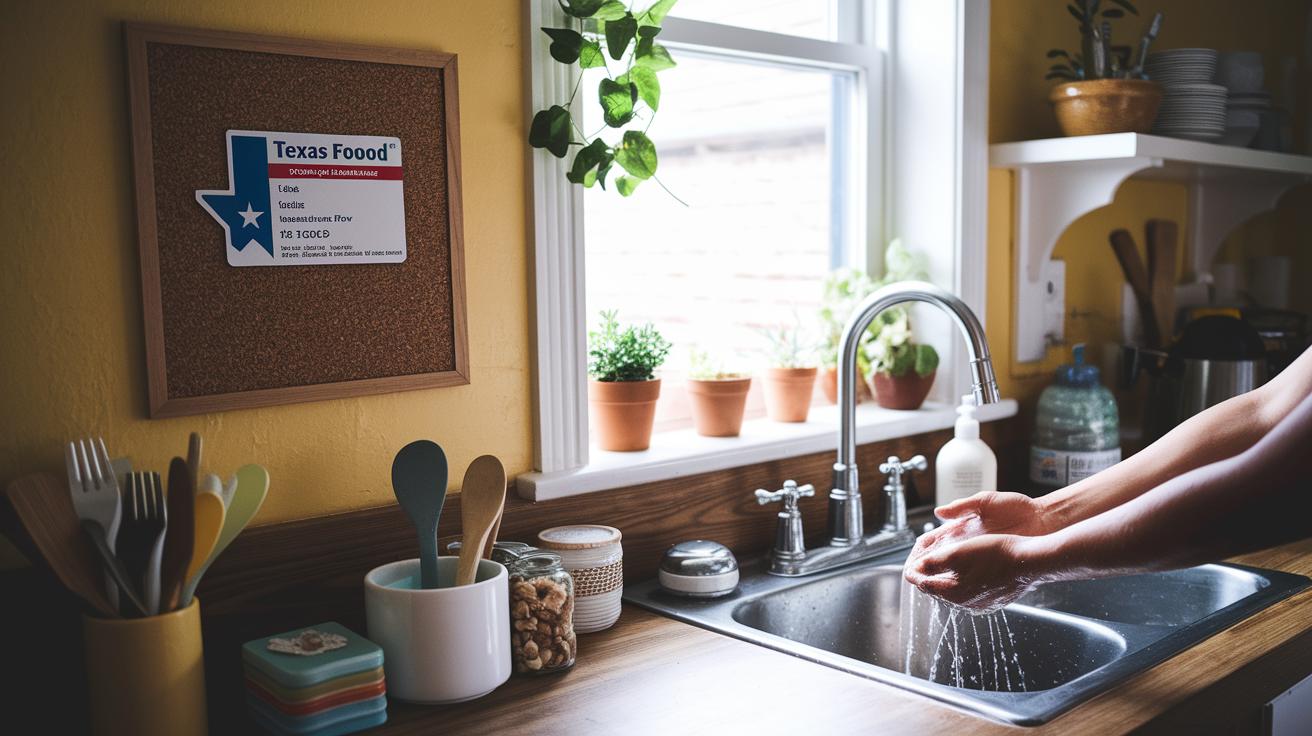
Every home-based food producer must have a valid Texas food handler card. You get this card after finishing a training course approved by DSHS. The card shows that you know how to keep food safe with practices like washing your hands often, cleaning your equipment, and keeping your kitchen tidy. For instance, a producer might say, "Before baking, I washed my hands for 20 seconds to avoid germ spread." This simple step helps stop foodborne illnesses.
Keeping your workspace clean goes with keeping good records. Producers need to write down temperature checks for items that need cold storage, such as frostings. A log might show, "Checked cream cheese frosting storage at 38°F at 2:00 p.m." Keeping these records proves that you are following safe temperature rules. Using a self-audit checklist each day also helps ensure every part of your kitchen meets state rules.
While liability insurance is not required, it is a good idea to have it for extra protection. Save digital or paper records of your food handler card, audit checklists, and temperature logs. These records show that you are serious about food safety and can help keep customer trust high.
Income Caps, Tax Obligations & Distribution Rules for Cottage Food Operators
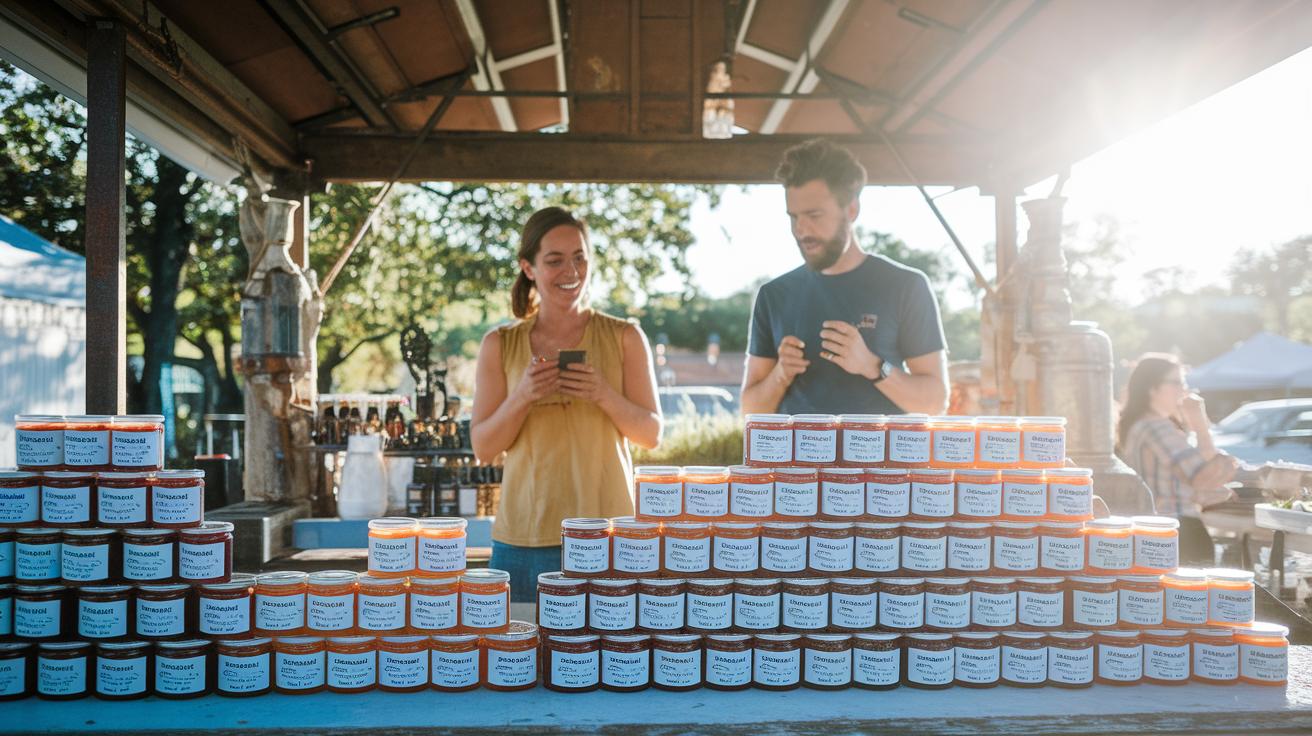
Texas law lets cottage food makers earn up to $50,000 each year. This rule keeps home kitchens small and community-focused. Producers must register with the Texas Comptroller to ensure sales tax is collected on every sale. For instance, if you sell homemade jam at a local market, you need to track the sale and the tax paid.
Sales must happen only at approved local spots like farmers' markets, home setups, or through online orders in Texas. Shipping any items outside the state is not allowed. This rule keeps transactions within Texas and makes sure products follow local packaging and labeling rules.
It is important to keep clear records. Write down every sale with the date, amount, and tax collected. For example, you might record, "Sold 50 jars of jam for $150 on April 20 at a local market." Detailed records help build trust with regulators and make audits easier.
Recent Updates, Resources & Expert Advice on Texas Cottage Food Regulations
Changes set for 2025 may boost sales limits and let more products join the list under SB 541. Local health offices might soon add extra guidelines for market operations, giving everyone clearer rules. These updates aim to give home-based food makers more wiggle room while keeping food safety top-notch. Stay alert to official news because these shifts could change how earnings and product ranges are handled under state law.
Joining the Texas Cottage Food Guild brings real support with checklists, peer forums, and handy template resources. Many producers say these tools make it easier to keep up with the evolving rules. You can also check official portals from DSHS and the Texas Comptroller for ready-to-use label templates and current FAQs. One producer noted, "The new templates simplified our labeling process, and the peer forum answered many of our practical questions." This kind of expert insight helps cottage food operators stay informed and confident as rules change.
Final Words
In the action, we broke down the texas cottage food law, highlighting key points from food handler card requirements to sales cap rules. We reviewed permitted products, labeling basics, and essential safety practices that keep home-based food businesses running smoothly. We covered registration details and recordkeeping tips while pointing to expert advice and upcoming updates. These insights offer clear, practical steps to help anyone make well-informed decisions. The guidelines serve as a solid foundation for operating a thriving, compliant business.
FAQ
What does Texas cottage food law 2025 cover?
The Texas cottage food law 2025 outlines updates that may include increased sales caps and a broader list of allowed products. Producers should refer to official guidance to stay compliant.
What items are included on the Texas cottage law food list?
The Texas cottage law food list includes low-risk products such as baked goods, jams, pickled items, dried mixes, and fermented products, while high-risk foods remain prohibited.
What is meant by Texas cottage food law certificate?
The law requires home producers to hold a valid Texas food handler card, effectively serving as a certificate that demonstrates completion of food safety training from an approved course.
What are the labeling requirements for Texas cottage food law?
Texas cottage food labels must state the producer’s name and address, product name, ingredient list, net weight, and the statement “Made in a home kitchen not subject to state inspection,” along with allergen information.
Where can I find the Texas cottage food law PDF?
The official Texas cottage food law PDF is available on state agency websites and offers complete details on guidelines, requirements, and permitted products for home-based food businesses.
How does Texas cottage food law address shipping?
Texas cottage food law permits shipping within the state only. In-state shipments must comply with packaging and labeling standards, while out-of-state shipping is not allowed.
Can people cook food in their home and sell to the public in Texas?
Home cooks can legally sell food from their kitchens in Texas if they adhere to the law’s guidelines, use approved recipes, maintain proper labeling, and hold the required food handler card.
Do I need to register my cottage food business in Texas?
Registration with state authorities is not mandatory under Texas cottage food law. However, operators must keep accurate sales and training records and hold a valid food handler card.
What is the income limit for cottage food operations in Texas?
Texas cottage food operations have an annual gross-sales cap of $50,000. Exceeding this limit means the business no longer qualifies under the cottage food law exemption.
What requirements must be met to sell food from home in Texas?
To sell food from home in Texas, producers must be state residents, use their home kitchen, maintain sales below $50,000 annually, and have a current Texas food handler card from a DSHS-approved course.