
Food safety audits might seem like a hassle, but they are a real lifesaver. They expose hidden problems in storage, cleaning, and staff training that can lead to food risks. Whether your team handles them or you bring in experts, audits keep your business on track with government rules and help dodge foodborne illness. This post shares simple, smart tips to turn a regular check into a powerful tool that builds consumer trust and creates a safer work environment. Simple changes can make a big difference.
Foundations of Food Safety Audits
Food safety audits check how well a food business follows safety rules set by local, state, and federal agencies. These audits can be done by the business’s own trained team or by outside experts. They help spot problems that could cause contamination by looking at storage, food prep areas, cleaning methods, layout of the facility, waste handling, and worker hygiene. This process is key to cutting hazards and keeping the public safe.
The main aims of these audits are to meet government standards, stop foodborne illnesses, and boost customer trust. They help businesses improve by focusing on essential areas such as:
- Food safety management systems
- Temperature control and storage conditions
- Cleaning and sanitation routines
- Facility layout and waste handling
- Employee hygiene and food safety training
Audits also build a strong food safety culture by encouraging ongoing checks and improvements. Following guidelines from groups like the FDA and USDA, these evaluations set up a clear plan for safety measures and training on HACCP (a system that prevents food hazards). Using audit feedback lets companies fix issues quickly and keep high quality standards. Over time, this focus on safety builds trust with consumers and supports a proactive way to manage food risks.
Exploring the Types of Food Safety Audits

Food safety audits help businesses follow safety rules and keep food clean. Companies use these audits at different stages to check operations, whether done by their own staff or outside experts. Each audit type works to keep food systems safe and reliable.
First-Party/Internal Audits
In first-party audits, trained employees or hired consultants review your operations. They look at documents, training sessions, and daily practices to ensure processes match food safety guidelines.
Second-Party/Supplier Audits
Supplier audits check that vendors follow proper food safety practices. These audits review supplier records, production methods, and cleaning routines. This helps keep the supply chain safe and minimizes the risk of contamination.
Third-Party Certification Audits
Independent groups conduct third-party audits based on standards like ISO 22000, SQF, BRC, and GFSI. This outside review supports certification and builds trust with both consumers and partners.
Regulatory/Government Audits
Government agencies carry out audits to review hygiene, labeling, and records. These inspections make sure companies follow local, state, and federal rules. Businesses must meet these standards to be held accountable for food safety.
Building a Food Safety Audit Checklist
A clear checklist is key to a strong food safety audit. It helps your team follow every safety step without missing a beat. Using a checklist keeps everyone focused on daily tasks and spots issues before they grow worse. You can use digital or printable templates to record data quickly and keep standards consistent at every site.
When you build your checklist, cover both everyday tasks and special procedures. Start with basic programs like HACCP and HARPC plans and training logs that set your safety standards. Then, include details of your management system, such as guidelines and standard operating procedures. Track temperature controls and storage practices with sensor readings and calibration logs. Add cleaning records to show when and how facility sanitation happens and note the facility layout to support smooth operations. Finally, record waste disposal methods and employee hygiene checks to round out your list.
| Checklist Section | Key Items |
|---|---|
| Prerequisite Programs | HACCP/HARPC plans, training logs |
| Management Documentation | SOPs, manuals, audit criteria |
| Temperature Control | Sensor data, calibration records |
| Storage Practices | Facility conditions, product arrangement |
| Sanitation Records | Cleaning schedules, equipment logs |
| Facility Layout | Design, workflow maps |
| Waste Management | Disposal methods, recycling records |
| Employee Hygiene | Hygiene training, compliance checks |
Step-by-Step Food Safety Audit Process

A clear process builds trust in your food safety efforts. Following these steps helps businesses check key rules, use standard checkpoints, and keep training current for HACCP compliance. Each step looks closely at a part of your overall food safety system.
- Check basic food safety knowledge. Make sure everyone understands the rules and spot any gaps.
- Verify that all basic safety programs are active and match your day-to-day guidelines.
- Update or create your HACCP/HARPC plans (detailed safety steps) based on the latest risk reviews.
- Review your entire food safety plan regularly to ensure it meets your in-house standards and legal rules.
- Look over your files and records to confirm they are complete, accurate, and easy to find.
- Use clear checklists during inspections to make sure no important step is missed.
- Conduct an internal audit that covers hazard analysis, key control point checks, monitoring, corrective actions, verification steps, and record keeping.
- Train your audit team on HACCP compliance so they can stick to the process and act quickly when issues arise.
Working together makes a big difference. Team effort speeds up fixes and keeps your food safety practices strong.
Leveraging Technology in Food Safety Audits
Digital audit systems boost efficiency through instant mobile alerts and easy cloud access. Teams can complete checks on the spot, cutting down on piles of paperwork. By storing audit records in the cloud, businesses quickly verify safety data at multiple sites, which helps reduce mistakes. Mobile alerts keep everyone in the loop, so any issue is flagged right away. This system speeds up reviews and keeps clear, consistent records to meet rules.
Key features include simple, real-time dashboards that offer clear snapshots of audit results and sensors that track temperature and humidity. Automated checks for hygiene cut down on manual work during inspections, while digital logs and customizable checklists make follow-ups a breeze. Built-in alerts and auto-generated reports help boost the accuracy of safety audits, making it easier for businesses to improve their processes and lower risks.
Real-World Audit Case Study Analysis
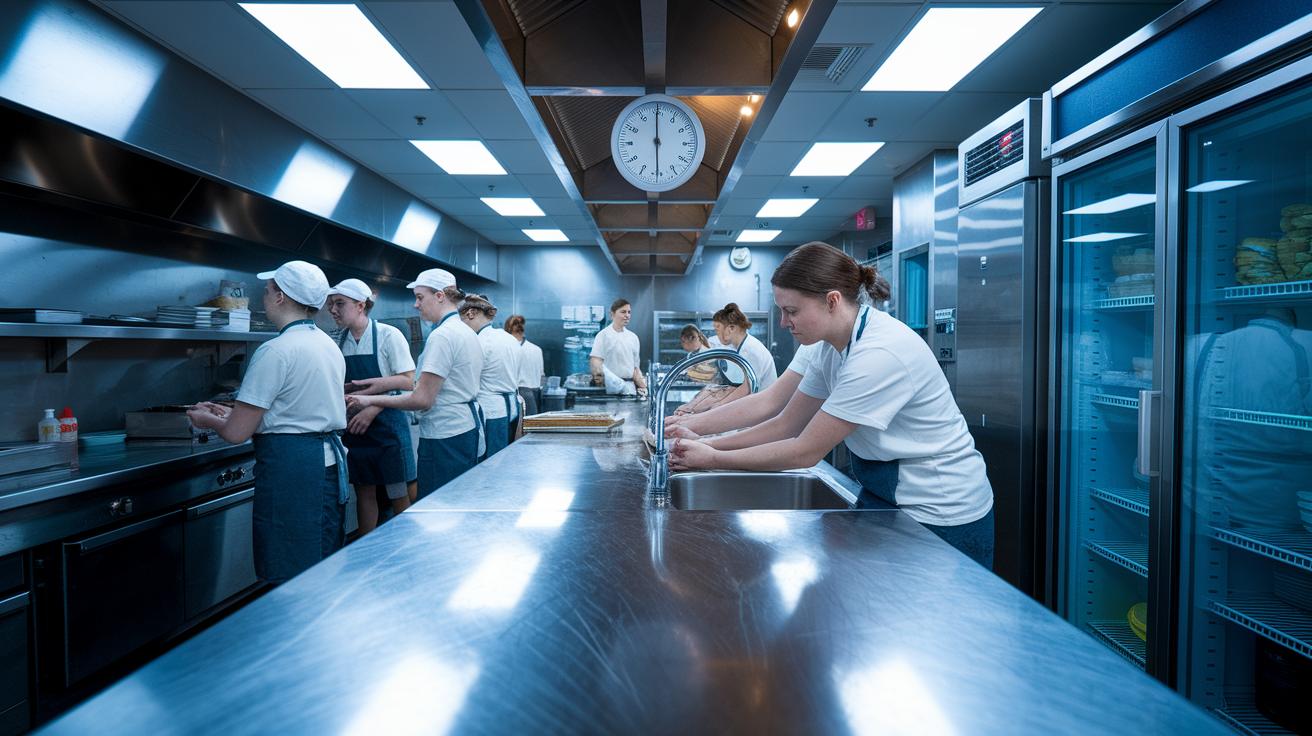
Real-world audits show problems on the ground and trigger fast fixes to keep food safe. They reveal where things went wrong and point out the steps needed to prevent risks.
Case Study 1: Restaurant Chain Inspection
In one audit of a regional quick-service restaurant chain, inspectors found faulty thermostats in the cold storage and poor food-handling practices. The team fixed the equipment right away and retrained the staff. They also reviewed the chain’s procedures to tighten control over temperature and hygiene. These quick steps lowered the risk of food contamination and boosted customer trust.
Case Study 2: Supplier Sanitation Audit
Another audit looked at a supplier and found that cleaning of the sanitation equipment was not up to standard. The vendor quickly changed its cleaning schedule and updated its procedures. Later inspections confirmed that the new methods met strict food safety standards. Regular checks like these help catch issues early, build trust, and hold everyone accountable.
Both cases show that regular audits lead to fast, effective fixes, better safety practices, and a stronger culture of accountability that benefits consumers and operations alike.
Preparing for Third-Party Certification Audits
Mock audits and gap analyses are essential tools that mirror real external certification exams. They show you where your documents and processes may not meet standards like BRC and ISO 22000. This practice boosts your team’s confidence and helps you spot areas in hygiene, sanitation, and record-keeping that may need adjustment before the official review. Finding these gaps early lets you fix them with extra training and process updates, making NSF inspections or Diversey reviews much smoother.
- Check your documentation against BRC and ISO 22000 standards.
- Run mock audits to mimic real certification conditions.
- Train your staff on standard operating procedures (SOPs) and safety guidelines.
- Make sure your record-keeping systems are complete and current.
- Reevaluate hygiene and sanitation practices to meet audit needs.
- Set up clear plans to correct any identified gaps.
Even after certification, staying prepared is key. Regular internal audits, ongoing staff training, and constant process monitoring keep your systems up to date between formal reviews. When every team member understands and follows the protocols, you avoid surprises during re-certifications or vendor checks. This steady approach helps keep operations smooth and builds trust in your food safety practices.
Auditor Careers and Professional Development

Auditors work in many roles. They can start as entry-level internal reviewers, move on to regional service assessors, or work as independent consultants. Some work in regular offices, while others take remote inspection jobs from home. Pay depends on where you work, and jobs are available at companies as well as for freelance experts.
Businesses hire auditors to make sure food safety checks are done right. With experience, auditors can oversee several sites and help keep food systems secure.
Training and certifications boost professional growth. New auditors can take online courses, free digital sessions, and HACCP training (which covers food safety standards). Workshops and guides also help candidates secure certifications such as ISO, SQF, or BRC.
This mix of learning and hands-on experience opens up jobs in regional auditing and remote inspections. Many experts later become food safety consultants, offering advice to companies that want to improve audit practices and maintain strong food safety standards.
Final Words
In the action, we reviewed the core ideas of food safety audits. The post broke down the basics, types, and checklist essentials. It took you through step-by-step processes, digital solutions, and real-world case studies. We also touched on preparing for third-party certification and growing auditor careers. Each section ties back to strong, practical methods that help you meet compliance and build trust. Stick with these tips, and keep your operations safe and thriving.
FAQ
Q: What are the different types of food safety audits?
A: The different types of food safety audits include first-party/internal, second-party/supplier, third-party certification, and regulatory audits that assess food safety management practices.
Q: How do you conduct a food safety audit?
A: Conducting a food safety audit involves preparing and using a comprehensive checklist, reviewing food safety practices like storage and cleaning, and ensuring compliance with local, state, and federal regulations.
Q: What do food safety auditors do?
A: Food safety auditors review and assess a business’s safety management systems, including storage, sanitation, facility design, and employee hygiene, to spot areas needing improvement and ensure regulatory compliance.
Q: What is included in a food safety audit checklist?
A: A food safety audit checklist includes sections for HACCP/HARPC plans, management system documentation, temperature control, storage, sanitation records, facility layout, waste management, and employee hygiene.
Q: Can I access a food safety audit checklist in PDF format?
A: You can access food safety audit checklists in PDF format, providing standardized templates that help document inspections and ensure all critical safety areas are covered.
Q: What is the food safety auditor salary?
A: Food safety auditor salaries vary by region and experience, with competitive pay that reflects certification, the level of expertise, and responsibilities ranging from entry-level tasks to regional assessments.
Q: Where can I find food safety audit companies?
A: Food safety audit companies are available as specialized consultancies that offer assessment services, helping businesses meet food safety laws by reviewing practices and certifications.
Q: What is an example of a food safety audit?
A: A food safety audit example is a restaurant inspection that reviews food storage, cleaning methods, employee practices, and facility design to ensure compliance with regulatory guidelines and safe handling principles.