

Can Nigeria turn a huge food import bill into a win for local growers?
Nigeria spends over $10 billion a year on imported food. That bill brings big challenges but also many chances for local change. Shoppers are on the hunt for fresh, affordable staples and drinks. This push has local markets buzzing with new ideas and investments.
Even though shelves are stocked with imports today, rising local demand and smart investments point to growth ahead. Experts say these trends could strengthen Nigeria’s position in the global food scene.
Comprehensive Overview of Nigeria’s Food Industry
Nigeria’s food industry is a global standout with an annual import bill of more than US$10 billion. In the first quarter of 2025, imports hit ₦1.67 trillion (US$1.8 billion). In 2024, the country is set to import 2.1 million metric tons of rice, making it the world’s largest rice importer. This heavy reliance on imports helps keep store shelves stocked despite local production challenges.
Everyday staples are gaining more traction as Nigerian shoppers look for health, freshness, taste, convenience, and price. Consumers are shifting toward products that deliver quality ingredients without a high price tag. Meanwhile, alcoholic beverages account for only 30% of market penetration compared to a 41% global average. This gap has paved the way for non-alcoholic drink brands that highlight flavor, health benefits, and strong reputations.
The food industry is set for robust growth thanks to steady consumer demand and ongoing market investments. Experts see huge potential for expansion as the consumption of everyday staples continues to rise and beverage trends evolve. While heavy import reliance poses challenges, it also creates opportunities for local production and innovation. This mix of consumer behavior and economic forces underlines Nigeria’s key role in the global food market and points to a significant future impact on the economy.
Major Market Segments in Nigeria’s Food Industry

Nigeria's food market is full of variety to meet different needs. Brands are reaching out to everyone, from beverage fans to dedicated home cooks. Consumers now look for products that bring great taste and health perks. They choose bold non-alcoholic drinks and everyday staples like rice and maize because they promise freshness and affordability. Traditional favorites mix with new trends as companies blend innovation with practical choices. The rise of healthy snacks and plant-based options shows that shoppers are eager to try new flavors while sticking to the foods they know.
| Segment | Penetration/Preference | Key Drivers |
|---|---|---|
| Beverages | 30% for alcoholic; non-alcoholics preferred | Flavor, health benefits, brand awareness |
| Staples | Rising demand across key foods | Health, freshness, taste, convenience, price |
| Meal Preparation | 25% of consumers increasing usage | Spreads, sauces, condiments, bouillons, stocks, seasonings |
| Snacks | 1 in 3 consumers prioritizing taste | Safety, natural ingredients, premium positioning, allergen-free |
| Plant-Based | 27% penetration for meat substitutes | Protein, fiber, fat reduction, allergen-free claims |
These segments often overlap, sparking chances for new ideas and products. For example, a new offering might mix plant-based proteins with traditional flavors, appealing to shoppers who care about health but love the classics. Innovations in packaging are also giving a boost to meal prep and snack products by keeping items fresh and showcasing natural ingredients. Much like a chef carefully blends ingredients to create a top dish, Nigerian brands are combining convenience with nutrition to match changing consumer tastes and deliver satisfying flavor every time.
Supply Chain Resilience and Agricultural Inputs in Nigeria’s Food Industry
Nigeria depends a lot on imports for key food items. The country expects to bring in 2.1 million metric tons of rice soon. Local fish production only meets 45% of what people need, so Nigeria spends US$1.2 billion every year on imported fish. A new US$6.2 million aquaculture center opened in Epe to help raise local fish production. In addition, meat processing is getting a boost. JBS is spending US$2.5 billion to build six new plants that should cut Nigeria's reliance on imported meat.
Government actions also help keep the food supply steady. A zero-duty policy on food imports and temporary tax breaks help stabilize prices despite rising inflation. These policies lower costs and keep imports moving while pushing local producers to make more. Improved logistics and a focus on better agricultural inputs add strength to Nigeria's food distribution. Together, these measures work to build a tougher and more self-reliant food industry in Nigeria.
Regulatory Frameworks and Food Safety Protocols in Nigeria’s Food Industry
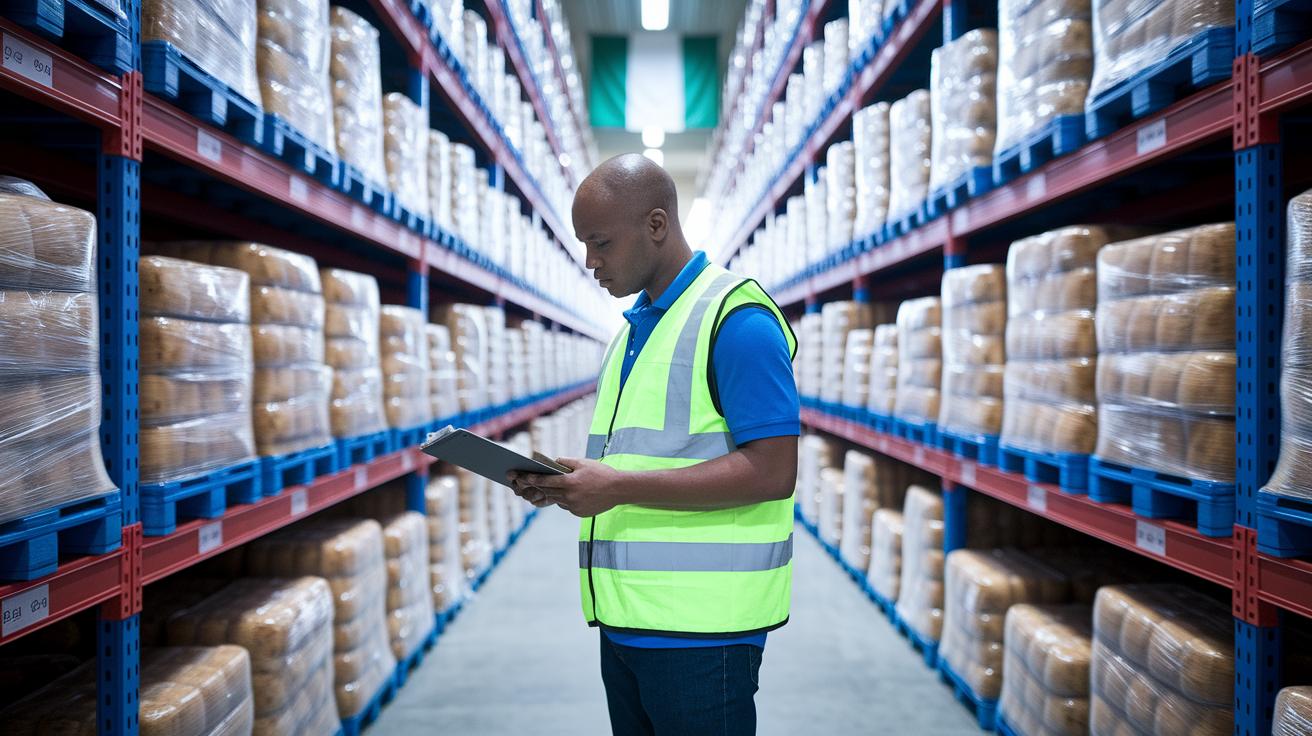
Nigeria’s leaders now back food imports with a zero-duty policy and planned tax breaks to help fight inflation and keep prices steady. With the import bill topping US$10 billion, regulators face growing pressure to boost inspections. In 2024, ₦9.74 billion is set aside to deliver rice and beans to major cities. This move combines financial help with tighter market rules to show that quality and rules matter for consumer trust.
Inspection teams now perform regular audits and check strict hygiene standards. Approved businesses must meet tough rules to pass inspections and protect their good names. Officials follow specific food safety practices (see https://matpple.com?p=1010 for details) to make sure products are safe. This system also includes quality checks at every step of making and handling food.
| Agency | Role |
|---|---|
| NAFDAC | Product registration and safety |
| SON | Standards enforcement |
| Ministry of Agriculture | Farm-to-market oversight |
| Standards Organisation of Nigeria | Quality certification |
Investment Landscape and Business Opportunities in Nigeria’s Food Industry
PepsiCo and DP World have put US$20 million into Nigeria’s food market. This shows strong global trust in the country’s growing scene. Big names are making moves, but local players are stepping up too. JBS has promised US$2.5 billion to build six new meat-processing plants. These plants aim to boost local capacity and cut down on imports.
The FAB West Africa trade shows for 2024–2025 have seen record attendance. This tells us that the industry is maturing and investors are paying close attention. In another boost for local production, a new US$6.2 million aquaculture center has opened to grow fish farming and fill supply gaps.
All these investments come as Africa’s food import bill is expected to hit US$65 billion in 2025. Ghana’s food import market alone is valued at US$2 billion. This regional picture highlights where new business chances lie.
Meat processing stands out as a big opportunity. New factories mean leaner supply chains and better quality products. Aquaculture investments will help boost domestic food production and reduce reliance on imports. Meanwhile, the plant-based segment is picking up as more consumers look for protein alternatives. Food-tech platforms are also making it easier to order online and run kitchens more efficiently.
Local brands are gearing up to sell to international markets as well. And startups are using innovative ideas to meet the growing appetite for fresh food solutions. For entrepreneurs, this evolving scene offers plenty of ways to grow and raise capital.
Innovation, Consumer Preferences, and Product Trends in Nigeria’s Food Industry
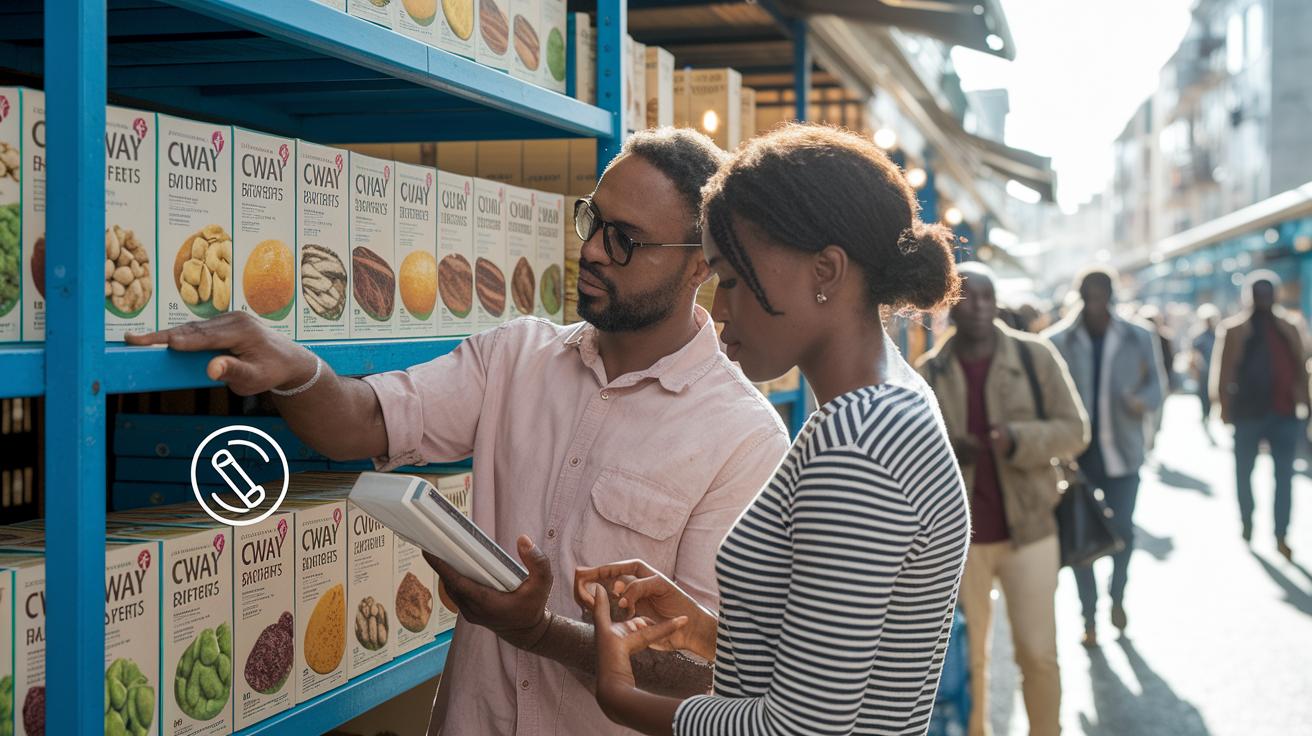
Nigeria's food scene is changing fast. New products are hitting the shelves. Brands like CWAY and Xena's are introducing items such as a cappuccino milk drink and zero-cholesterol mayonnaise. Customers now look for natural ingredients, clear health benefits, and allergen-free choices. They want food that tastes great and helps them feel good too. Local companies are mixing traditional flavors with modern nutritional twists to meet these needs.
Digital tools are also boosting the industry. Online ordering is on the rise as people look for speed and ease. Mobile apps let you pick meals with just a few taps. Social media is helping these trends catch on as diners share their meals and reviews. One customer said ordering online is as simple as clicking a button, with meals arriving right at their doorstep. This mix of tech ease and social buzz is driving fresh, healthier options in Nigeria’s food industry.
Future Outlook and Growth Projections for Nigeria’s Food Industry
Nigeria's food scene is heating up. Food prices have dropped, giving many more people the chance to try both classic dishes and fresh, new options. Health-focused tweaks to recipes are making meals better for today's needs. More shoppers are ordering online thanks to better digital systems, and local brands are getting a boost from faster delivery. Improved supply chains are cutting down the need for imports by making local production stronger. Experts say these changes are attracting new investments and shifting what consumers look for. A mix of budget-friendly and healthy picks is expected to keep pushing growth, paving the way for a tougher and more accessible food market in Nigeria.
Final Words
In the action, Nigeria's food industry is showing strong growth with a mix of robust import figures, evolving consumer trends, and steady investment. The post recaps market size, import dependency, consumer shifts, and safety protocols while highlighting new product launches and supply chain resilience.
Key investments and innovations signal a dynamic future as local businesses adapt to fresh demands. This snapshot of food industry nigeria provides a useful roadmap for staying ahead in a shifting market.
FAQ
Food industry nigeria pdf
Food industry Nigeria PDF resources offer detailed market overviews in a document format. These reports cover import figures, consumer trends, and sector developments to help industry stakeholders keep track of market shifts.
Food industry nigeria 2022
Food industry Nigeria 2022 refers to the market trends observed in that year. It saw steady import levels, increased demand for staples, and evolving consumer preferences amid regulatory adjustments.
Food industry nigeria 2021
Food industry Nigeria 2021 highlights market conditions during that year. The industry adjusted to global supply issues while consumer demand for local products and staples grew, setting the stage for future improvements.
Food industry nigeria news
Food industry Nigeria news covers current updates, policy shifts, and investment movements. It keeps readers informed about changes in consumption patterns, import trends, and new market entrants across the sector.
Fast food industry in nigeria pdf
Fast food industry in Nigeria PDF documents provide insights into the fast food sector through downloadable reports. They detail consumer preferences, market size, key competitors, and growth challenges within this niche.
Food and beverage industry in Nigeria
Food and beverage industry in Nigeria encompasses sectors like staples, snacks, meat processing, and drinks. It reflects trends in consumer health, digital ordering, and strategic investments that shape a diverse market.
Nestlé Nigeria
Nestlé Nigeria represents a major company in the Nigerian food sector. It builds consumer trust through a wide product range and adherence to global quality standards adapted for local tastes and regulatory needs.
Restaurant industry in nigeria
Restaurant industry in Nigeria covers various dining formats from fast-food outlets to themed eateries. This sector emphasizes quality, safety, and tech-driven ordering systems while showcasing local flavors and innovative menu trends.
What are the food industries in Nigeria?
The food industries in Nigeria include sectors such as staples, beverages, fast food, meat processing, and plant-based products. Each segment adapts to consumer demand for better health, taste, and affordability.
What is the largest food company in Nigeria?
The largest food company in Nigeria is often identified as one with extensive market reach and product diversity. Companies like Nestlé Nigeria are usually cited based on their vast consumer base and production capabilities.
What is the biggest industry in Nigeria?
The biggest industry in Nigeria is known to be the oil and gas sector. However, the food industry also plays a key role by ensuring food security and meeting high population demand.
What is the food situation in Nigeria?
The food situation in Nigeria is marked by high import dependency and rising local consumption of staples. Ongoing investments in production and processing aim to boost local output and improve supply chain resilience.