

Could our dinner plate hold clues to tomorrow's food trends? New dishes are mixing bold flavors with smart kitchen tech. Food companies use AI (artificial intelligence that helps machines learn) to cut waste and improve quality. This change is reshaping how food finds its way to our tables.
Plant-based meat is on track to serve billions, and smart packaging is cutting spoilage. Today’s food scene is about more than taste; it points to a move toward a smarter, healthier market. Learn how these trends are sparking culinary excitement around the globe.
Worldwide Food Trends: Market Analysis and Key Patterns
The global food sector is shifting fast. Experts predict the plant-based meat market will reach $24.77 billion by 2030, and manufacturing costs are set to rise 4.8 percent by 2026. Consumers are moving toward healthier and ethically sourced foods, while companies adjust to higher costs. Technology, especially AI, now helps firms run predictive maintenance and monitor quality live.
New tech is cutting waste and boosting efficiency. Many companies are turning food scraps into products like animal feed or bioplastics. Smart packaging and IoT tools in cold storage also keep food fresher longer. These changes are making production leaner and more data-focused.
- AI automation improves quality control and schedules maintenance
- Rising production costs are pushing companies to streamline operations
- Food waste is being repurposed into useful items like bioplastics and animal feed
- IoT-enhanced cold storage and smart packaging reduce spoilage
- Consumers increasingly demand clear labels and QR-code transparency on ingredients
Pressure for transparency is also growing. Shoppers want to know exactly where their food comes from and how it’s made. In response, food companies are adopting detailed labeling and verification systems. This commitment builds trust and raises the bar for quality across the market.
global food trends: Sparking Culinary Excitement
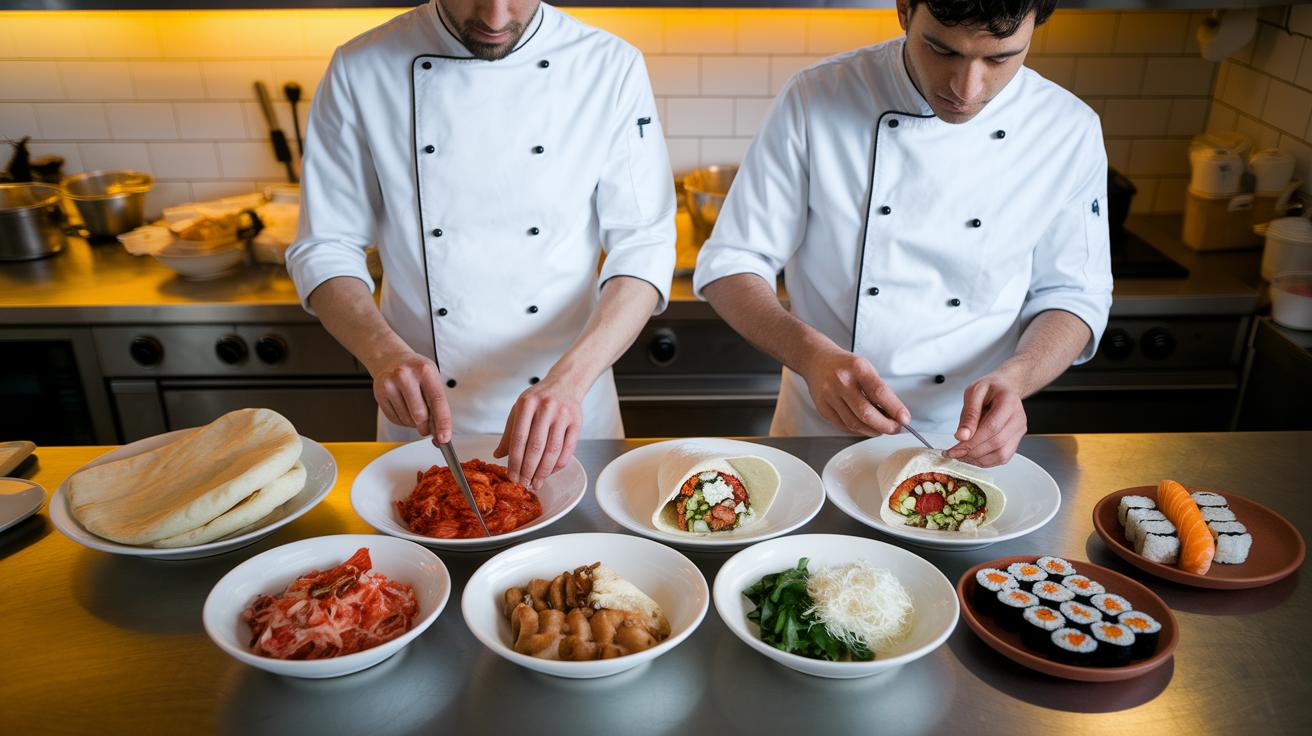
Chefs and food brands are mixing ingredients and techniques from around the world. Diners enjoy Korean tacos, sushi burritos, and Indian-style pizza that bring familiar spices together with bold new twists.
Innovative chefs are also blending dishes like Ethiopian injera with Korean kimchi and Latin American ceviche. One dish mixes the tangy bite of kimchi with the soft wrap of a burrito, offering a fresh flavor that excites the palette.
Digital platforms are speeding up this global food adventure. Social media and video streams let chefs share quick recipes, show off behind-the-scenes techniques, and display new dishes to a worldwide audience. These videos and live cooking sessions turn local experiments into international favorites, making diverse recipes easy for both home cooks and professionals to try.
Sustainability Movements in Global Dining: From Farm‐to‐Table to Upcycling
Restaurants are cutting waste by turning food scraps into useful items like animal feed, fertilizers, and bioplastics. New enzyme-based methods help kitchens make eco-friendly packaging while saving money and lowering emissions.
Smart packaging combined with IoT-enabled cold storage gives real-time updates on food temperature and freshness. Sensors alert managers right away if storage conditions change, keeping food safe and reducing spoilage.
Farm-to-table ideas are evolving too. Instead of just buying local, some eateries now verify each ingredient's details with clear labels. One restaurant works directly with nearby growers and even shares seasonal sourcing info on its menu.
| Practice | Description | Example |
|---|---|---|
| Upcycling | Turning food waste into feed, fertilizers, and bioplastics with new techniques | Restaurants teaming up with tech startups to convert fruit scraps into bioplastic packaging |
| Farm-to-table | Working with local growers and using clear ingredient labels that show seasonal info | A restaurant that displays detailed sourcing info on its menu |
| Smart packaging | Using IoT sensors in packaging to monitor food freshness in real time | Sensors that alert staff when storage conditions change |
Consumers now demand clear labels and honest sourcing details. These eco-friendly practices show how sustainability in dining is always moving forward.
Emerging Culinary Technologies Shaping Worldwide Food Trends
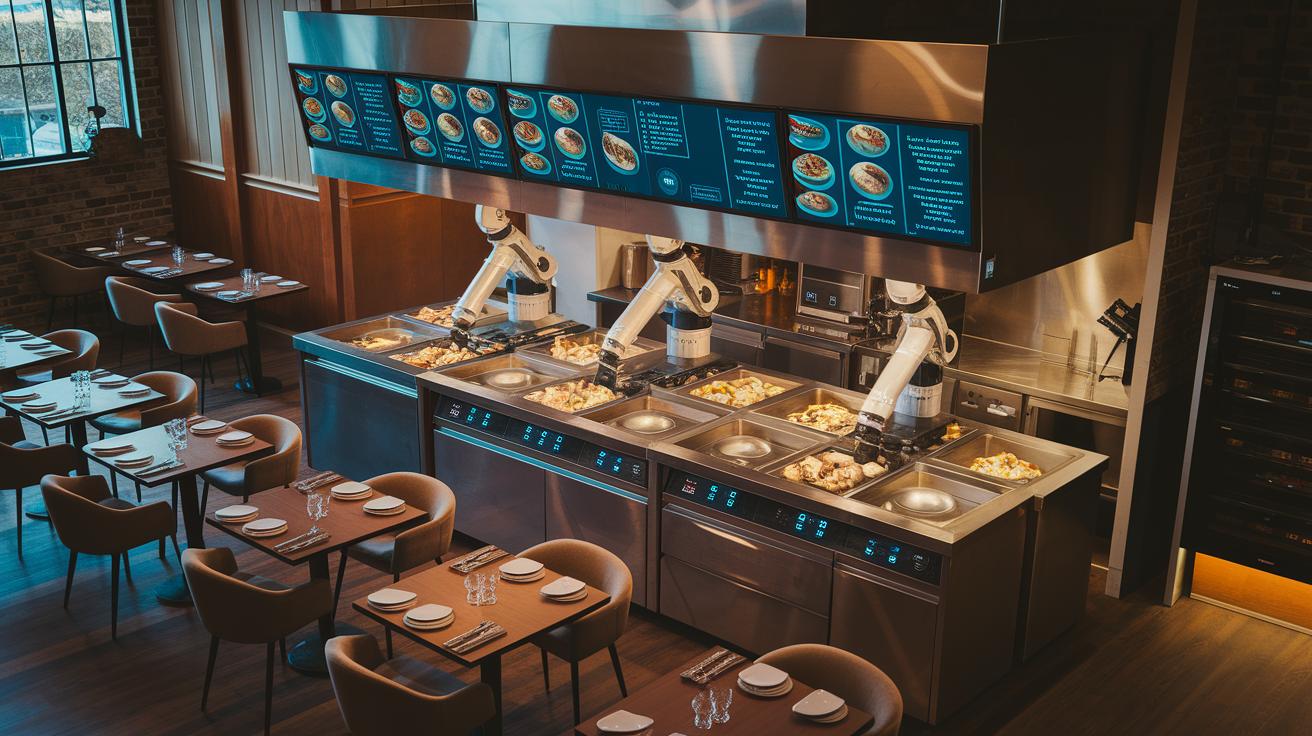
Technology is changing how we eat. New automation tools boost production speed and improve the dining experience. AI now runs quality checks and predicts when repairs are needed, cutting down on defects and delays. Smart manufacturing and digital tools help restaurants run smoother and update menus in real time. This tech growth makes food service faster and sets a fresh standard for dining.
AI-powered automation
AI systems now use data to catch problems before they happen. This cuts defects and sets up maintenance with little manual work. Quick fixes keep quality high and service steady. These tools also help restaurants manage ingredient sourcing and forecast trends, turning numbers into practical solutions.
Robotics and smart manufacturing
Robotic arms and automated systems are modernizing kitchens and factories. They work with inventory and profit software to speed up tasks and keep results consistent. Real-time monitoring shortens cooking and production cycles while maintaining quality. Smart manufacturing is a key tool for places blending tech with culinary art.
Digital dining tools
Digital menus, mobile apps, and cloud reports are transforming guest interactions. QR-code menus make ordering as simple as scanning a code, sparking a digital shift in restaurant operations (digital transformation in restaurant operations – https://matpple.com?p=878). Live cloud updates keep managers in the loop, ensuring both the kitchen and front-of-house work at their best.
Rise of Alternative Proteins and Plant-Based Breakthroughs in Global Diets
The world of plant-based foods is booming. Experts say the plant-based meat market could hit $24.77 billion by 2030. Lab-grown meats are making progress too, working to make real meat without farming animals. New products are even blending in extra health boosters like probiotics, adaptogens (herbs that help you handle stress), and nootropics (ingredients that support brain health). Plus, non-dairy milks, from oat to macadamia, are giving us a creamy taste without the need for traditional dairy. All these innovations are offering fresh, ethical choices for people looking for protein in their diets.
- Plant-based meat: Made from things like peas and soy, it copies the taste and feel of regular meat.
- Lab-grown meat: Created from animal cells in a lab, this meat is grown without raising live animals.
- Functional proteins: These mix in health-boosting ingredients like probiotics and adaptogens to support your overall well-being.
- Dairy alternatives: Options such as oat and macadamia milk provide a smooth, rich flavor without dairy.
- Snack innovations: New treats use ingredients like pea, soy, and mycoprotein to pack a protein punch.
Across North America, Europe, Asia, and Latin America, more people are trying these new protein options. Consumers want foods that are healthy and made ethically, and they’re ready to give these alternatives a try. This shift means menus and grocery stores everywhere are embracing cleaner, more sustainable protein choices.
Cultural Culinary Influences Driving Global Food Trends

Street-food hits like Mexican elote, Thai pad thai, and Indian chaat pack a punch of flavor that captures the lively feel of urban dining. These quick eats feature bold spices, tangy sauces, and smoky grills that honor local traditions while offering familiar tastes in an easy-to-enjoy way.
Classic European dishes are getting a fresh update. Chefs are reworking time-tested recipes like coq au vin and hearty stews for modern palettes without losing their cultural roots. There is also a growing interest in heritage grains and old recipes from West Africa, the Middle East, and South America that add rich stories and unique flavors to today’s menus.
Social media now plays a big role in sharing these food traditions. Photos, live cooking demos, and recipe videos light up the web, turning local treats into must-try dishes around the world.
Forecasting Future Culinary Marketplaces and Dining Habits
Restorative agriculture is changing the way we source ingredients. Farmers now use regenerative methods that improve soil health and boost local yields over time. This approach goes beyond just organic farming. It builds long-term soil strength, cuts down on chemicals, and reduces transport needs by making local farms a bigger part of the supply chain. In short, nature gets a boost, ensuring that every ingredient on your plate comes from a healthier, more productive farm.
Data now drives key decisions in the hospitality world. Over 35,000 restaurateurs rely on real-time trend reports to fine-tune menus, enhance customer experience, and keep operations sustainable. These detailed forecasts track shifts in taste, ingredient supply, and even regional demand surges. With this information, businesses can manage costs better, streamline their operations, and quickly adapt to new dining habits. In essence, data has become a practical tool for a nimble and responsive food service industry.
Looking ahead to 2025, experts point to a growing need for clear ingredient labels and proven sustainability. Recent research shows that consumers are asking for transparency and strict traceability in their food. Early signs also hint at new flavor combinations and changes in dining styles, as studies reveal shifts in consumer preferences. By keeping an eye on these trends and monitoring global research signals, industry players can get ready for a future where sustainable practices and innovative dining take center stage.
Final Words
In the action, this post highlighted worldwide food trends, fusion innovations, eco-friendly menus, breakthrough technologies, alternative proteins, and cultural culinary shifts.
We broke down market size, cost changes, and the drive for transparency in food production.
You also saw how chefs and restaurateurs can use fresh data to make smart, practical decisions.
Keep tracking global food trends to stay ahead and make your next move with clear, actionable intelligence.
FAQ
What do global food trends PDFs include?
Global food trends PDFs include market analysis, cost projections, technological advances, and sustainability efforts shaping the food industry as documented by leading research groups.
What global food trends are projected for 2025 and 2026?
Global food trends for 2025 and 2026 focus on sustainability, alternative proteins, AI-driven production improvements, and enhanced transparency in packaging and ingredient sourcing.
What is a current global food trend?
A current global food trend is the rise of plant-based proteins paired with smart packaging and clean-label demands, reflecting consumer choices and industry innovation.
What are the latest trends in the food industry?
The latest trends in the food industry include shifts toward sustainable sourcing, automation in production, alternative protein development, and enhanced digital transparency across the supply chain.
What are the biggest food trends today?
The biggest food trends today involve the growth of alternative proteins, innovative fusion dishes, upcycling methods, and the integration of smart technologies that boost production and reduce waste.
What is the Gen Z trend in food?
The Gen Z trend in food emphasizes ethical sourcing, sustainability, and tech integration, with a strong preference for authenticity and clear information about product origins.
How do Mintel and related consultancies influence food trend analysis?
Mintel House and similar consultancies provide research that shapes industry forecasts, offering detailed insights on market shifts, consumer behavior, and emerging food technology trends.