

Ever wonder how food brands seem to know exactly what you’ll want next? They rely on smart market research to keep their finger on the pulse of customer cravings. By watching what shoppers enjoy and how competitors adjust, companies can fine-tune their menus and prices.
This research breaks down simple clues from everyday dining habits. It shows what foods move the market and guides brands to make sharp decisions quickly. Tracking what you and others choose might just be the secret recipe for staying ahead in a fast-changing food scene.
Market research food industry: Thrive With Top Trends
Food market research helps brands understand what customers love, spot rising trends, and see what competitors are doing. This clear data guides brands on which products to promote and which markets to focus on.
By tracking what people eat, noticing food trends, and watching competitors, companies get smart insights. These insights help fine-tune products and set prices that fit real customer habits.
Key benefits include:
- Understand customer eating habits
- Notice emerging food trends
- Compare competitor offerings
- Shape product development and pricing
- Tailor strategies for different dining formats
For example, club sandwiches pulled a 24% share on social media. This shows how powerful good research can be. CPG companies use these facts to improve recipes, choose the best shelf spots, and adjust pricing strategies. By tracking market moves, businesses can invest their resources where it counts most. This smart, data-driven approach helps brands adapt quickly and grow steadily in a changing market.
Market Research Food Industry: Segment Analysis and Market Positioning
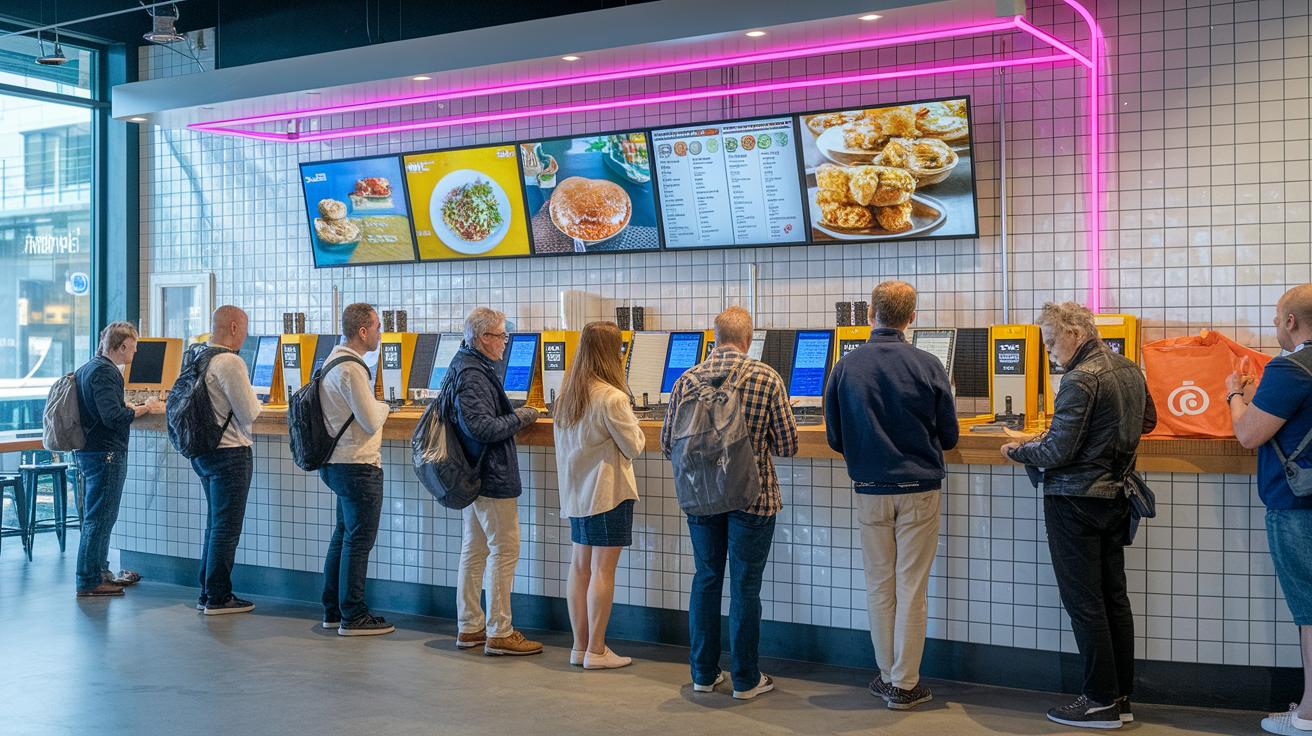
Market research in the food industry breaks down the market into clear segments. Brands can learn a lot by looking at fast food, food delivery, frozen and packaged goods, and healthy specialties. This information shows what different consumers like, how they order, and which channels work best for them.
Fast Food Segment
This segment watches how quickly people order, how much they care about price, and how digital ordering is on the rise. Brands use these trends to adjust menus and speed up service in a fast-paced market.
Food Delivery Segment
This area focuses on order frequency, expected delivery times, and what builds customer loyalty. Companies use these insights to make their apps and customer service even better.
Frozen & Packaged Food Segment
Research in this group evaluates product shelf-life, packaging styles, and the impact of distribution. It shows that quality and proper storage play a key role in consumer satisfaction with frozen and packaged goods.
Healthy & Specialty Food Segment
Insights here include the need for clear nutritional labels, trends in clean-label products, and smart positioning to attract health-conscious buyers. This data helps brands stand out in a competitive, wellness-driven market.
| Segment | Key research focus |
|---|---|
| Fast Food | Service speed, price sensitivity, digital ordering |
| Food Delivery | Order frequency, expected delivery times, loyalty drivers |
| Frozen & Packaged Food | Shelf-life, packaging choices, distribution impact |
| Healthy & Specialty Food | Nutritional labeling, clean-label trends, wellness appeal |
Market Research Food Industry Methodologies: Surveys to AI Analytics
Food industry researchers use various methods to understand how customers behave and how products perform. They mix classic surveys with new AI tools to get both numbers and real stories that help guide smart choices.
Food Surveys
Online and in-store questionnaires ask simple questions about consumer tastes and buying habits. They quickly show what customers enjoy and when they tend to shop. For example, a short survey at checkout can highlight which new items grab attention, giving brands fast feedback to work with.
Focus Groups
Focus groups bring people together for guided tastings and discussions. Participants share their honest thoughts on packaging, flavor, and branding in a relaxed setting. This real-time feedback helps companies tweak products before they hit the market.
Foodservice Data Analysis
Sales data from cash registers, delivery apps, and distribution channels reveal buying trends and gaps in the market. By examining when and where items sell best, companies can adjust their game plan quickly. This method shows clear patterns that point out market challenges and new opportunities.
AI-Powered Analytics
AI tools pull data from systems like Salesforce and use it to build real-time dashboards. These smart systems spot gaps in the market and predict demand. With these insights, brands can react fast to market shifts with clear, targeted strategies.
Mixing these methods gives a full view of the market. Surveys and focus groups capture detailed customer opinions, while data analysis and AI provide broad, timely insights. This blend of traditional and modern techniques helps decision-makers adjust products, prices, and market approaches based on real consumer habits and emerging trends.
Consumer Behavior Culinary Insights in Food Industry Market Research
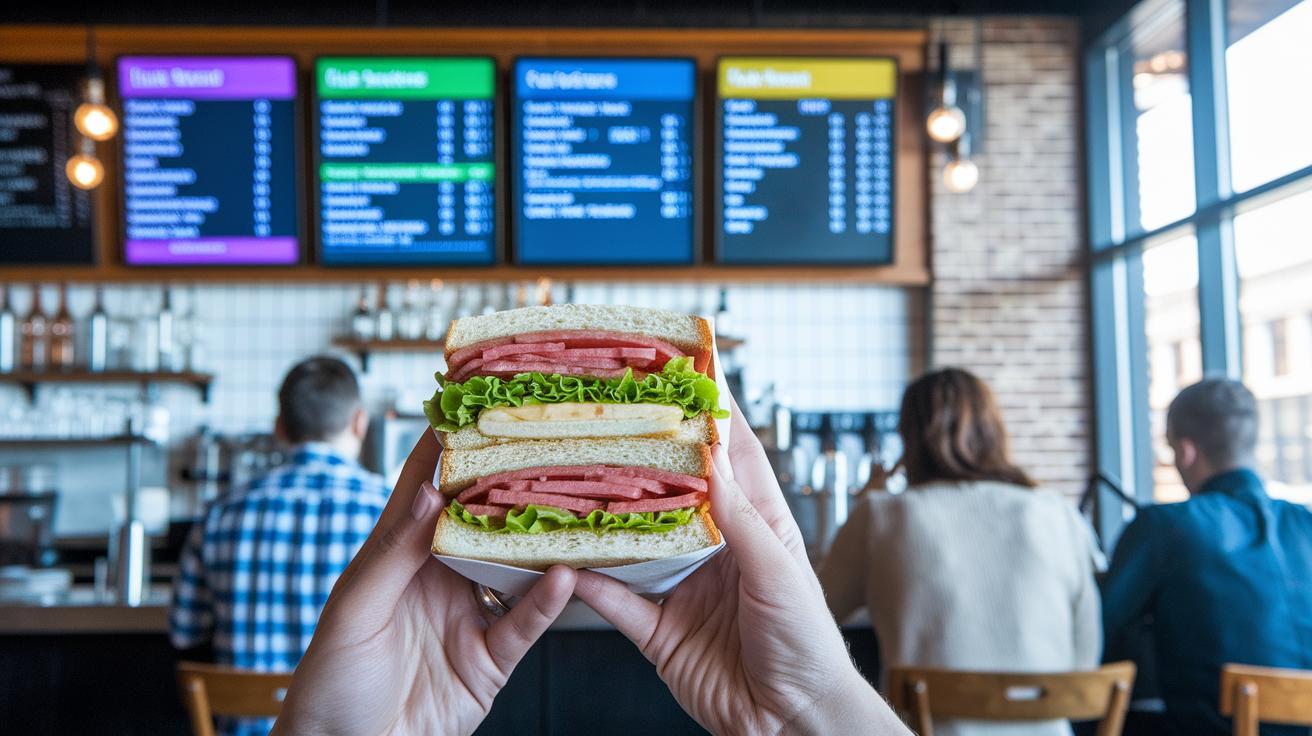
Knowing what customers choose helps shape both product lines and menu offerings. Food brands use these insights to match dishes with real tastes.
Brands watch how often items are bought and track shifts in favorites. They pull data from point-of-sale systems, mobile orders, social media, surveys, and loyalty programs to get a clear view.
Studies help find gaps in the market and let companies test new ideas quickly. Focus groups and controlled trials give them a chance to try out new dishes before a full launch, ensuring menus change along with consumer tastes.
Recent data showed club sandwiches grabbed a 24% share of online buzz. This real-time feedback drives recipe tweaks and marketing moves that keep menus fresh.
Trend Forecasting and Data Visualization in Food Industry Market Research
Predicting what’s next and making sense of data allows food brands to make quick, smart decisions. Tools like real-time dashboards and clean visuals catch shifts in the market, letting brands adjust on the fly.
Interactive dashboards simplify tracking trends and key performance numbers. They pull data from online ad tests and other metrics so teams see patterns as they develop. These tools display live updates on customer interaction, sales, and campaign results. That real-time view lets decision-makers change menus or promotions instantly when needed. For instance, monitoring click-through and conversion rates can flag a slowing campaign, prompting fast tweaks.
Forecasting models are vital for setting budgets and planning strategic moves. By mixing historical sales with live data, teams can predict future spending and revenue. Some models even simulate different scenarios for 2026, helping fine-tune budget decisions. This approach enables restaurants to sharpen their financial planning and risk management as market conditions change.
Fast access to key metrics boosts return on investment. With a clear, immediate view of performance data, brands can shift tactics quickly, leading to better campaigns and more efficient ad spending.
Data Collection Channels and Compliance in Food Industry Market Research

Food companies use a mix of methods to gather useful market information. They rely on online surveys, phone chats, and in-person stops to get real feedback from consumers.
Because strict rules on data privacy now exist, companies must treat customer details with extra care. They use secure storage like locked databases and perform regular security checks to keep sensitive information safe. Connecting these storage systems to current technology, using tools like Salesforce connectors and APIs (computer programs that link different systems), helps data flow smoothly and supports hands-on food data modeling.
These systems also make sure that data meets both food quality reports and legal requirements. By following strong data rules and the latest privacy laws, brands protect customer details and boost the trustworthiness of their market research.
Using several data collection methods gives businesses a clearer view of trends, which leads to better, more actionable insights.
Competitive Positioning and Case Studies in Food Industry Market Research
A snack line launch for a consumer packaged goods brand shows how research can change a product. The team gathered clear data on shopping behavior and price sensitivity, which led them to adjust pricing and refine the packaging design. These tweaks made the snack more appealing on shelves and in line with what customers expect. The research pinpointed key areas for improvement, ensuring the product hit the mark with its target buyers.
In another case, a company tested a new snack idea by running quick trials in select markets. These rapid tests collected real-time feedback on taste and packaging, revealing a gap for a snack with bold flavors and a modern look. With these findings, the company fine-tuned the product and prepared confidently for a wider rollout.
A startup restaurant also used market-gap analysis to shape its unique dining concept. Detailed research uncovered unmet needs in the local food scene, prompting the team to experiment with innovative menu options and flexible pricing. By capturing early customer demand, the restaurant designed a balanced concept that mixed creative risk with strategic growth. This smart approach laid a solid foundation for increasing market share and building long-term brand strength.
Strategic Applications and Growth Forecasts in Food Industry Market Research

Research results are driving smart planning with clear innovation maps and real-life case studies that shed light on brand makeovers.
Food brands are experimenting with fresh ideas like new shelf setups and digital ad tactics. In one example, a brand changed its product layout after watching customer feedback online. This shift in packaging and placement uses real-time insights to steer away from old, routine approaches.
Forecast models now blend past sales numbers with current market clues to set spending goals through 2026. Managers use simple dashboards that show key numbers so they can catch changes fast. For instance, when a 5% dip in mid-year sales appeared, one brand quickly tweaked its digital ads and shelf promotions to stay on target.
Final Words
In the action, this post explored how market research drives brand strategy and product innovation. It covered basics, key consumer behavior insights, and segment analysis in fast food, delivery, frozen, and healthy offerings.
We also looked at using surveys, focus groups, and AI analytics to gather data. Strategic applications like competitive positioning and growth forecasts came into focus.
This guide shows how market research food industry techniques support better decisions and brighter restaurant futures.
FAQ
Market research food industry 2022
Market research in the food industry in 2022 examined consumer trends, tech integration, and competitive positioning to provide actionable insights for product planning and market expansion.
Market research food industry examples
Market research examples include consumer surveys, tasting panels, sales data analysis, competitive pricing studies, and focus groups testing new product concepts and packaging designs.
Market research food industry topics
Market research topics cover consumer preferences, trend spotting, competitor analysis, product development, pricing strategies, and market segmentation by dining type.
Market research food industry articles
Articles in this field discuss topics such as consumer behavior, emerging food trends, innovative research methodologies, technological applications like AI analytics, and case studies on successful brand strategies.
Food market research jobs
Food market research roles involve analyzing consumer data, tracking industry trends, interpreting sales figures, and offering strategic recommendations to help brands remain competitive.
Food industry report PDF
A food industry report PDF typically contains market trends, segment analysis, consumer behavior statistics, competitive insights, and research methodologies that drive strategic decisions.
Market research in food product development
Market research aids food product development by identifying consumer needs, testing new concepts, confirming market demand, and refining products based on feedback and taste trials.
Food industry analysis
Food industry analysis reviews consumer behavior, sales trends, emerging market opportunities, competitive dynamics, and digital influences to support effective business strategies.
What are the 7 basic questions in market research?
The seven basic market research questions usually ask what, who, where, when, why, how, and how much, which help define consumer needs, behaviors, and market size.
What are the 4 methods of market research?
The four main methods of market research include surveys, focus groups, data analysis, and AI-driven analytics to gather both quantitative and qualitative insights.
What market research does McDonald’s use?
McDonald’s relies on consumer surveys, taste tests, competitive studies, and sales data analysis to adjust menus, improve service, and stay responsive to customer preferences.
What is a good research question about food?
A good research question about food might ask how shifts in consumer tastes affect menu choices or what factors lead to the success of new food products in the market.