

Ever wonder if ethical eating can match the flavor of your classic favorites? Today, vegan foods serve up bold new twists that hit the spot and stand by your values.
Discover hearty whole grains, protein-packed legumes, and clever versions of meat and dairy that keep meals tasty and healthy. This guide breaks down top vegan picks that brighten your plate and help protect our planet.
Vegan Food Products Overview: Categories, Ingredients, and Key Benefits
Vegan food covers a wide range of choices built on whole foods and plants. Whole grains like quinoa, brown rice, farro, and bulgur deliver key nutrients while making meals filling. Legumes such as chickpeas and lentils add plant protein and fiber, making them everyday building blocks.
Meat alternatives are also popular. Tofu and tempeh (a fermented soybean) stand out for those looking for protein without meat. Dairy options include plant milks and vegan cheese that keep familiar textures with a twist. In addition, snacks and ready-to-eat frozen or refrigerated meals offer fast, convenient picks.
Seasonal produce like asparagus, berries, and squash brighten dishes with color, flavor, and natural vitamins. Many brands offer gluten-friendly choices too. Items such as quinoa, buckwheat, or goods made from gluten-free flours keep diets varied and balanced for everyone.
You can find these products in big supermarkets, health food co-ops, and specific vegan aisles at local stores. This variety makes it easy to pick ethical and tasty items.
A recent review compared whole grains to fresh summer berries. It reminded us that nature offers simple, unprocessed choices that nourish both body and mind.
Vegan Food Products Innovations in Meat and Protein Alternatives
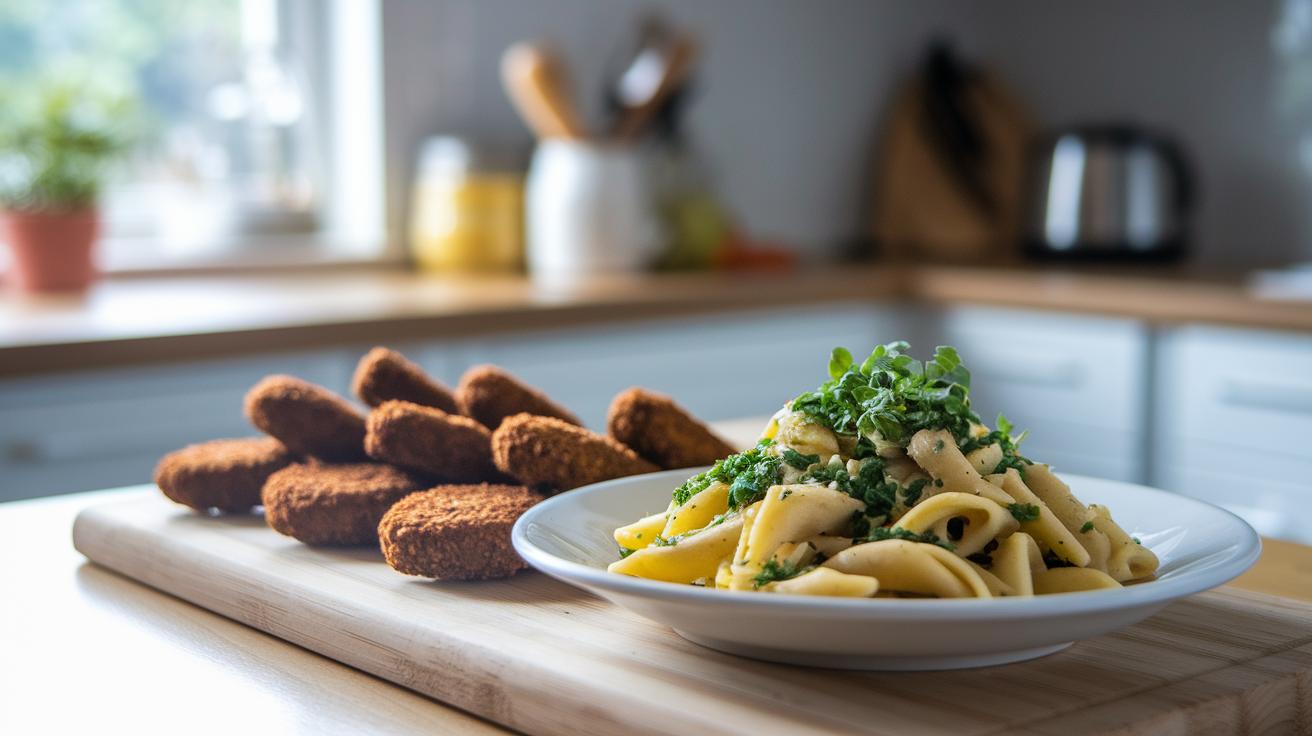
Many new plant-based products are changing the way we eat. Launches like Impossible nuggets, meatless breakfast sausage patties, chicken-like orange morsels, and vegan spinach & cashew ravioli with egg-free pasta bring familiar flavors with a fresh twist. They offer rich taste and satisfying texture, perfect for quick meals that stay true to ethical choices.
Soy chorizo has been completely reworked to be plant-based, and frozen falafel, already fully cooked, is ready for a fast grab-and-go snack. Proteins from chickpeas, lentils, and soybeans are powering new solid foods and protein shakes. For example, a shake blending pea and soy protein can give you the same kick as your go-to sports bar drink. This shows that makers are focusing on health benefits and easy meal ideas.
Bakers are also jumping on the plant-based trend with creative swaps. Items like flaxseed eggs, aquafaba (the liquid from chickpeas), and plant-based butter are now used in pastries. These alternatives keep the moisture and binding properties of traditional eggs or dairy products so that cakes and cookies turn out just right. Try beating three tablespoons of aquafaba until stiff peaks form to create a light meringue that mirrors classic recipes.
This wave of new products shows how meat alternatives and legume proteins are expanding vegan food choices. By also using baking swaps, the trend toward more versatile, ethical, and tasty meals is clear. Food businesses are pushing the limits of vegan protein, setting new standards in the market.
Nutritional Breakdown of Vegan Food Products: From Superfoods to Dairy Alternatives
Vegan foods come loaded with nutrients and flavor. Ingredients like quinoa, chia seeds, and nutritional yeast flakes deliver good protein, fiber, and vital vitamins in every bite. For example, a cup of quinoa packs 8g of protein and 5g of fiber, making it a complete protein source. Chia seeds boost fiber and healthy fats, while nutritional yeast adds some protein and key B-vitamins.
Dairy alternatives also play a big role. A cup of almond milk offers 1g of protein and 450 mg of calcium, while fortified soy milk raises the protein count to 7g with 300 mg of calcium per serving. These alternatives help you build balanced meals without using animal products.
Non-dairy desserts often mix ingredients like coconut cream, aquafaba (the water left after cooking chickpeas), and inulin (a type of fiber) to mimic the creamy texture and natural sweetness of traditional treats. Many also choose cashew-based specialty cheeses to expand their vegan options even further.
Breaking down these nutrients is key for planning meals and sparking recipe ideas. Knowing what each ingredient brings to the table can help you make choices that support both your health and ethical goals. The table below compares protein, calcium, and fiber levels in five common items to help guide your daily nutrition choices.
| Ingredient | Serving Size | Protein (g) | Calcium (mg) | Fiber (g) |
|---|---|---|---|---|
| Quinoa | 1 cup | 8 | 20 | 5 |
| Chia Seeds | 1 oz | 4 | 76 | 11 |
| Nutritional Yeast Flakes | 1/4 cup | 4 | 0 | 2 |
| Almond Milk | 1 cup | 1 | 450 | 0 |
| Fortified Soy Milk | 1 cup | 7 | 300 | 0 |
Vegan Food Products: Ethical & Tasty Options
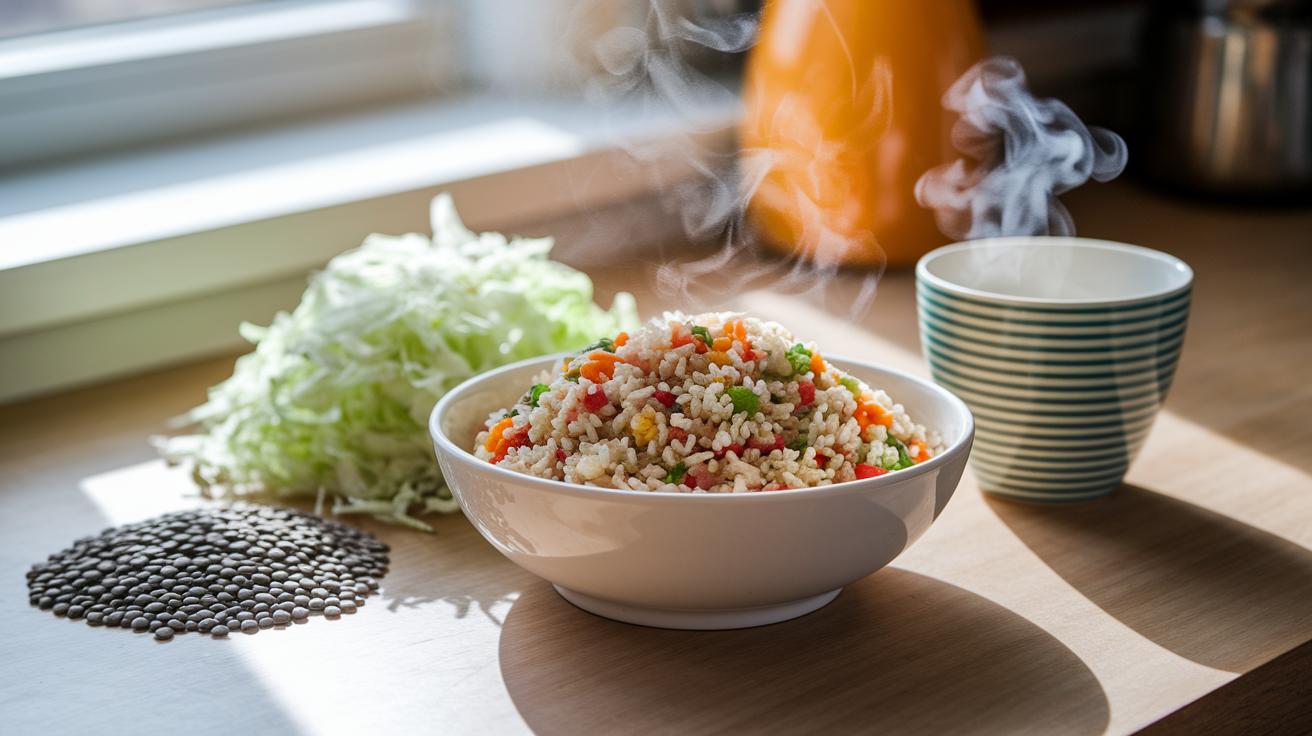
Looking for meals that are both affordable and quick to prepare? These vegan picks cover everything from simple breakfast grabs to easy dinners for busy days. Each option is chosen for its low cost and minimal cooking time, so you can mix and match to create balanced, tasty dishes without stretching your budget.
- Frozen Vegetable Fried Rice: Priced at $3.99 for 12 oz, this dish heats in just 5 minutes in the microwave and is perfect when you're short on time.
- Steamed Lentils (dry): At $2.49 per pound, these lentils cook in about 30 minutes on the stovetop, making a hearty base for soups or salads.
- Organic Shredded Cabbage: This ready-to-eat cabbage is available for $1.99 per 16 oz and is perfect as a crunchy topping or a side dish.
- Oat Chocolate Bars with Crispy Rice: For a sweet snack on the run, these bars cost $2.00 each and are easy to grab and go.
- Mini Vegetable Samosas: A 6-pack goes for $4.49, and they bake in roughly 15 minutes, adding a spicy kick to your meal.
- Frozen Fully Cooked Falafel: For a quick snack or salad addition, these falafel are $5.99 per 9 oz and reheat in just 3 minutes.
- Chicken-less Orange Morsels: Priced at $6.49 per 10 oz, these morsels heat in 5 minutes and offer a flavorful, protein-packed option.
These selections are designed to simplify meal planning while delivering great taste and convenience at every meal.
Vegan Food Products Snack Assortment and Next-Gen Innovations
Traditional Vegan Snacks
Fans still love the classic vegan snacks. Savory treats like zesty popcorn, peanut butter caramel popcorn, marcona almonds, and green ripe pitted olives bring familiar crunch and flavor without breaking a plant-based diet. These snacks work well as a mid-day bite or when paired with a healthy smoothie. They set the stage for a growing variety of vegan snack options.
Novel Frozen Vegan Treats
Fresh frozen treats are adding new textures and tastes to the scene. Oat milk ice creams deliver a smooth, cool twist for dessert lovers. Cocoa alternative bars made with carob offer a rich, chocolate-like flavor while skipping dairy. Plant-based Nutella-style spreads give toast, muffins, or fruit dips an extra touch of indulgence without guilt. Consumers are exploring these desserts that blend health with a treat feel. For more on these ideas, check out snack innovations (https://matpple.com?p=794).
Artisanal & Functional Bars
Snack makers are rethinking bars with creative touches and added benefits. New bars mix fruit jellies made with pectin, protein blends from pea and rice, and even non-dairy chocolate versions with crispy rice for extra crunch. These bars not only taste great, they also pack in superfoods and functional ingredients like probiotics and adaptogens (substances that help the body balance stress). With clean labels and eco-friendly packaging, these products answer the call for transparency and sustainability. See more on innovative snack packaging trends (https://matpple.com?p=836).
Vegan Food Products Shopping Guide: Retail, E-Commerce, and Subscription Services

Major retailers are still a top source for vegan food. Trader Joe's carries over 50 vegan items, while stores like Whole Foods and Kroger offer a wide range of choices. Health-food co-ops and local brands fill niche needs, and neighborhood health stores and farmers' markets serve fresh, seasonal produce.
Online shopping for vegan products is booming. Big sites like Amazon now feature curated vegan markets that make meal planning a breeze. You can easily compare products and check reviews to find your favorites with just one click.
Subscription boxes are growing in popularity. Many services deliver vegan meal kits and snack boxes every month, costing between $29 and $45 per box. These boxes let you try new products and recipes without the hassle of extensive shopping.
Warehouse clubs provide bulk options for staples like beans, grains, and plant milk. Buying in bulk saves time and money, and new sourcing directories help both home cooks and food businesses find the best prices.
Each shopping method has its own benefits. This guide helps you choose whether you need everyday essentials or innovative, premium vegan products.
Strategic Meal Planning and Pantry Must-Haves for Vegan Food Products
A simple vegan meal plan lets you enjoy balanced, ethical meals without the fuss. A stocked pantry forms the base for quick recipes. Keep canned beans, rice, quinoa, nut butters, plant-based milks, nutritional yeast (a savory, cheesy-flavored supplement), and a range of spices on hand. These staples make meals both hearty and flavorful.
Plan your weekly menu by mixing protein sources, filling grains, and plenty of veggies. For instance, cook a big pot of lentils and quinoa, then freeze portions to toss into soups or salads on busy days. This strategy saves time and cuts down on waste.
Switch your ingredients with the seasons to keep meals fresh and costs down. In winter, lean on robust root vegetables; in summer, use crisp, fresh greens. This seasonal rotation not only boosts nutrition but also takes advantage of local produce.
The right kitchen tools make meal prep easier. A high-speed blender whips up smooth soups and smoothies in a flash. A nonstick skillet streamlines stir-fries, while a tofu press ensures your tofu gets that firm texture you need. And for a fun twist, a spiralizer can turn your veggies into noodle-like strands. A food processor is great for purees, sauces, and crafting vegan patties.
Try prepping batches of lentils or grains at the start of the week and storing them in simple containers. This approach keeps your pantry essentials ready for quick and healthy meals whenever you need them.
With versatile ingredients, handy tools, and seasonal shifts, everyday vegan cooking becomes both easy and enjoyable.
Final Words
In the action, our article broke down key facets of vegan food products. We covered product categories, fresh innovations in meat alternatives, nutritional breakdowns, budget-friendly picks, snack assortments, and practical shopping guides. Each section shed light on what works in the fast-paced world of plant-based cuisine. Small-to-midsize operators can use these insights to update menus, manage inventory, and plan strategic meals. The future looks bright for vegan food products and your restaurant. Enjoy exploring new flavors and possibilities.
FAQ
What food products are vegan and can you provide a list?
The vegan food products list includes whole grains like quinoa and brown rice, legumes such as chickpeas and lentils, meat alternatives like tofu, dairy substitutes including plant milks, and a range of fruits, vegetables, nuts, and seeds.
What are the best vegan food products and brands?
The best vegan food products and brands feature nutrient-rich options like plant-based proteins, dairy-free cheeses, and innovative snacks from reputable companies known for quality and ethical sourcing.
What vegan food products recipes are available?
Vegan food products recipes use staples to create meals like stir-fried tofu with vegetables, hearty grain bowls, and inventive meatless dishes, offering tasty ways to follow a plant-based diet.
How can one source vegan food products wholesale?
Vegan food products wholesale are available through specialty distributors, cooperative outlets, and bulk warehouse clubs that provide grains, legumes, and other plant-based alternatives at competitive rates.
Where can I find the best online vegan grocery store?
The best online vegan grocery store offers a wide selection of organic produce, dairy alternatives, and pantry staples delivered right to your door, making healthy eating both convenient and accessible.
How do I locate a vegan grocery store near me?
A local vegan grocery store provides fresh seasonal produce, plant-based proteins, dairy substitutes, and quick-prep meals, often serving a community-focused shopping experience that meets daily dietary needs.
What is considered the most popular vegan food?
The most popular vegan food often includes versatile staples like seasoned tofu, plant-based meat alternatives, and nutrient-packed whole grains that enjoy widespread appeal with both new and longtime vegans.