

Ever wonder if a restaurant can help save the planet? New eateries show that great food and caring for nature can go hand in hand. With 78% of US consumers favoring green practices, many spots are cutting waste and using energy wisely. They repurpose old materials and design lean kitchens that are both modern and kind to the Earth. These smart ideas prove that a thoughtful, eco-friendly restaurant can feed people while lowering costs and reducing environmental impact.
Sustainable concepts in new restaurant openings shine
Restaurant owners are launching eco-friendly eateries that put sustainability front and center. With 78% of US consumers favoring sustainable practices, these new spots catch attention by cutting construction waste and lowering energy use. The goal is clear: create spaces that look great and care for the planet.
They use smart, practical strategies to keep kitchens lean. Zero Waste plans cut trash with careful planning, Leaf to Root transforms food that might be thrown out, and Nose to Tail makes sure every part of meat is used. These methods not only save money but also make every ingredient count.
By building on these green principles, restaurateurs craft dining experiences that feel fresh and responsible. This approach attracts community-minded diners and gives new restaurants an edge with lower costs and a healthier impact on the environment.
Green Building and Design for Sustainable Restaurant Openings

A new container-based restaurant opened on April 8, 2025. It shows how reusing old shipping containers can lower new construction material use by 60%. This means less waste and lower costs. Restaurateurs are opting for designs that use materials already on hand. They build light, flexible structures that work well for local markets. The small size of container builds also cuts land use and makes setting up easier, which eco-friendly business owners love.
These green building methods cut down on waste at the site and speed up construction time. New restaurants get a boost in staying competitive while saving on operating costs.
Key green building materials include:
- Repurposed shipping containers
- Modular prefab units
- Reclaimed timber and steel
- Green roofs and living walls
Choosing smart, sustainable strategies means mixing practicality with style. Repurposed shipping containers reduce raw material expenses and give a ready-made, weather-resistant shell at a fraction of the cost. Modular prefab units allow for quick builds and easy layout changes. Reclaimed timber and steel add a rich, time-worn look without causing more deforestation. Green roofs and living walls save energy and cool the space naturally. These design choices help new restaurants launch with a clear eco-friendly impact that connects with community-minded customers.
Energy Efficiency and Clean Energy Solutions for New Restaurant Openings
New restaurant owners are finding clever ways to lower their energy bills. They are using container-based builds that can cut heating, cooling, and lighting costs by as much as 30%. These designs use space more efficiently and insulate better than traditional setups. The savings let owners spend more on quality ingredients and skilled staff.
Clean energy technology adds another boost to cost savings. Many restaurants now install rooftop solar panels that can cover around 25% of their annual electricity use. Some also add microgrid systems, small, on-site energy setups, to produce their own power. These choices reduce reliance on the main grid and build a strong green profile that appeals to eco-conscious customers.
The money saved on energy quickly adds up. Restaurants using these clean energy methods often see a fast return on their investment through lower utility bills and smoother operations. The cycle of saving money and cutting carbon footprints creates a healthier business model. Owners can reinvest profits in more sustainable practices, making clean energy a key part of their long-term strategy. In short, smart energy solutions fuel future restaurant success.
Zero-Waste and Circular Waste Systems in Sustainable Restaurant Openings
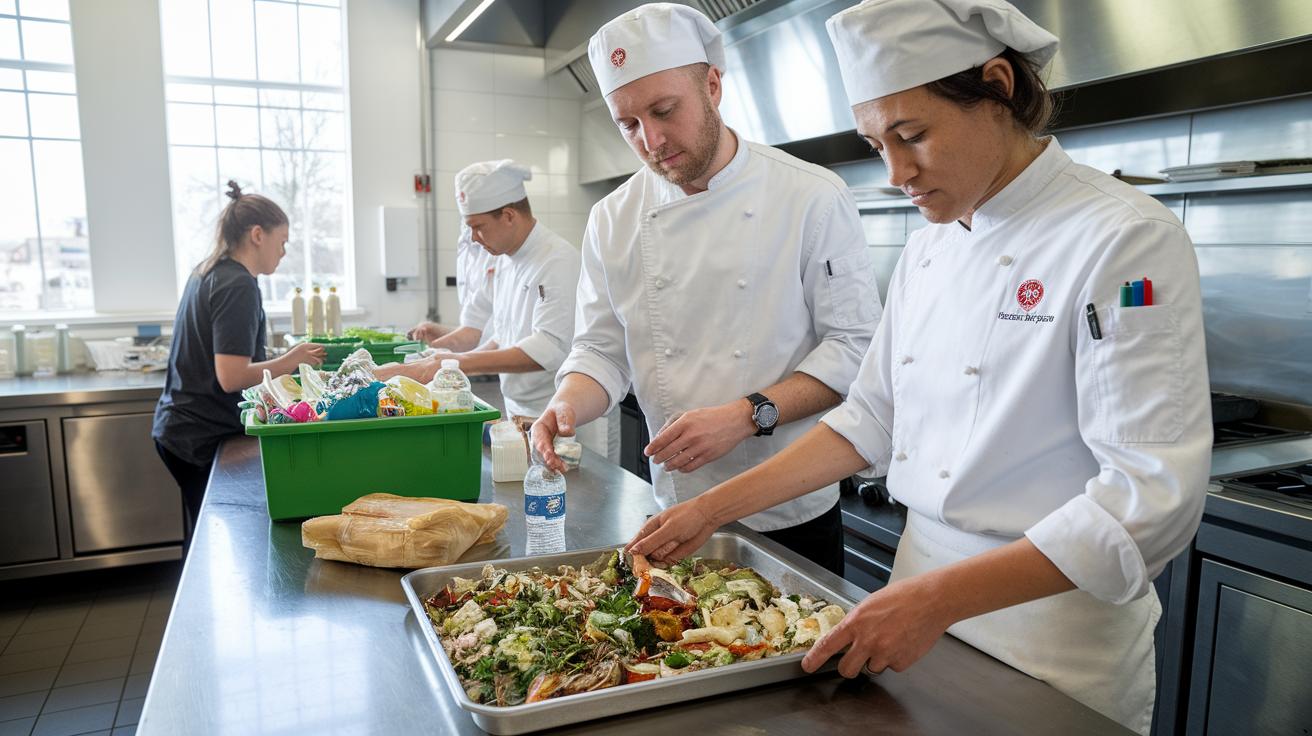
Restaurants are now using every kitchen scrap to cut waste and lower costs. They blend traditional methods with smart tricks, like turning vegetable trimmings into compost and converting extra bread into crispy crackers served with a signature spread.
Kitchen teams use every part of an ingredient to create fresh dishes. They follow "leaf to root" and "nose to tail" methods, turning unusual parts of produce into unique sauces and using meat off-cuts for rich stocks and terrines.
Zero Waste Practices
Chefs plan carefully to stop waste. They separate vegetable scraps for compost and donate surplus ingredients to local food banks. They also transform leftovers into new recipes, such as turning stale bread into a crunchy cracker with a special spread.
Leaf to Root Cooking
Cooks now include parts of fruits and vegetables that are usually tossed out. They use items like banana peels and fruit casings to make bright, flavorful sauces and infusions. They always check for and remove any spoiled portions before using these ingredients.
Nose to Tail Utilization
In meat preparation, nearly every part of the animal is put to use. Off-cuts and by-products, which can make up a big chunk of the animal, go into making stocks, terrines, and hearty stews. This approach creates unique, full-use dishes while cutting waste.
Sustainable Menu Design for New Restaurant Openings
Restaurant founders are now focusing on eco-friendly sourcing when designing their menus. They choose local ingredients that come from nearby farms and producers. This cuts food miles and builds strong community ties. It also meets the rising demand for ethical choices while supporting local economies. For extra layout tips, check out eco-friendly restaurant menu design tips (https://matpple.com?p=763).
About 30% of diners are flexitarians who prefer plant-based dishes. Chefs are crafting menus that feature seasonal fruits and vegetables to lower carbon footprints while serving fresh, balanced meals. This nature-focused approach appeals to health-conscious guests and reinforces sustainable practices in every dish.
Cost factors also play a role in early-stage chef ventures that embrace sustainability. By using local, in-season ingredients, operators keep expenses in check and reduce waste. This smart method builds a loyal customer base and helps stabilize prices against the ups and downs of long supply chains. For more ideas on using seasonal ingredients effectively, visit sustainable menu planning with seasonal ingredients (https://matpple.com?p=778).
Eco-Conscious Supply Chain and Sourcing Strategies for New Restaurant Openings
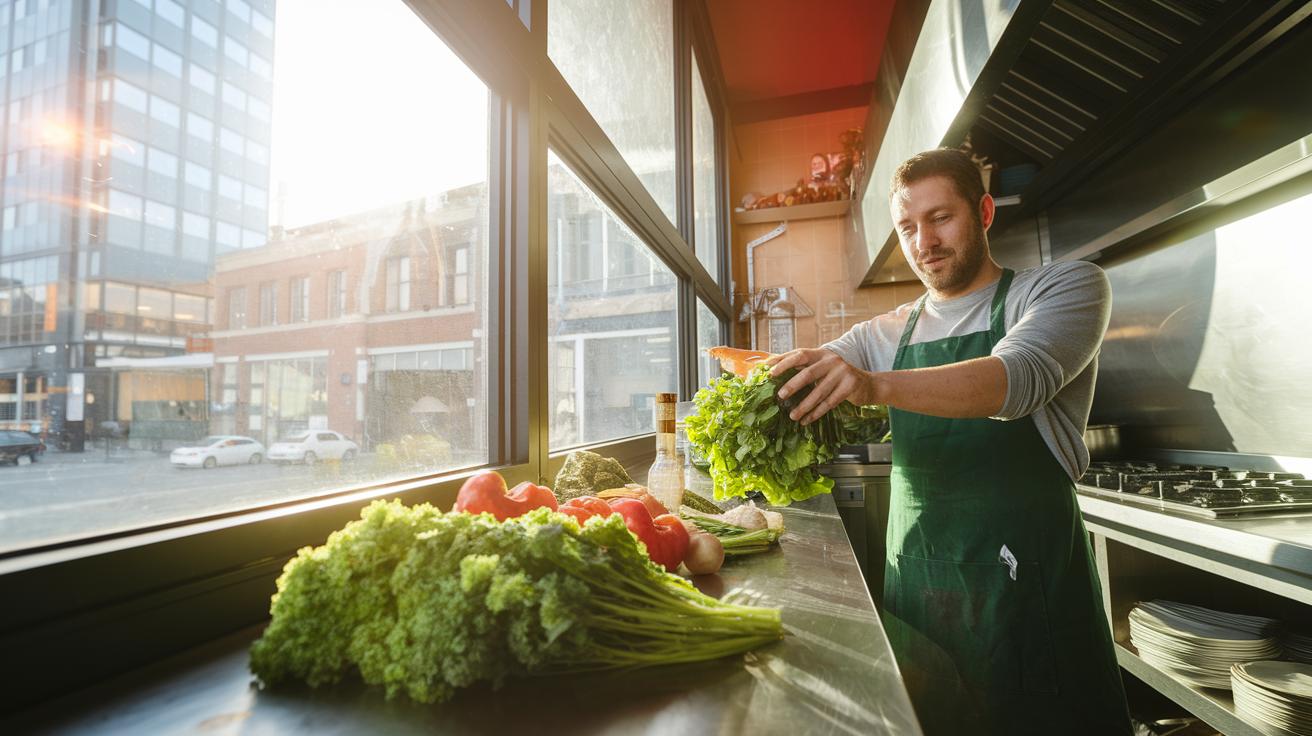
Restaurant owners are teaming up with nearby farms and regenerative growers. They work together to get a steady supply of fresh ingredients while helping local ecosystems recover. This close bond makes each new restaurant a lean, community-focused spot that cares for both people and the planet.
By choosing regenerative producers, these restaurateurs cut out long supply chains. This approach shortens food miles and helps lower emissions by about 20%. It means a restaurant can launch with a green edge, matching daily operations with smart, eco-friendly practices.
New restaurant openings are also ramping up waste-sorting methods. They now recycle or compost up to 50% of what comes in. This smart waste strategy not only cuts down on trash but also keeps the kitchen running smoothly, setting a clear standard for sustainable dining practices.
Innovative Technologies and Digital Tools for Sustainable Restaurant Openings
Restaurant owners are now using AI and automation to boost both sustainability and efficiency. They are using smart systems that match ingredient orders to real-time needs. In fact, 45% of adults between 18 and 34 say they are curious about AI in foodservice. This technology speeds up service and cuts waste by using resources wisely and streamlining kitchen work.
Digital platforms also help reduce waste and fine-tune orders. Food-waste tracking software can cut spoilage costs by 20% by offering live insights. This lets managers change orders quickly and avoid making too much food. Digital order systems can lower paper waste by 80%. These tools help staff track supplies better and support greener practices.
Virtual kitchen models are another innovation. They offer a lean setup that cuts overhead while focusing on delivery. Since these kitchens use less space and energy, operators can invest savings in sustainable practices. By doing away with costly dine-in spaces, restaurants lower their carbon footprint and boost efficiency. This modern format meets today’s consumer needs and paves the way for eco-friendly growth.
Case Studies of Successful Sustainable Restaurant Openings
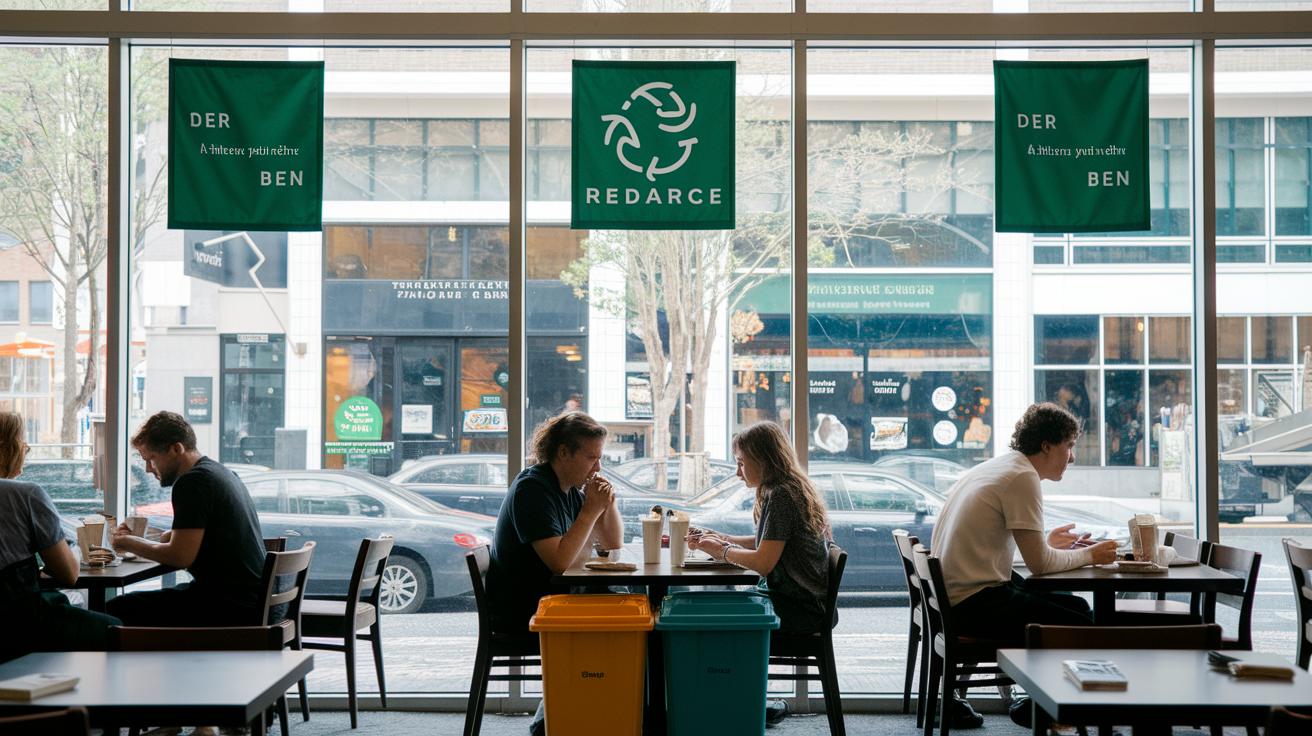
Real-life examples show that green ideas are changing the way restaurants open and run. Restaurateurs are mixing quick setups with eco-friendly practices to achieve great results. They reuse materials, cut waste, and get creative with every ingredient. This smart approach helps lower costs and lightens the load on the environment.
- Container Café uses repurposed modules for a fast build, cutting material use by 60%.
- Zero Waste Bistro slashes waste by 70% with compost systems and community partnerships.
- Organic Farm-to-Table Eatery saves 25% on ingredient costs by working with local harvests.
These stories prove that speeding up the build with sustainable methods can boost profits right away. The container café, launched in just six weeks in April 2025, shows how switching to eco-friendly methods cuts down on new material needs and reduces waste. Similarly, the Zero Waste Bistro uses every part of the food to cut kitchen waste and builds strong local bonds. The organic eatery directly sources ingredients, trimming costs while keeping the menu fresh and competitively priced. Each case offers a clear plan for restaurant owners who want to mix environmental care with smart business moves.
Final Words
In the action, we covered core sustainable concepts in new restaurant openings. We highlighted eco-friendly design, energy-saving ideas, and waste reduction practices. We also detailed approaches like eco-focused menus, local sourcing, and smart tech solutions that streamline operations. Real case studies show how these sustainable concepts in new restaurant openings make a practical difference. Each strategy can help shape your operations for long-term success with less waste and smarter use of resources. The future is green, and these steps pave the way for a cleaner, profitable kitchen.
FAQ
What are some modern restaurant concepts and ideas?
The modern restaurant concepts involve fresh themes and sustainable designs. They blend eco-friendly building, zero-waste kitchens, and unique menu ideas to create innovative dining experiences.
Where can I find a restaurant concept presentation PDF?
The restaurant concept presentation PDF outlines creative and sustainable design ideas. It offers a clear format for industry professionals to understand the vision, operations, and eco-friendly strategies of the concept.
What are the sustainable solutions for restaurants?
The sustainable solutions for restaurants include energy-efficient operations, zero-waste practices, green building materials, and local sourcing. These strategies aim to reduce waste, lower costs, and create a healthier dining environment.
What is the 30/30/30/10 rule for restaurants?
The 30/30/30/10 rule for restaurants allocates focus on balanced elements in operations. This guideline distributes efforts between food quality, energy savings, sustainable sourcing, and innovative practices to support overall performance.
What are the three C’s in a restaurant?
The three C’s in a restaurant refer to cost control, customer care, and culinary creativity. They provide a framework for managing expenses, ensuring excellent service, and delivering memorable dishes.
How do you create a new restaurant concept?
Creating a new restaurant concept means mixing creative design with sustainable practices. Begin by assessing local trends, customer needs, and operational costs to build a unique, practical, and appealing dining brand.