

Have you wondered how a market's schedule can transform a community? In 2025, MetroMarket switched strategies by opening six days a week and doubling its capacity. This move has boosted the supply of fresh groceries and helped thousands of local families fill food gaps. With new store locations and mobile produce trucks serving neighborhoods, residents now have better access to affordable, healthy foods. This post shows how these changes are driving success and reshaping our community's eating habits.
Current Metro Food Market Developments Overview
MetroMarket made a big change in 2025. It moved from a seasonal schedule to running six days a week all year. The market now has double the capacity and reaches thousands more families in the bi-state region. Local news outlets like Fox2Now report that this change aims to reduce food gaps in St. Louis by delivering fresh groceries to underserved areas. Think of it like opening extra lanes during rush hour, more capacity means smoother service for everyone.
Operation Food Search (OFS) made news by opening the first MetroMarket location in Illinois. St. Louis Magazine featured the launch on September 11, 2025. This event marks a clear step toward expanding metro food access beyond old boundaries. The move shows a focus on community-driven plans that provide both affordable groceries and a model for future market growth.
In August 2025, Jackie Joyner-Kersee teamed up with the Food, Agriculture, Nutrition Innovation Center to start produce trucks in East St. Louis. This mobile market brings fresh, affordable produce right to neighborhoods. It underlines MetroMarket's strong commitment to community health and urban food innovation. This joint effort shows how local market trends and new culinary ideas can work together to spark further growth in neighborhood markets.
Metro Food Market Service Expansion: Year-Round Operations & Capacity Growth
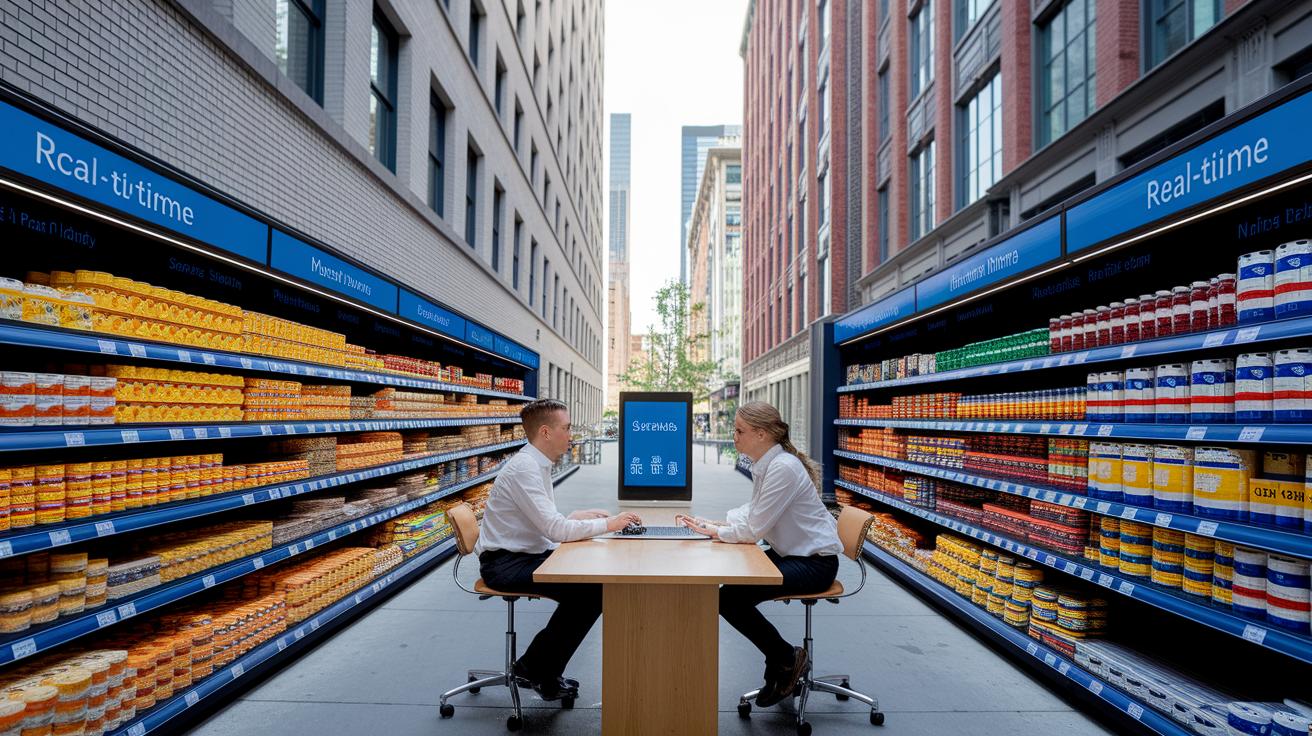
MetroMarket is moving from a seasonal setup to a steady six-day schedule while doubling its service capacity. The team uses smart tech like real-time inventory tracking and digital scheduling to meet what the community needs. This new system helps them update stocks fast during busy times and improves access for neighborhoods that need it most.
The nonprofit leaders (EIN 43-1241854) use data tools to boost supply chain efficiency and choose the best products for the community. These tech upgrades ensure the store evolves with what locals want, leading to happier customers and more families getting served.
- Operating days per week: 6
- Capacity increase: 2×
- Additional families served: thousands
- Nonprofit governance: EIN 43-1241854
Strategic Partnerships & Community Outreach in Metro Food Market Developments
OFS has ramped up its game with fresh updates to its initiatives. Custom-built produce trucks, delayed for two years, show a strong dedication to quality and careful planning. These mobile markets bring fresh produce directly to communities that need better access.
The new timeline and smart design highlight how well-planned partnerships boost local food access. This update makes clear how thoughtful planning leads to real change in underserved areas.
| Partnership | Date | Details |
|---|---|---|
| OFS MetroMarket Illinois | September 11, 2025 | Launched first Illinois location; featured in St. Louis Magazine |
| Jackie Joyner-Kersee & FDA Innovation Center | August 2025 | Introduced produce trucks in East St. Louis |
| Custom MetroMarket Truck Initiative | 2025 | Faced a two-year delay before the rollout |
| Community Mobile Outreach | 2025 | Delivers affordable, fresh produce to food deserts |
These details provide a clearer picture of how adaptive planning and strong partnerships continue to widen MetroMarket's impact on local food access.
Funding & Financial Support Fueling Metro Food Market Developments
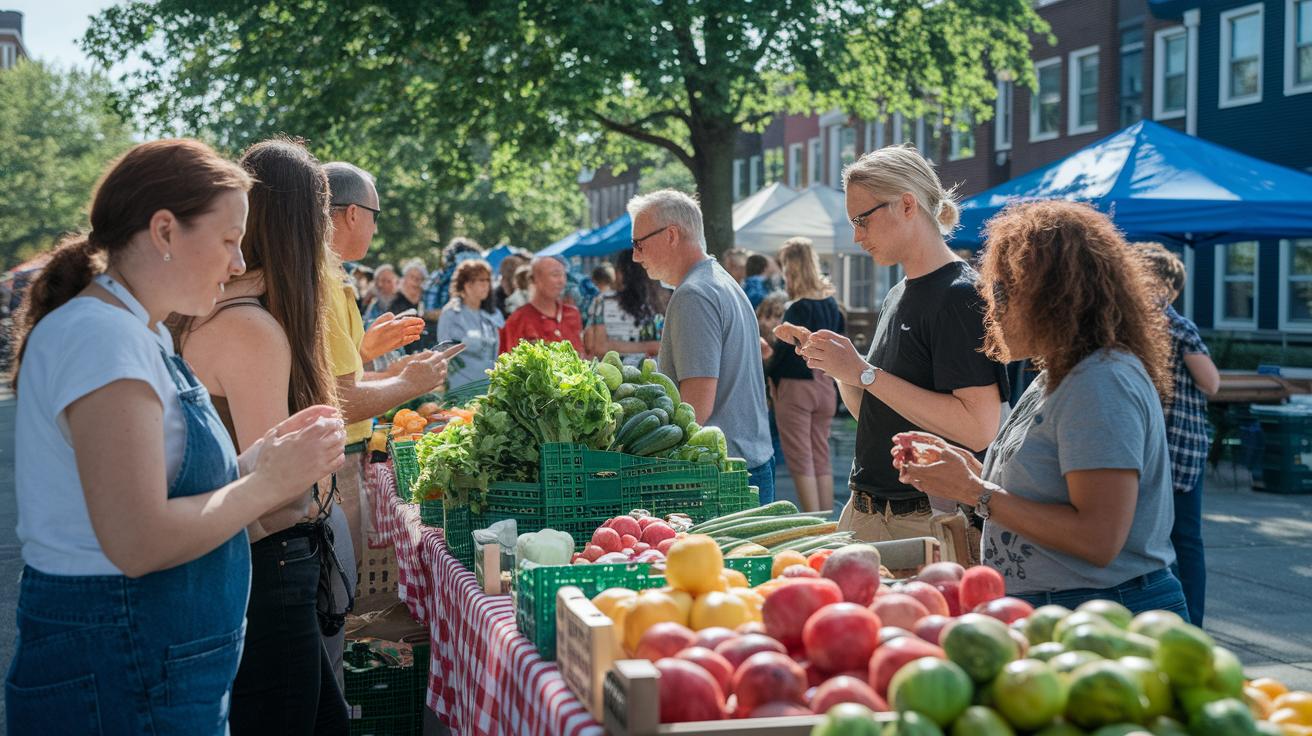
MetroMarket is getting a fresh boost from new funding that brings healthy food to local communities. A $75,000 grant from the Bayer Fund is making it easier to reach areas that need better food access. The money helps expand programs that serve these neighborhoods.
A $15,000 donation from Schnuck Markets, Inc. further strengthens the market’s work. MetroMarket’s nonprofit status opens up more chances for community partnerships. This funding supports projects like child nutrition programs and teaching kitchens that guide people toward healthy lifestyles.
The funds also back food-as-medicine projects that connect fresh food with better health outcomes. This support not only improves current services but also builds a solid plan for future community health and growth.
Leadership & Recognition in Metro Food Market Developments
Quinton Ward, MetroMarket's senior manager, recently earned a feature in FEAST Magazine for his creative work revamping mobile market strategies. His role is shaping urban food trends by making fresh produce more accessible to city residents. Named one of 40 Next City Vanguard Fellows, Ward's recognition underlines his leadership in food access and boosts trust in the program.
His work digs deep into real consumer habits and urban shopping trends that are reshaping the market. Local outlets have praised his hands-on approach that blends mobile markets with traditional grocery stores, meeting new consumer habits head on. His achievements prove that smart planning can refresh community food access and spark further changes in the metro food scene.
Distribution, Branding & Innovation in Metro Food Market Developments

Food brokers play a vital role in Metro Foods Advantage supermarket distribution. They act as middlemen between food producers and retailers, helping fresh, affordable products reach stores quickly and in the right condition. This means stores get quality items on time, and producers must stay flexible to keep up with market demands.
Retail presentations make a big impact on product visibility and sales. A strong demonstration shows shoppers what makes a product stand out and feel fresh. These straightforward displays help store managers quickly see a product's benefits, boosting its placement on busy shelves. This process builds trust among both buyers and sellers.
Smart branding is key for success in competitive city grocery markets. Retailers use clear, consistent packaging and messaging to catch the eye of busy shoppers. Producers work hard to update and improve their branding to not only signal quality and freshness but also to create a personal connection with consumers. Focusing on strong branding and innovative displays drives success and shapes the future of food distribution.
Future Outlook for Metro Food Market Developments
Digital and mobile platforms are set to keep metro food markets busy. Retailers now use data and smart grocery tools to streamline inventory, pricing, and customer service. In short, these trends mean communities will soon enjoy fresher groceries thanks to modern tech.
New smart grocery methods blend real-time analytics with digital retail. Urban food trends show a shift toward systems that speed up shopping and quickly adjust to customer needs. As more neighborhoods adopt these tech-based tools, expect extra services like custom nutrition advice and food-as-medicine programs.
Forecasts point to steady growth driven by creative strategies. Advanced mobile apps and digital tools continue to reshape the grocery experience. Ultimately, merging smart tech with local know-how promises healthier communities and more efficient retail for everyone.
Final Words
In the action, metro food market developments have redefined urban dining with expanded operations and creative community strategies. The blog covered operational shifts like year-round service and capacity doubling that empower thousands of families.
Strategic partnerships have extended fresh produce access and bolstered local initiatives through effective funding measures. Leadership recognition and innovative distribution continue to drive success.
These trends signal a bright outlook for the market and remind us that smart change brings lasting impact.
FAQ
What are the recent Metro food market developments in 2021 and 2023?
Metro food market developments in 2021 and 2023 include switching to a six-day schedule, doubling capacity, and launching mobile produce trucks to better serve food deserts.
What locations does the Metro Market serve, including the St. Louis Metro Market?
Metro Market spans several urban areas with a focus on community needs. The St. Louis Metro Market and additional outlets, like the Illinois location, highlight its growing local presence.
What services do the mobile market food pantry and Metro food truck provide?
The mobile market food pantry and Metro food truck service deliver fresh produce and grocery essentials directly to neighborhoods facing food access challenges.
Where can I find St. Louis Metro Market photos?
St. Louis Metro Market photos are available in local media and social channels, showcasing community events, store activities, and staff efforts in serving their neighborhoods.
What company owns Metro Market or Metro grocery?
Metro Market is managed by a 501(c)(3) nonprofit organization known for transparency, and it is not owned by a large retail conglomerate, keeping its focus on community service.
Are Metro and Food Basics owned by the same company, or is Metro Market part of Kroger?
Metro Market is independent from Food Basics and is not part of Kroger. Each brand operates separately, ensuring distinct approaches and community-focused missions.