

Are rising costs and tough quality checks weighing on your food business? A tailored ERP system for the food industry could be the game changer you need.
This smart tool helps you manage inventory, track recipes, and meet strict safety standards all in one place. It links purchasing, production, and shipping, acting like a digital safety net that keeps your operations on track.
With an ERP system, food makers can smooth out their processes and maintain high quality, even as the market shifts fast. Discover how this technology can help you cut costs and boost efficiency today.
ERP for Food Industry: Elevating Quality Management
Modern ERP systems help food makers tackle big challenges like rising raw material costs, perishable inventory, and supply chain hiccups, all while keeping up with strict food safety rules. They act as a single hub for buying, making, and shipping products, and they handle quality checks and compliance easily.
These systems offer handy modules for tracking recipes, managing shelf-life with the FEFO method (first-expired, first-out), and auto-generating safety reports for standards like FSMA and HACCP. They even include quality checkpoints like Certificate of Analysis tracking, acting like a digital auditor to ensure each product meets safety standards. Real-time inventory control keeps track of ingredients, much like checking the freshness of items in your own kitchen.
Dashboard analytics and inventory tools round out these features. Food makers can monitor production trends, review compliance info, and adjust operations quickly for better margins. This all-in-one approach cuts out fragmented systems and manual entries, giving a clear view of the entire supply chain. With precise data on quality, lot traceability, and regulatory reporting, ERP systems empower producers to make fast, smart decisions and boost overall quality management.
Deployment Strategies for ERP in the Food Industry

Food processing plants face tough choices when picking an ERP system. They can choose options that match their needs and simplify daily operations. Cloud-based systems let you scale easily and work remotely, helping you move quickly into digital operations. On-premise systems keep data on-site, giving you strong control and meeting strict security needs. Hybrid models mix the two approaches for flexibility while keeping risks low during migration.
Studies show up to 75% of ERP projects fail if they skip a phased plan. That means testing the system in stages is key.
- Cloud-based ERP: Scales with your business and offers remote access for smooth digital integration.
- On-premise ERP: Puts you in full control of your data, perfect for tight security and compliance.
- Hybrid ERP: Combines the strengths of cloud and on-premise, offering flexibility and reduced migration risks.
Many companies, like Lidl and Haribo, have shown that a careful rollout using pilot tests and staged implementation minimizes disruptions. Having dedicated change-management teams to guide staff through new processes is essential. By rolling out the system in phases and checking performance often, you catch issues early and set your operations up for success.
Ensuring Scalability and System Integration in Food Industry ERPs
ERPs act as the central hub for tasks like buying supplies, managing money, HR, production, and shipping. Smaller systems like Deacom and Sage X3 offer a plug-and-play setup so food processors can choose the features they need now and add more as they grow. Big systems like SAP S/4HANA and Infor CloudSuite help large companies manage operations in many locations with ease. They also connect with financial tools like SAP Business One and QuickBooks and use custom add-ons to keep data clean and in sync, reducing the need for frequent upgrades.
Scalability means that as a food business grows, its ERP can grow too without needing expensive overhauls. Modular design lets companies add new functions, like better inventory controls or extra compliance reports, as needed. Strong integrations keep the system up to date with new rules and changing operations. For example, a food manufacturer can add fresh quality checks without interrupting its whole management system. This streamlined setup ensures production stays safe and efficient while keeping future costs low.
Comparing Leading ERP Solutions for the Food Industry
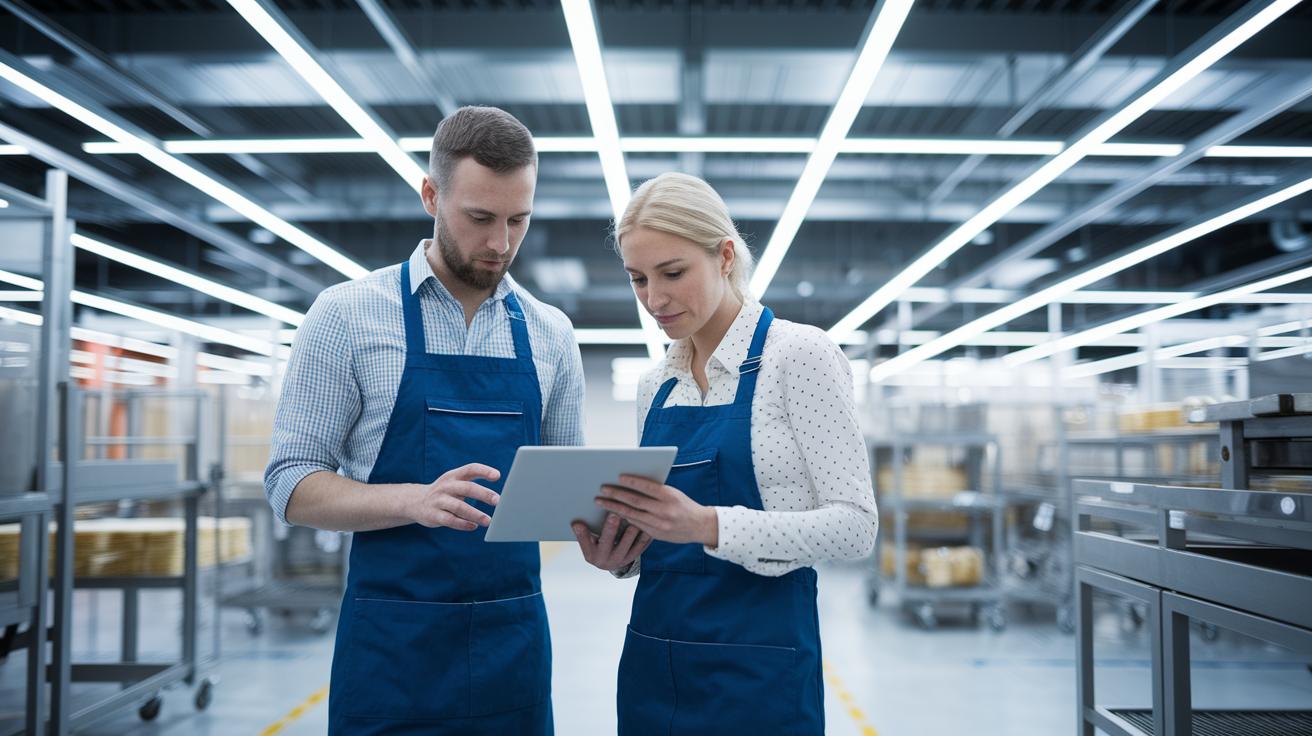
Food makers need ERP systems that simplify tasks and improve quality checks across their operations. By looking at top vendors, companies can pick a system that fits their production needs and regulatory rules. Each option comes with different setup choices and features like traceability, compliance, and real-time data updates.
| Vendor | Deployment Options | Key Industry Features |
|---|---|---|
| SAP S/4HANA | Cloud, on-premise, hybrid | Market leader, in-memory HANA database, full manufacturing suite |
| Deacom | On-premise, cloud | Unified Essentials/Enterprise editions, built-in compliance modules |
| Aptean | Cloud-based | Microsoft Cloud details since 2019, rapid food-sector growth |
| Plex Cloud Manufacturing | Cloud-based | Live shop-floor view, quality management, traceability support |
| QAD Adaptive | Cloud-native | Cloud-first ERP with Champion AI, fast setup |
When choosing an ERP system, food makers should look at more than just how it’s set up. It’s important to see if the system handles quality checks, traceability, and compliance well. This quick side-by-side guide shows the strengths of each option and helps companies find a solution that works for current needs and future growth.
Customization, Pricing Models, and ROI for Food Industry ERP
Food industry ERP solutions come with pricing models built for food makers. Sage X3, for example, offers partner-hosted or AWS cloud licenses to help control initial costs. QAD Adaptive uses subscription fees that make scaling more predictable. BatchMaster charges per user or module to fit small and mid-size businesses, while JustFood ERP on Dynamics 365 uses semi-annual update subscriptions. Each option is designed to give companies a cost-effective way to upgrade their operations.
ERP systems show a solid return on investment in several key ways. Many food companies report a 15-20% drop in downtime, meaning smoother production and fewer lost sales. They also complete FSMA and HACCP audits faster, which lowers administrative work and prevents disruptions. With less waste and fewer manual entries, businesses can boost both efficiency and profits. In short, a good ERP system can quickly pay for itself and drive lasting improvements.
Data safety is a top priority for food manufacturers. ERP systems use role-based access so that only authorized staff can view or change sensitive data. These systems also protect information through encryption for both storage and transmission. With built-in audit trails, every change is tracked, ensuring transparency for reviews and regulatory needs. These security measures help safeguard valuable business data and ensure companies meet industry rules.
Real-World Case Studies of ERP in Food Manufacturing

Haribo’s worldwide ERP rollout hit integration delays that risked the entire project. The company fixed these issues by setting up step-by-step training and dedicated change teams. This approach let staff learn the new system in smaller, manageable parts while quickly solving emerging problems. Early users spotted glitches early on, which helped the team tweak processes across the firm. Even big names can face ERP setbacks, and taking it slow can really pay off.
Lidl also faced challenges when its first ERP launch stalled due to rising project requirements that went beyond the original plan. The retailer took back control by switching to a fixed-scope pilot in one region. This focused test environment allowed them to refine the system before a full rollout, reducing risks and keeping the project on track. Lidl’s experience shows how clear limits and solid planning are key during major system changes.
After these changes, the numbers looked good for other food makers. BatchMaster users reported 20% less downtime, which made production run smoother and boosted efficiency. Meanwhile, QAD Adaptive clients finished compliance reports 15% faster, easing the paperwork burden and speeding up audit checks. These cases show that careful planning, testing on a small scale, and strong training programs can lead to big improvements in ERP systems for food manufacturing.
Future Trends and Innovations in ERP for the Food Industry
New ideas are changing how ERP systems work for food makers. They are becoming smarter, faster, and better at handling today's busy demands. These changes could boost how food companies manage quality and run daily tasks.
AI-driven forecasting tools help match production to what customers need. This means less waste and better use of ingredients. Smart sensors keep an eye on the production line so managers can fix problems fast and keep work flowing smoothly. Mobile ERP features let suppliers update data instantly, which improves teamwork in the supply chain.
Simple dashboards give clear tips on product quality and daily operations. And the new software setup makes it easy to add updates and features quickly. All these trends are paving the way for a manufacturing scene that is more agile, efficient, and ready to meet future challenges.
Final Words
In the action, the article breaks down core ERP features that tackle compliance, traceability, and inventory control head on. It outlines deployment models with cloud, on-premise, and hybrid options while sharing real-world lessons from major vendors. Each section shows how food businesses can use an erp for food industry solution to boost efficiency and safety.
The insights aim to help you make smart decisions and keep your operations running smoothly. Stay positive and keep moving forward.