

Could what we eat today change tomorrow? A COP30 survey found that over half of the meals at certain food outlets are now plant-based. New products like the Egg n Easy substitute cut greenhouse gas emissions by more than 90 percent. Even school meals in Catalonia have become greener, showing big wins for the environment over the years. This update explains these fresh innovations and changes in policy that benefit our health and the planet. Every bite matters in our push for eco-friendly dining.
Latest Sustainable Food Practices News Update: Key Highlights
A survey from COP30 in Belém, which looked at 19 food outlets, shows that over half of the meals served are vegan or vegetarian. In these outlets, about 30.1% of the meals are plant-based savory dishes and 47% of the desserts are fully plant-based. This shift matters because plant-based diets use fewer resources and produce less carbon.
CSM Ingredients Group has developed the Egg 'n Easy substitute, an innovation that cuts CO₂ emissions dramatically. While a typical liquid egg produces 4.54 kg CO₂ per kg, this new substitute only produces 0.38 kg CO₂ per kg. That means it lowers greenhouse gas emissions by 91%. Even common ingredients can make a big difference.
In Catalonia, Spain, new guidelines for school meals show a promising trend. Updated school meal plans reduced environmental impact by 9% in 2012, 22% in 2017, and a striking 40% by 2020. These improvements were measured using 16 sustainability indicators, including water use, energy consumption, and waste production.
A new toolkit from COP30 offers public institutions clear policy options for healthier and more sustainable diets. More than 100 stakeholders and seven MEPs have signed the Belém Declaration in support of plant-forward diets. This rapid wave of new ideas and policy changes points to a future with eco-friendly cuisine, greener farming practices, and climate-smart dining choices.
Policy Developments in Sustainable Food Practices News Update

The USDA is writing new rules to bring back whole milk in school meals under a 2018 law. This change could give kids a familiar choice while meeting their nutritional needs.
Budget cuts have hit nutrition education hard. For instance, SNAP-Ed funds are gone in states like Colorado. With fewer resources, schools may struggle to teach balanced diets to all students.
Congress is now debating whether to extend the 2025 Farm Bill and reduce support for farmers. Lawmakers are under pressure to balance economic aid with sustainable practices. At the same time, pesticide companies are lobbying against PFAS limits in Maine and Maryland, showing clear industry resistance to new environmental rules.
Over in Europe, the European Ombudsman has launched an inquiry into delays with the Sustainable Food Systems Law, a key part of the Farm to Fork strategy. A recent briefing from ProVeg UK criticizes the UK Good Food Cycle when compared to similar efforts in Germany, the Netherlands, Spain, and Denmark. These policy moves highlight the challenge of linking food policy with environmental care and fair farm support.
Innovative Technologies in Sustainable Food Practices News Update
Farmers are using community agrivoltaics and on-farm solar power to fight floods, droughts, wildfires, and storms. A single agrivoltaic project can reduce reliance on traditional energy and protect farms from harsh weather. This smart approach lowers electricity bills and cuts the environmental impact of farming.
At COP30, researchers spotlighted seaweed farming as a breakthrough. This method boosts carbon capture and helps remove extra nitrogen, reducing greenhouse gases and naturally cleansing water. It shows how blending nature with tech can drive sustainable changes.
New Wave Biotech now offers a Life Cycle Assessment tool that checks energy use, water consumption, and overall resource impact in real time. This gives producers quick insights, so they can make on-the-spot tweaks to improve sustainability.
A Bühler study at Networking Days 2025 found that in 11 out of 15 customer value chains, farms could cut energy, waste, or water use by at least 50%. This clear data roadmap helps farmers and businesses see how today's tech investments build a stronger, greener food system.
Corporate Strategies in Sustainable Food Practices News Update
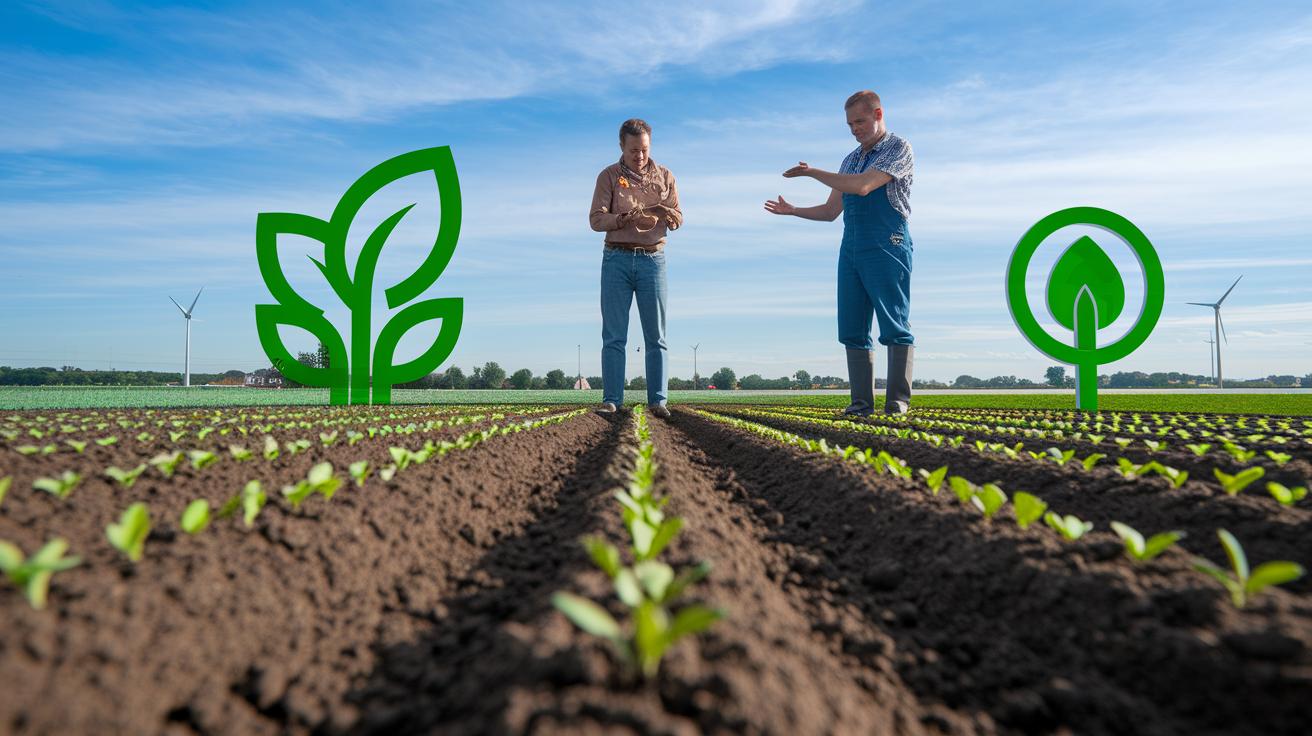
PepsiCo is boosting its spending in regenerative agriculture programs that help improve soil quality and lower carbon emissions. This move not only makes the supply chain work smoother but also gives farmers new tools to manage their resources more sustainably.
A big Swiss food company has pulled out of the Dairy Methane Action Alliance. By doing so, it shows a clear commitment to reaching net-zero emissions by 2050 and cutting down on methane. This decision highlights the company’s focus on reducing waste and taking corporate responsibility seriously.
Lidl GB is also moving forward with sustainability. The chain recently added a Live Well logo that fits with the Planetary Health Diet and follows strict nutrition guidelines. This new label makes it easy for shoppers to spot products that are both healthy and eco-friendly.
In addition, several companies, foundations, and industry partners are joining forces to invest in funds that back local farmer groups and help manage risks in regenerative systems. For more on waste reduction efforts, check out Zero Waste Menu Development Strategies.
Community Projects in Sustainable Food Practices News Update
Local groups are making a big difference in food security and community well-being. In New York City, a nonprofit-run community kitchen now serves hot meals and offers nutrition workshops in underserved neighborhoods. This program not only fills bellies but also teaches practical ways to eat healthy, changing lives one cooking class at a time.
Across several cities, urban gardens are expanding to bring fresh produce closer to residents. Neighbors work side by side, planting and harvesting fruits and vegetables. These gardens boost food access and offer a space for community connection, especially when supply chains struggle.
Mutual-aid networks are stepping in to deliver extra crops to families facing shortages. Local advocacy groups have also joined forces with organizations to respond to cuts in farm programs for refugees and immigrants. These grassroot efforts build strong, safe, and fair food systems that help everyone.
Research Findings and Expert Perspectives on Sustainable Food Practices News Update
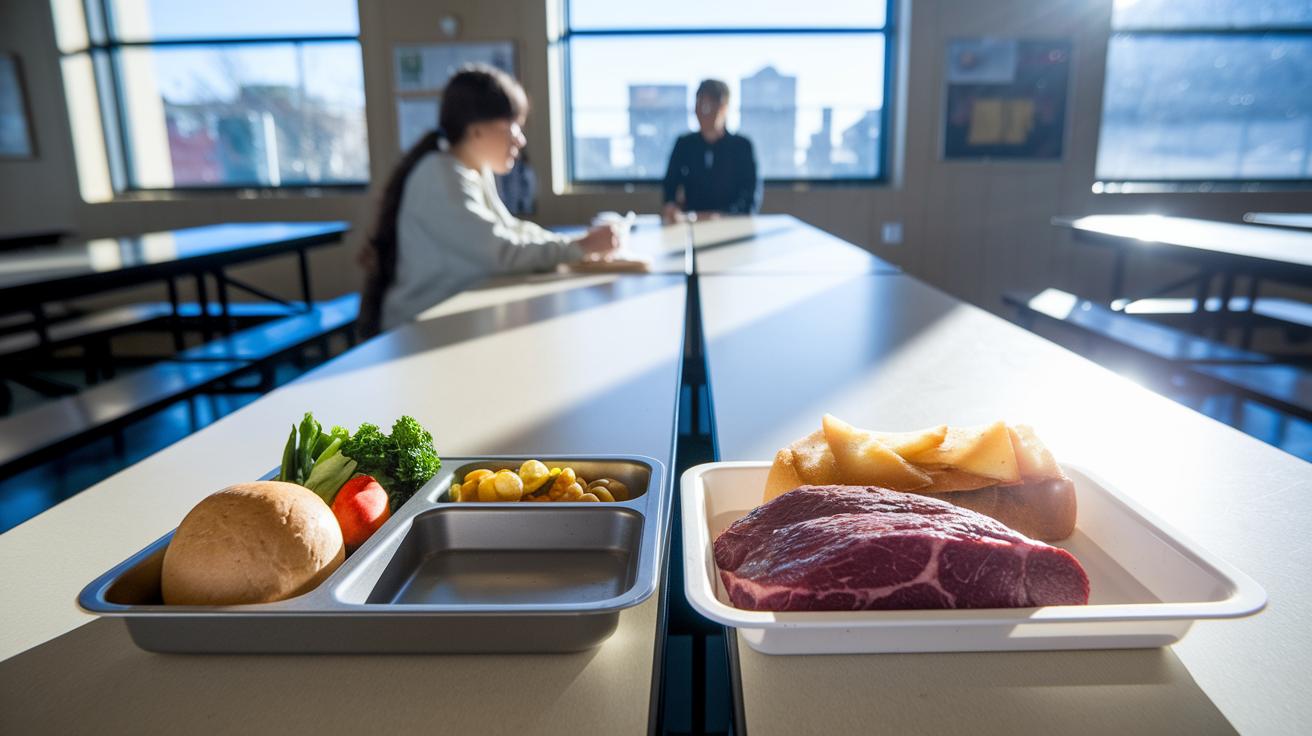
Researchers at the University of Granada found that a vegan diet emits 2.1 kg CO₂e per day, which is 46% less than the 3.8 kg CO₂e from a typical Mediterranean diet that includes meat. The study also shows that plant-based eating uses less water and occupies less land, proving its clear benefits for the environment.
A study on school meals in Catalonia supports this trend. Schools that switched to plant-based menus saw a 50% drop in their environmental impact. This shows that even small changes in large institutions can save a lot of resources over time.
The 2025 EAT-Lancet Commission predicts that if people around the world change their diets, it could prevent up to 15 million early deaths and cut food-system emissions by over 50%. These numbers tell us that what we eat directly affects public health and the planet.
Experts on the Sustainable Food Lab platform share more insights with the Mycorrhizal Theory of Change. One expert said, "Think of mycorrhizal fungi as an underground recycling center that restores soil and cycles nutrients naturally." Another noted, "Healthy soil means stronger crops, which lowers our need for synthetic inputs." These points highlight how restoring soil health can uplift entire ecosystems.
All these studies provide strong evidence for climate-smart dining and pave the way for innovations in organic food practices. For more details, check out Farm-to-Table Menu Design for Sustainability.
Final Words
In the action, the report covers key sustainability news from global events to local projects. The update outlines policy shifts, breakthrough tech, corporate strategies, and fresh community initiatives. Expert research offers practical insights on eco-friendly menus and greener practices. It all helps you make timely decisions that protect your bottom line and the planet. Stay tuned for more sustainable food practices news update to keep driving progress in your restaurant operations.
FAQ
What does Food CPG news cover?
Food CPG news covers updates on consumer packaged goods, highlighting product launches, market trends, and key innovations that affect both retail offerings and consumer choices.
What does Food policy news include?
Food policy news includes insight into regulatory changes, government guidelines, and sustainability efforts that shape industry practices and impact food production and distribution.
What is included in the latest news in the food industry?
Latest news in the food industry features current trends, technological breakthroughs, and shifts in corporate and community practices that drive both traditional and sustainable food systems.
What is the Civil Eats food policy tracker?
The Civil Eats food policy tracker is a resource that monitors policy shifts and regulatory updates, allowing readers to keep pace with changes affecting food systems and public health.
What are food news websites and food industry news magazines?
Food news websites and magazines offer timely updates, detailed analysis, and expert insights on culinary trends, policy shifts, and market developments to keep both professionals and consumers informed.
What does Good Climate News Today report on in relation to food?
Good Climate News Today reports on the environmental effects related to food systems, emphasizing climate-smart practices and sustainable methods that reduce the industry’s carbon footprint.