

Ever wondered if your favorite food labels tell the whole story? They do more than list ingredients. They build trust, guide healthy choices, and follow strict rules that protect you. Clear serving sizes, allergen alerts, and maker details all help keep us safe and informed. This post shows how smart design meets careful rules, proving that every food package can look good and be reliable.
Fundamental Requirements and Compliance for Food Products Labels
Precise labeling is key to keeping consumers safe and opening market access. Clear labels help shoppers see what’s in a product, from ingredients to nutritional details. This straightforward approach builds trust and prevents confusion when picking meals or groceries. It isn’t just about looks, labels must follow strict rules that protect public health.
Accurate labels meet detailed regulations by providing essential information in a clear and steady format. They guide consumers, regulators, and distributors to ensure each product meets safety and packaging standards. Regulatory seals let buyers know a product has passed quality checks with global benchmarks.
- Accurate ingredient listing as required by law
- Standard nutrition facts panel with serving size and %DV
- Clear allergen declarations following FSMA and FIC guidelines
- Net quantity shown in metric and US customary units
- Manufacturer/distributor contact details and regulatory seals
- Production dates and expiration or “best by” indicators
- Legible font size and standardized labeling formats
FDA Labeling Requirements
The FDA requires that nutrition facts panels follow a strict format with accurate serving size measurements and %DV numbers. These mandatory label statements ensure shoppers know exactly what they are eating. Allergen declarations are marked clearly to protect people with sensitivities. In short, the rules make sure every label is easy to read and consistent.
EU and International Labeling Standards
In Europe, the Food Information to Consumers (FIC) regulation calls for clear allergen information and instructions in several languages. This approach helps a diverse group of consumers understand labels. Global quality marks like ISO 9001:2015 and GMI also show that manufacturers meet strict testing and production standards. Together, these standards keep food safe and protect public health around the world.
Today, businesses can use a centralized platform to simplify label creation and ensure compliance. This tool taps into a 500,000-ingredient database to help food producers craft FDA-compliant nutrition labels. An automated system spots allergens and recommends the right nutrition claims so nothing gets overlooked. With a dedicated team watching for guideline changes, companies stay confident that their labels are always up-to-date. Secure data encryption adds another layer of consumer trust and legal compliance.
Manufacturers can also use a comprehensive food safety management system (https://matpple.com?p=691) to handle all aspects of compliance from one place. The system supports over 20 customizable label formats, allowing brands to pick a design that fits them while meeting strict rules. Whether a product is local or international, this platform ensures every label element, from production dates to allergen warnings, is clear and correct.
Essential Elements of Food Products Labels
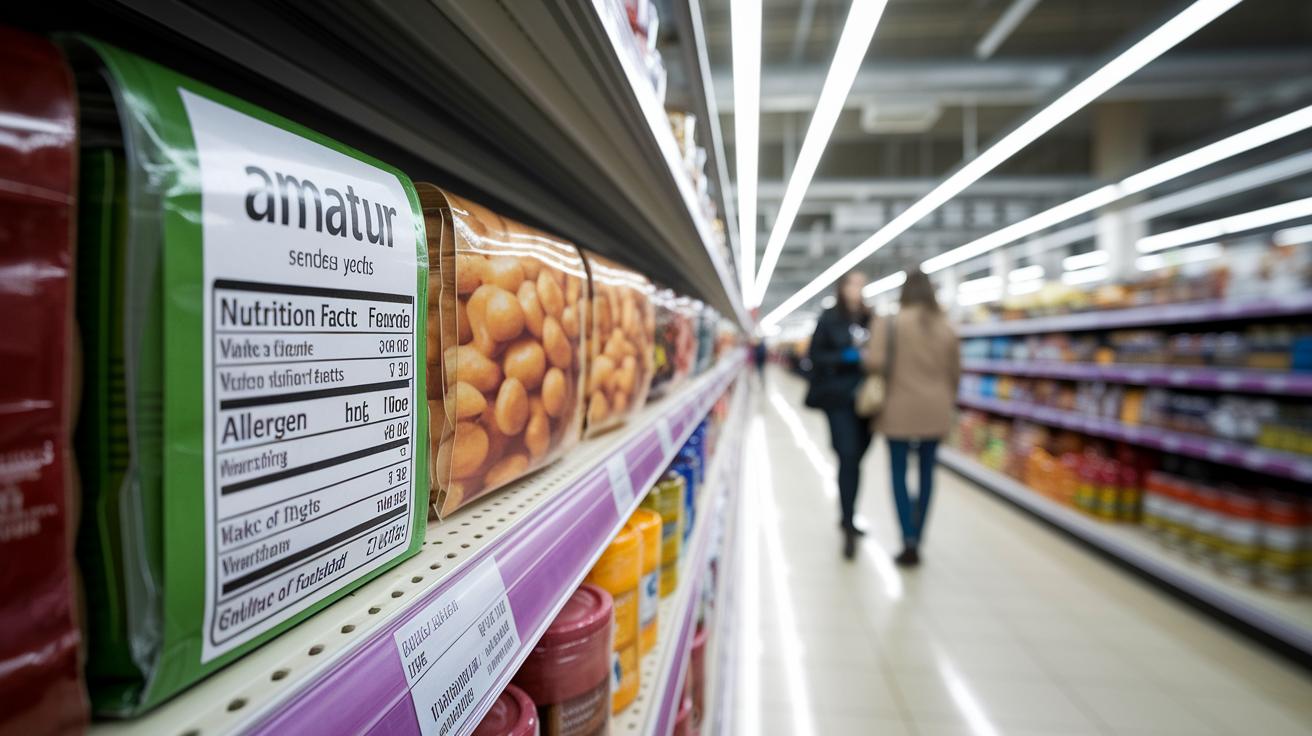
Clear labels let shoppers make safe choices and help brands follow safety rules. They catch the eye on shelves and support quick decisions that boost a product's visibility and trust.
Each part of a label tells buyers what they are getting and keeps products in line with FDA, EU, and other international standards.
- Product Name
- Net Quantity
- Ingredient List (for detailed guidance on ingredient labels, click here: https://matpple.com?p=883)
- Nutrition Facts Table
- Allergen Warnings
- Manufacturer/Distributor Details
- Expiration or “Best By” Date
These elements protect consumers by offering clear, accurate details and meeting legal requirements. The product name and net quantity show what it is and how much there is. The ingredient list and nutrition facts share health and makeup details. Allergen warnings help avoid accidental exposure, and manufacturer information along with freshness dates keeps product quality in check.
Designing Eye-Catching Food Products Labels
Typography sets the tone for a food product's story. Simple, clear fonts make ingredient lists and nutrition facts easy to read. A fun script can add a bit of personality to a custom sticker design. With many design templates and tools available, companies can test different fonts with low minimum orders until they find the right balance of style and clarity.
Color is a key part of a label's design. Brands often use a mix of bright colors that match their identity with neutral backgrounds to keep the text clear. This approach helps labels stand out on busy shelves while also signaling quality and safety.
Images are another important element. Some brands choose a minimalist look with clean lines and subtle patterns. Others go for bold food graphics that catch the eye immediately. The style you pick depends on your market and product, and it can play a big role in influencing shopper choices.
Printing Methods and Materials for Food Products Labels

Choosing the right printing method is vital for food labels that face everyday handling. These labels must stay clear and sharp even after lots of use. Techniques such as direct thermal and thermal transfer offer benefits for short-term and long-term uses alike. Quick turnaround, free digital proofs, and same-day shipping make these methods even more attractive.
High-quality printing boosts a product’s shelf appeal and ensures barcodes scan smoothly at checkout. This precision keeps both retailers and food makers on schedule, avoiding delays or the need for costly reprints. Options include labels on sheets and rolls, specialized shrink sleeve labels, and flexible packaging. This variety lets manufacturers meet different needs, whether it’s a small batch test or a large bulk order.
| Method | Best For | Material Type |
|---|---|---|
| Direct Thermal | Short-term use (shipping, inventory) | Heat-sensitive paper |
| Thermal Transfer | Durable labels (freezer, outdoor) | Paper/synthetic + resin ribbon |
| Inkjet Roll | Full-color graphics | Coated paper stock |
| Sheet Labels | Small runs & prototypes | Premium paper or vinyl |
| Shrink Sleeve | 3D surfaces | PVC or PETG film |
The choice of material shapes both the feel and performance of a label. Premium options like coated paper, vinyl, or PVC films are selected for their durability and clarity. Good materials keep labels readable in harsh conditions and help barcodes work perfectly at checkout. By pairing quality printing methods with top-notch materials, manufacturers meet both the aesthetic demands of consumers and the strict requirements of food safety.
Tools and Templates for Creating Food Products Labels
Built-in template libraries and drag-and-drop label-making software make it easy to design food product labels fast. You can pick from ready-made templates with compliant layouts and placeholders for your product info. This approach helps you quickly create labels that meet regulations while showing off your brand's style. The software is simple to use so you can try out different fonts, colors, and layouts without needing expert design skills.
Online label maker tools add even more flexibility. They let you order labels in bulk or print small, short-run batches. The platform's user-friendly interface guides you to pick the best printing option for your project. Whether it's a one-time project or a recurring need, the process stays straightforward. Plus, a customer portal lets you manage your account and track orders every step of the way.
You can also customize templates to match your brand's look perfectly. Adjust design elements to create consistent, eye-catching labels that stand out on the shelf. With community forums for idea sharing and phone support available at a toll-free number (1-888-575-2235) for design help, this centralized system makes designing, approving, and reordering labels a breeze for any food business.
Food products labels: Cheerful, compliant style
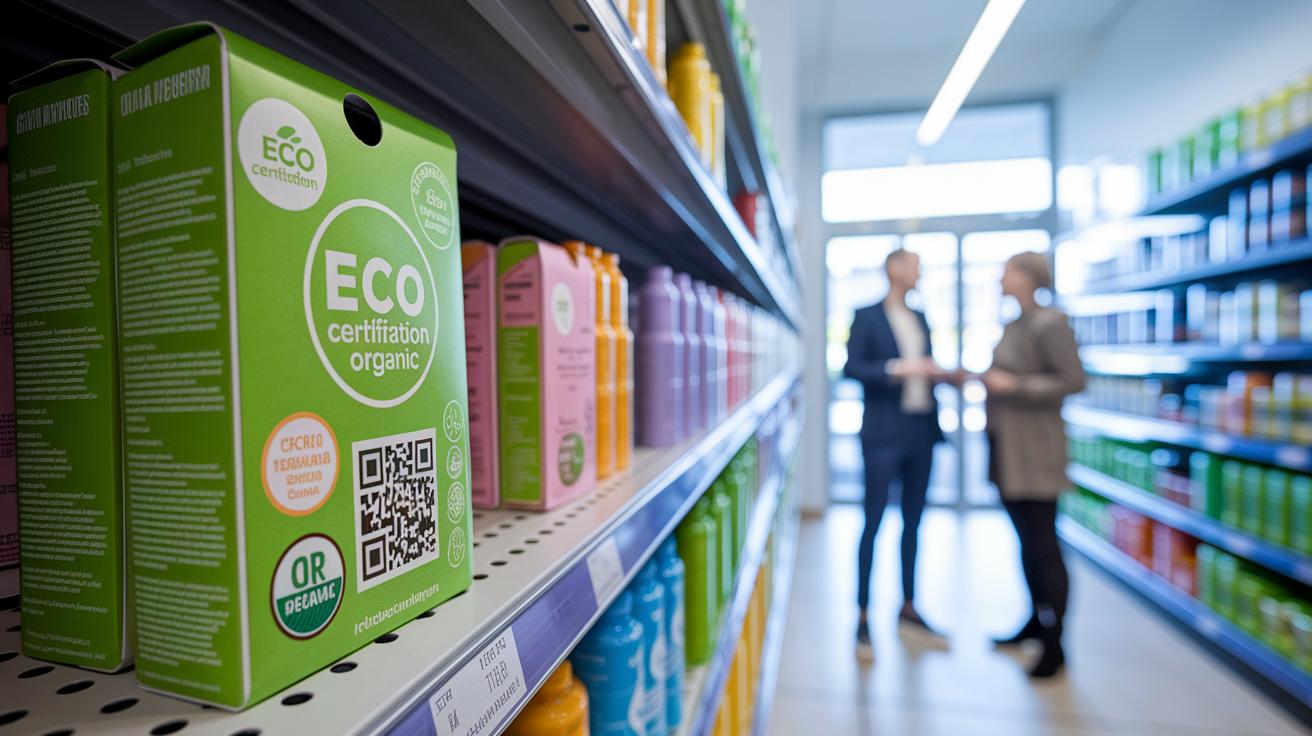
Many brands now show their green side with eco-certification marks, recycled materials, and organic stickers. Manufacturers use eco-friendly supplies to meet safety rules and win over shoppers who care about our planet. By cutting waste with recycled print materials and using organic stickers to show real green efforts, companies make their labels a badge of responsibility. This proves food labels can be bright and regulatory while backing sustainable production and earning customer trust.
New seasonal trends bring fresh ideas that keep label designs fun and current. Many brands now add QR codes to their packaging so shoppers can quickly learn about where the food comes from, its nutritional facts, and the sustainable practices behind it. Plus, new augmented reality (AR) features let customers use their phones to see digital info layered on the label, making the shopping experience more engaging. Combining creative sticker ideas with smart tech gives labels a flexible look while still following industry rules.
Final Words
In the action, this article laid out clear steps for creating food products labels that protect consumers and support market success. It covered legal guidelines, design best practices, modern printing methods, and user-friendly tools that streamline compliance. Each part showed how accuracy and clarity boost safety and brand appeal.
The practical steps above help operators meet new rules with confidence. Moving forward, a focus on precision and smart design will drive success in every printed detail.
FAQ
How can I access free and printable food product labels and templates?
The question on free and printable food labels indicates that many platforms offer ready-to-use design tools and free templates, so you can create and print high-quality food label stickers that meet compliance standards.
What are the 4 types of product labels used in food packaging?
The four types of food labels usually include branding labels, regulatory labels, nutrition fact labels, and warning labels. These types serve to communicate product details and meet legal requirements.
What is the food label on products called?
The food label on products is commonly known as the packaging label or nutrition label. It displays important details such as ingredients, nutrition facts, allergen alerts, and manufacturer information.
How do I create a label for a food product?
Making a food product label involves choosing a design template, inserting product details like ingredients and nutrition information, and ensuring it complies with FDA and international labeling guidelines.
What are the 5 requirements of a food label?
The five essential requirements include the product name, ingredient list, nutrition facts table, allergen declarations, and an expiration or “best by” date. These elements help ensure consumer safety and meet legal standards.