

Catered events are lighting up with fresh energy. Chefs blend classic flavors with modern twists to create vibrant dishes. Sustainability and plant-based menus (recipes made mostly from plants) now lead the way, replacing old habits with smart ideas. Event planners and guests want healthy, local, and interactive meals. This shift is changing the way we eat and celebrate. Here are the trends turning ordinary gatherings into unforgettable feasts.
Key Catering Food Trends Shaping Today’s Market
In 2023, the U.S. catering scene earned $72 billion, and experts say it will grow to $124 billion by 2032 with a 6.2% boost each year. This strong growth shows that people are looking for fresh, diverse dining experiences, whether for small parties or big corporate events. Caterers are now changing their plans to meet modern tastes.
Menus and event styles are shifting fast. Sustainability is now a must as more caterers adopt eco-friendly practices. The plant-based trend is booming, with the vegan market expected to hit $31.4 billion by 2026. Interactive food stations have pushed a 45% jump in bite-sized treats since 2022. Also, 57% of adults now prefer to order food on their phones. Many customers (38%) choose locally sourced food, and 73% look for healthier options. In fact, 65% of event planners now ask for nutritionally balanced menus. The table below breaks down these key trends and their figures:
| Trend Category | Key Metric |
|---|---|
| Sustainability | Business model requirement |
| Plant-Based | $31.4 B vegan market by 2026 |
| Interactive Stations | 45% growth in bite-sized foods since 2022 |
| Technology Integration | 57% mobile ordering |
| Local Sourcing | 38% consumer preference |
These trends show that caterers must adjust quickly. With customers leaning toward healthy, balanced dishes and event planners demanding more thoughtful menus, industry leaders now have clear strategies to drive innovation and satisfy modern diners.
Sustainable Catering Food Trends: Eco-Friendly and Zero-Waste Practices
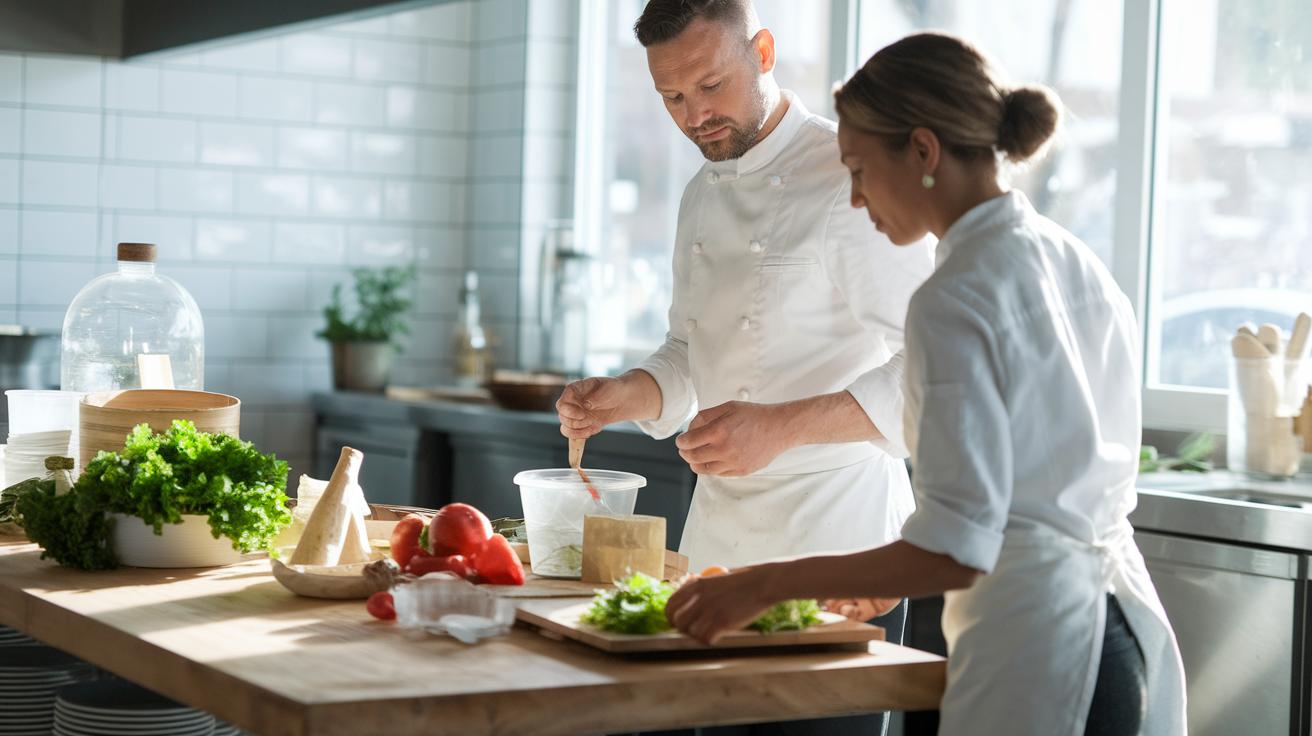
Modern catering is shifting toward green practices. Operators now make ethical ingredient choices and manage waste smartly to keep costs low and build trust with clients who care about the planet. Using eco-friendly methods sets clear rules for operations and meets rising consumer expectations.
Zero-waste methods are a key part of this change. Caterers are cutting down on food leftovers and opting for responsible packaging instead of single-use plastics. Local sourcing is gaining ground too. In fact, 38% of consumers now prefer menus that support nearby suppliers. Farm-to-table events, which bring fresh ingredients straight from local farms, are more popular than ever.
Here are some practical strategies already in use:
- Biodegradable or compostable serving ware
- Zero-waste plating and careful portion control
- Seasonal ingredients sourced from the region
- Donation programs for extra food
- Menus that feature hyper-local produce (see eco-friendly catering menu ideas)
Health-Conscious and Plant-Based Catering Food Trends
Catering focused on wellness is on the rise as chefs and event planners create imaginative plant-based menus. They are moving beyond old recipes to offer fresh, colorful dishes packed with bold flavors.
Some standout options include:
- Plant-based canapés using dairy-free ingredients
- Grain-free bowls filled with nutrient-rich superfoods
- Keto-friendly appetizers made with healthy fats
- Mediterranean platters loaded with vegetables
- Low-alcohol mocktails paired with refreshing kombucha
- Gluten-free pastry stations serving sweet treats
These menus are designed to balance nutrition, taste, and visual appeal. Chefs share that using local produce and creative techniques not only meets various dietary needs but also delivers unexpected flavor pairings that brighten any event.
Interactive and Customizable Catering Food Trends
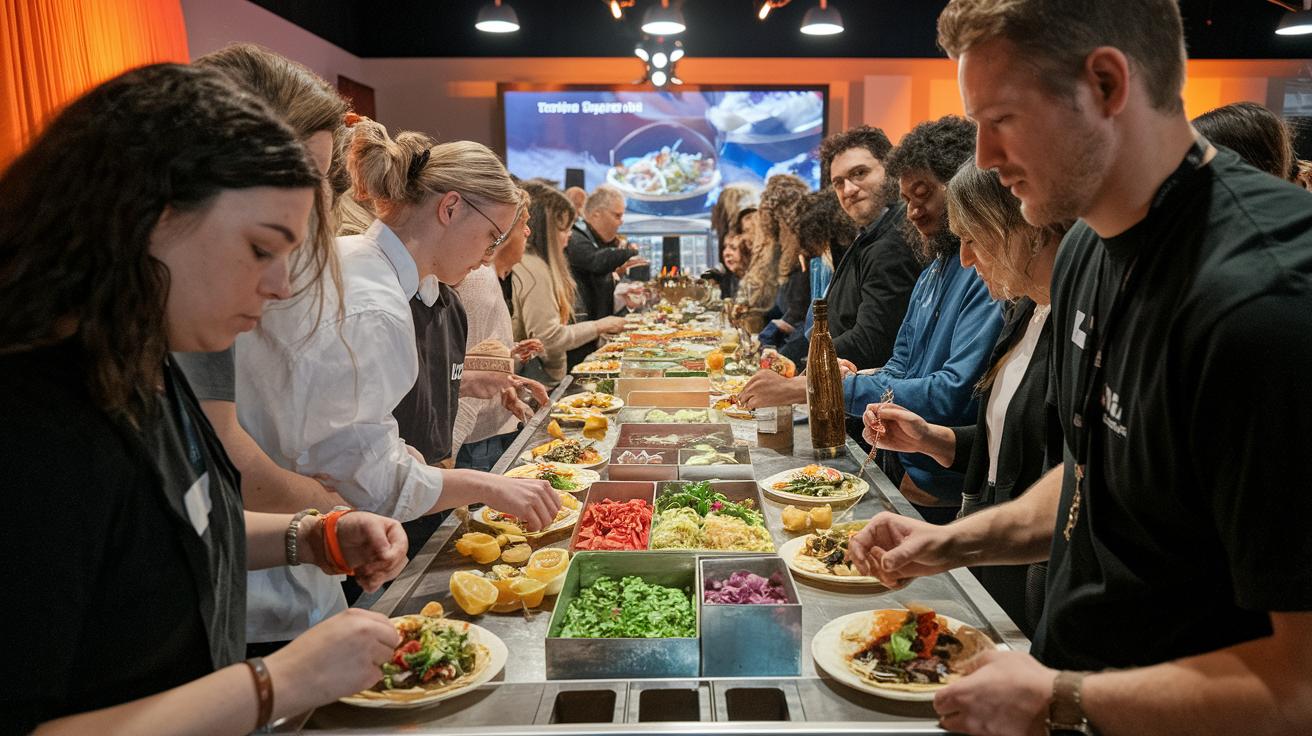
Interactive catering is reshaping events by letting guests help create their own meals. Live cooking demos and build-your-own stations turn dining into a fun, hands-on experience that sparks social media chatter and word-of-mouth buzz.
- Build-your-own taco and slider stations
- Live noodle or pasta-making setups
- DIY dessert and candy walls
- Mix-your-own mocktail craft counters
- Interactive charcuterie assembly tables
These ideas let event planners offer unique, personalized dining moments. Guests craft their own dishes while catering teams display their skills in real time. This approach not only gets people involved but also boosts a brand's image as guests share their experiences online. In a world where visuals and participation matter, these interactive setups transform ordinary events into memorable culinary showcases that cater to varied tastes and dietary needs.
Technology-Driven Catering Food Trends
Digital change is reshaping how events are catered. Modern point-of-sale systems now include AI helpers, mobile ordering apps used by 57% of guests, stock monitors, and cost tools. These smart devices cut wait times and shrink waste, raising the bar for smooth event operations.
| Feature | Benefit |
|---|---|
| AI-powered POS | Quicker check-outs and automatic upselling |
| Mobile ordering app | 57% usage and contactless ease |
| Inventory management | Less waste with real-time stock updates |
| Cost analytics | Smart pricing insights for better margins |
These systems help planners and caterers by automating routine work and offering real-time insights. Predictive AI estimates guest numbers and menu picks, so you can get supplies just right. Digital dashboards and automatic order systems let teams adjust service quickly. Cost tools help fine-tune prices while smart inventory tracking cuts excess waste. With these tools, caterers can spend more time on creative displays and personalized service, boosting guest satisfaction from start to finish.
This shift is a big deal in catering. Operators using these tech tools see quicker check-outs and happier guests. They can shift focus from routine tasks to designing unique, tailor-made events. In a fast-paced market, smart tech keeps teams competitive and ensures every event leaves a lasting impression.
Global Flavors and Fusion Catering Food Trends
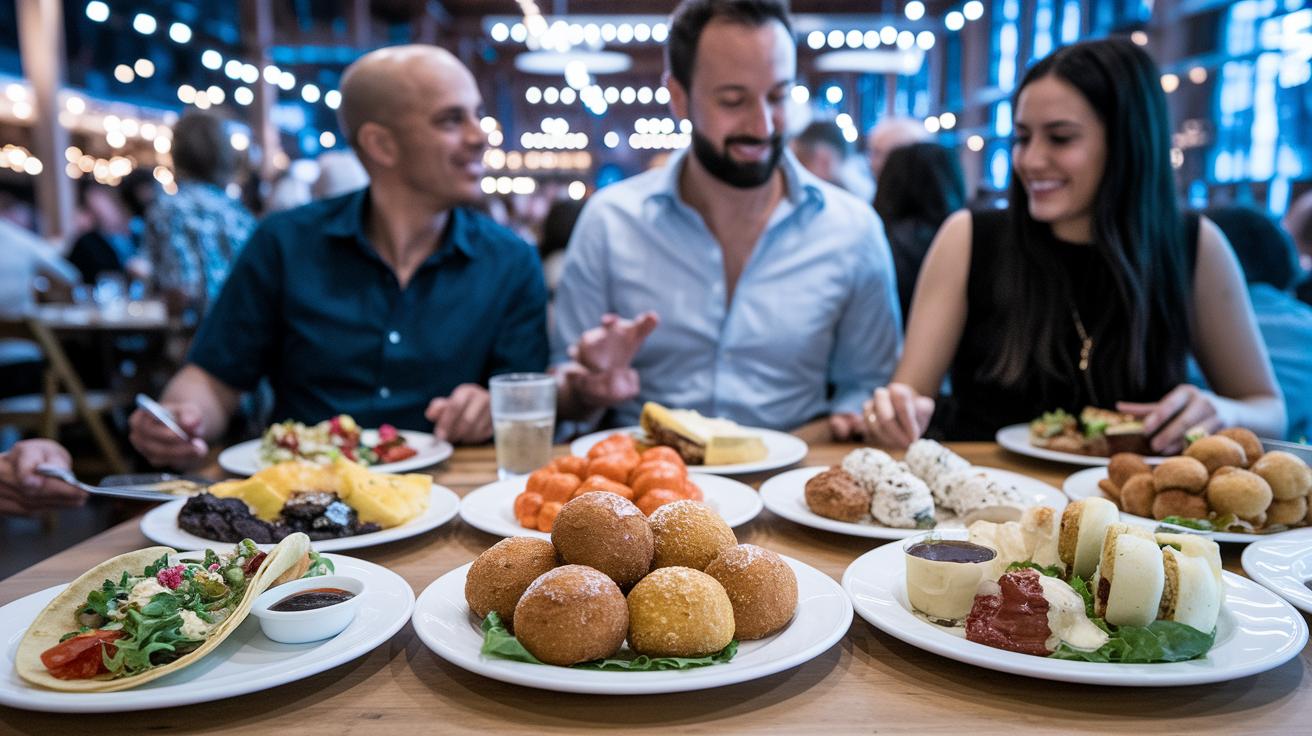
Fusion dishes are shaking up the catering scene. Chefs are blending flavors and cooking methods from different parts of the world. They mix ingredients and techniques to create dishes that surprise guests and bring a fresh twist to the table.
- Korean-Mexican street taco station
- Japanese-Italian arancini with miso risotto
- Indian-Mediterranean spiced mezze platters
- Caribbean-Asian jerk fried rice bowls
- French-Middle Eastern pastry and tea pairing
These creative pairings give caterers a clear edge. Fusion dishes are fun, shareable, and memorable for guests looking for something new. By mixing different ethnic flavors, chefs make dishes that are both eye-catching and delicious. This fresh approach sparks social media buzz and word-of-mouth recommendations, helping caterers stand out in a crowded market.
Mobile and Pop-Up Catering Food Trends
Food trucks and pop-up eateries are making a comeback. They give caterers flexibility and boost brand visibility at a low cost. These mobile options work great in busy city areas and at smaller, intimate events. Today, many operators mix the convenience of mobility with creative cooking ideas. They use modular kitchen trailers to serve varied menus, run geo-targeted deals through mobile apps, and set up themed kiosks for private gatherings. Other models blend delivery with on-site service and use live social media updates to spark interest.
By using mobile and pop-up approaches, caterers not only create fresh dining moments but also strengthen their brand and improve returns. They can test new culinary ideas quickly, adjust based on guest feedback, and connect physical dining with virtual events. This nimble setup keeps overhead low while driving buzz on the streets. It’s a modern twist that’s reshaping traditional catering for an on-the-go market.
| Key Trend |
|---|
| Modular kitchen trailers for varied menus |
| Geo-fencing promotions via mobile apps |
| Compact, themed pop-up kiosks for private events |
| Hybrid delivery plus on-site service models |
| Social media teasers with live-location sharing |
Future Catering Food Trends: What’s Next in 2025 and Beyond

Caterers are preparing for big changes that mix new tech with creative cooking. They are testing fresh ideas to boost the guest experience and cut down on busy work. Innovations like driverless delivery vehicles and blockchain (a digital system that tracks where food comes from) are changing how events run. Digital tools such as predictive AI help kitchens and service teams get ready for any event. At the same time, the move toward sustainability is growing. Zero-waste and carbon-neutral practices are becoming the norm instead of the exception. As these new tools take hold, every part of event management is set for a transformation.
- Fully autonomous vehicles for event deliveries
- Blockchain to check ingredient sources
- AI that customizes menu suggestions
- Virtual reality tasting sessions
- Carbon-neutral and no-waste operations
- Digital systems that handle events from start to finish
In a fast-changing scene, being flexible is key. Event planners and catering teams need to use these new tools. This will help them give great service and create meals that engage all the senses. Early adopters, whether big or small, will see gains in efficiency, personalized service, and a lighter environmental footprint. Getting ready for 2025 and beyond means not just keeping up with tech but also rethinking menus and service styles to offer memorable, tech-powered dining events.
Final Words
In the action, the post tackled key areas that drive today's catering market. It covered market size and growth projections, along with trends like sustainability, health-focused menus, interactive experiences, tech integration, and global fusion flavors.
The analysis broke down evolving practices in mobile and pop-up services and hinted at the innovation ahead for 2025 and beyond.
These catering food trends offer practical insights to spark fresh ideas and help operators stay ahead, ensuring each event delights and drives success.
FAQ
What are the catering trends from 2022 through 2026 and in 2025?
The catering trends from 2022 to 2026 and 2025 focus on sustainability, plant-based menus, interactive stations, tech integration, and local sourcing. These trends meet rising demand for healthy, ethical, and engaging dining.
What are the small and wedding catering food trends?
Small event and wedding catering trends center on customizable menus and creative presentations. Weddings often feature themed, elegant displays while smaller events focus on intimate, locally inspired selections that enhance guest experience.
What is the most popular catering food?
The most popular catering food typically includes crowd-pleasing options such as gourmet sliders, build-your-own taco bars, and seasonal dishes that offer both versatility and appeal to a wide range of tastes.
What are the current trends in the food industry?
Current food industry trends stress sustainability, plant-based options, and technology-driven ordering systems, coupled with global flavors and interactive dining. These trends reflect consumer demand for healthier, ethically sourced, and engaging food experiences.
What type of catering is most profitable?
Profitable catering often targets corporate and wedding events with interactive, customizable stations. This approach maximizes scalable service, efficient preparation, and higher margins by delivering tailored and memorable dining experiences.
What are some examples of prominent catering brands and events?
Notable names in the industry include Food Trends Catering & Events, Sweet Basil Catering, Whats The Kitch? Catering & Events, Medina Hall, Fallier Food, and Red Table Catering. Each offers unique, innovative service styles for a variety of events.