

Are you set to bet on your new restaurant's success?
Starting a restaurant is a risky venture, and every little detail matters.
Before opening your doors, make sure local diners will embrace your idea.
By tracking market trends, keeping a tight budget, and planning day-to-day operations, you can create a solid launch plan.
This guide breaks down the key steps to catch early improvements and fine-tune your approach for bold results.
New Restaurant Launch Analysis: Bold Results Ahead
Starting a restaurant means planning every step carefully. You must check the local market, set a budget, plan operations, and map out your marketing. A solid feasibility study tells you whether local customers will come and how fierce the competition is.
Your restaurant website is your digital storefront. It shows menus, takes reservations, sells event tickets and merchandise, and even supports catering and delivery. This online hub builds trust and lays the groundwork for a great launch.
Reviewing these areas lets you set clear goals and spot improvements early. By analyzing plans before the opening, you can fine-tune performance and sharpen your concept. Early insights into how things are running and how guests respond mean you can make quick changes for the best debut.
- Market research and competitor checks
- Budget planning and cost control
- Smooth operations and kitchen workflow
- Smart marketing and customer connection
- Launch day performance and post-opening reviews
Market Research & Competitive Landscape in Launch Analysis
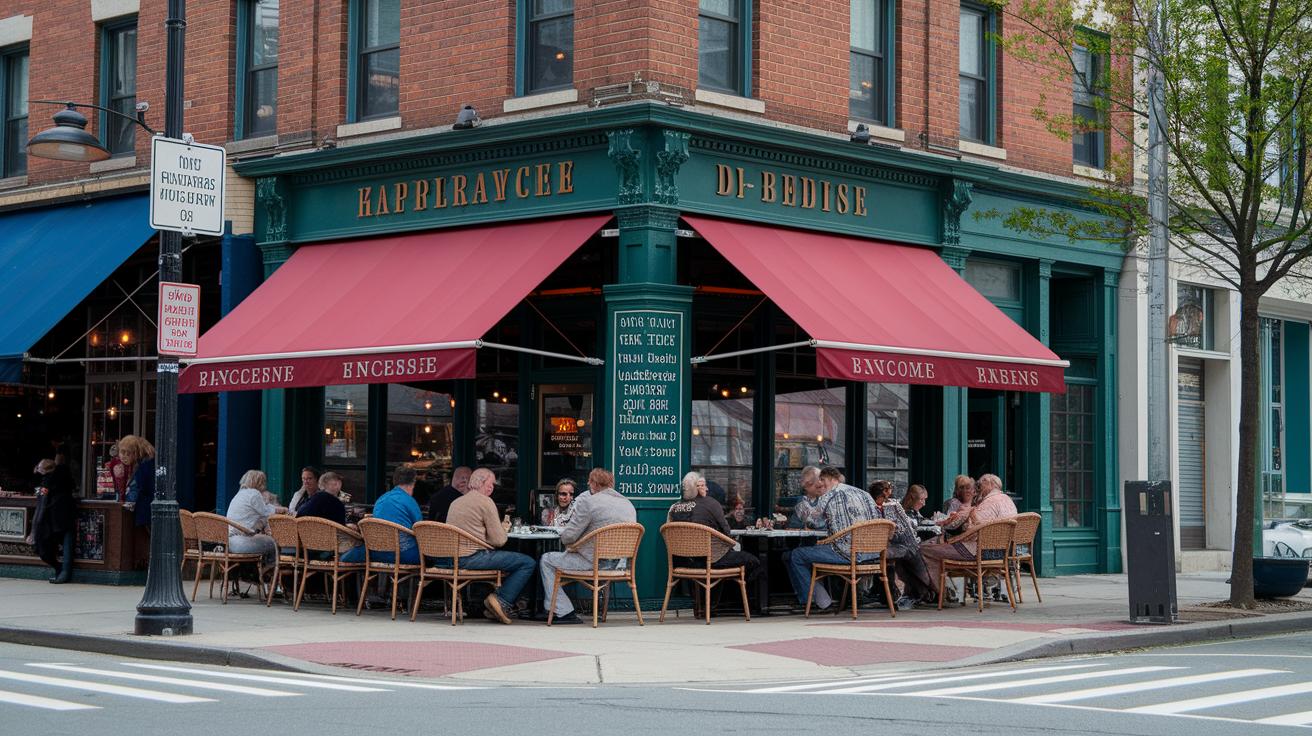
Online tools and public data reveal who your local diners are and what they spend when eating out. City reports and open-source stats show basic details like income levels and age groups, helping you pinpoint neighborhoods that might be a perfect fit for your restaurant. Start with simple online searches and community profiles to set a strong foundation for your market launch.
Next, check out your competitors. Survey nearby restaurants by reviewing their menus, prices, and overall style. Take a stroll through the area or browse online reviews to notice patterns in foot traffic. This research helps you spot trends and gaps, and shows whether local diners prefer upscale spots or casual settings, letting you fine-tune your restaurant’s positioning.
A Google Business Profile is key to capturing customer leads and proving demand. Your profile highlights important details like your address, phone number, website, and operating hours, plus links for reservations and online orders. Adding an email sign-up on your website gives you another way to understand your customers and validate interest. This blend of digital presence and data collection arms you with a solid toolset to track customer interest before your launch.
Financial Forecasting & Cost Analysis for Restaurant Launch
Start by mapping out your revenue and expenses. Look at past data or industry figures to predict daily covers, check sizes, and online orders. Mix digital marketing like social media and email with traditional tools such as direct mail and local media to boost your start.
Next, list your startup costs. Factor in rent, core equipment, a marketing budget, staff wages, and opening inventory. These numbers help you see when your sales will cover both fixed and variable costs and when your restaurant will turn a profit.
| Category | Estimated Cost | % of Total |
|---|---|---|
| Rent | $10,000 | 25% |
| Equipment | $8,000 | 20% |
| Marketing | $6,000 | 15% |
| Staffing | $10,000 | 25% |
| Opening Inventory | $6,000 | 15% |
Double-check your cost and revenue numbers regularly. Compare your everyday sales against these forecasts to see if your mix of marketing strategies is paying off. This approach lets you quickly adjust your plans for a strong start and steady growth.
Operational Strategy & Efficiency in Launch Analysis
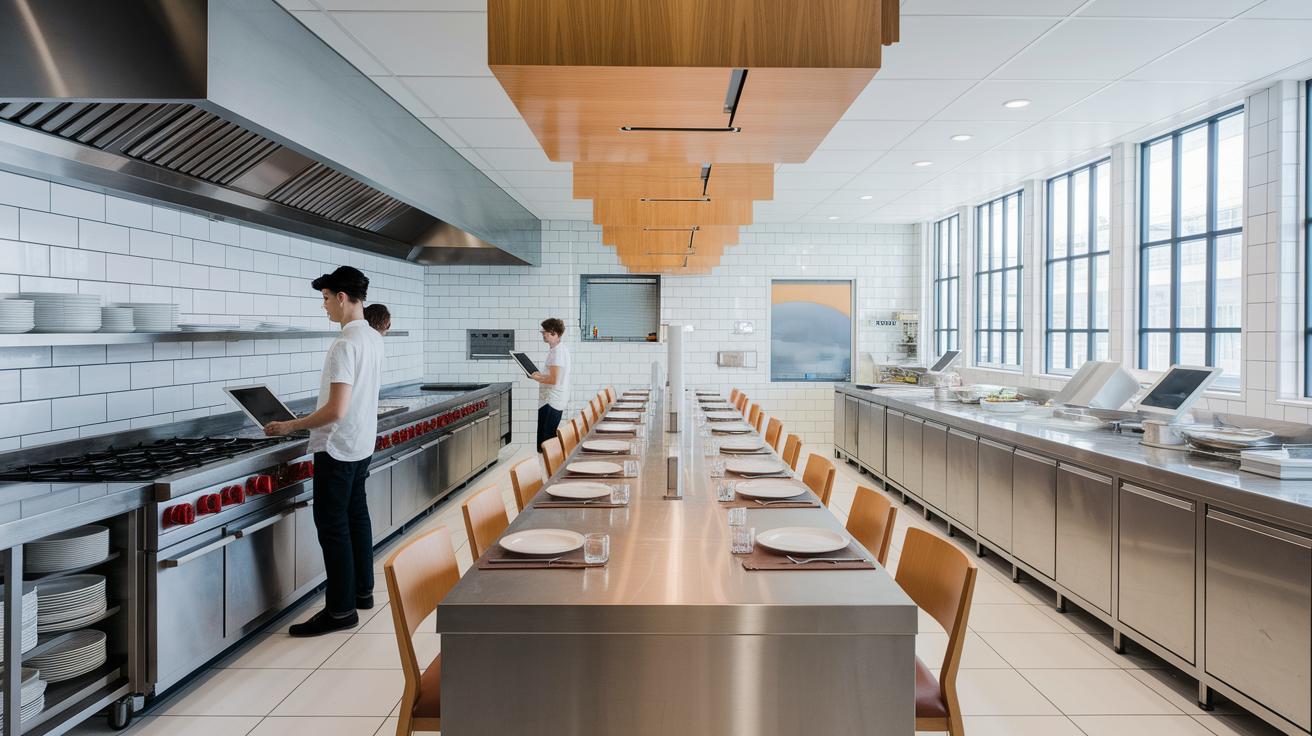
A smooth-running kitchen starts with a smart layout. Design your space so that food prep, cooking, and plating each have their own clear zones. Add online ordering and reservation tools to guide staff and balance the work flow. Automated marketing quickly shares menus and hours with customers. A well-planned layout cuts delays and mistakes, making sure every dish is served at its best.
Build strong ties with trusted suppliers and set up clear inventory controls to keep the kitchen moving. Rely on dependable vendors for high-quality ingredients and to prevent last-minute shortages. A real-time stock tracking system helps spot trends and stops over-ordering. These steps preserve food quality, control costs, and keep operations running smoothly.
Train your team well and set clear procedures everyone can follow. Make sure every team member, from kitchen staff to front-of-house workers, knows their role and the service flow. Regular training sessions and hands-on workshops build confidence and boost cooperation. Automated updates on menu or hour changes keep everyone on the same page. Clear guidelines and steady communication are key for a smooth launch and lasting success.
Marketing & Customer Engagement Analysis for Restaurant Launch
Digital promotion is key to getting your restaurant noticed fast. Facebook and Instagram campaigns build your brand and invite local guests to explore your new spot. A strong online presence shows off your menu and shares your restaurant's story. Local PR, like hiring a PR agency for media coverage, adds extra buzz to attract food lovers. Tactics such as targeted social media ads and regular posts keep your restaurant in the public eye and spark real-time conversation.
Traditional marketing also widens your reach. A well-designed website gives diners all the information they need, helps improve search rankings, and drives reservations. Automated email blasts can share your grand opening news straight to inboxes, building a loyal crowd even before you open. Other channels like direct mail, TV, and radio can turn your launch into a real community event.
The key tactics to boost your marketing mix include:
- Website optimization for SEO and reservations
- Automated email campaigns announcing the grand opening
- Enhancements to your Google Business Profile
- Targeted social media ads and organic posts
- Influencer preview events and partnerships
- Press releases and local PR outreach
Performance Metrics & Post-Launch Analysis

After you open your doors, tracking performance numbers keeps your restaurant on track. Set clear goals for table turns, average check amounts, repeat visits, and online orders. For instance, aim for a certain number of table turnovers each hour to maintain a steady dining room flow. Keeping an eye on online orders will show you if your digital efforts are working, so you can adjust when needed. Even a top chef like Thomas Keller used daily turnover numbers to fine-tune his restaurant.
Collect guest feedback through surveys and social media reviews to get real, useful insights. Ask diners about service speed and food quality and note any common comments. This feedback helps you tweak staffing, update the menu, or change the layout to fix issues. Tracking your brand awareness over time ensures your marketing efforts continue to grow, making it easier to keep operations tight and customers coming back.
SWOT & Risk Assessment in New Restaurant Launch Analysis
Restaurant owners often start with a strong foundation. Many come prepared with seasoned teams, trusted supplier links, and efficient kitchen layouts. These strengths not only deliver consistent quality but also build a restaurant identity that local diners can rely on. They create room for fresh menu ideas that impress from day one.
Owners also face real challenges. Unexpected cost spikes, supply chain issues, and strict lease terms can limit flexibility. To ease these pressures, think about expanding to multiple units and negotiating leases that allow future growth. These steps can help keep finances stable and daily operations running smoothly.
New opportunities are emerging as dining trends shift. Diners today lean toward experiences, local and sustainable ingredients, and creative presentation. By tapping into these trends, a restaurant can attract a fresh audience eager for new flavors and ideas.
Competition stays fierce, making it key to stand out. A unique value, achieved through a well-thought-out menu, excellent service, and smart branding, can beat competitive threats. The example of Culture Bar and Grill shows that thorough concept planning and fitting market needs can boost a restaurant’s edge and support long-term growth.
Final Words
In the action, new restaurant launch analysis brings clarity to every key step. We broke down market research, financial forecasting, operational efficiency, marketing tactics, and post-launch performance. These clear focus areas help restaurateurs make sound decisions on launching and growing their businesses.
Each section offered practical insights, from competitive benchmarking to risk assessment, so you know what to watch and how to adjust fast. Stay positive, keep refining your strategy, and savor the rewards that come from smart planning.
FAQ
New restaurant launch analysis template
The new restaurant launch analysis template outlines key focus areas such as market research, cost analysis, operational workflows, and marketing strategies. It serves as a guide for evaluating readiness and planning a successful launch.
New restaurant launch analysis example
The new restaurant launch analysis example provides a step-by-step breakdown of essential components like financial forecasting, competitive research, and customer engagement to help understand performance expectations and strategic planning.
How to promote a newly opened restaurant?
The approach to promote a newly opened restaurant starts with optimizing your website and social media channels. It also includes targeted ads, influencer events, and local press to build community interest and drive visibility.
Which trend is currently emerging in the restaurant industry?
A current emerging trend in the restaurant industry is the shift toward digital integration, including online ordering systems and automated marketing. This trend improves customer reach and streamlines operational tasks.
What is the success rate of a new restaurant?
The success rate of a new restaurant depends on factors like market research and operational efficiency. Using a detailed analysis framework helps identify risks, improve efficiency, and boost the chance of a lasting business.
How to launch a new restaurant?
Launching a new restaurant involves careful planning with market research, financial projections, and operational design. It also requires a targeted marketing strategy and performance metrics to monitor the restaurant’s early success.