

Fast casual spots are stealing the show from regular fast food. Shoppers want meals that are tasty, fast, and smart priced. They’re using fresh, locally sourced ingredients and cutting down wait times. Recent data shows more diners are choosing meat-free meals over the usual fare. This report explains the trends and numbers behind the change. Read on to see why it matters.
Fast Casual Dining Trend Report: Sector Overview & Key Metrics
Fast-casual dining attracts many customers with its low prices and top-quality, fresh, locally sourced ingredients. Data shows that this model brings together the quick service of fast food and the care of fine dining. Studies reveal steady market growth, with a special focus on organic choices and healthier meals.
Consumer habits are changing. About 10% of American adults follow vegan or vegetarian diets, boosting the need for meat-free protein options. Fast-casual spots also win customers by reducing wait times and keeping meal prices low. In the second quarter of 2025, value-focused chains thrived even as fast-casual and quick service restaurants faced price challenges.
| Metric | 2023 Value | 2024 Value | 2025 Forecast | Growth Rate |
|---|---|---|---|---|
| Market size ($B) | 25 | 28 | 31 | 12% |
| Year-over-year growth | 8% | 9% | 10% | +1% p.a. |
| Vegan/vegetarian share | 10% | 11% | 12% | +10% |
| Average meal price ($) | 12 | 13 | 14 | 8% |
| Wait time reduction (%) | 15% | 18% | 20% | 13% |
Fast Casual Dining Trend Report: Consumer Behavior & Value Shifts

Rising costs are pushing diners to look for more budget-friendly options. Many people, especially those on tighter budgets, are skipping fast casual outlets in favor of places that offer real value. This trend is fueling a need for affordable menu choices and bundled deals that deliver both savings and quality.
- Menus focused on value
- Bundled deals for added savings
- Clear information on ingredients
- Digital and QR code ordering
- More health-conscious dining options
Fast casual spots are rethinking their menus and pricing. With consumers on the hunt for deals that balance quality with cost, restaurants are rolling out clearly priced bundles, including multi-item offers that pack convenience and good taste into one. Digital ordering is now a must-have, helping speed up service and cut down on wait times. In addition, highlighting the source of ingredients meets the growing demand from health-focused diners. These changes not only cater to current consumer needs but also help build smoother operations and stronger loyalty over time.
Fast Casual Dining Trend Report: Technology & Operations Innovations
The pandemic pushed fast casual restaurants to speed up their tech use. QR code menus cut wait times and helped staff serve more customers. These digital tools are now a staple in keeping operations smooth and meeting rising customer expectations.
AI-driven Labor Forecasting 2.0 is changing how restaurants plan staffing. This system predicts daily needs with more precision, trimming labor costs and boosting efficiency. Owners report better scheduling and overall performance, which means restaurants save time and money while keeping service top-notch.
Delivery aggregator platforms also play a big role in today's tech-powered dining scene. They pull orders together from apps like DoorDash, Grubhub, and Uber Eats, making order accuracy and kitchen flow much better. With these tools, fast casual spots can handle more deliveries and enhance the dine-in experience at the same time.
Fast Casual Dining Trend Report: Competitive Dynamics & Market Forecast
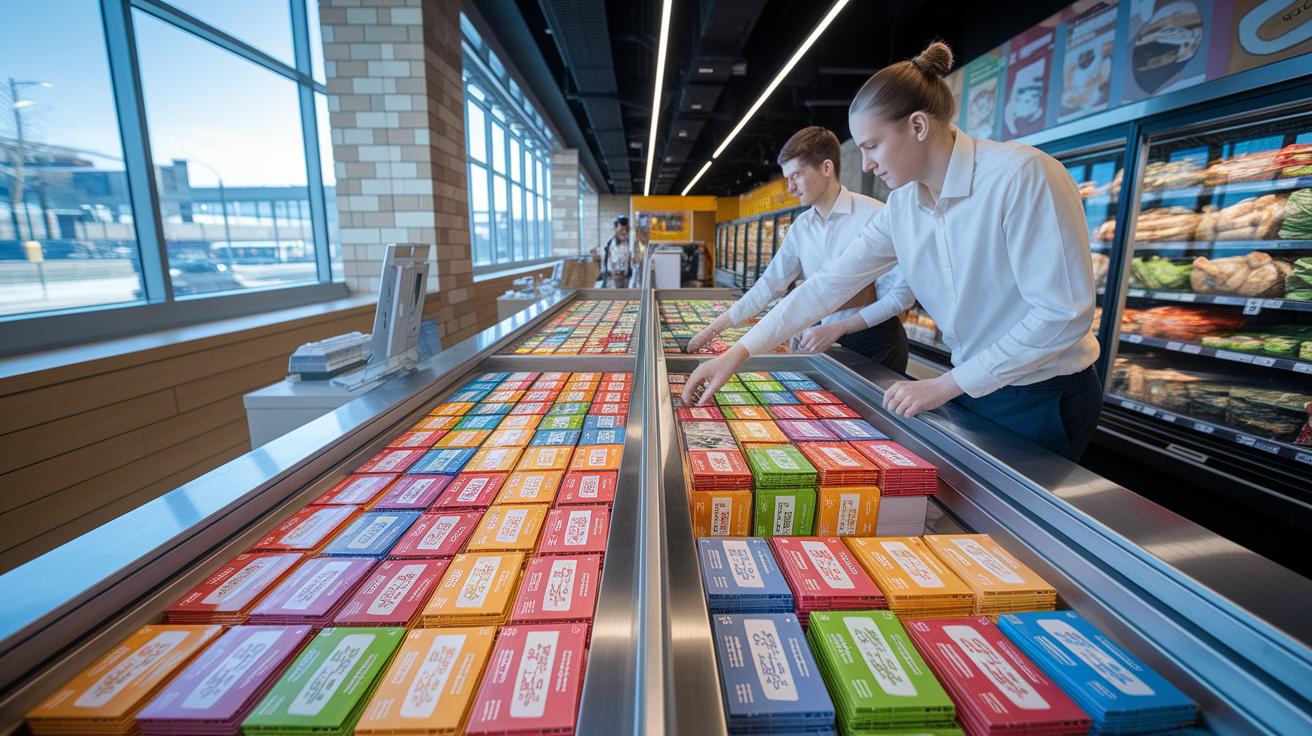
Fresh-format and value grocery stores now serve grab-and-go lunches that lure office workers away from fast casual restaurants. These retailers offer a quick and affordable meal during busy lunch hours. As more diners pick ready-made options, fast casual spots must rethink their lunch plans to stay in the game.
Casual dining chains have outpaced fast casual restaurants by using smart promotions and efficient kitchen methods. They invest in strong marketing campaigns and streamlined processes, rolling out bundled deals that clearly show their value. This strategy attracts bargain-seeking diners and sets a high standard that fast casual spots now have to match.
Top brands like Chipotle, Moe’s Southwest Grill (with more than 20 customizable ingredients) and Noodles & Company continue to perform well. They maintain high quality and flexible menus to keep customers coming back. The Fast Casual Top 100 Movers & Shakers report, which celebrates 100 brands and 25 executives, highlights the ongoing innovation and competitive spirit in the industry.
Market forecasts predict steady growth for fast casual dining through 2025. Thanks to improved digital ordering and more efficient operations, these restaurants are expected to win back some of the lunch crowd. Analysts believe that as fast casual brands refine their value offers, customer demand will remain strong even with the rise of grab-and-go options in grocery stores.
Fast Casual Dining Trend Report: Strategic Case Studies & Best Practices
Real-world examples show clear steps fast casual restaurants can take to shine in a busy market. Focusing on unique menu items and attractive deals not only brings in new customers but also builds lasting loyalty while keeping costs in check.
Riko’s Pizza Expansion Model
Riko’s Pizza is known for its one-of-a-kind thin-crust style that gives diners a special taste. Expanding to 12 spots along the East Coast, they prove that a clear, distinct menu can capture a loyal crowd. Their plan is built on serving quality, consistent, and affordable food, which has led to more repeat visits and a stronger hold in their market.
Value Bundle Promotions
Deals like the “3 for Me” and “Triple Dipper” bundles pack several menu items into one attractive, budget-friendly offer. These promotions attract first-time guests and keep regulars coming back. Early results show that these bundles not only drive more traffic but also make diners feel like they are getting a good deal.
The success of Riko’s Pizza and these bundle promotions shows that honing in on a unique product and smart deals can boost profits and streamline operations. Fast casual eateries aiming to grow and stay competitive should consider these proven tactics.
Fast Casual Dining Trend Report: Future Outlook & Growth Drivers
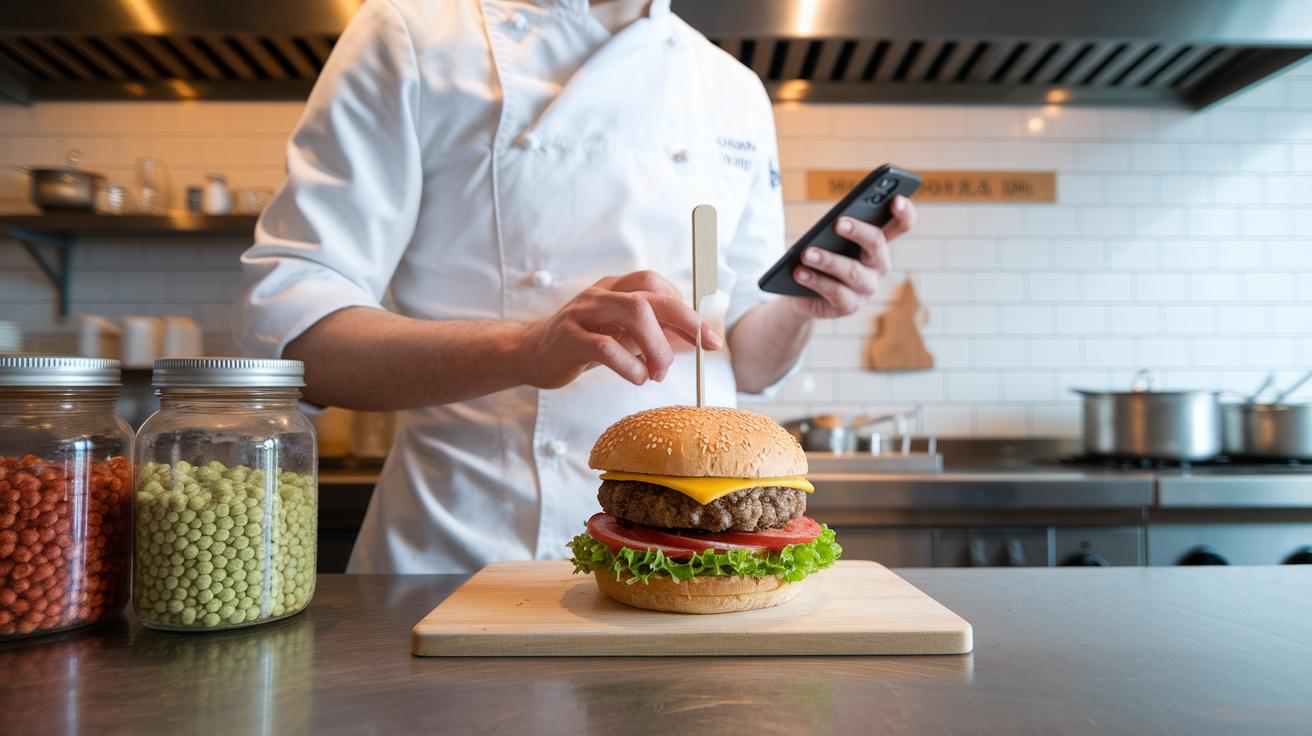
Fast casual menus are changing fast to meet today’s diners. Restaurants are trying fresh ingredients and new cooking methods that boost both flavor and nutrition. Options like fermented foods, probiotic items, and plant-based proteins are joining traditional dishes to win over health-focused customers. Shoppers want to know exactly where their food comes from, so restaurants are making ingredient lists and sourcing details clearer. This movement is pushing brands to update old recipes with inventive culinary techniques.
- Plant-based and alternative proteins
- Fermented and probiotic options
- AI tools for labor management
- Unified delivery platform strategies
Looking ahead, fast casual brands are set to refine their menus by blending great taste with health and eco-friendly choices. They plan to adopt smart tech like AI scheduling tools and improved delivery systems to run their kitchens more smoothly. By mixing fresh cooking ideas with modern technology, these restaurants are paving the way for steady growth into 2025 and beyond.
Final Words
In the action, this post broke down essential metrics, shifting consumer behavior, tech updates, competitive dynamics, and strategic case studies. It examined value-driven menus, digital tools, and operational shifts that shape restaurant performance.
Fast casual dining trend report insights help operators plan smart moves as they adapt and grow. Clear data and real-world examples set the stage for positive change and steady progress.
FAQ
What does the fast casual dining trend report 2022 include?
The fast casual dining trend report 2022 includes an overview of market growth, consumer behavior shifts, operational innovations, and key performance metrics that help explain industry changes.
How can I access the fast casual dining trend report PDF?
The fast casual dining trend report PDF is a downloadable document offering detailed charts, performance data, and market analysis to provide clear insights into fast casual trends.
What insights does the fast casual dining trend report 2021 provide?
The fast casual dining trend report 2021 outlines key shifts in consumer preferences, menu design, and technology adoption, paving the way for strategic changes within the fast casual industry.
How does the fast casual dining trend report in California differ?
The fast casual dining trend report California zeroes in on regional patterns, local consumer behavior, and market dynamics specific to the state, making it useful for understanding the local environment.
What is fast casual magazine?
The term fast casual magazine refers to a publication that covers news, trends, and industry updates, offering readers insights and examples from innovative restaurant chains.
Which brands are considered fast casual restaurant chains?
Fast casual restaurant chains include brands like Chipotle, Moe’s Southwest Grill, and Noodles & Company, which deliver higher-quality menu options through efficient service models.
What are some fast casual restaurant examples?
Fast casual restaurant examples include Chipotle, Moe’s Southwest Grill, and Noodles & Company, known for emphasizing fresh ingredients, simplified menus, and quick yet quality service.
What does the fast casual market encompass?
The fast casual market encompasses a sector that blends affordable pricing with quality food, innovative ordering tech, and evolving consumer preferences that drive strategic restaurant offerings.