

Ever ask yourself what makes a dish really memorable? A good food guide shows you why certain ingredients work together instead of just giving you a list of steps.
In November, searches jumped 35%, which tells us that readers are looking for more than simple recipes. This guide dives into flavor pairings and sparks creative ideas for everyday cooking.
It helps you move past following trends and start enjoying bold, inventive flavors right in your own kitchen.
Defining the Food Bible
A food bible is a trusted guide that every kitchen can count on, whether it's a busy restaurant or your home cooking space. In November, searches for "food bible" jumped by 35%, showing just how popular it’s become. It pulls ideas from key works like The Flavor Bible (2008) with its 1,500 ingredients and 2,000 flavor pairings, and The Food Bible (2012) which digs into over 1,000 foods and 500 recipes.
Unlike a typical cookbook that lists step-by-step recipes, a food bible digs into the why behind flavor combinations. It explains why certain ingredients work well together by breaking down flavor pairings and sharing background on each one. For example, The Flavor Bible highlights over 2,000 pairings to spark creative ideas, encouraging cooks to explore rather than just follow a formula.
In short, a food bible is a handy tool that helps you see great ingredient pairings, inspires new recipe ideas, and even offers nutritional details. It guides you in balancing flavors, experimenting with ingredients, and making smart choices for a well-rounded meal.
Defining the Food Bible
The food bible is a trusted kitchen guide that has evolved over time. Early works like The Flavor Bible by Page & Dornenburg (2008) and The Food Bible by Wills (2012) paved the way, but today its meaning has grown. Searches jumped 35% in November as chefs mix global influences with modern techniques like molecular gastronomy (using science to change food textures). For example, Chef Ramirez once turned overlooked ingredients into a vibrant fusion dish by starting with a surprising twist.
This guide isn’t like a typical cookbook. Instead of offering strict, step-by-step recipes, it explains why ingredients work well together. This approach encourages cooks to experiment and invent new flavor combinations.
A food bible now plays several roles in the kitchen:
- It shows creative ways to pair ingredients.
- It sparks ideas that blend global culinary styles.
- It provides nutrition details along with modern plating techniques.
These points highlight how the food bible adapts to today’s cooking style, supporting both experienced chefs and home cooks in exploring new tastes.
Core Principles of Your Food Bible
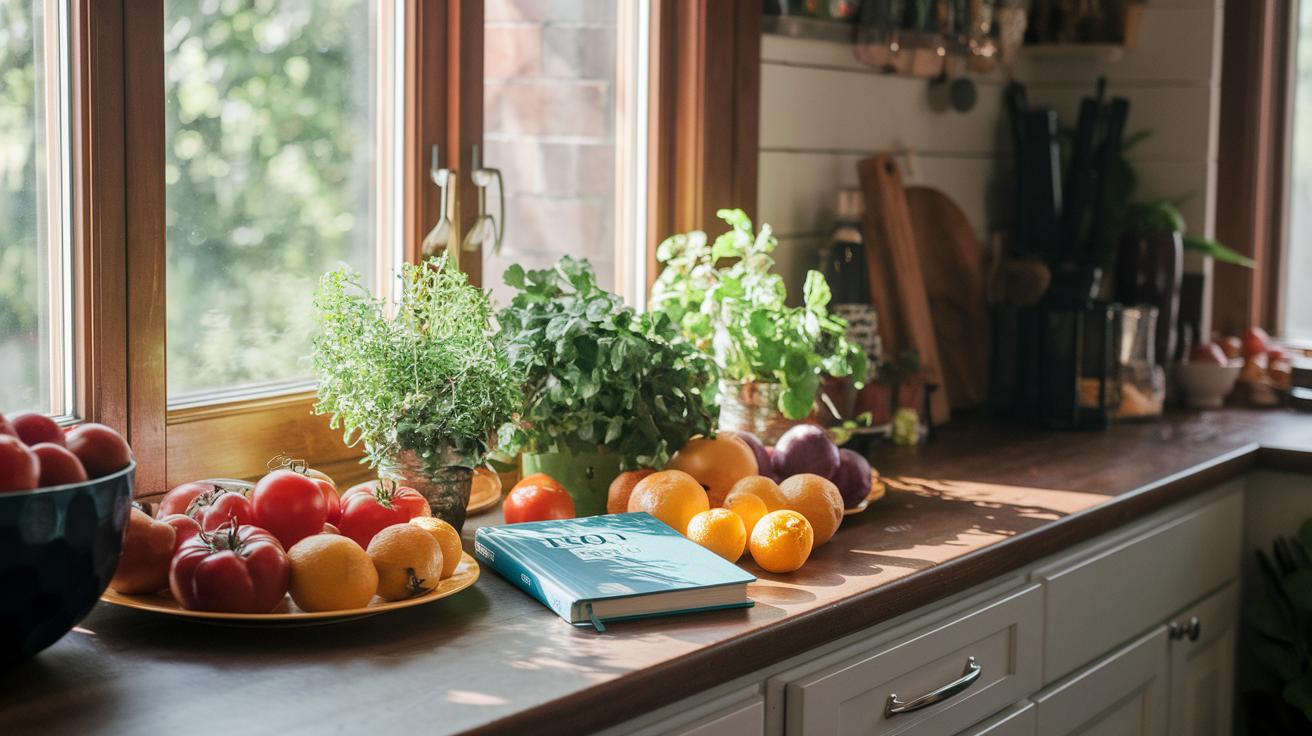
A clear food bible sets a strong base for creative and steady cooking. It makes choosing ingredients simple whether you're updating an old recipe or trying something new.
- Focus on your key ingredients
- Mix sweet, salty, sour, bitter, and umami
- Add different textures
- Check season charts for the best produce
- Respect traditional cultural flavors
- Experiment and adjust
When you build your daily cooking plan on these ideas, your food bible stays both practical and fun. For example, checking peak-season tables (tomatoes shine from June to August) helps you pick the freshest flavors. Every time you cook, lean on these tips to blend flavors smoothly. This method can turn a plain meal into a well-coordinated dish. Both home cooks and professional chefs can use these guidelines to stay organized, try new ideas with confidence, and keep flavor balance front and center.
How to Build Your Own Food Bible
Step 1: Gather your core ingredients. Start by writing down the foods you use the most. Think of proteins like chicken or tofu, many vegetables, grains such as rice and quinoa, fresh herbs, and key condiments that boost flavor. For instance, you might list broccoli, basil, and garlic as everyday choices. Most cooks spend about 5 hours setting up their food bible. Some prefer a paper binder, while others use digital tools.
Step 2: Organize your list by category. Divide your ingredients into clear groups. You can use tabs or folders. Create a section for proteins, another for grains, and one each for dairy, spices, and beverages. This simple layout helps you find what you need when planning meals. For example:
- Proteins
- Grains
- Dairy
- Spices
- Beverages
Step 3: Note the flavors. For each ingredient, write down the flavors that match or contrast well. This might mean noting that citrus pairs nicely with fish or that a bit of sweetness can balance out bitter greens. These notes make it easier to mix ingredients that bring out the best in your dishes.
Step 4: Keep your food bible up to date. Set a reminder to review it every season. Around 65% of home cooks add new entries every few months to stay current. Try to include 10 to 15 new items each season. This habit not only keeps your guide fresh with seasonal items but also sparks new ideas in the kitchen.
Food Bible: Savor Life's Best Flavors
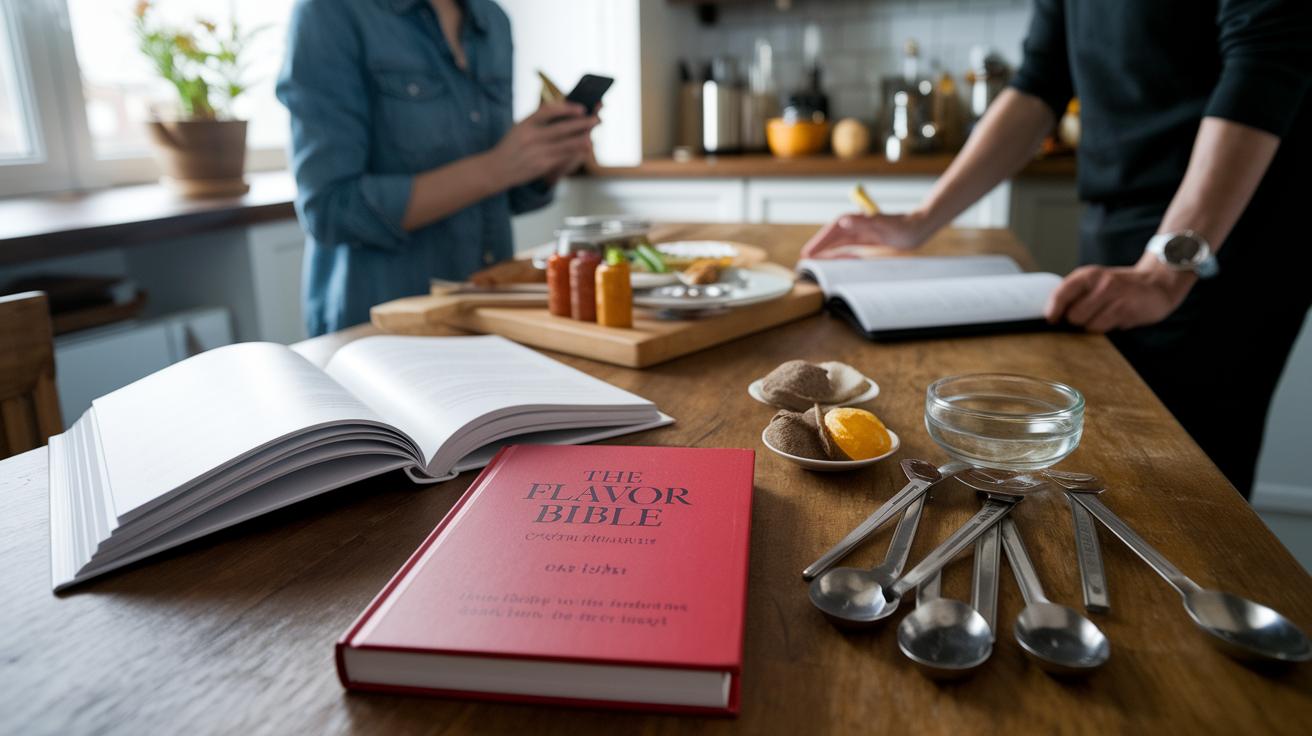
For home cooks who need solid flavor advice, these trusted cookbooks blend creative ideas with practical steps. Books such as The Flavor Bible, The Food Bible, Salt, Fat, Acid, Heat, and The Food Lab offer smart flavor pairings, clear nutrition pointers, hands-on techniques, and science-tested recipes to boost your kitchen confidence.
| Title | Author | Year | Focus |
|---|---|---|---|
| The Flavor Bible | Page & Dornenburg | 2008 | Flavor Pairings |
| The Food Bible | Judith Wills | 2012 | Nutrition & Recipes |
| Salt, Fat, Acid, Heat | Samin Nosrat | 2017 | Technique |
| The Food Lab | Kenji López-Alt | 2015 | Science of Cooking |
These guides serve both beginners and seasoned cooks by offering a clear base for everyday meal planning and experimenting with new recipes. They provide measurable advice, simple charts, and proven methods that transform seasonal ingredients into dishes to remember. Use these books to sharpen your flavor skills and perfect your culinary balance every time you step into the kitchen.
Food Bible: Frequently Asked Questions
Which digital platforms work best for building a food bible?
For a digital food bible, simple note apps like Evernote, Microsoft OneNote, or Google Keep work great. They let you quickly capture ideas and tag ingredients so you can find them later. There are also recipe apps like Paprika that help you organize and search your recipes easily. For example, with Evernote you can snap a quick photo of your spice rack and add a note like "zesty, perfect for grilled meats" in seconds.
How often should a digital food bible be updated?
The best plan is to update your food bible every season. This means adding about 10 to 15 new entries four times a year. For example, a spring update lets you take advantage of the best fresh herbs and keep your guide current for everyday cooking.
Final Words
In the action, this article breaks down the food bible into clear segments. It starts with a definition, then covers core principles like balancing flavors and selecting key ingredients. The guide explains how to build a personalized tool, and suggests top resources to inspire creative cooking. Each section gives step-by-step advice for home cooks and chefs to keep their menus fresh and ideas flowing. Keep refining your food bible and enjoy new flavors with every update.
FAQ
What exactly is a food bible?
The food bible defines a comprehensive guide on ingredients, flavor pairings, recipe ideas, and nutrition, as seen in The Flavor Bible and The Food Bible, setting clear inspiration for cookery.
Who benefits most from a food bible?
The food bible benefits home cooks, recipe developers, and professional chefs by offering clear guidance on flavor combinations and menu ideas, making cooking more intuitive and inspired.
Can I create a digital food bible?
The food bible can be digital using note-taking apps, editable PDFs, or dedicated recipe platforms, allowing easy updates and a flexible, organized way to manage your culinary ideas.
How often should I update my food bible?
The food bible should be updated seasonally—about four times a year—by adding 10–15 new entries each cycle to keep the resource fresh and aligned with seasonal produce.