

Is palm oil the hidden key behind your favorite crunchy cookies and snack bars? It keeps foods tasting fresh and helps them hold their shape, whether they're fried or baked. Palm oil withstands high heat and cuts production costs by giving more oil per acre, which keeps prices low and flavors high. Here, we explore three top food items that use palm oil to boost texture and taste while staying safe. Find out why this everyday oil is a true kitchen secret.
Palm Oil Food Products: A Comprehensive Overview
Palm oil gives a solid boost to many everyday food items. Made from the oil palm fruit, it stays solid at room temperature and can handle temperatures above 450°F. This high heat resistance helps manufacturers make baked goods with a delicious crunch and snack bars that keep their texture even after frying. One quick fact: palm oil yields up to 10 times more oil per acre than soybeans or sunflowers. This means lower production costs while still meeting safety standards. In 2023, more than 95% of palm oil imported into the U.S. passed FDA safety checks, ensuring products remain both affordable and safe.
Because of its many useful traits, palm oil shows up in countless processed foods. Here are some common food categories that rely on palm oil:
- Baked goods like cookies and cakes
- Snack bars and fried snacks
- Spreads and margarines
- Confectionery treats
- Dairy alternatives such as non-dairy creams and ice creams
- Frozen and convenience foods
- Ready-to-eat meals
Manufacturers choose palm oil because it extends shelf life and creates a consistent texture. For example, cookies made with palm oil can stay flaky and tasty weeks after they are produced. As both a cost-effective and high-performing ingredient, palm oil is key to delivering quality, value, and dependability across many food products.
Culinary Applications of Palm Oil Food Products

Baked Goods
A Texas bakery is mixing palm oil with less traditional fat to boost dough performance. This new method makes the dough easier to work with and creates extra flaky layers. One baker mentioned that their cookies stay satisfyingly crunchy for several days. Studies show that this tweak can cut production time while keeping each batch consistent.
Snack Bars and Fried Foods
Snack makers are now adding palm oil to improve crunch and prolong shelf life during frying. Even at 450°F, palm oil remains stable and helps every chip keep its crisp bite. Recent surveys find that consumers prefer snacks that hold up well over time. This trend has manufacturers updating their frying techniques to better control oxidation.
Spreads and Margarines
Margarine producers are using ultrasound emulsification with palm oil to make spreads that stay smooth. One expert noted that their margarine spreads evenly without refrigeration, even in warm weather. This move meets growing demand for practical, texture-stable products.
Confectionery and Dairy Alternatives
A leading confectionery brand has updated its formula by blending palm oil with other plant fats. This mix creates a more uniform creaminess in non-dairy creams and chocolate bars. One team member said the new recipe delivers consistent texture that meets the needs of plant-based products while also supporting sustainable sourcing.
Health Effects of Palm Oil Food Products
Palm oil is packed with saturated fat, which has many health experts worried. Research shows that too much of this type of fat can boost the bad cholesterol (LDL) in your blood. The CDC and the American Heart Association say higher LDL levels can lead to heart disease and stroke, serious risks when you eat too many high-saturated fat foods.
Many companies hide palm oil behind over 170 different names on ingredient lists. This makes it hard for shoppers to spot it in everyday foods like baked goods, snack bars, spreads, and other processed items. As a result, people might end up eating more saturated fat than they realize.
Studies have found that diets high in saturated fat can cause long-term heart problems. Even a small rise in LDL levels can increase the chances of high blood pressure, heart attacks, and strokes over time.
Experts recommend checking ingredient labels carefully. Since palm oil often appears under many names, knowing what to look for can help you manage your cholesterol levels and lower your risk of heart issues.
Sustainability and Ethical Sourcing in Palm Oil Food Products
Certification Rates and Standards
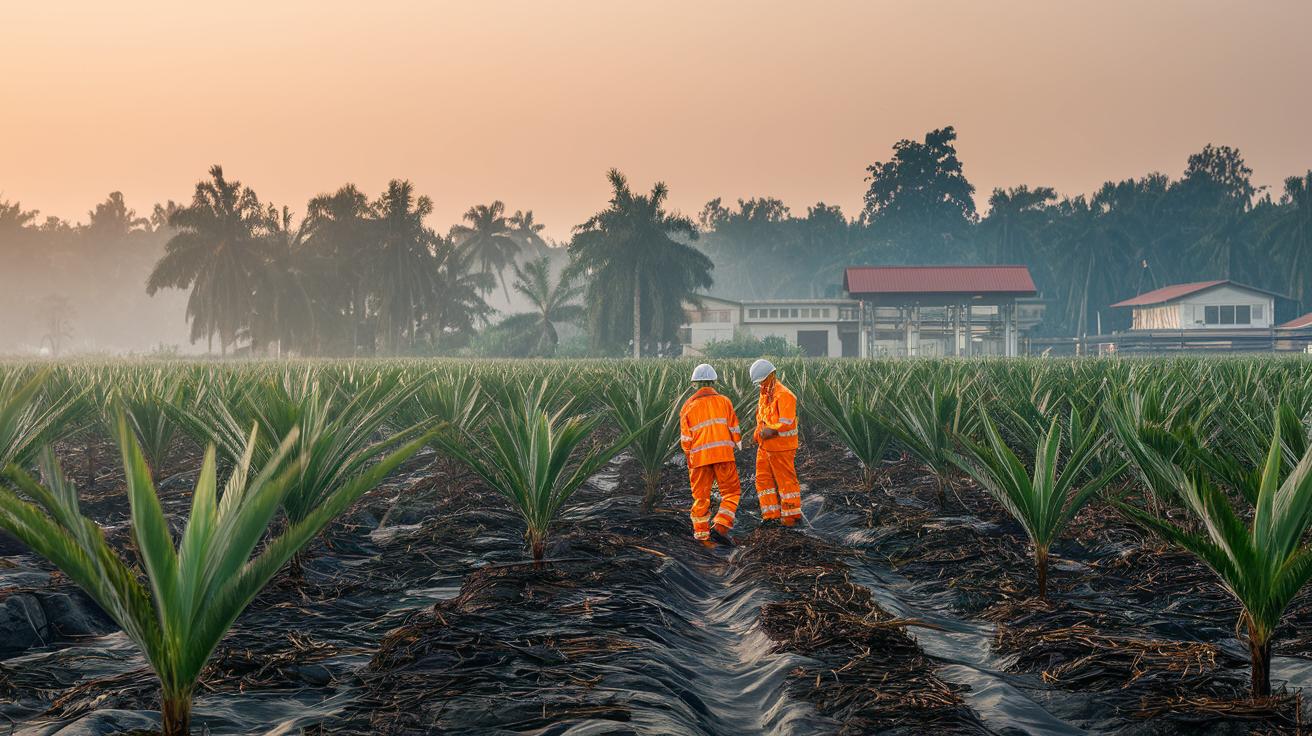
Less than 7% of palm oil plantations earn RSPO certification because the extra costs are hard to manage. RSPO sets simple rules for protecting nature and ensuring fair work conditions. One processor said, "Switching to sustainable methods requires extra spending on both technology and training." Even though about 20% of palm oil produced worldwide has RSPO certification as of 2024, many suppliers find the costs too high. This gap shows the challenge of meeting high standards while keeping prices in check.
Deforestation and Labor Concerns
Palm oil production still struggles with environmental harm and labor issues. In many growing areas, clearing forests causes serious habitat loss and puts local communities at risk. This loss of forests affects wildlife and the people who depend on them for food and income. Reports of long work hours and unsafe conditions have raised concerns among consumers and experts alike. Producers face constant pressure to feed growing markets while protecting nature and workers.
Innovations in Ethical Production
New ideas are helping to change how palm oil is produced. Some mills now aim for zero waste by using every part of the palm fruit. Renewable-energy powered refineries are also being tested to cut greenhouse gas emissions. Other companies are offering community programs that support local education and services. One plant manager explained, "Using renewable energy not only cuts costs but also strengthens community ties." These changes could soon blend sustainability with efficient production, benefiting both people and the planet.
Processing and Refinement of Palm Oil Food Products
Crude palm oil starts its journey by being extracted from oil palm fruits using methods that help keep its quality high. Next, the oil is cleaned through a process known as degumming, which removes natural impurities like phospholipids to create a purer base.
After this, the oil goes through bleaching. In this step, natural earth substances help take out unwanted color pigments, making the oil look lighter. Workers at processing plants note that a lighter color means impurities are being effectively removed.
Then comes deodorizing. The oil is gently heated under controlled conditions to remove any off smells so that it ends up with a neutral scent. This makes it versatile for many types of food.
The final stage is called fractionation. Here, the oil is split into parts based on melting points. This creates palm olein, which stays liquid at higher temperatures and is ideal for frying, and palm stearin, which solidifies at room temperature and is great for baking.
In 2023, over 95% of palm oil imported into the U.S. passed FDA safety checks thanks to these strong refining steps. These methods show a deep commitment to keeping the food safe and reliable for all uses.
3 palm oil food products: Pure Brilliance
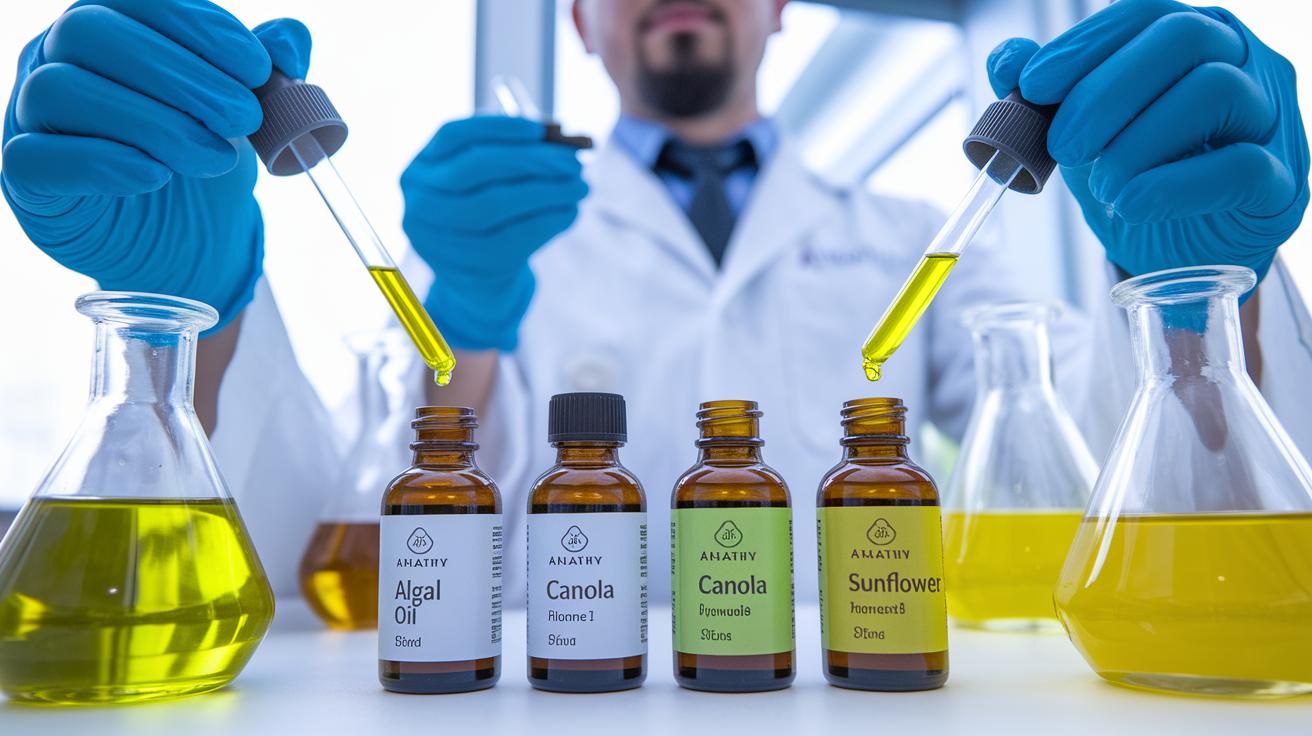
Food makers are searching for healthy alternatives to tropical fats. They are trying out new options that replace traditional vegetable fats. One such substitute is algal oil. It works like palm oil by giving products a smooth feel and handling heat well. However, algal oil gives much less yield per acre and costs up to 3 times more, so it is mainly used in high-end products.
Other choices include sunflower oil, canola oil, and coconut oil. Sunflower and canola oils are kinder on the budget, but they need tweaks in recipes because of different melting points and textures. Coconut oil brings a firmer texture, which suits spreads and candies when combined with other fats.
Food developers are weighing the cost and production challenges of these alternatives. For instance, while algal oil fits specialty markets, sunflower and canola oils work better for large-scale production even if they produce less oil per acre. Changing production methods to use these oils can be tricky, but many brands see it as a must-do move to attract health-focused buyers.
Manufacturers aiming to move away from tropical fats must balance cost with performance. They need to ensure the new fats deliver the right texture and taste without sacrificing quality. These decisions are sparking fresh innovation in food products.
Final Words
In the action, palm oil food products stand at the crossroads of quality, safety, and sustainability. The post broke down how this ingredient shapes baked goods, spreads, and more while shedding light on health impacts and ethical sourcing challenges. It also covered modern processing methods and explored cheaper alternatives for menu innovation.
These insights equip restaurant operators with clear, data-driven ideas to improve sourcing and menu design. A better understanding of palm oil food products can drive smarter choices and industry growth.
FAQ
Q: What is included in the palm oil food products list and palm oil products list?
A: The palm oil food products list covers baked goods, snack bars, spreads, confectionery, dairy alternatives, frozen foods, and ready-to-eat meals.
Q: What palm oil products should I avoid and should I avoid foods with palm oil?
A: The choice to avoid palm oil products depends on health and environmental concerns. Look for RSPO certification and transparent sourcing to steer clear of unsustainable options.
Q: What are some popular palm oil food products brands and which companies use palm oil?
A: Many well-known food companies use palm oil in their products. Labels may show palm oil under various names, so check packaging or company websites for sourcing details.
Q: What does WWF palm oil refer to?
A: WWF palm oil refers to the conservation group’s push for sustainably sourced palm oil, which helps protect forests and wildlife through responsible production practices.
Q: What are sustainable palm oil products?
A: Sustainable palm oil products are made with RSPO-certified palm oil, produced under practices that aim to reduce deforestation and labor issues while upholding quality.
Q: How is palm oil produced?
A: Palm oil is produced by extracting oil from the fruit of oil palms. The oil is refined through degumming, bleaching, deodorizing, and fractionation to become food grade.
Q: What food products contain palm oil?
A: Palm oil is found in numerous items, including baked goods, snack bars, spreads, confectionery, dairy alternatives, frozen meals, and ready-to-eat dishes.
Q: Does McDonald’s use palm oil?
A: McDonald’s uses palm oil in select products and supports sustainable sourcing. For the latest details, check their official nutrition and sourcing statements.