

Ever wonder if you can change the way people eat while earning a profit? The food world is growing fast and experts predict a $1.2 trillion market by 2030. New trends like plant-based dishes and eco-friendly packaging are emerging. Ideas like virtual kitchens, gourmet food trucks, and online farmers markets are changing how food is made and sold. Now is the time to explore simple, smart business ideas that can make a real impact.
Innovative Food Industry Business Ideas for Entrepreneurs
The restaurant world is expected to hit $1.2 trillion by 2030 and employ over 17 million people. This booming market offers plenty of chances for new food ventures. Trends like plant-based menus, eco-friendly packaging, and ethical sourcing are changing how food is cooked, sold, and enjoyed. Today is a great time for bold ideas, from digital ghost kitchens to interactive cooking classes that bring chefs and diners together.
Startups are shaking up the old food business model with fresh concepts. Modern digital tools now power everything from meal kit services to online farmers markets that deliver fresh produce right to your door. These innovations not only change food delivery but also give customers healthier, more sustainable choices with every order.
- Food trucks offering gourmet bites with low startup costs.
- Ghost kitchens designed just for delivery and shared by several brands.
- Meal kit services that mix convenience with home-cooked flavor.
- Online farmers markets linking local growers straight to consumers.
- Subscription boxes featuring hand-picked specialty foods and artisanal treats.
- Specialty bakeries creating custom treats to meet dietary and design trends.
- Coffee shops that serve top-notch brews with unique in-store experiences.
- Virtual restaurants running within existing kitchens without a storefront.
- Cooking classes that teach new techniques through engaging online sessions.
- Personal chef services offering tailored in-home dining experiences.
When choosing the right idea, entrepreneurs should think about their skills, budget, and who they want as customers. Ask yourself how much hands-on work you’re ready for, what funds you have, and what your local market needs. Each idea blends creative design with practical operations and strong customer ties, paving the way for a successful venture in the food scene.
Affordable Gourmet and Homemade Edible Enterprise Models
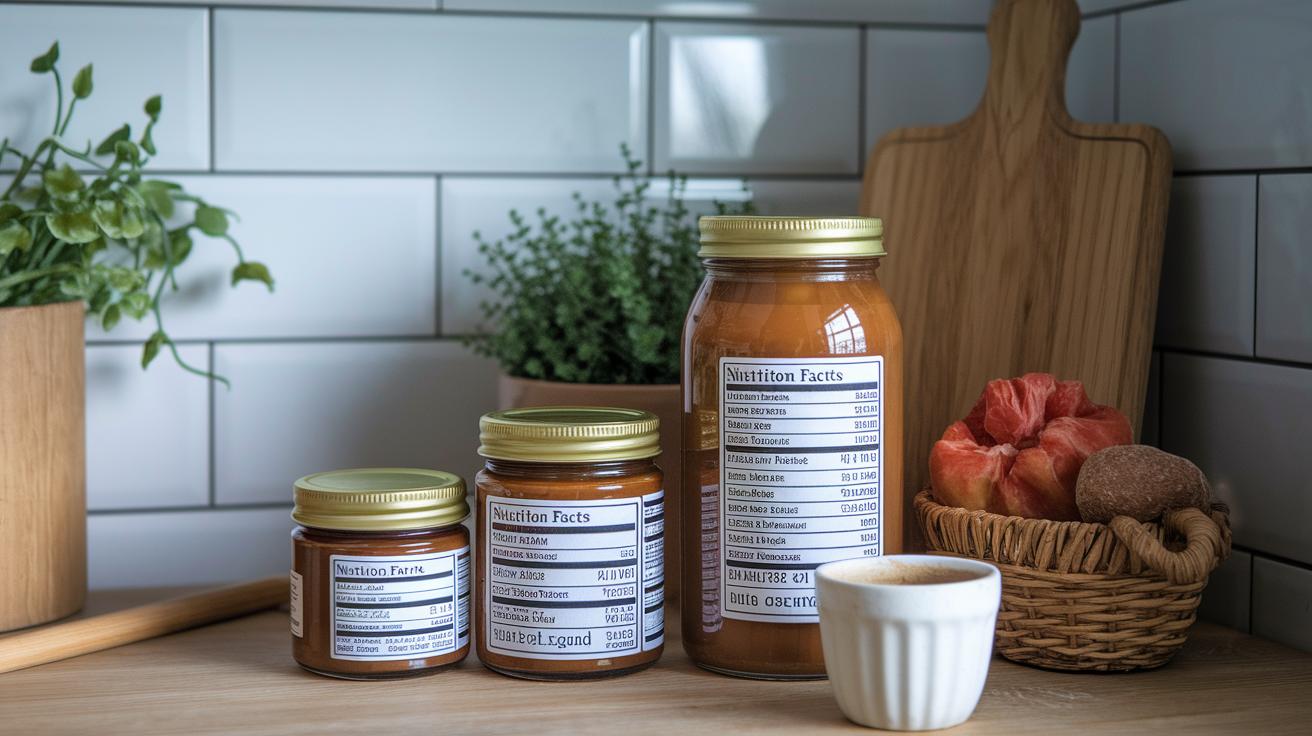
Running a home-based food business means following strict rules to keep food safe and consistent. If you plan to start your own kitchen venture, you must use proper labels with Nutrition Facts panels and allergen warnings to protect your customers. For homemade jams and jellies, sticking to state cottage food laws is a must since these treats depend on local ingredients. Sauce makers should also protect their recipes with NDAs and file trademarks on time. Meal kit services need special cold-chain packaging to keep food at or below 40°F. For more details on these rules, visit start food business from home.
| Business Type | Startup Cost Range | Key Requirements |
|---|---|---|
| Prepackaged Snacks | $500-$5,000 | Nutrition Facts panels; allergen disclosures |
| Jams & Jellies | $300-$2,500 | State cottage food laws; locally sourced ingredients |
| Sauces | $400-$3,000 | NDA-protected recipes; trademark filings |
| Meal Kits | $1,000-$7,000 | Validated cold-chain packaging; temperature control |
You can scale these business models by selling online or joining local farmers markets. Expanding through direct digital sales or community events helps keep costs low while preserving the handmade charm of your home-based production.
Digital Dining Solutions and Virtual Kitchen Operations in the Food Sector
Ghost kitchens are commercial kitchens built solely for delivery orders. They let several brands share one space to lower rental and equipment costs, so operators can focus on preparing food quickly and getting it out the door.
Virtual restaurants work from fully licensed kitchens without any storefront. They design menus just for online orders, which lowers risks and uses data to sharpen menu choices and speed up service.
Online farmers markets use digital platforms to directly link local producers with buyers. This setup merges ordering and payment systems, so customers easily get fresh, local goods without a traditional shop.
Top digital dining players combine smart online ordering tools with customer management software to keep everything running smoothly. These systems cut down mistakes, lower costs, and boost service with real-time tracking and instant feedback. For example, one operator uses a tool that sends quick alerts for delivery delays and syncs with their ordering app, ensuring the process stays as efficient as modern diners expect.
Niche Specialty and Ethnic Flavor Ventures in the Food Industry
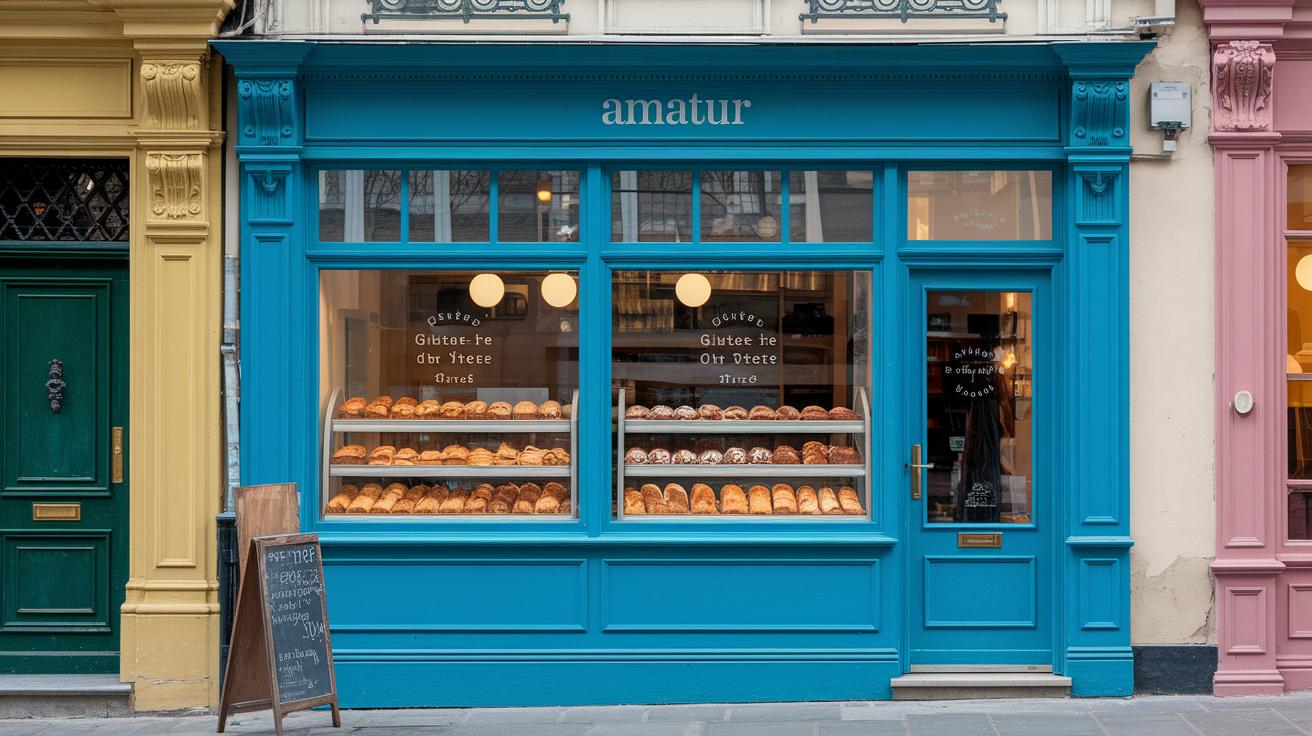
Food entrepreneurs are carving out a space by focusing on specific tastes and dietary needs. Consumers now want options that match their fast-paced lives or unique health requirements. Small businesses are making a mark by emphasizing fresh, authentic, and convenient products. This clear focus helps them build loyal followings and earn word-of-mouth praise from customers searching for both everyday treats and specialty offerings.
A specialty bakery goes beyond simple baked goods. It blends strong branding with craft methods to offer custom pastries and breads for markets like gluten-free or organic lifestyles. Similarly, curated food subscription boxes have become popular with busy folks and those with specific dietary goals. These boxes often include seasonal, locally sourced items, paired with clear descriptions and attractive packaging, which meet the high standards of quality and consistency that consumers expect. Both models thrive on a solid digital presence and active community engagement to keep customers coming back.
Focusing on ethnic flavors, such as regional street foods, also creates memorable culinary moments. These offerings honor traditional recipes while adding a modern twist, sparking strong customer loyalty through genuine cultural taste experiences.
Mobile Cart and Urban Street Cuisine Concepts in the Food Industry
Food trucks have exploded in popularity, growing about 6.3% every year. Starting with a used truck can cost around $50,000, while custom-built ones might run over $175,000. Operators need to get the proper licenses and meet local health rules to keep everyone safe and serve tasty meals on the move.
Mobile carts, pop-up restaurants, and kiosks are affordable options that need little setup. Picking a spot where lots of people gather, like community events or busy markets, is key. Working closely with event organizers can help secure great locations, letting these setups run with low expenses while drawing busy urban food lovers.
Smooth operations rely on smart logistics and proper permits. Careful planning for routes, local zoning laws, and storage needs can cut down on hiccups. Many vendors say that fine-tuning transportation and building steady supply chains help them move quickly between spots, staying flexible for the fast pace of urban street cuisine.
Financial Planning and Growth Strategies for Food Industry Startups

Food startups need the right funding from the start. Entrepreneurs work through key steps like choosing a product, testing ideas, writing a plan, building a brand, launching an online store, and promoting their business. Options include personal savings, bank loans, or attracting investors. This early review helps set up a solid accounting system to track costs like rent, utilities, labor, supplies, and marketing.
Funding Options
Many startups begin with personal funds while using bank loans for bigger investments. Some also seek help from angel investors or venture capital to grow quickly. Each funding choice comes with its own benefits and challenges. It is important to research all options and prepare clear financial plans to build a strong business base.
Cost Management and Compliance
Managing costs well means planning for fixed expenses like rent, equipment, and licenses, along with variable spending on ingredients, labor, and marketing. Entrepreneurs must secure the right permits, from business licenses and zoning approvals to sales tax registration. A good accounting system tracks every cost and keeps the business in line with regulations.
Regularly reviewing revenue is key. Projecting sales with market trends, reinvesting profits, and watching key performance numbers all help build investor trust and keep the business on track.
Final Words
In the action, this blog post outlined smart food industry business ideas that meet today’s shifts in consumer tastes and operational demands. It broke down opportunities from digital dining platforms and ghost kitchens to home-based gourmet ventures and mobile street food concepts.
Each section offered key insights to help you choose ideas that match your skills and budget. By weighing these options, you can make the best decisions that fuel success in the food industry. Keep exploring innovative business ideas food industry to stay ahead and thrive.
FAQ
What are some unique and innovative food business ideas for entrepreneurs, startups, and small-scale ventures?
The unique food business landscape includes ghost kitchens, meal kit services, food trucks, and niche bakeries, along with home-based ventures that adapt to current trends, minimal start-up costs, and flexible work environments.
Which food business tends to be the most profitable and best to start?
The most profitable food business varies by market and location, with many finding opportunities in ghost kitchens, specialty bakeries, or mobile carts that align with consumer trends and deliver strong returns when well managed.
What is the easiest food product to sell?
The easiest food products to sell are often prepackaged snacks or baked goods because they have wide appeal, simple shelf-stability, and lower startup barriers, making them attractive for quick market entry.
What are five common examples of different sectors in the food industry?
Five examples include traditional restaurants, food trucks, ghost kitchens, online farmers markets, and subscription box services, each representing a distinct approach to reaching consumers in today’s dynamic food market.